
 Susilo Edi Turonggo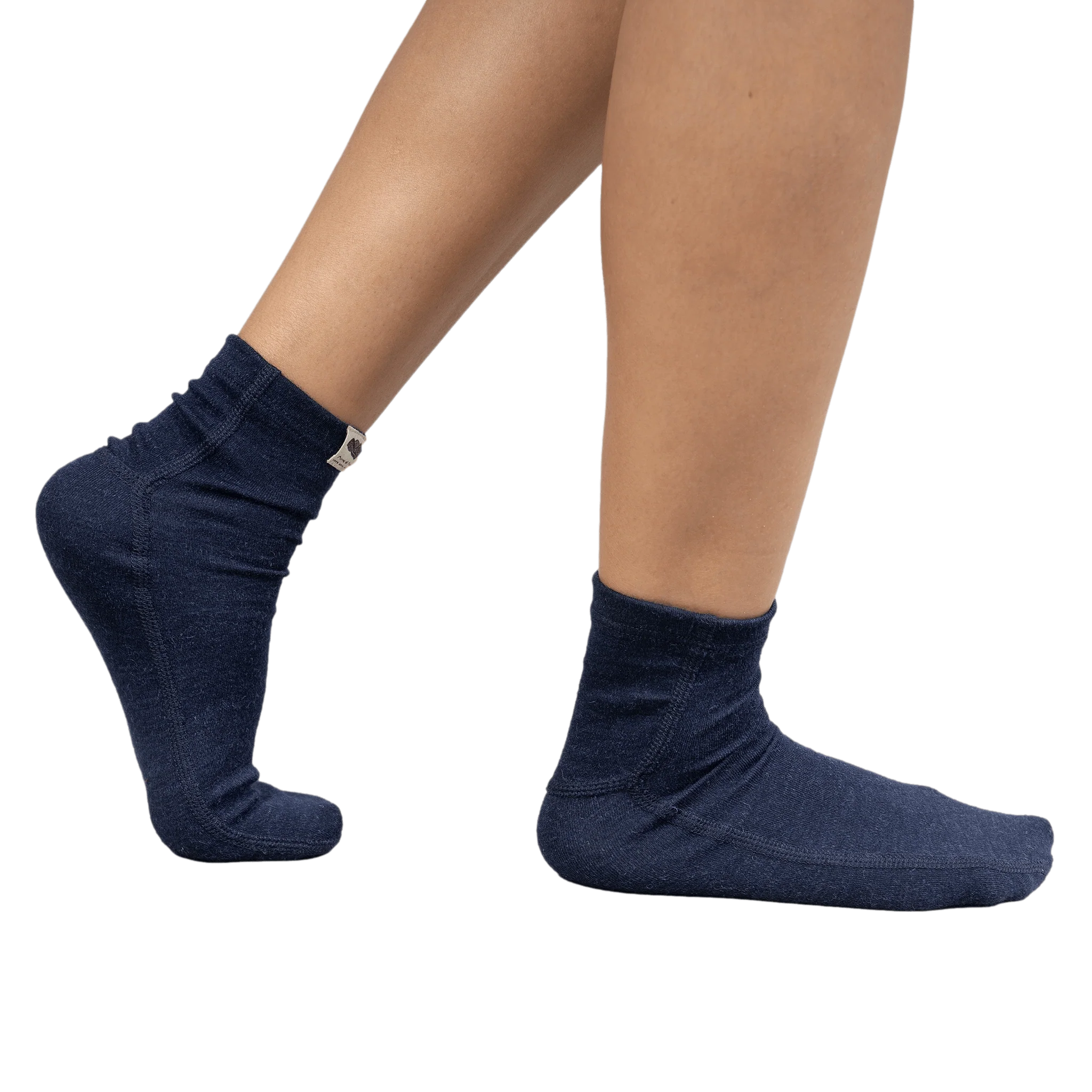
While footwear is frequently scrutinized for its ergonomic design and aesthetic appeal, the foundational layer of the wardrobe—the sock—often escapes rigorous consumer evaluation. For many, socks are a commodity purchased in bulk with little regard for material composition or chemical processing. However, recent developments in textile safety and a growing body of clinical research suggest that this indifference may be detrimental to both personal health and environmental stability. As consumers increasingly prioritize wellness and ecological footprint, the market is shifting toward natural, non-toxic, and transparently sourced hosiery.
The Chemical Landscape of Modern Hosiery
The primary concern regarding conventional socks lies in the prevalence of synthetic polymers and the associated dyeing processes. Standard mass-market socks are typically composed of polyester, nylon, and elastane—petroleum-based fibers that prioritize elasticity and cost-efficiency over breathability. More concerning than the physical fiber, however, are the chemical agents used in manufacturing.
Azo-benzene disperse dyes, commonly utilized to achieve vibrant colors in synthetic fabrics, have been flagged by the scientific community as significant skin sensitizers. According to data from the National Center for Biotechnology Information (NCBI), these dyes can trigger allergic contact dermatitis, a condition exacerbated by the warm, humid environment inside a shoe. When feet sweat, the moisture acts as a solvent, potentially leaching these hazardous substances into the skin. In instances of prolonged exposure, some disperse dyes have been categorized as potential carcinogens. The industry’s reliance on these chemicals has prompted health advocates to push for more stringent oversight, such as the Oeko-Tex Standard 100, which tests for harmful levels of toxic substances in finished textile products.
Chronology of the Shift Toward Transparency
The movement toward "clean" socks did not emerge in a vacuum. It is the result of a decade-long evolution in textile transparency that began in the early 2010s, when global supply chain audits began to expose the environmental degradation caused by industrial textile dying.
- 2012-2015: Initial investigations into the "fast fashion" sector highlighted the severe chemical pollution in rivers surrounding dyeing facilities, particularly in Asia. This sparked a consumer demand for "traceable" clothing.
- 2016-2019: Certification bodies, such as the Global Organic Textile Standard (GOTS) and the Responsible Wool Standard (RWS), gained mainstream prominence. Brands began using these labels to verify that wool was harvested humanely and cotton was grown without toxic pesticides.
- 2020-Present: The post-pandemic era saw a surge in interest regarding personal health and home comfort. As remote work became the norm, the "athleisure" and "cozy-wear" sectors exploded, leading to a direct consumer demand for high-quality, irritant-free socks that could be worn for extended periods.
The Science of Natural Fibers
For those seeking to mitigate the risk of skin irritation, material selection is paramount. Natural fibers offer inherent advantages that synthetics attempt to mimic through chemical finishing. Merino and alpaca wool, for instance, are naturally moisture-wicking and antimicrobial. These fibers can absorb up to 30% of their weight in moisture without feeling damp, a property that inhibits the growth of odor-causing bacteria.
However, the ethics of sourcing these materials are equally critical. The practice of "mulesing" in the wool industry—a surgical procedure used to prevent flystrike in sheep—has been largely condemned by animal welfare groups. Consumers are now urged to seek out RWS-certified wool, which guarantees that such practices are prohibited. Similarly, organic cotton, Tencel (lyocell), and bamboo viscose provide breathable, biodegradable alternatives that minimize the environmental impact of textile waste.
Institutional and Brand Perspectives
Industry leaders and manufacturers are responding to these findings by re-engineering their production lines. Brands like Harvest & Mill have pioneered the "dye-free" movement, utilizing the natural hues of cotton to eliminate the need for chemical coloring entirely. By keeping their supply chain domestic, they reduce the carbon footprint associated with global shipping and maintain strict control over manufacturing standards.
Conversely, some companies are focusing on the medical aspect of hosiery. Cottonique, for example, collaborates with dermatologists to develop products specifically for individuals with severe contact dermatitis or latex allergies. By removing all synthetic elastics and bleaches, these brands provide a clinical solution to a widespread consumer problem.
Major organizations like the Forest Stewardship Council (FSC) and Fair Trade International have also played a role in the broader impact of this shift. They ensure that the sustainability of the sock goes beyond the fabric itself, encompassing the packaging and the living wages of the workers involved in the production process.
Economic and Environmental Implications
The transition to sustainable, non-toxic socks represents a shift in consumer spending habits. While these products often command a higher price point—ranging from $10 to $35 per pair compared to budget multi-packs—the long-term value is found in durability and reduced healthcare costs related to skin conditions.
From an environmental standpoint, the impact is significant. Traditional synthetic socks are rarely recycled because they are often composed of blended fibers, making them difficult to separate. In contrast, socks made from high-quality natural fibers are more likely to be composted or repurposed. As brand transparency increases, consumers are now able to make data-driven decisions regarding the environmental cost of their purchases.
Strategic Selection: A Consumer Guide
When evaluating the market for safe, high-performance socks, consumers should look for specific indicators of quality and safety:
- Certification Verification: Always check for Oeko-Tex or bluesign certifications, which ensure that the chemical processing of the fabric meets international safety standards.
- Fiber Analysis: Prioritize natural fibers (merino, alpaca, organic cotton). If a blend is necessary for comfort, ensure that natural fibers constitute the majority of the garment.
- Supply Chain Transparency: Favor brands that publicly disclose the locations of their manufacturing facilities. Transparency is often a proxy for ethical labor practices.
- Packaging Waste: Assess the environmental impact of the product’s lifecycle by choosing brands that utilize compostable or FSC-certified recycled packaging.
Conclusion: The Future of Footwear
The humble sock is currently undergoing a necessary re-evaluation. No longer relegated to the status of a disposable accessory, it is being reclaimed as a vital component of personal health and environmental responsibility. As consumers continue to demand accountability from fashion brands, the industry will likely see a continued decline in the use of hazardous dyes and a rise in innovative, bio-based textiles.
By integrating these health-conscious choices into their daily routines, consumers not only protect their skin from the risks associated with synthetic dyes and chemicals but also contribute to a broader movement that favors longevity, ethical labor, and environmental stewardship. The evidence is clear: the most comfortable step one can take is toward a wardrobe that values the integrity of the materials resting against the skin.



 Anjar Salim
 Chandra Hamzah
 Tatiana Tantri Indah Sari
 Budi Mulyono
 Lukman Taruna Persada Ramadan
