
 Walid Sujud Trenggono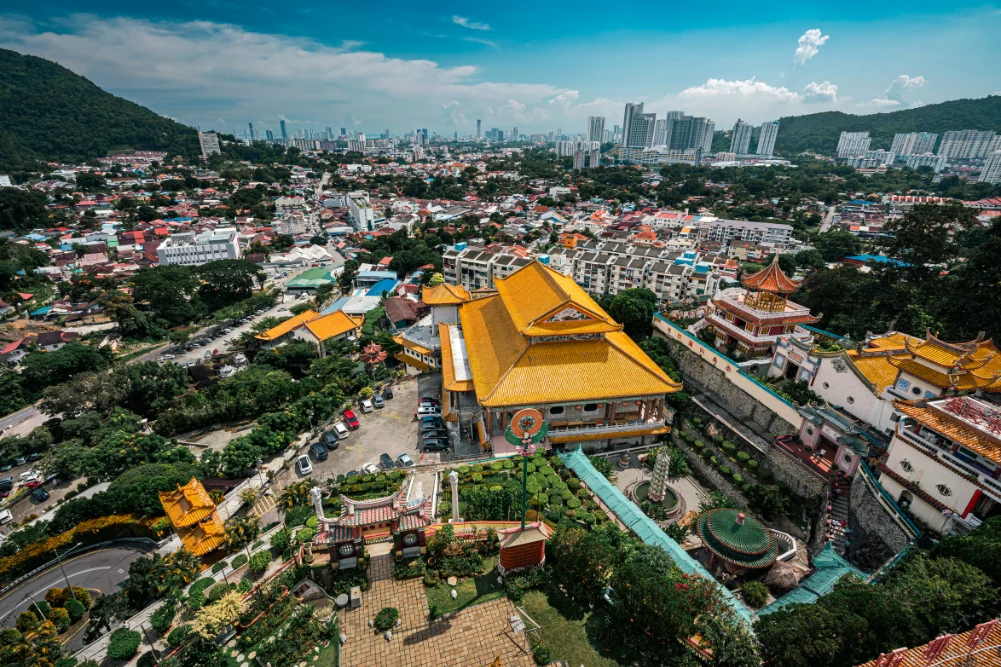
Penang, an island state off the northwest coast of Peninsular Malaysia, has long maintained an international reputation as a premier gastronomic destination, where local culture and daily schedules revolve around dining. For travelers navigating dietary restrictions—specifically plant-based diets—the island presents a unique culinary landscape. Far from presenting a challenge, navigating Penang as a vegan reveals a deeply ingrained gastronomic tradition rooted in centuries of Chinese Mahayana Buddhist heritage. This compassionate, plant-based cuisine, historically referred to as temple food or su zhai, originated with sixth-century monastics and has since evolved into a vibrant, accessible street food culture that dominates local eateries, night markets, and Michelin-recognized stalls.
Historical Foundations and Cultural Integration
The flourishing of plant-based cuisine in Penang cannot be separated from the island’s complex socio-cultural history. As a strategic maritime trading hub, Penang experienced successive eras of British colonial administration, alongside waves of migration from mainland China, particularly the Hokkien, Teochew, and Cantonese communities. This multi-ethnic demographic forged a society known for its exceptional religious and cultural tolerance.
The integration of Buddhist philosophy with local culinary practices dates back centuries. Chinese Mahayana Buddhists traditionally adhered to a vegetarian diet to cultivate compassion and minimize negative karma. Over generations, these monastic dietary customs migrated beyond temple walls, popularized by immigrant communities seeking to recreate familiar flavours using local Southeast Asian ingredients. Consequently, Penang developed an eccentric culinary ecosystem where plant-based eating is not a modern dietary trend, but a normalized, deeply traditional way of life.
The historical architecture of Georgetown, Penang’s capital, reflects this diverse heritage. Ornate clan temples—such as the Han Jiang Ancestral Temple, built by Teochew immigrants—and the famous coastal clan jetties stand as testaments to the early settlers who established roots in the mid-19th century. These communities preserved their dialects, traditions, and architectural styles, eventually earning Georgetown UNESCO World Heritage status in 2008. Within this preserved historic core, sacred spaces and secular eateries coexist seamlessly, bound by a shared culinary heritage.
The Gastronomic Infrastructure: From Temple Altars to Street Stalls
The daily intersection of spirituality and gastronomy in Penang is vividly demonstrated around sacred sites. The Kuan Yin Teng (Temple of the Goddess of Mercy), established in the early 1800s in Georgetown, serves as a focal point for both religious devotion and culinary exploration. Dedicated to Kuan Yin, the revered Buddhist deity of mercy, peace, and fertility, the temple precinct is surrounded by neighborhood markets and small family-run cafes.
Local culinary practices here reflect a philosophy of wholesome, mindful consumption. Traditional su zhai cooking frequently avoids the "five pungent spices"—garlic, onions, shallots, leeks, and chives—which are traditionally believed in Buddhist medicine to agitate the mind. Instead, chefs rely on complex combinations of soy derivatives, wheat gluten, mushrooms, and indigenous herbs and spices to replicate the textures and profiles of meat-based dishes.
Advanced culinary techniques transform simple soy and wheat gluten into elaborate plant-based approximations. Diners encountering Penang’s vegan scene regularly sample crispy-skin mock-fish featuring convincing texture and visual scales, alongside local Nyonya Malay curry rendang, Chinese barbecued mock-pork, and vegan Mongolian lamb. These dishes are prominently advertised by distinctive yellow-and-red-silk flags fluttering outside neighborhood cafes.
Prominent establishments such as Ee Beng Vegetarian Food on Lebuh Dickens exemplify this approach, offering self-serve buffets featuring salt-and-pepper tofu, peanut satay sticks, mock duck, vegan prawn chow mein, and minced mushroom mapo tofu. Similarly, long-standing neighborhood staples like Purple Stone Vegetarian near the Kek Lok Si temple complex demonstrate the generational stability of these culinary businesses, having served plant-based fare to locals and visitors for decades.
International Recognition and Hawker Culture
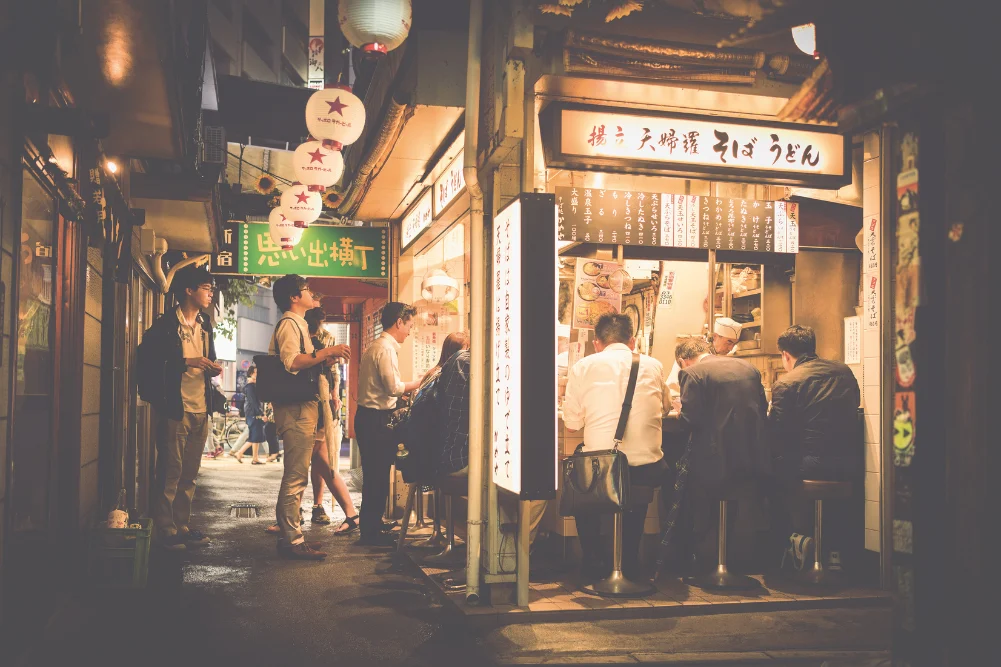
While sit-down vegetarian cafes are ubiquitous, Penang’s street food culture—historically centered around mobile hawker carts and open-air markets—remains the backbone of the state’s culinary identity. Dining in Penang is fundamentally democratic, occurring on curbsides, at bus-stop cafes, and within bustling back alleys where patrons sit shoulder-to-shoulder on small stools.
This dynamic street food sector recently gained formal international recognition. Hawkers specializing in traditional, accessible snacks have achieved distinction within culinary guides. For example, a modest, unpretentious stall on Queen Street known as Penang Famous Samosa has earned a listing in the Michelin Guide. Specializing in deep-fried vegetarian snacks priced at approximately 30 cents per piece, the stall offers deep-fried treats such as pakodas (shredded vegetable fritters), batter-dipped onion bhajis, and spicy lentil donuts (vadai). Such accolades underscore a broader economic and cultural shift: traditional, plant-based street food is increasingly recognized by international culinary authorities as high-quality gastronomy worthy of preservation and global promotion.
Broader Economic and Tourism Implications
The widespread availability of high-quality plant-based cuisine has significant implications for Penang’s tourism economy. As global demand for sustainable, ethical, and health-conscious travel options increases, destinations capable of seamlessly accommodating diverse dietary requirements hold a distinct competitive advantage.
Tourism data indicates a rising demographic of travelers prioritizing sustainability and plant-based dining. Penang’s historical positioning as a vegan-friendly destination requires minimal infrastructural adaptation, as the supply chains, culinary techniques, and cultural attitudes supporting plant-based eating have been in place for centuries. This positions the island favorably within the burgeoning global market for culinary tourism.
Furthermore, grassroots economic spaces like the Hin Bus Depot Markets illustrate how traditional food culture intersects with contemporary creative industries. These modern weekend markets feature organic Malay coffees, artisanal vegan baked goods, and local crafts, demonstrating that Penang’s culinary evolution is continuous. By bridging sixth-century monastic traditions with 21st-century culinary innovation, Penang maintains its status as a dynamic living museum of food culture.
Visitor Logistics and Strategic Recommendations
For travelers planning an itinerary to Penang, understanding seasonal patterns and logistical frameworks ensures an optimized experience.
Transportation and Climate
Malaysia Airlines operates regular return flights to Penang International Airport (via Kuala Lumpur) from major Australian hubs including Sydney, Brisbane, Melbourne, Perth, and Adelaide. The regional climate is characterized by year-round tropical heat and humidity. Meteorological data indicates that the period between December and February generally experiences lower rainfall and slightly less extreme temperatures, making it an optimal window for walking tours of Georgetown’s historic districts.
Accommodation Infrastructure
Penang’s hospitality sector reflects its architectural heritage, offering options ranging from restored colonial mansions to modern, eco-certified high-rises:
- The Blue Mansion (Cheong Fatt Tze Mansion): Located in Georgetown, this lavishly restored 19th-century courtyard mansion provides luxury accommodations within a historically significant architectural landmark.
- The Edison: Situated in a restored colonial-era building, this boutique hotel offers deluxe rooms paired with inclusive amenities such as complimentary breakfasts, all-day snacks, and evening refreshments.
- Olive Tree Hotel: Positioned in proximity to the airport, this modern establishment caters to travelers seeking contemporary high-rise accommodations paired with notable corporate sustainability credentials.
Recommended Culinary Landmarks
Travelers seeking authentic plant-based dining within Georgetown and surrounding districts may consult the following verified establishments:
- Ee Beng Vegetarian Food: Lebuh Dickens, Georgetown (Self-serve buffet featuring extensive mock-meat and traditional Chinese-Malay specialties).
- Penang Famous Samosa: Queen Street, Georgetown (Michelin-recognized hawker stall specializing in authentic vegetarian samosas and Indian deep-fried snacks).
- Yun Shan Ge Vegetarian House: Penang Street, Georgetown (Specialized venue offering upscale plant-based Nyonya cuisine).
Through its unique synthesis of spiritual heritage, architectural preservation, and culinary innovation, Penang continues to serve as an exemplary model of how traditional dietary practices can endure, adapt, and thrive in a modern globalized economy.



 Anjar Salim
 Dwi Wanna
 Chandra Hamzah
 Tatiana Tantri Indah Sari
 Cholid Fahmi Thalib