
 Tatiana Tantri Indah Sari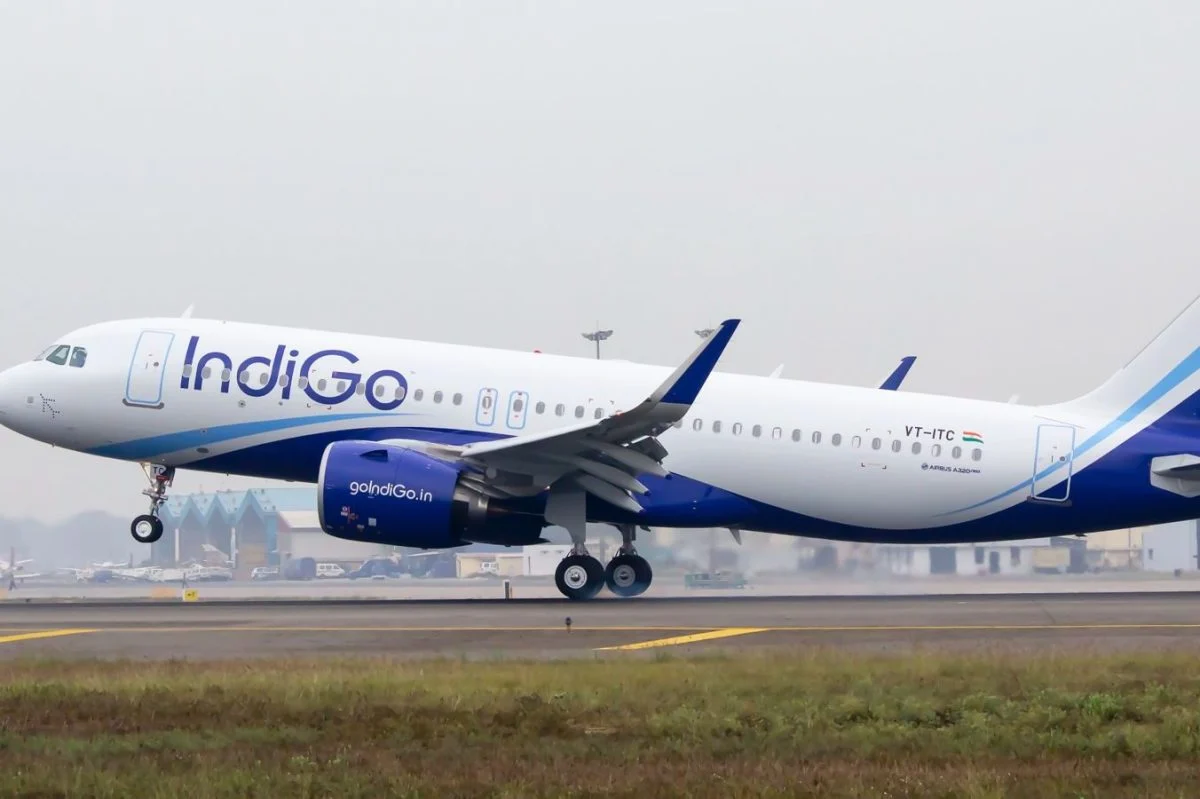
InterGlobe Aviation, operating under the commercial banner of IndiGo, has implemented a broad upward revision of fees across several of its most utilized optional ancillary services. The adjustments affect a wide spectrum of passenger requirements, ranging from infant travel and domestic excess baggage to unaccompanied minor arrangements, priority check-in, priority boarding, and official travel documentation certificates. While the individual adjustments appear incremental when examined in isolation, the collective move highlights a strategic commercial initiative. As India’s largest domestic carrier positions itself for a shifting market landscape under incoming leadership, the airline is clearly seeking to optimize auxiliary revenue streams while rigorously safeguarding the low base-fare architecture that anchors its dominant market share.
The newly revised fee structure touches multiple touchpoints of the passenger journey. Infant travel—designated for children aged between three days and two years who occupy no dedicated passenger seat—has experienced a substantial percentage increase, rising from INR 2,000 to INR 3,000, which translates to approximately $21 up to $31 based on prevailing exchange rates. Similarly, domestic excess baggage rates have been nudged upward, moving from INR 700 to INR 800 per kilogram, or roughly $7.30 to $8.30. IndiGo’s premium airport service, marketed as Fast Forward, which bundles priority check-in with expedited boarding, has also seen a notable markup. The domestic rate for Fast Forward has escalated from INR 450 to INR 650, moving from approximately $5 to $7 per passenger.
Additional adjustments have been applied to services such as unaccompanied minor facilitation, seat selection protocols, and the issuance of duplicate tax invoices or travel certificates. Although these individual service increments may seem modest to the casual traveler, cumulative spending on ancillary services represents a highly lucrative, high-margin revenue pool for low-cost carriers globally. By tapping into these optional preferences, IndiGo can generate supplementary income without altering the baseline ticket prices that drive its volume-based business model.
Chronology and Strategic Context
The timing of these pricing modifications coincides with a critical transitional phase in IndiGo’s corporate governance and strategic planning. Over the past several years, the airline has solidified its status as an untouchable titan within the Indian domestic aviation market, commanding a market share that frequently hovers near or above 60 percent. However, navigating a post-pandemic operating environment characterized by volatile jet fuel prices, foreign exchange fluctuations, and persistent supply chain bottlenecks has compelled airline management to scrutinize every avenue of operational efficiency.
The strategy of leaning into ancillary revenue generation is hardly novel within the global low-cost carrier playbook. Modeled after ultra-low-cost pioneers in North America and Europe, carriers like IndiGo have historically kept base fares exceptionally low to stimulate consumer demand and capture market share from legacy competitors and rail networks. To achieve and sustain profitability, these airlines rely heavily on unbundling the travel experience. Passengers pay a base rate for point-to-point transportation, while every additional convenience—baggage, food, seat selection, and priority handling—carries a distinct price tag.
As IndiGo enters what industry analysts frequently characterize as the Willie Walsh era—alluding to the broader commercial philosophies championed by veteran aviation executives who prioritize rigorous margin management and ancillary yield optimization—the airline is systematically fine-tuning its monetization mechanisms. This operational philosophy emphasizes extracting maximum value from non-fare segments of the passenger journey. By doing so, IndiGo can insulate its core financial performance against external macroeconomic headwinds that periodically erode airline margins.
Detailed Breakdown of Fee Adjustments and Supporting Data
A granular examination of the revised tariff schedule reveals the specific financial impact on domestic travelers across India. The fee for infants traveling on an adult’s lap has witnessed a 50 percent increase, leaping to INR 3,000. While infants do not occupy a physical seat, they require specific administrative processing, safety briefings, and manifest adjustments, which airlines traditionally cite as justifications for such fees. However, the magnitude of the percentage hike has drawn scrutiny from family travelers who rely on the carrier for regional and national connectivity.
For passengers traveling with heavy loads, the domestic excess baggage fee adjustment from INR 700 to INR 800 per kilogram represents a direct cost increase for business travelers and holidaymakers alike who exceed standard weight allowances. Given that baggage handling represents a significant operational cost component for ground handlers, this adjustment helps align service pricing with real-world logistical expenditures.
The Fast Forward service, which targets time-sensitive corporate flyers and passengers eager to bypass lengthy terminal queues, now commands INR 650 domestically. Despite the price bump, analysts suggest that demand for priority services is likely to remain resilient. Time-sensitive travelers frequently view the nominal fee as a worthwhile investment for time saved within congested airport terminals across major metropolitan hubs like Delhi, Mumbai, Bengaluru, and Hyderabad.
Broader economic data underscores why Indian low-cost carriers are increasingly dependent on ancillary streams. According to financial disclosures from InterGlobe Aviation, non-ticket revenues have consistently served as a vital cushion during quarters marked by high aviation turbine fuel (ATF) costs. Even minor percentage increases across millions of annual passengers translate into substantial additions to the bottom line, helping the carrier maintain its robust balance sheet and fund ambitious fleet expansion plans, including widebody aircraft acquisitions and international network growth.
Official Responses and Industry Perspectives
While formal statements from airline executives regarding routine ancillary price adjustments are typically muted, commercial representatives emphasize that such changes reflect the rising cost of specialized ground operations and third-party vendor services at airports. IndiGo maintains that its core commitment remains rooted in offering affordable, on-time air transportation across India’s vast aviation network. Company spokespersons have consistently reiterated that optional services are entirely discretionary, allowing consumers to tailor their travel expenditures according to their specific personal or financial requirements.
Industry analysts and aviation consultants have offered mixed reactions to the latest round of price adjustments. On one hand, market observers note that IndiGo’s pricing power remains exceptionally strong. With minimal domestic competition capable of matching its network density and flight frequency, the airline possesses the commercial latitude to implement these fee revisions without experiencing noticeable passenger attrition.
On the other hand, consumer advocacy groups and frequent flyer communities have expressed growing frustration over the unbundling of services that were once considered standard or more moderately priced. Critics argue that cumulative fees for baggage, infant travel, and priority boarding can quickly inflate the final cost of a supposedly low-cost flight, narrowing the price gap between budget carriers and full-service alternatives. Nevertheless, historical data indicates that fare transparency laws and consumer habits rarely deter travelers from prioritizing convenience when booking flights.
Broader Market Impact and Economic Implications
The strategic elevation of ancillary fees by India’s market leader carries significant implications for the broader domestic aviation ecosystem. As IndiGo continues to refine its revenue management systems, rival carriers such as Air India Express and Akasa Air are closely monitoring consumer elasticity and pricing thresholds. If IndiGo successfully absorbs these fee hikes without a dip in passenger volume, competing airlines are likely to recalibrate their own ancillary pricing models to match market realities.
Furthermore, these adjustments reflect a maturing Indian aviation market where airlines must balance aggressive capacity deployment with disciplined yield management. Passenger traffic across Indian airports has surged past pre-pandemic milestones, recording consecutive months of record-breaking passenger throughput. This high demand environment provides an opportune window for airlines to optimize yields through ancillary monetization.
From an investor relations perspective, the move is anticipated to be viewed favorably by financial markets. Shareholders and institutional investors continually evaluate an airline’s ability to generate revenue streams independent of fluctuating ticket yields. By systematically adjusting optional service fees in alignment with inflationary pressures and operational cost increases, IndiGo demonstrates disciplined commercial management.
Looking ahead, the evolution of IndiGo’s ancillary strategy will likely depend on technological advancements in personalized retailing and dynamic pricing algorithms. By leveraging data analytics, airlines are increasingly capable of tailoring ancillary offerings and pricing structures to individual consumer behaviors and booking patterns. As the carrier navigates its next phase of growth under its current strategic trajectory, optimizing every facet of the passenger journey—from the moment a ticket is booked to the retrieval of baggage at the destination—will remain central to its commercial blueprint.




 Anjar Salim
 Chandra Hamzah
 Gabriela Annisa
 Walid Sujud Trenggono