
 Anjar Salim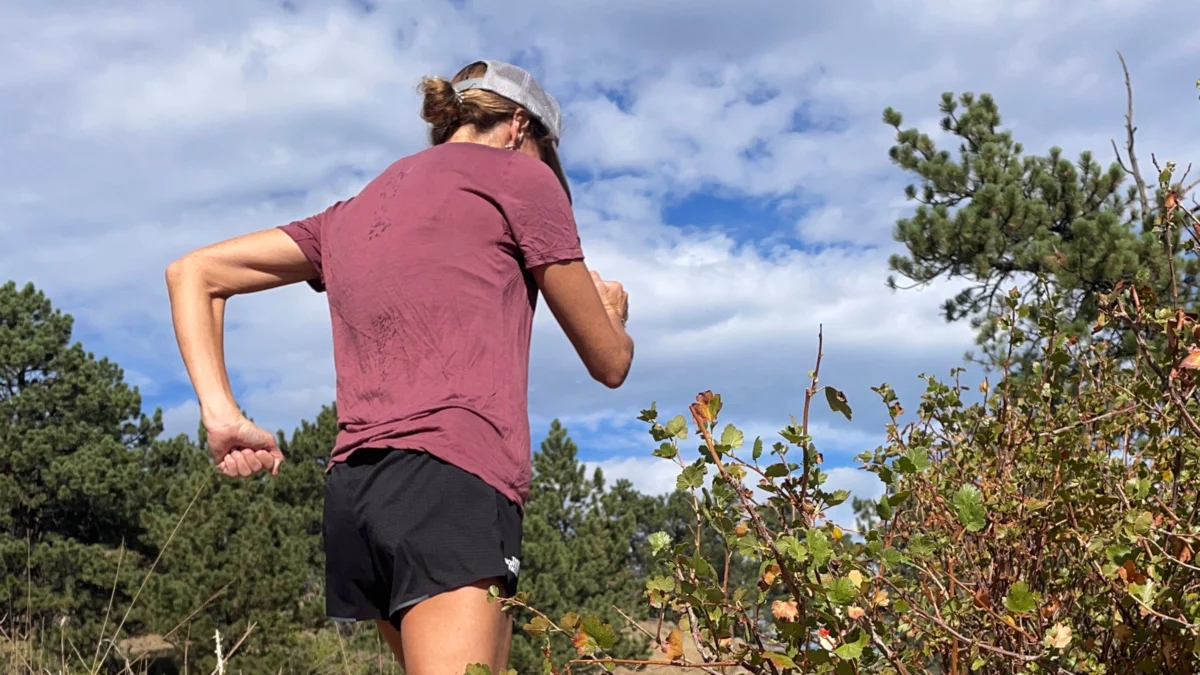
As autumn temperatures decline and outdoor enthusiasts transition their workout wardrobes from summer gear to cooler-weather apparel, a quiet shift is taking place in the athletic apparel market. While lightweight synthetic fabrics have long dominated high-intensity warm-weather training due to their rapid drying capabilities, natural fibers—specifically Merino wool and its technical blends—are increasingly becoming the preferred choice for autumn running, hiking, and endurance sports. This seasonal transition highlights a broader functional and environmental evolution in outdoor textiles, driven by advancements in fiber engineering and a growing consumer demand for sustainable materials.
The evolution of athletic wear over the past three decades has been defined by the dominance of petroleum-based synthetics such as polyester, nylon, and spandex. Prized for their high tensile strength, moisture-wicking properties, and low manufacturing costs, synthetic shirts became the universal standard for runners seeking to avoid the heavy, water-retaining burden of traditional cotton. However, synthetics possess inherent limitations in transitional climates. Cold-weather synthetic garments often feel frigid and waxy against the skin during early morning starts, and they notoriously retain body odors through bacterial accumulation over repeated uses.
In contrast, modern Merino wool garments utilize ultra-fine fibers—often measuring under 19 microns in diameter—that eliminate the itchiness traditionally associated with coarse sheep’s wool. When engineered into lightweight jersey knits weighing between 115 and 150 grams per square meter, these natural fibers offer a compelling alternative that bridges the gap between casual comfort and technical performance.
The Science of Thermal Regulation and Moisture Management
The functional superiority of wool in fluctuating temperatures lies in its unique microscopic architecture. Unlike smooth synthetic filaments, natural wool fibers feature a crimped, coiled structure that naturally traps microscopic pockets of air. In cooler conditions, this trapped air acts as a thermal barrier, retaining body heat efficiently without requiring heavy fabric thickness.
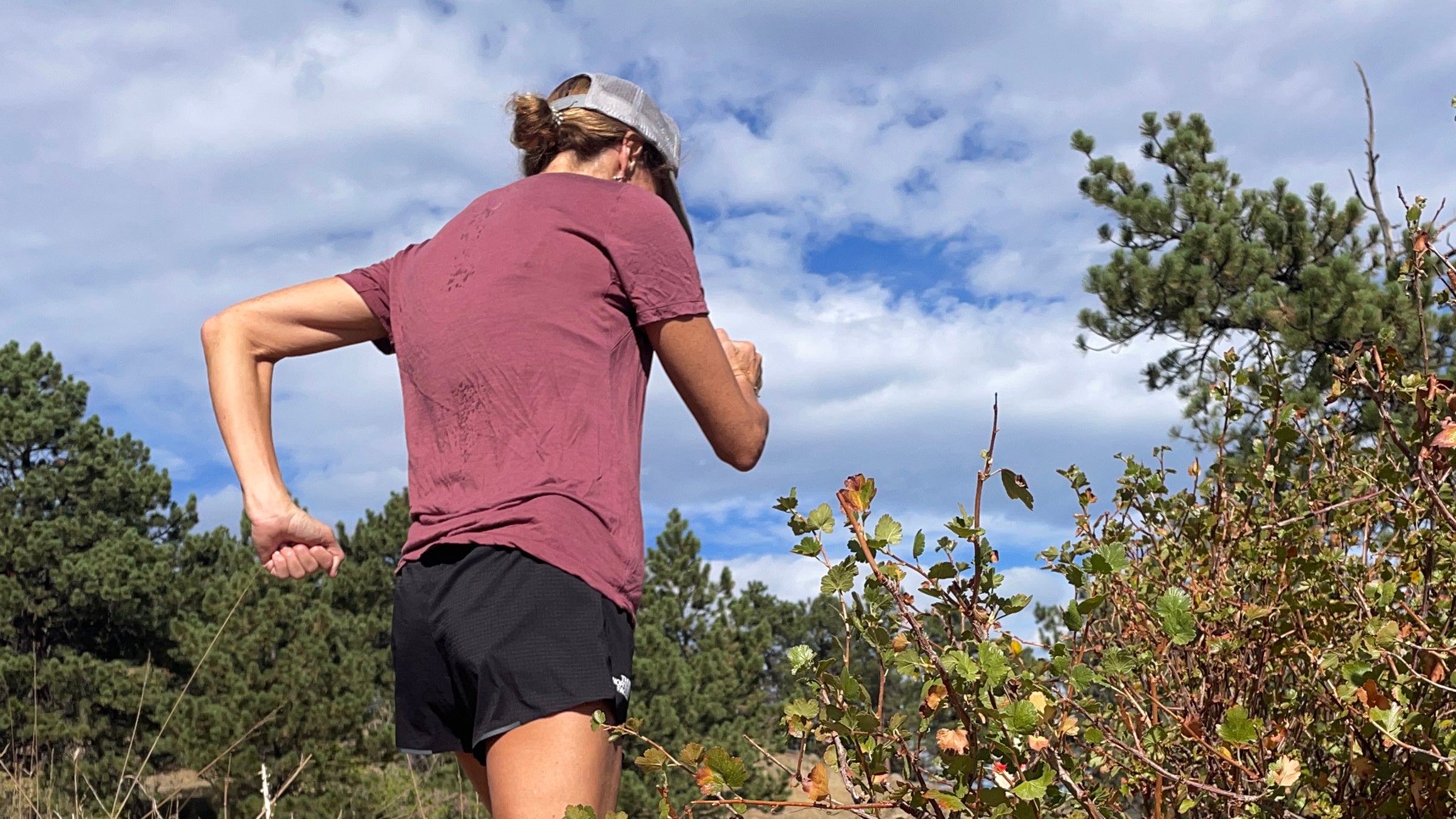
Conversely, when an athlete’s core temperature rises during strenuous exertion, the hygroscopic nature of wool allows individual fibers to absorb water vapor directly into their chemical structure before it condenses into liquid sweat. This absorption process releases a small amount of heat of sorption, which actually prevents the sudden chilling sensation often experienced when sweat evaporates too rapidly from synthetic garments. Once the micro-climate beneath the garment becomes saturated, the fibers release moisture outward, maintaining a stable thermal equilibrium even as outdoor temperatures swing drastically.
Furthermore, the integration of natural fibers addresses a critical environmental concern within the outdoor recreation sector. According to textile industry research, the laundering of synthetic garments is a primary contributor to microplastic pollution in global waterways. Every cycle of a washing machine releases thousands of microscopic plastic fibers from polyester and nylon textiles into wastewater systems, eventually infiltrating marine ecosystems. Merino wool, being a protein-based natural fiber, is fully biodegradable, decomposing safely in soil or marine environments without leaving persistent synthetic residues.
Industry Evolution and the Rise of Technical Wool Blends
The resurgence of wool in activewear is not a regression to primitive materials, but rather the result of advanced textile engineering. Pure 100% wool fabrics, while excellent for insulation, often lack the structural durability and recovery required for high-friction athletic movements. To overcome this, textile manufacturers have increasingly turned to hybrid fiber engineering, blending Merino wool with complementary synthetic or plant-based filaments.
Modern performance shirts frequently utilize core-spun technology, wrapping Merino wool fibers around a nylon or recycled polyester filament. This technique harnesses the natural odor-resistance, softness, and thermal regulation of wool on the exterior and skin-facing layers, while utilizing the high tensile strength and elasticity of synthetic polymers at the core. Similarly, blends incorporating Tencel—a sustainably harvested cellulosic fiber derived from wood pulp—enhance breathability and provide an exceptionally smooth hand-feel, broadening the utility of the garment from intensive trail runs to all-day wear.
Industry analysts note that this versatility has fundamentally altered consumer purchasing habits. Apparel designed with minimalist aesthetics, subdued earth tones, and low-profile branding allows athletes to transition seamlessly from professional or domestic environments to outdoor training sessions without the necessity of specialized wardrobe changes. This multifunctionality reduces overall apparel consumption, aligning with circular economy principles increasingly emphasized by leading outdoor brands.
Market Trends and Leading Product Innovations
The commercial viability of technical wool blends is reflected in the current autumn product lines of major outdoor equipment manufacturers. Brands specializing in natural-fiber performance have refined their fabric weights and blend ratios to optimize both comfort and durability.
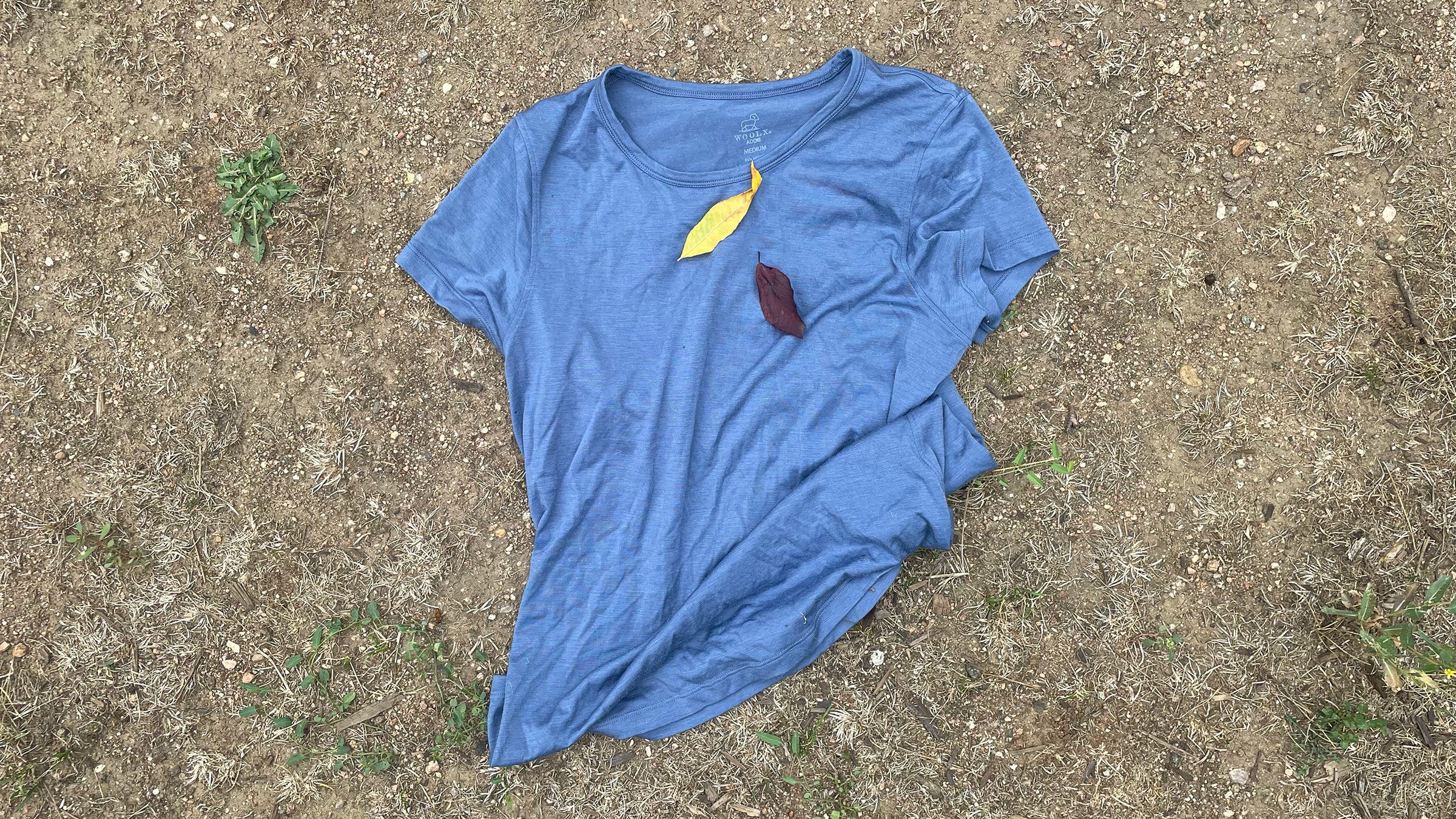
The Woolx Addie Tee exemplifies the application of high-percentage Merino in activewear. Constructed from 85 percent Australian Merino wool reinforced with 12 percent nylon and 3 percent spandex, the garment achieves significant horizontal stretch while maintaining structural recovery over extended use. Utilizing a lightweight 150g/m² knit, the shirt provides thermal management suitable for variable mountain climates, demonstrating the viability of wool in dynamic, multi-day outdoor expeditions.
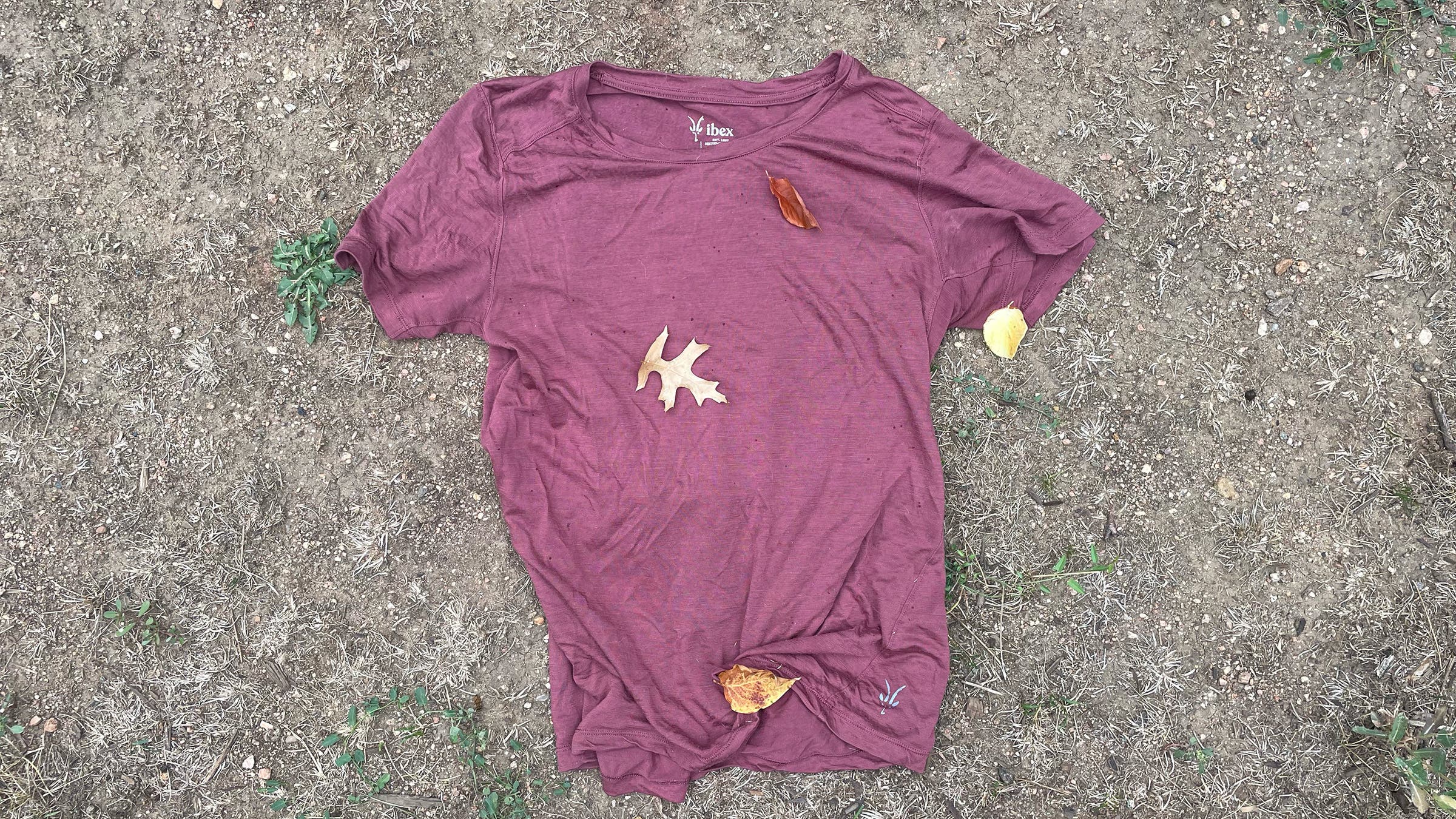
Similarly, the Ibex Paradox Short Sleeve Crewneck highlights the integration of plant-based sustainability with animal fibers. By combining 45 percent Merino wool with 45 percent Tencel and 10 percent nylon, the garment achieves a remarkably soft texture while preserving the moisture-handling characteristics required for trail running. The inclusion of Tencel enhances cooling efficiency, proving advantageous during unseasonably warm autumn afternoons.
Patagonia’s Capilene Cool Merino Blend Shirt represents a different approach to hybrid engineering, prioritizing ultra-lightweight performance through a 115–120g/m² fabric weight. Composed of 65 percent Responsible Wool Standard-certified wool and 35 percent recycled polyester jersey, the shirt incorporates active styling elements such as side notches and a dropped back hem to maximize mobility and coverage. The utilization of certified wool addresses growing consumer demand for ethical sourcing and animal welfare transparency within the agricultural supply chain.
Broader Economic and Environmental Implications
The expanding market share of natural and blended performance apparel signals a broader recalibration within the global textile industry. As regulatory bodies in North America and Europe increasingly scrutinize microplastic pollution and greenwashing claims, apparel brands face mounting pressure to verify the lifecycle impacts of their product lines.
The shift toward certified sustainable wool standards, such as the Responsible Wool Standard (RWS) and ZQ Merino accreditation, establishes rigorous benchmarks for land management, animal welfare, and social responsibility throughout the supply chain. These certifications provide consumers with verifiable data regarding the origin of their garments, contrasting sharply with the opaque supply chains historically associated with virgin petroleum-based synthetics.
At the same time, economic headwinds—including fluctuating global wool prices and competition from chemically recycled synthetics—present ongoing challenges for manufacturers. However, consumer willingness to invest in durable, multi-use garments that perform across diverse environments suggests that natural fibers will retain a vital role in technical apparel design.
Ultimately, the growing popularity of Merino wool for autumn athletics underscores a maturation in consumer priorities. Athletes are no longer evaluating gear solely on isolated performance metrics like drying speed or weight, but are increasingly factoring in comfort, longevity, odor management, and ecological footprint. As material science continues to refine the synergy between natural fibers and high-performance engineering, the boundary between technical sportswear and sustainable everyday apparel will continue to dissolve, offering a glimpse into the future of responsible outdoor recreation.



 Susilo Edi Turonggo
 Tatiana Tantri Indah Sari
 Budi Mulyono
 Lukman Taruna Persada Ramadan
 Gabriela Annisa