
 Susilo Edi Turonggo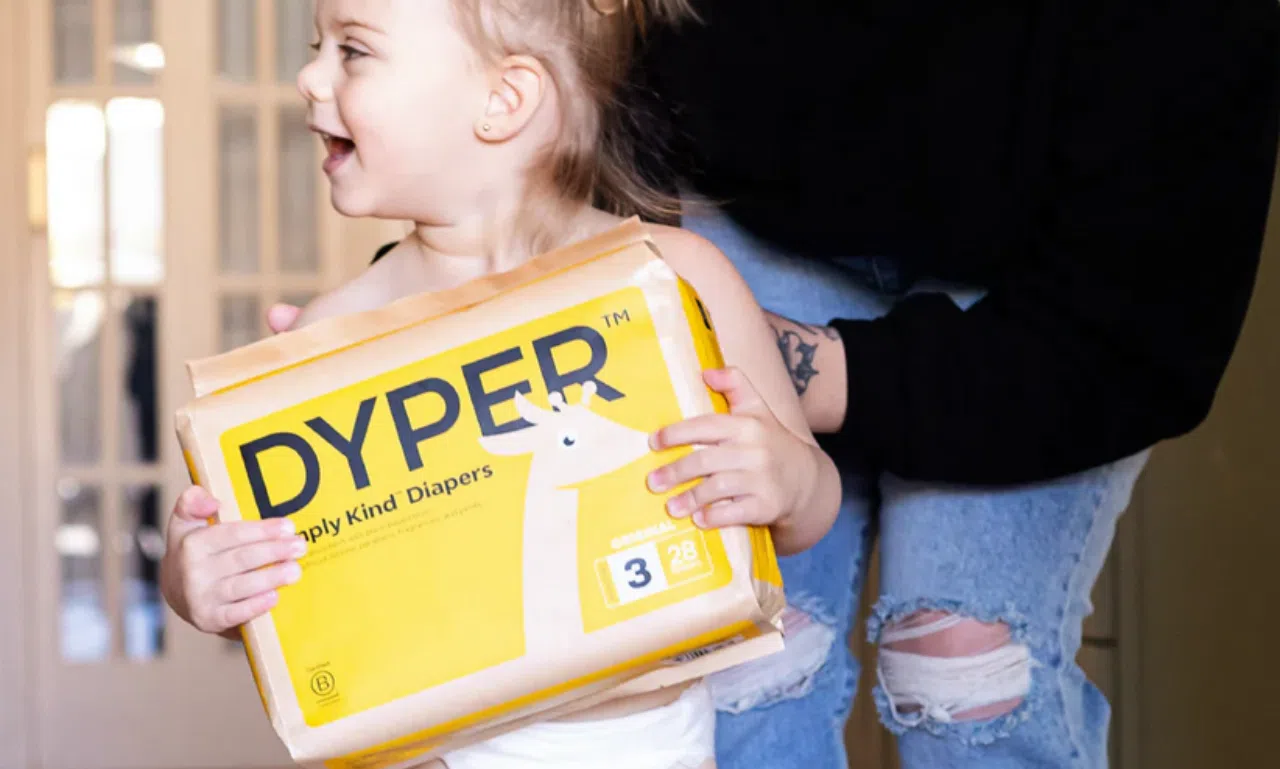
The staggering volume of waste generated by infants represents a significant environmental challenge, with traditional disposable diapers standing out as a primary contributor to landfills globally. While the convenience of single-use diapers is undeniable for modern, busy parents, the ecological footprint and potential health implications associated with their conventional counterparts are prompting a critical re-evaluation within the industry and among consumers.
The Unseen Burden: The Scale of Diaper Waste
Estimates suggest that an average baby will utilize approximately 6,000 diapers within their first two years of life. This figure, when extrapolated across national and global populations, translates into billions of disposable diapers entering landfills annually. In the United States alone, it is projected that 20 to 30 billion disposable diapers are discarded each year, making them the third-largest single consumer item by volume in landfills. These products, predominantly composed of plastics, super-absorbent polymers, and wood pulp, can take anywhere from 200 to 500 years to decompose. During this prolonged decomposition period, they contribute to landfill volume, leach potentially harmful chemicals into the soil and groundwater, and contribute to methane gas production, a potent greenhouse gas. The sheer scale of this waste stream underscores an urgent need for more sustainable alternatives.
Historically, reusable cloth diapers have been presented as the primary eco-friendly option. While commendable in principle, the practicalities of washing, drying, and managing cloth diapers can be prohibitive for many parents juggling work, childcare, and other responsibilities, making them an impractical solution for a significant portion of the population. This gap in the market—the need for both convenience and sustainability—has paved the way for innovative solutions like those offered by companies such as Dyper.
Beyond Waste: The Health Implications of Conventional Diapers
The environmental impact of traditional disposable diapers is only one facet of the problem; a less visible but equally concerning issue lies in their chemical composition and potential health implications for infants. Many conventional single-use diapers contain a cocktail of synthetic materials and chemicals, some of which are cause for alarm. These can include phthalates, parabens, fragrances, dyes, chlorine-based bleaching agents, and volatile organic compounds (VOCs).
Phthalates, for instance, are plasticizers used to make plastics more flexible and durable. They have been linked to endocrine and reproductive disorders in various studies. Parabens, often used as preservatives, can mimic estrogen and are also considered endocrine disruptors. Fragranced diapers, a perplexing addition for many parents, often contain undisclosed chemical mixtures that can trigger allergic reactions and skin sensitivities. Chlorine bleaching, used to achieve a pristine white appearance, can produce dioxins, which are known carcinogens and persistent environmental pollutants.
The delicate skin of an infant, particularly in the sensitive diaper area, is highly permeable, making babies potentially more vulnerable to exposure from these chemicals. Reported health issues linked to conventional diaper components include acute skin rashes, allergic reactions, respiratory irritation, and even long-term concerns such as testicular cancer later in life. A critical regulatory oversight further exacerbates this concern: the Consumer Product Safety Commission (CPSC) in the U.S. currently requires only that baby diapers be tested for lead content. There are no mandatory testing requirements for a host of other potentially harmful chemicals, including known carcinogens, endocrine-disrupting chemicals, or allergens. This regulatory void places the onus on parents to diligently research and select products, highlighting a systemic need for greater transparency and stricter safety standards within the industry.
A New Vision Emerges: The Genesis of Dyper
The catalyst for change often arises from personal experience combined with an analytical mind. For Tony Patron, co-founder of REDYPER™ and later Dyper, the turning point came from a simple, yet profound observation: the weekly sight of overflowing municipal trash bins, predominantly filled with plastic-laden disposable diapers. As a new father, Patron not only experienced the logistical challenge of diaper disposal firsthand but also possessed an engineering background that compelled him to seek a fundamental solution to this pervasive problem.
His initial exploration led him to investigate existing companies attempting to produce compostable diapers. Recognizing the potential for synergy and a shared vision, Patron and his business partner eventually merged efforts with a similar manufacturing entity. This collaboration marked the formal inception of Dyper, a company conceived with a dual mission: to create high-performing, non-toxic, plant-based diapers and to establish a viable, scalable system for their responsible disposal through composting. The objective was clear: significantly reduce both household waste and the environmental burden posed by conventional diaper disposal.

The foundation of Dyper was built on the premise that parents should not have to compromise between convenience, their child’s health, and environmental responsibility. The company embarked on an ambitious journey to re-engineer the disposable diaper, moving away from petrochemical-derived plastics and questionable chemical additives towards materials rooted in nature.
Innovating for a Greener Future: Dyper’s Product Philosophy
Dyper’s core philosophy is encapsulated in its mantra: "plants over plastic for happy babies." This guiding principle drives every aspect of its product development, material sourcing, and waste management strategy. The company’s product team meticulously researches and tests materials to ensure that the vast majority of a Dyper diaper’s components are biodegradable. While some advanced technologies, such as the specialized velcro fasteners required for reliable closure, are not yet available in fully biodegradable forms that meet performance standards, Dyper remains committed to continuous innovation and seeking sustainable alternatives for every element.
Tony Patron emphasizes the company’s unwavering commitment to product excellence: "Our goal is to provide a diaper that performs equally to any other diaper on the market in terms of absorbency, fit, and comfort, and ensuring that we don’t have any skin irritation." This dedication to performance is crucial for widespread adoption, as parents require reliability in a product designed for essential daily care.
To achieve its sustainability and safety objectives, Dyper primarily utilizes plant-based materials. This includes US-grown FSC-certified bamboo and eucalyptus fibers, ensuring that the raw materials are sourced from responsibly managed forests. The viscose bamboo used in their products comes from an Oeko-Tex certified supplier, guaranteeing that it has been tested for harmful substances and is safe for human health. Furthermore, Dyper champions transparency by clearly labeling each layer of its diapers with its specific components, empowering conscious parents to make informed choices.
The brand’s commitment to environmental stewardship is further underscored by its certifications. Dyper diapers are certified USDA BioPreferred 55% Product, indicating that at least 55% of their content is derived from biological resources. Their wipes achieve an even higher standard, certified USDA BioPreferred 95% Product. Beyond material composition, the diapers themselves meet rigorous Oeko-Tex standards, ensuring they are free from harmful substances. Most recently, Dyper obtained the prestigious DermaTest 5-Star Certification, an independent dermatological testing seal that guarantees the products will not cause any skin reactions, a critical assurance for parents concerned about their baby’s delicate skin. To validate its claims of non-toxicity and compostability, Dyper also regularly subjects its products to testing by third-party laboratories, providing an additional layer of independent verification.
Plants Over Plastic: Performance Meets Purity
The deliberate choice of plant-based materials without harmful chemical additives allows Dyper to produce diapers free from common irritants such as phthalates, latex, parabens, chlorine, alcohol, and perfumes often found in conventional supermarket diapers. These natural fibers are inherently gentler on a baby’s delicate skin, significantly reducing the risk of diaper rash and allergic reactions. This focus on purity extends beyond the baby’s skin to the broader environment, as the materials are responsibly sourced, minimizing ecological impact from the initial stages of production.
Crucially, Dyper understands that sustainability cannot come at the expense of functionality. The diapers are engineered for high performance, designed to be as absorbent and leak-proof as their conventional counterparts. This dual commitment ensures that parents do not have to choose between an eco-friendly product and one that effectively keeps their baby dry and comfortable. The advanced design, utilizing the natural wicking properties of bamboo and eucalyptus, provides excellent absorbency and helps maintain a dry environment for the baby’s skin, which is paramount for preventing irritation.
The "plants over plastic" philosophy extends beyond the diaper itself to the packaging. Dyper employs sustainable packaging materials wherever feasible, further reducing its overall environmental footprint. This holistic approach means that every touchpoint, from raw material sourcing to final packaging, is scrutinized for its environmental impact. By offering a product that excels in both performance and ecological responsibility, Dyper effectively bridges the gap between convenience and sustainability, empowering parents to make choices that benefit both their children and the planet.
The REDYPER Program: Closing the Loop on Diaper Waste
Recognizing that even the most biodegradable diaper would still contribute to landfill waste if not properly managed, Dyper developed its groundbreaking REDYPER™ program. This optional, first-of-its-kind service provides a practical solution for the proper disposal and composting of used Dyper diapers and wipes. The program operates through a convenient pickup service, available in many regions across the United States, allowing parents to return used diapers and wipes for industrial composting.
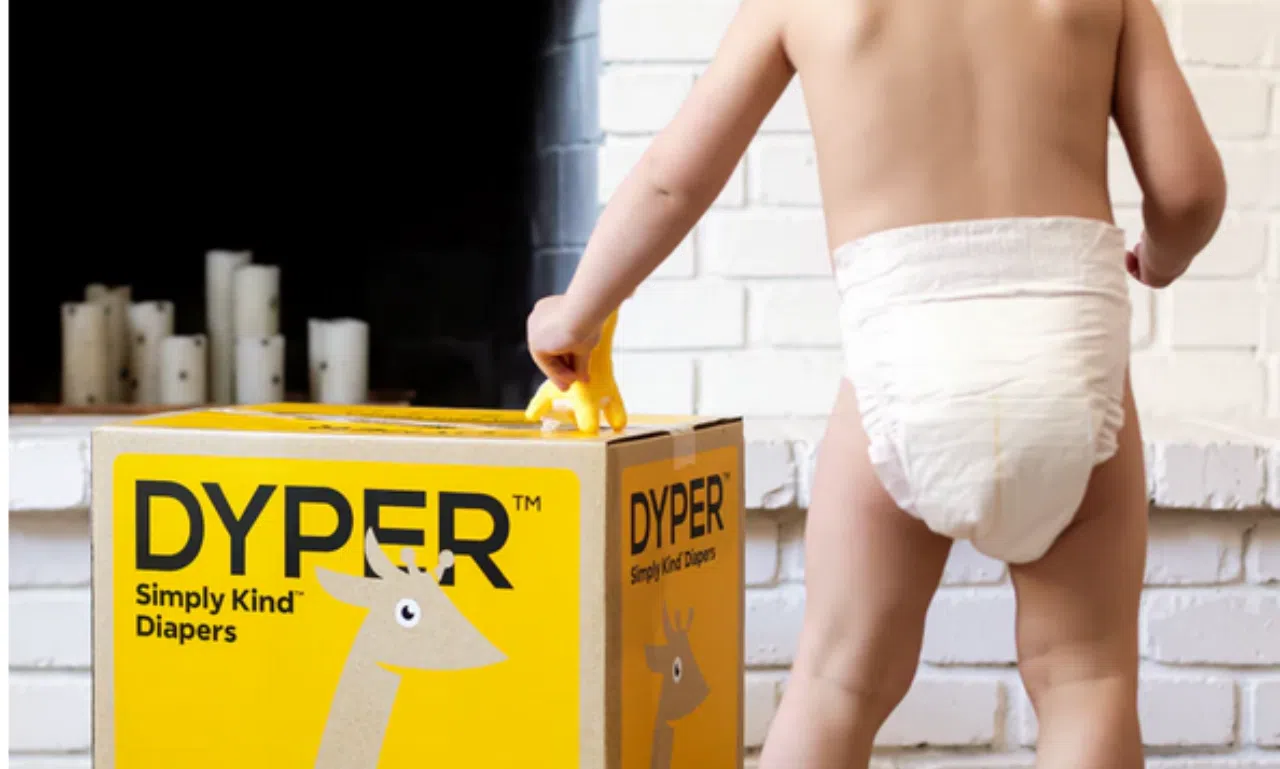
Upon collection, the used products are transported to partner composting facilities. These facilities are equipped to handle the specific conditions required for industrial composting, where controlled temperature, moisture, and aeration accelerate the decomposition process. The plant-based materials in Dyper products can break down significantly within 14 to 16 weeks in such environments. While the majority of the diaper materials are compostable, certain non-biodegradable components, such as the aforementioned velcro, are carefully separated and removed from the compost stream for appropriate disposal, ensuring the integrity of the resulting compost.
The impact of the REDYPER program has been substantial. As of its latest reporting, the initiative has successfully diverted over 14 million pounds of used diapers and wipes from landfills. This represents a tangible and significant step towards mitigating the environmental crisis posed by diaper waste. The program not only prevents these items from contributing to landfill bulk and methane emissions but also potentially transforms them into nutrient-rich compost that can be used to enrich soil, completing a circular economy model for infant care products.
The logistical complexity of establishing and scaling such a program across diverse geographical regions is considerable, requiring partnerships with local waste management companies and composting facilities. Despite these challenges, Dyper’s commitment to expanding the REDYPER service demonstrates a pioneering spirit in tackling one of the most persistent waste problems in modern consumerism.
Market Dynamics and Consumer Shift
The emergence and growth of companies like Dyper reflect a broader trend in consumer behavior: the increasing demand for sustainable and ethically produced goods, particularly within the parenting sector. Modern parents are often more informed and environmentally conscious than previous generations, seeking products that align with their values for health, safety, and ecological responsibility. This shift is driving innovation across various industries, from organic food to eco-friendly cleaning supplies, and now, increasingly, to baby care.
The disposable diaper market is vast and traditionally dominated by a few large corporations offering conventional plastic-based products. Dyper’s entry into this market signifies a disruptive force, challenging established norms and demonstrating the viability of premium, plant-based alternatives. While these specialized products may sometimes carry a higher price point—often referred to as the "green premium"—many parents are increasingly willing to invest in products that offer superior health benefits for their children and a reduced environmental impact.
The company’s subscription model and one-time purchasing options, coupled with the optional REDYPER service, cater to the modern consumer’s desire for convenience and customization. This integrated approach, offering both a superior product and a responsible disposal solution, sets a new benchmark for the industry and empowers parents to participate actively in sustainable practices without undue burden.
Challenges and the Path Forward
Despite its successes, Dyper, and the broader sustainable diaper industry, face ongoing challenges. Achieving 100% biodegradability in all components while maintaining critical performance standards remains an ambitious goal. Scaling the REDYPER program to ensure widespread availability and affordability in every state and region requires continuous investment in infrastructure, logistics, and community partnerships. Consumer education is also vital, as many parents may still be unaware of the environmental and health issues associated with traditional diapers or the existence of viable, sustainable alternatives.
Nevertheless, Dyper’s trajectory illustrates a powerful commitment to redefining infant care. By prioritizing plant-based materials, rigorous testing, transparency, and an innovative composting program, Dyper is not just selling diapers; it is advocating for a paradigm shift in how society approaches convenience, waste, and responsibility. The company’s achievements, including the diversion of millions of pounds of waste from landfills, serve as a compelling testament to the potential for sustainable business models to address pressing environmental and health concerns. As the conversation around environmental stewardship and consumer product safety continues to evolve, companies like Dyper are at the forefront, proving that it is possible to offer high-performing products that are kind to babies, parents, and the planet alike.




 Anjar Salim
 Chandra Hamzah
 Tatiana Tantri Indah Sari
 Budi Mulyono
 Lukman Taruna Persada Ramadan
