
 Cholid Fahmi Thalib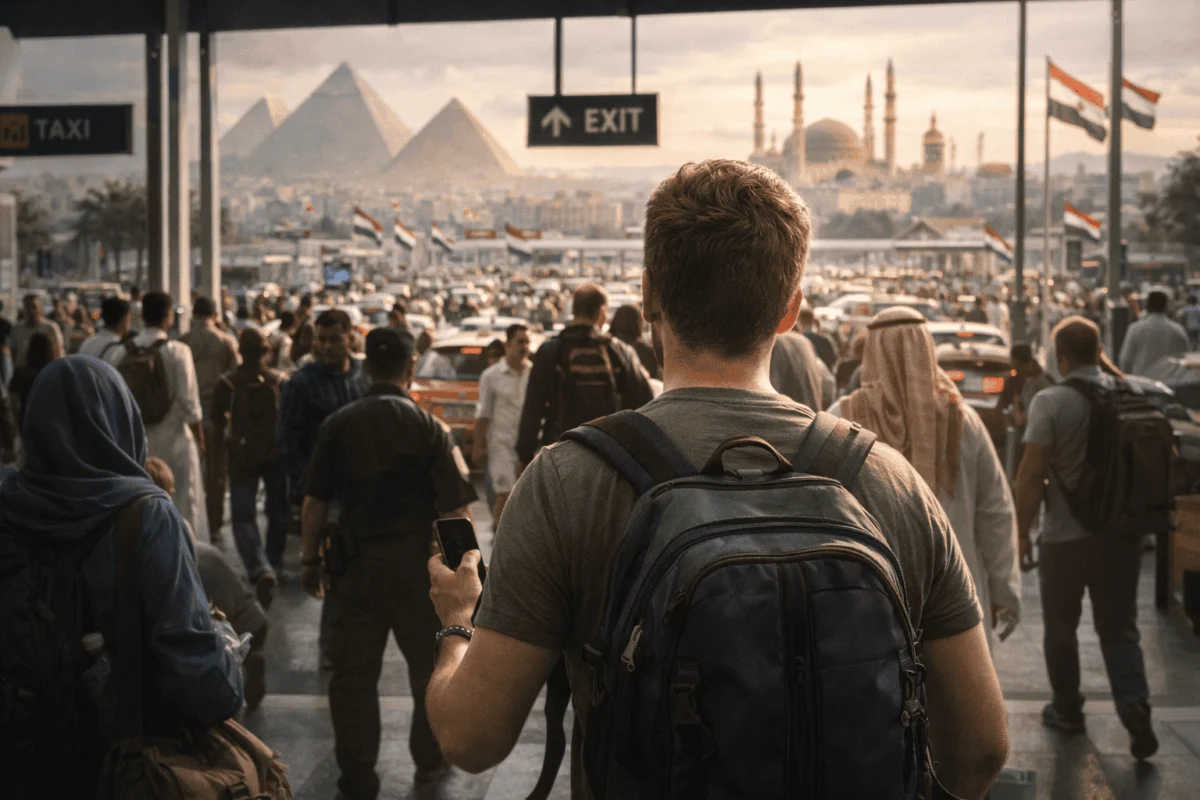
Traveling to Egypt for the first time often comes laden with a significant amount of preconceived notions and anxieties, largely shaped by media narratives and cautionary tales. Many prospective visitors find themselves in a state of conflicted anticipation, where the allure of ancient wonders battles with concerns about safety and cultural differences. This internal debate is a common precursor to arrival, but it is precisely upon stepping onto Egyptian soil that these pre-existing expectations begin to unravel, revealing a reality far more nuanced and often surprisingly different from the one imagined. This report delves into the multifaceted experience of first-time travelers to Egypt, moving beyond idealized portrayals to offer an honest account of the sensory overload, the gradual adaptation, the unexpected human connections, and the profound impact of encountering a civilization that is simultaneously ancient and vibrantly contemporary.
The initial immersion into Egypt is invariably a sensory inundation. The moment one exits the airport, the auditory landscape shifts dramatically. A symphony of car horns, animated conversations, and distant music fills the air, creating a constant hum of activity. The atmosphere itself feels denser, a palpable blend of heat, dust, and the ceaseless motion of a population on the move. This immediate sensory assault can be overwhelming, prompting a fleeting moment of doubt about the decision to travel to this North African nation. However, as the initial shock subsides, a different observation emerges: amidst the apparent chaos, there is an underlying order. People navigate the bustling streets with a clear sense of purpose, and systems, though perhaps unfamiliar in their execution, are demonstrably in place. This realization fosters a subtle shift from apprehension to a tentative acceptance, as Egypt reveals itself not as a place intent on intimidating visitors, but simply as a nation with its own distinct rhythm and operational logic.
The first day in Egypt is often characterized by an intense period of adjustment. The combination of jet lag, sensory overload, and the effort to process an entirely new cadence of daily life can make even routine tasks feel challenging. Crossing a busy street, for instance, can transform into an exercise in strategic navigation, where perceived traffic regulations seem more like suggestions than strict rules. The concept of personal space, too, operates differently, with a greater degree of physical proximity being commonplace. Despite these initial hurdles, the human capacity for adaptation is remarkable. By the close of the first day, many travelers find themselves reflecting on their earlier anxieties with a sense of amusement, having already begun to discern patterns in the flow of traffic and pedestrian movement. The ability to distinguish opportune moments for crossing roads, hail a taxi, or simply wait for a gap in the flow of vehicles develops with surprising speed. This initial period of discomfort, while real, proves to be a temporary phase, quickly giving way to burgeoning curiosity and a desire to explore further.
Culture shock in Egypt often manifests not through dramatic events, but through a series of subtle, yet significant, differences in social interaction and the perception of time. Directness in conversation is a common characteristic; strangers may readily inquire about one’s origins, travel plans, and impressions of the country. While this can initially feel intrusive to those accustomed to more reserved social norms, it often evolves into a perception of genuine human connection and openness. The Egyptian approach to time is notably more fluid than in many Western cultures. Plans can be subject to change, and delays are not uncommon. Resisting this flexibility often leads to frustration, whereas embracing it allows for a more relaxed and adaptable travel experience. Furthermore, unsolicited acts of kindness are a recurring theme. A local might offer directions without prompting, a shopkeeper might extend hospitality without expecting a sale, or a family might invite a visitor to share tea simply out of goodwill. These moments of unexpected assistance and warmth serve to mitigate the unfamiliarity of the surroundings, fostering a sense of comfort and belonging.
Navigating transportation systems is frequently cited as a primary concern for first-time visitors to Egypt. The visual impression of Egyptian roads, with their dynamic traffic patterns, and the older infrastructure of some train services can be intimidating. While ride-sharing applications offer a modern convenience, their functionality can sometimes be inconsistent. The initial approach to transportation often involves a degree of overthinking, with questions arising about the safety of specific taxis, the fairness of fares, and the accuracy of navigation. However, with experience, a sense of confidence begins to develop. Travelers come to understand that the majority of drivers are professionals navigating their daily routines, and they develop a more intuitive grasp of reasonable transportation costs. The panic associated with GPS rerouting or unexpected detours gradually dissipates, replaced by a pragmatic acceptance of the local transit landscape. Many experts suggest that familiarizing oneself with firsthand accounts of daily life and transportation in Egypt, through resources like Inside Egypt, can demystify these aspects, transforming the initial days from a period of guesswork into an opportunity for genuine exploration and discovery.
Addressing the prevalent question of safety is crucial. Egypt, while presenting a different security environment than many Western destinations, is not inherently dangerous. Tourist areas are typically well-patrolled, and locals often demonstrate a protective attitude towards visitors. While media reports may highlight isolated incidents, widespread serious issues affecting tourists are statistically less common than often portrayed. Prudent travel practices, such as maintaining situational awareness, avoiding ostentatious displays of wealth, and trusting one’s instincts, are universally applicable and highly effective in Egypt. The surprising realization for many first-time travelers is how quickly an initial sense of caution can recede, replaced by feelings of comfort, familiarity, and an increasing ease of movement throughout the country. This transition underscores the importance of distinguishing between a different environment and a dangerous one.
The lasting impression of Egypt for many first-time visitors is not solely derived from its monumental historical sites, but profoundly from its people. Interactions are frequent and organic, occurring in taxis, cafés, and during everyday queues. Egyptians are often characterized by their curiosity and a genuine interest in understanding the experiences of visitors. This conversational openness, coupled with a palpable sense of national pride, even amidst acknowledgment of societal challenges, creates a rich tapestry of human connection. Hospitality in Egypt is not a staged performance but an ingrained cultural trait, manifesting in small but meaningful gestures: an extra portion of food offered, a chair pulled closer without being asked, or a stranger stepping in to assist without any expectation of reward. These cumulative encounters leave an indelible mark, contributing significantly to the overall travel experience.
While the iconic landmarks of Egypt, such as the Pyramids of Giza and the temples of Luxor, are undeniably awe-inspiring, their significance is often amplified by their integration into the fabric of contemporary Egyptian life. The sheer scale and antiquity of these sites are difficult to comprehend, evoking a sense of surreal wonder. However, what often surprises first-time visitors is the seamless coexistence of these ancient wonders with the vibrant pulse of modern Egypt. Bustling city streets often run alongside millennia-old ruins, children play football in the shadows of historical monuments, and modern cafés are situated in close proximity to temples that predate recorded history. This dynamic interplay reveals Egypt not as a static historical exhibit, but as a living, breathing nation where the past and present are intricately interwoven. Recognizing this multifaceted identity transforms the country from a mere postcard image into a tangible and deeply real destination.
The emotional landscape of traveling through Egypt can be quite dynamic. One moment, a traveler might feel overwhelmed and fatigued, grappling with the challenges of navigating unfamiliar customs and logistics. The next, they might find themselves in a moment of quiet contemplation amidst breathtaking beauty, experiencing a profound sense of gratitude for the opportunity to be present. This emotional fluctuation can be unexpected for many first-time visitors, as Egypt does not typically offer a gentle acclimatization process. Instead, it demands engagement, patience, and often, a degree of humility. In return, however, it offers immense rewards in the form of awe, broadened perspective, and enduring stories that resonate long after the journey concludes. The intensity of these emotional highs and lows is an integral part of the Egyptian travel experience, contributing to its profound impact.
A common misstep for many first-time travelers to Egypt is an attempt to exert excessive control over their itinerary. This often translates into over-scheduling, rigid adherence to planned timings, and an expectation that all aspects of the trip will unfold precisely as anticipated. Such an approach frequently proves counterproductive. Egypt, in contrast, rewards flexibility and an open-minded attitude. Leaving room for unforeseen delays, spontaneous detours, and unplanned interactions allows for a richer and more authentic experience. Shifting the focus from meticulously checking off a list of sights to actively observing and engaging with the environment fosters a deeper connection with the country. Furthermore, a tendency to compare Egypt to other travel destinations can be misleading. The nation possesses a unique character and a distinct cultural identity that defies direct parallels, and it is best appreciated on its own terms.
Ultimately, the question of whether Egypt is a worthwhile destination for a first-time traveler hinges on individual travel aspirations. For those who seek predictability and seamless convenience in every aspect of their journey, Egypt may present considerable challenges. However, for individuals who embrace a degree of discomfort, approach new experiences with curiosity, and are open to moments that defy neat categorization, Egypt can offer an unforgettable and transformative experience. The inaugural trip to Egypt is rarely perfect; it is often characterized by confusion, occasional exhaustion, and profound memorability. A complete understanding of every nuance is not necessarily the goal, nor is it entirely achievable within a single visit. It is precisely this complexity and the lingering questions that contribute to the country’s enduring appeal and its ability to remain a vivid presence in the traveler’s memory long after departure. Egypt does not seek to impress with superficial politeness; rather, it engages visitors authentically, acknowledging both its strengths and its imperfections, and inviting a reevaluation of one’s perspective on the world. The overwhelming response from those who undertake this journey is a testament to its unique and captivating power.



 Anjar Salim
 Chandra Hamzah
 Tatiana Tantri Indah Sari
 Budi Mulyono
 Lukman Taruna Persada Ramadan
