
 Anjar Salim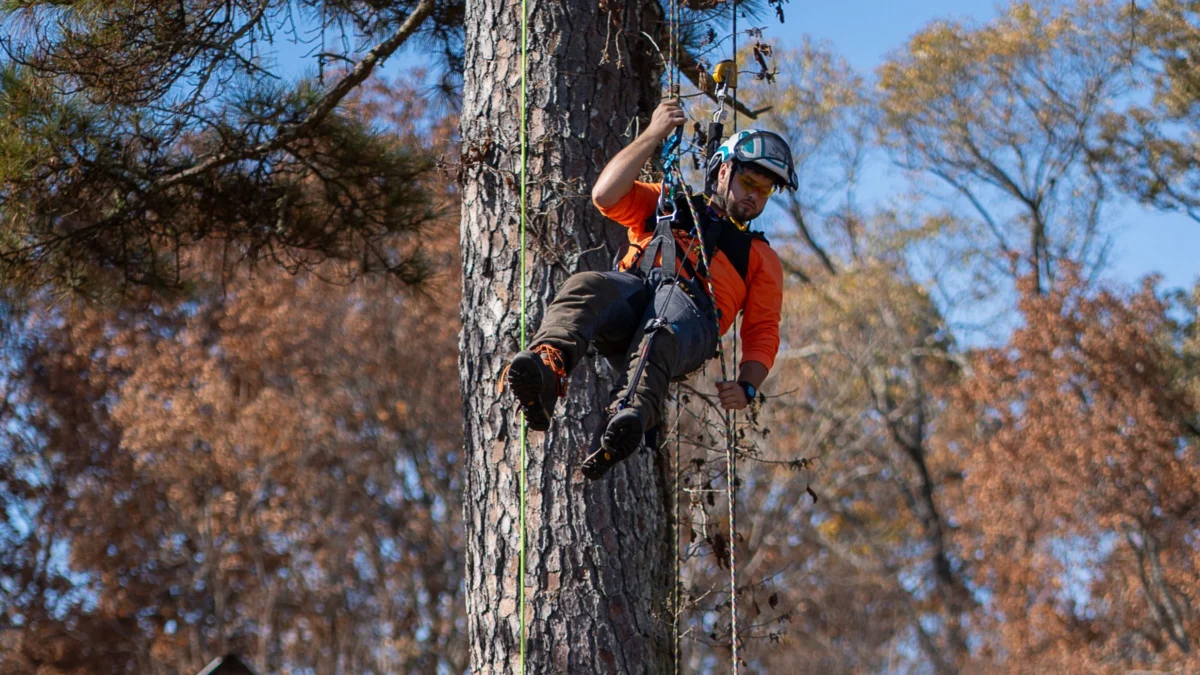
The 2026 Georgia Tree Climbing Championship concluded this week at Violet F. Stout Park in Lithia Springs, serving as a high-stakes demonstration of the technical skill, safety protocols, and environmental expertise required in the modern arboriculture industry. Organized by the Georgia Arborist Association (GAA) and sanctioned by the International Society of Arboriculture (ISA), the two-day event brought together 35 of the region’s most elite tree care professionals to compete in a series of challenges modeled after real-world field operations. While the atmosphere remained collegial, the competition underscored the inherent dangers of a profession that consistently ranks among the most hazardous in the United States, while highlighting the critical role arborists play in maintaining urban and rural ecosystems.
Technical Disciplines and the Simulation of Rescue
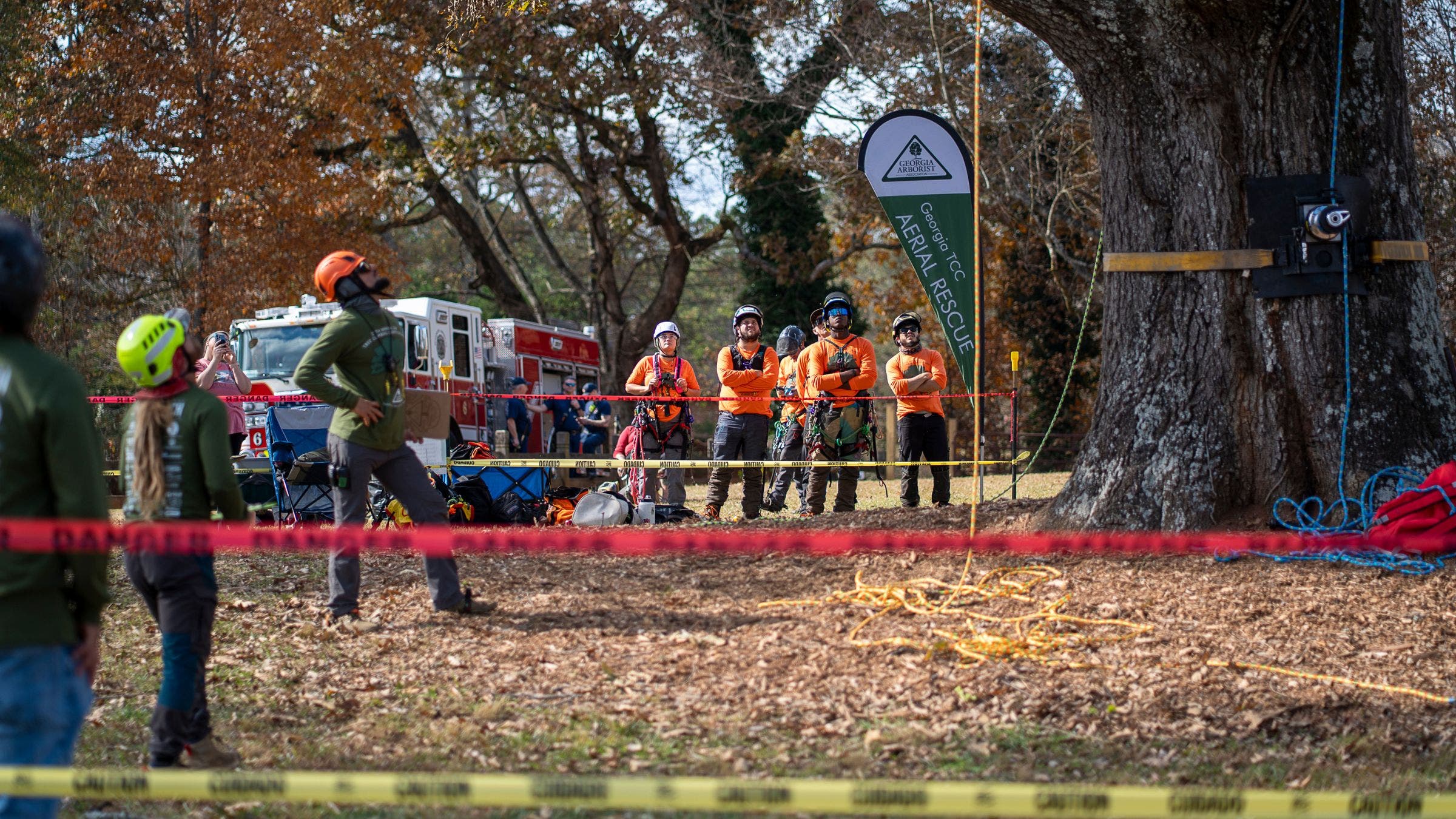
The championship featured five preliminary events designed to test specific facets of tree work: the Throwline, Work Climb, Open Ascent, Speed Climb, and Aerial Rescue. Each event was strictly timed and monitored by a panel of six judges who evaluated competitors on safety, efficiency, and technical proficiency.
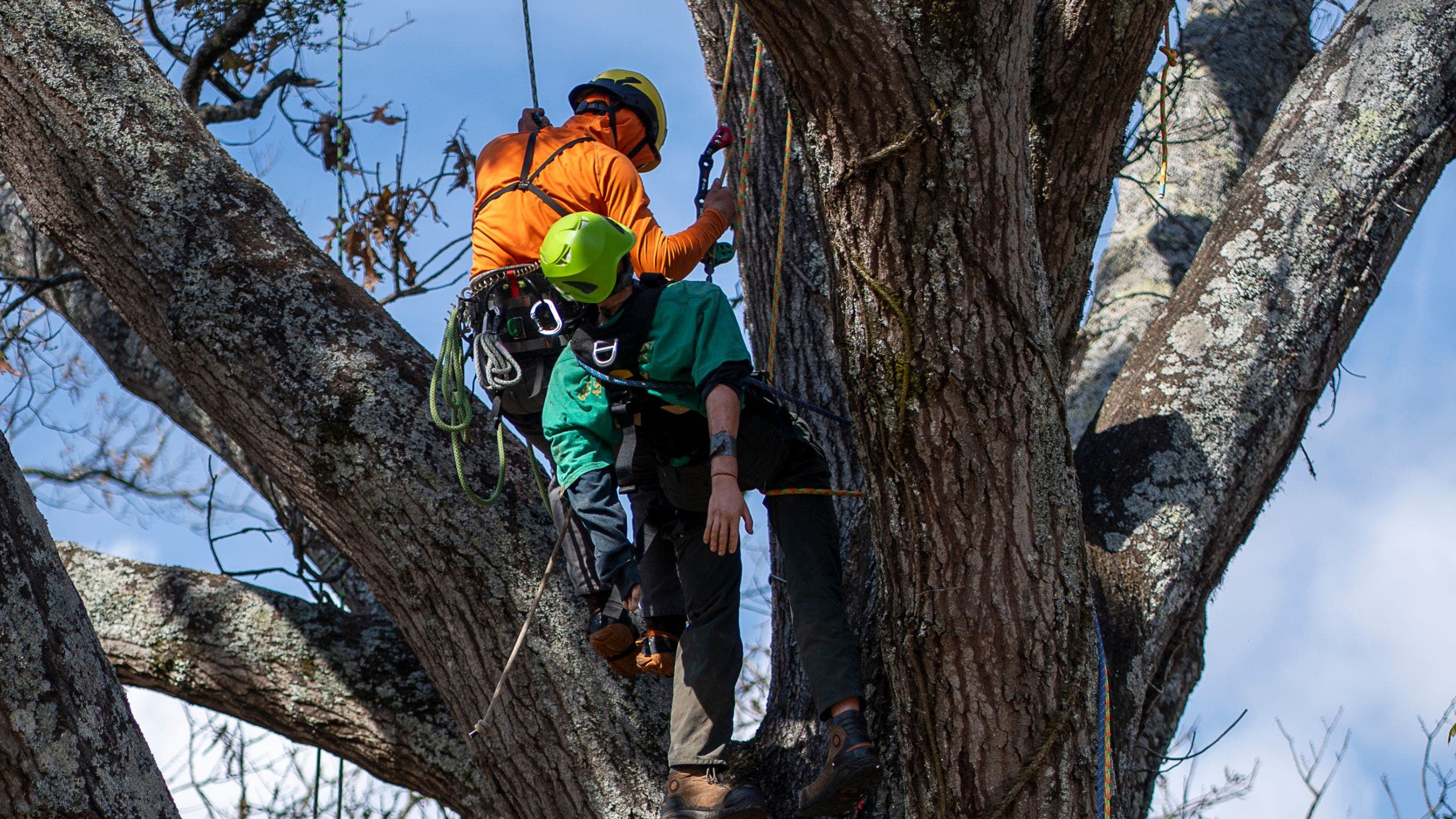
The Aerial Rescue event, arguably the most complex of the preliminary rounds, required climbers to respond to a simulated emergency. In this scenario, a weighted mannequin nicknamed "Camper Kyle" was suspended in the upper canopy of a mature red oak. Competitors were required to ascend the tree using self-rigged rope systems, reach the "injured" party, and safely lower them to the ground while maintaining constant communication with ground-based judges acting as emergency medical technicians (EMTs).
"EMTs, my name is David Loats. I’m trained in aerial rescue as a certified arborist," shouted competitor David Loats during his heat, illustrating the verbal protocols required for the event. According to Jessie McClellan, Executive Director of the Georgia Arborist Association, the requirement for constant verbalization ensures that climbers remain focused on the procedural safety standards that are vital during a high-stress rescue operation in the field.
The Professionalization of Arboriculture
The competition serves as a public-facing extension of an industry that has undergone significant professionalization over the last several decades. Within the trade, a distinction is made between "arborists"—general tree workers—and "Certified Arborists," who have earned credentials through the International Society of Arboriculture. As of 2026, approximately 32,000 certified arborists operate in the United States, specializing in fields ranging from Tree Risk Assessment to Utility Maintenance and Urban Forest Management.
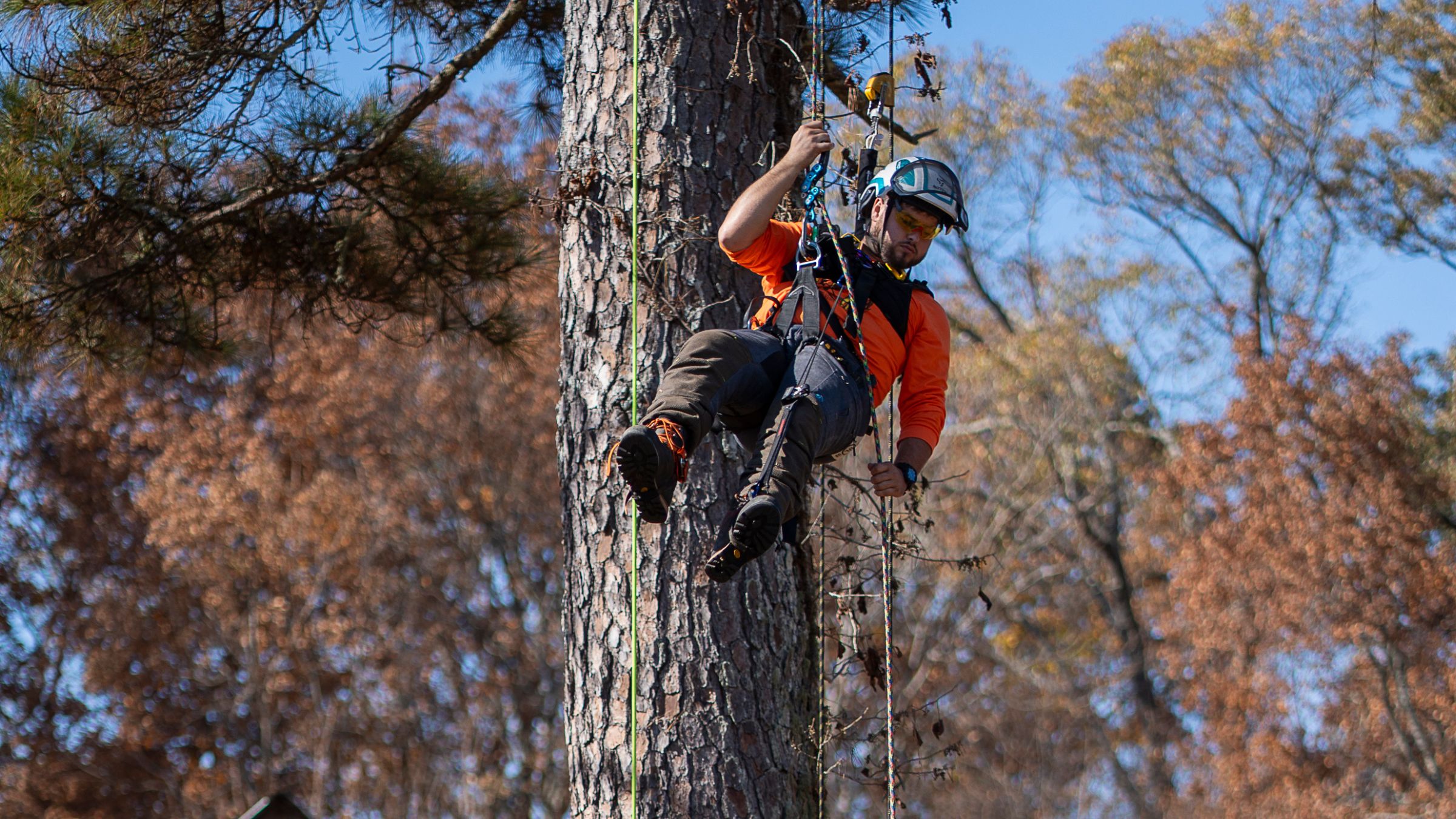
The path to the top of the profession is rigorous. The Board Certified Master Arborist (BCMA) credential, for instance, is held by only about 1,500 individuals nationwide. This level of expertise is reflected in the equipment used during the competition. Competitors utilized an array of specialized gear, including static and dynamic ropes, mechanical ascenders like the Rope Runner Vertec, and complex pulley systems.
Dan Bauer, owner of the Georgia-based firm Arbor Equity, noted that the demand for skilled climbers has led to competitive compensation within the sector. Bauer indicated that entry-level recruits, often sourced from high school Future Farmers of America (FFA) programs, can expect starting salaries between $60,000 and $70,000, provided they demonstrate the aptitude for the technical and physical rigors of the job.
Historical Context and Safety Standards
The Georgia Tree Climbing Championship is part of a global network of competitions that trace their origins to the 1976 "Tree Trimmer’s Jamboree" held in St. Louis, Missouri. What began as a local effort to improve safety protocols has evolved into the International Tree Climbing Championship (ITCC), with more than 60 regional events held annually across the United States and dozens more internationally.
Safety remains the primary driver of these events. The Bureau of Labor Statistics consistently identifies tree care as a high-risk occupation, with fatalities often resulting from falls, equipment failure, and contact with power lines. To mitigate these risks, the ISA maintains an 83-page rulebook that governs every aspect of the competition.
Before any climber could ascend, all equipment underwent a mandatory and exhaustive inspection. Rule compliance is absolute: all rope snaps must be self-closing and self-locking, and mechanical devices must have redundant backup systems. Any "unsafe act," as defined by the ISA, results in immediate disqualification. This zero-tolerance policy is intended to reinforce the habits that prevent workplace injuries.
Environmental Management and Park Relations
A significant portion of the championship was dedicated to the health of the trees themselves. Before the event, the Georgia Arborist Association conducted full risk assessments of the trees at Violet F. Stout Park, utilizing ground-penetrating radar to evaluate root health and soil stability.
To prevent soil compaction—a common cause of tree decline in high-traffic areas—the GAA applied layers of mulch around the base of the competition trees and administered growth regulators to specific oaks showing signs of "retrenchment," a natural aging process where a tree conserves energy by reducing its upper canopy.
Despite these precautions, the relationship between tree climbing and public land management remains complex. While county and city parks in Georgia frequently host these events, the State of Georgia has implemented a ban on competitive tree climbing in state-sanctioned parks. Austin Suhr, marketing and communications manager for Georgia State Parks, cited an "overabundance of safety and precaution" for both visitors and natural resources as the reason for the policy. The National Park Service (NPS) maintains a similar stance, emphasizing "Leave No Trace" principles to minimize human impact on protected ecosystems.
The Masters’ Challenge: A Display of Elite Skill
The competition culminated in the Masters’ Challenge, a final round featuring the top five performers from the preliminary events. Held on a gnarled, mature red oak on private property adjacent to the park, the challenge required competitors to demonstrate the full spectrum of their skills in a single, continuous climb.
Defending champion Jhonny Lopez and challenger Becca Haught were among the finalists who had to navigate the tree’s canopy, ring a series of bells representing work tasks, and descend to a precision target on the ground. Lopez, who has been a prominent figure in the competition circuit since 2012, showcased a methodical approach that emphasized "style points" and fluid rope management.
Ultimately, Jhonny Lopez secured the men’s championship title, while Becca Haught claimed the women’s title. Both winners will represent Georgia at the 2026 International Tree Climbing Championship, scheduled to take place in St. Louis this October.
Broader Economic and Ecological Implications
Beyond the individual accolades, the championship features a "Company Axe" award, given to the local tree care firm with the highest-scoring team of three. This year, firms like Arbor Equity used the event as a recruitment and training tool, reinforcing the link between competitive excellence and commercial reliability.
The broader impact of the arboriculture industry is increasingly recognized in the context of urban planning and climate change mitigation. Urban forests are essential for reducing the "heat island" effect in cities, managing stormwater runoff, and improving air quality. The maintenance of these forests requires a workforce that is not only physically capable of climbing but also scientifically literate in tree biology and pathology.
As the 2026 Georgia Tree Climbing Championship drew to a close, the focus shifted from the spectacle of the climb back to the day-to-day reality of tree care. For the participants, the event was more than a sport; it was a validation of a trade that operates at the intersection of public safety and environmental preservation. The rigorous standards displayed at Violet F. Stout Park serve as a reminder that while the labor of arborists often goes unnoticed, the health and safety of the nation’s canopy depend entirely on their expertise.
The quiet conclusion of the Masters’ Challenge, with ropes neatly coiled and gear packed into wagons, marked the end of another chapter in the storied history of the "Tree Cowboys." Their work continues in neighborhoods and parks across the country, ensuring that the ecosystems providing shade, color, and oxygen remain resilient for future generations.




 Chandra Hamzah
 Tatiana Tantri Indah Sari
 Budi Mulyono
 Lukman Taruna Persada Ramadan