
 Anjar Salim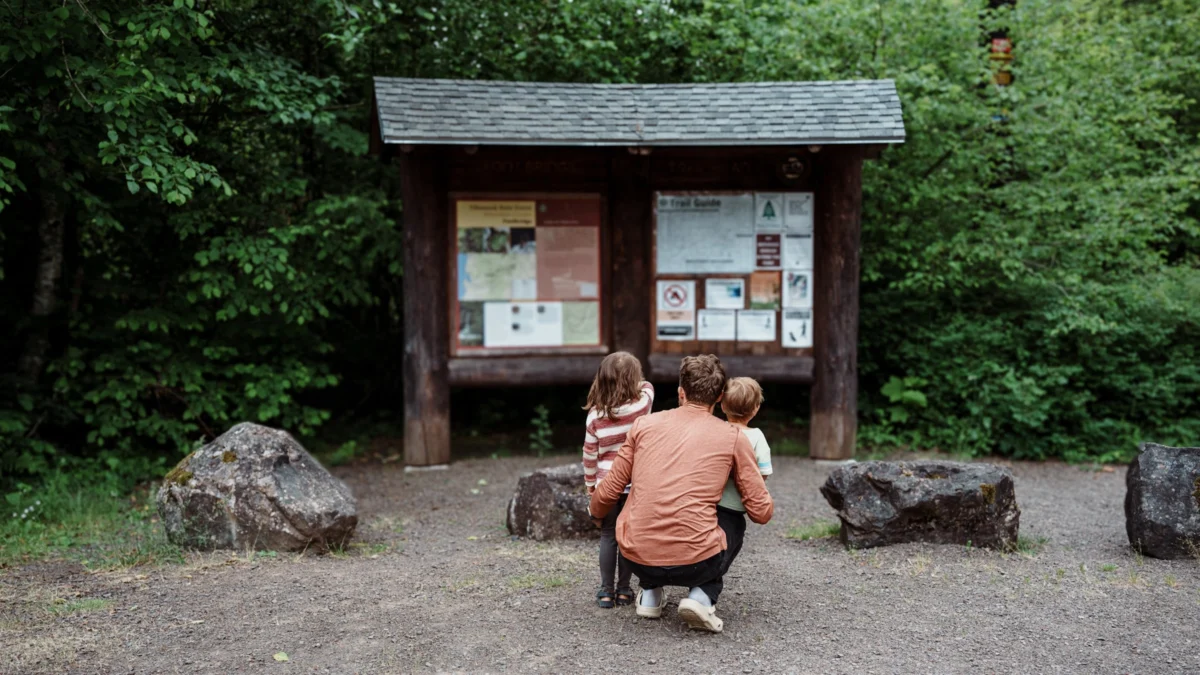
In the spring of 2025, a fundamental shift began to take hold within the corridors of the United States Department of the Interior, setting the stage for a nationwide transformation of how American history is presented on public lands. Following a series of executive mandates, the National Park Service (NPS) commenced a systematic program to remove or alter hundreds of interpretive signs, educational exhibits, and historical markers across the country’s 431 park units. By March 2026, the scale of this initiative had become a flashpoint for political and cultural debate, prompting a grassroots technological response from conservationists and historians. At the center of this resistance is Mike Beebe, a 42-year-old public lands advocate and former park ranger, who has launched an interactive digital archive titled MissingParkHistory.org to preserve the very narratives the government seeks to retire.
The catalyst for this widespread removal was a March 2025 executive order titled "Restoring Truth and Sanity to American History." The directive mandated that the Department of the Interior (DOI) review and remove any public-facing media that was deemed to "disparage past or living Americans" or promote "divisive ideological frameworks." While the administration framed the order as an effort to ensure a more unified and positive national identity, critics and internal whistleblowers argued that the policy effectively sanitized American history by erasing documented facts regarding climate change, systemic inequality, and the darker chapters of the nation’s past.
The Scope of the Erasure
The removals began quietly but expanded rapidly throughout 2025. In Glacier National Park, signs explaining the accelerated recession of glaciers due to anthropogenic climate change were removed. In Bryce Canyon National Park, exhibits detailing the impact of regional air pollution on visibility were dismantled. As the initiative progressed, the focus shifted from environmental science to social history. Educational displays regarding the history of slavery at Southern battlefields, markers detailing the forced relocation of Indigenous tribes, and exhibits at World War II-era Japanese American internment camps were flagged for "review and potential decommission."
According to data compiled by Beebe’s platform, the current "chopping block" includes 863 distinct items. These range from large-scale museum installations in visitor centers to small, trailside placards. The DOI’s internal classification system for these removals typically falls into three categories: "Scheduled for Removal," "Flagged for Content Review," and "Restored by Court Order." The latter category reflects a growing body of litigation from environmental and civil rights groups seeking to halt the removals through the judicial system.
The Whistleblower and the Genesis of MissingParkHistory.org
The full extent of the administration’s plans remained largely speculative until March 2, 2026, when an anonymous whistleblower within the Department of the Interior leaked a massive cache of internal documents. The leak contained hundreds of digital folders and a comprehensive spreadsheet detailing every exhibit currently under scrutiny. While the raw data was exhaustive, its format—a labyrinth of Excel cells and unorganized image files—made it nearly inaccessible to the general public.
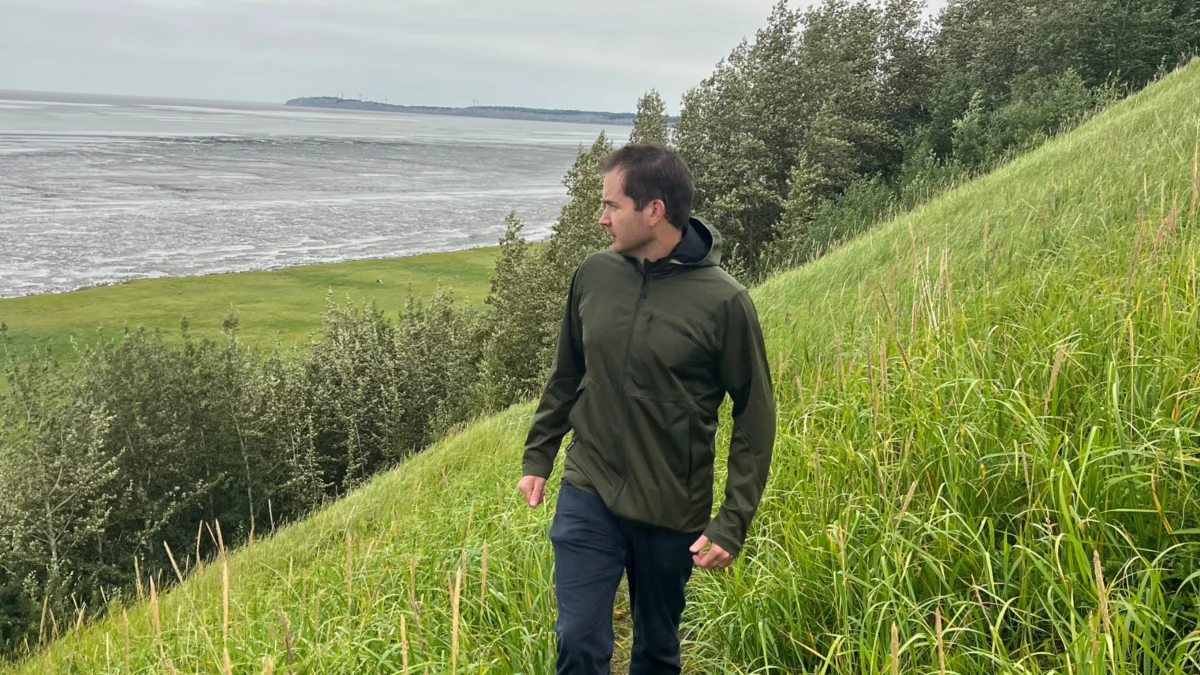
Mike Beebe, a resident of California with a background in both education and civic technology, recognized the need for a more intuitive interface. Beebe’s history with the National Park Service is both professional and personal; having served briefly as a ranger in Mount Baker-Snoqualmie National Forest and worked for the Sierra Club, he possessed an intimate understanding of how interpretive media shapes the visitor experience.
"The outdoors, and our national parks, have always been important to me," Beebe stated in a recent interview. He noted that his time teaching mathematics in rural North Carolina was particularly formative, exposing him to the socioeconomic inequities that he believes are now being mirrored in the federal government’s approach to public history. By creating MissingParkHistory.org, Beebe sought to transform a static list of "problematic" exhibits into a living, searchable map of American heritage.
Technological Advocacy and Civic Savvy
Beebe’s ability to launch such a sophisticated platform stems from a decade of engagement in "civic tech." In 2018, he participated in the Parks and Tech Challenge, a federal initiative designed to leverage private-sector innovation to solve infrastructure and management issues within the NPS. His team’s winning proposal eventually contributed to the framework of the 2020 Great American Outdoors Act, a landmark piece of legislation that allocated $6.5 billion to address the maintenance backlog in national parks.
MissingParkHistory.org utilizes a geospatial interface that allows users to click on any national park unit and view the specific signs that have been removed or flagged. Each entry includes a high-resolution photograph of the original sign, the text it contained, its precise GPS coordinates, and the official "reason for removal" cited in the leaked DOI documents. This transparency allows visitors to see exactly what information is being withheld from the public record.
A Timeline of the Policy Shift
The transition from traditional park interpretation to the current "Restoration" phase occurred over a twelve-month period:
- March 2025: Executive Order "Restoring Truth and Sanity to American History" is signed. The DOI establishes a "History Review Task Force."
- May 2025: First reports emerge of climate change signage being removed from Western parks. The DOI claims these are "routine updates for accuracy."
- August 2025: Internal memos leak suggesting that exhibits on the Reconstruction era and the Civil Rights Movement are being scrutinized for "negative bias."
- November 2025: Several non-profit partner organizations that manage park bookstores are told to stop selling specific titles related to LGBTQ+ history and Indigenous resistance.
- January 2026: A coalition of states, led by California and New York, files a federal lawsuit alleging the removals violate the Administrative Procedure Act and the First Amendment.
- March 2, 2026: The "History Leak" provides the public with the full list of 863 targeted items.
- March 19, 2026: MissingParkHistory.org goes live, receiving over 500,000 visits in its first 24 hours.
Official Responses and Justifications
The Department of the Interior has defended the removals as a necessary "course correction" to ensure that the National Park Service remains a neutral arbiter of history. In a statement released shortly after the leak, a DOI spokesperson argued that "national parks should be places of unity and inspiration, not venues for political activism or the promotion of narratives that emphasize national failure over national achievement."
However, many current NPS employees, speaking on the condition of anonymity for fear of professional reprisal, describe a climate of "intellectual sterilization." One long-term interpretive ranger noted that the removal of signs regarding the internment of Japanese Americans at Manzanar National Historic Site felt like a "betrayal of the agency’s core mission to preserve the whole story of America, not just the comfortable parts."
Historians have also weighed in, noting that the interpretive signs in national parks are often the only historical education many Americans receive outside of a formal classroom. By removing markers that discuss slavery, pollution, or the displacement of native peoples, the government is effectively altering the collective memory of the citizenry.
Broader Implications for Public Land Management
The controversy surrounding the signs is seen by many analysts as a proxy for a larger battle over the future of federal lands. The National Park Service has long operated under a dual mandate: to preserve natural and cultural resources and to provide for their enjoyment by the public. Interpretive media is the primary tool used to bridge these two goals.
The removal of climate change data, for instance, has practical implications for park management. In parks like Glacier or Joshua Tree, where the effects of a warming climate are visible to the naked eye, the removal of educational signage creates a disconnect between the visitor’s experience and the scientific reality of the landscape. This, in turn, can affect public support for conservation funding and environmental protections.
Furthermore, the "Missing Park History" project highlights a growing trend of "digital archiving as activism." In an era where physical monuments and markers can be removed overnight, digital mirrors provide a permanent record that is difficult for any single administration to erase. Beebe’s work follows in the footsteps of groups that archived climate data during previous administrative transitions, ensuring that scientific and historical records remain accessible to future researchers.
The Future of the Archive
As of late March 2026, Mike Beebe continues to update the website as new information arrives from park visitors and remaining "inside" sources. He views the project not just as a museum of what was, but as a catalyst for what could be. "My hope is that this will create some outrage in people," Beebe said. "We need that momentum to pressure Congress, motivate people to protest, and ultimately find a way to stop these removals."
The legal battle over the signs is expected to reach the Supreme Court, with constitutional scholars debating whether the government’s "speech" on its own placards is subject to the same First Amendment constraints as private speech. Until a definitive ruling is reached, the landscape of America’s national parks will remain in a state of flux, with the physical signs disappearing while their digital ghosts live on in Beebe’s archive.
The 863 items currently documented on MissingParkHistory.org represent more than just plastic and wood; they represent a century of evolution in how the United States understands itself. For Beebe and his supporters, the fight to keep these signs—even if only in a digital format—is a fight for the integrity of the American story. As the project gains traction, it serves as a reminder that while an administration can change the signs on the land, the history they describe remains etched in the record, waiting for those willing to look for it.



 Chandra Hamzah
 Tatiana Tantri Indah Sari
 Budi Mulyono
