
 Tatiana Tantri Indah Sari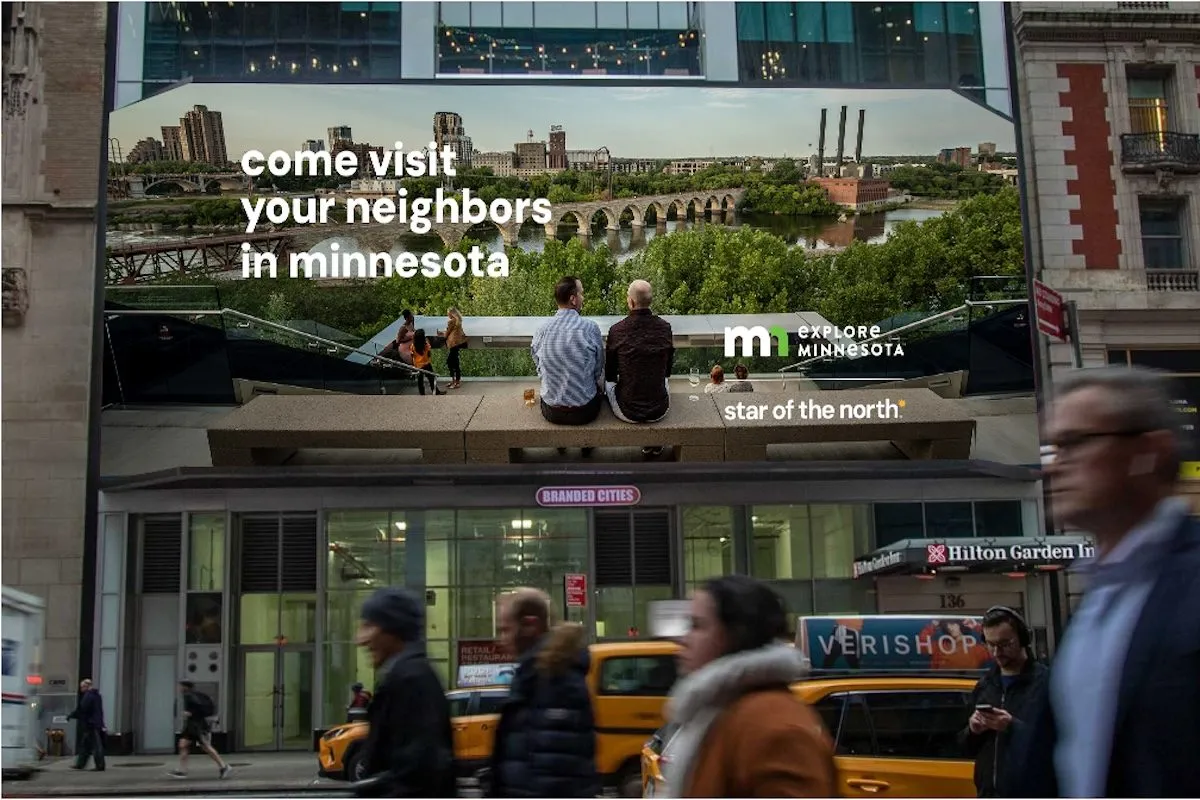
Minneapolis, Minnesota, found itself at the nexus of a national debate on immigration enforcement and community resilience this year, drawing widespread attention following a significant federal crackdown. This period was marked by an intensified immigration enforcement campaign that led to thousands of arrests, widespread protests, and tragically, the fatal shooting of two U.S. citizens in incidents related to the heightened tensions. The city, and by extension the state, grappled with the immediate social and economic fallout, including a notable downturn in tourism. However, a parallel narrative of extraordinary community support and proactive humanitarian efforts emerged, inspiring the state’s latest tourism initiative, "Come Visit Your Neighbors in Minnesota," an attempt to recalibrate its national image and rekindle its vital tourism sector.
The Epicenter of Enforcement: Minneapolis Under Scrutiny
The surge in federal immigration enforcement activities in Minnesota commenced in late spring, following directives from the Department of Homeland Security aimed at increasing deportations and deterring undocumented immigration. U.S. Immigration and Customs Enforcement (ICE) initiated a series of targeted operations across the state, focusing on individuals with prior deportation orders, those with criminal records, and in some instances, conducting workplace raids. These operations, often carried out with significant visibility, quickly escalated community fears and drew the ire of civil liberties advocates and immigrant rights organizations.
The crackdown was not isolated to Minneapolis but heavily impacted its diverse communities, particularly the Latino and Somali populations, which have established significant roots in the Twin Cities metro area. Reports from community organizations indicated that families began self-isolating, fearing apprehension if they engaged in daily activities like grocery shopping, school drop-offs, or even accessing medical care. This pervasive fear created an environment of distrust and significantly disrupted the social fabric of these communities.
A Chronology of Crisis and Community Response
May 2024: Initial Enforcement Wave and Public Outcry
ICE initiates "Operation North Star," a multi-state enforcement action with a significant focus on Minnesota. Initial reports detail dozens of arrests within the first week, primarily in residential areas and near transportation hubs. Immigrant advocacy groups, such as the Minnesota Immigrant Rights Action Committee (MIRAC) and the Council on American-Islamic Relations (CAIR-MN), immediately condemn the actions, organizing rapid response teams to offer legal aid and support.
June 2024: Escalation, Protests, and Humanitarian Needs
The number of arrests surpasses 500, with detainees being held in federal facilities, some outside the state. Large-scale protests erupt in downtown Minneapolis and outside ICE field offices, drawing hundreds of participants daily. Activists block roads, stage sit-ins, and demand an end to the operations. Simultaneously, local non-profits and faith-based organizations mobilize. Food drives are organized to deliver groceries to families too afraid to leave their homes, and legal clinics are overwhelmed with requests for assistance. Winter coat donations are collected in anticipation of releases from federal custody, recognizing that many individuals are released without their personal belongings.
July 2024: Tragic Incidents and Heightened Tensions
Amidst the escalating enforcement activities and protests, a tragic incident unfolds. During what authorities describe as a vehicle stop related to an immigration enforcement investigation in a Minneapolis suburb, an altercation leads to a shooting. Two U.S. citizens, identified as innocent bystanders or individuals caught in the crossfire during a chaotic scene, are fatally wounded. Local police and federal agencies launch investigations, but the incident further inflames public anger and deepens the sense of vulnerability within affected communities. The mayor of Minneapolis issues a statement calling for de-escalation and transparency, while community leaders demand accountability and an immediate halt to federal operations.
August 2024: Economic Repercussions and Call for Unity
The prolonged period of social unrest and the negative national headlines begin to impact Minnesota’s tourism sector. Early data from the Minnesota Office of Tourism indicates a noticeable dip in hotel bookings and event attendance, particularly in Minneapolis. Local businesses, especially those reliant on tourist traffic and community patronage, report reduced sales. The Minnesota Chamber of Commerce expresses concern over the economic outlook, urging a resolution to the tensions. It is during this month that the seeds for a state-led rebranding effort are sown.
September 2024: Launch of "Come Visit Your Neighbors in Minnesota"
Following internal discussions and consultations with community and business leaders, Explore Minnesota, the state’s tourism promotion agency, officially unveils its new campaign, "Come Visit Your Neighbors in Minnesota." The initiative is designed to counteract the negative narrative by highlighting the state’s renowned hospitality and the spirit of solidarity demonstrated by its residents during the crisis.
Data and Demographics: Quantifying the Impact
The immigration crackdown saw an unprecedented scale of enforcement in Minnesota. Over a six-month period, federal agencies reported approximately 2,300 arrests statewide. Analysis by local advocacy groups suggests that a significant proportion, estimated at 65%, of these arrests involved individuals with no violent criminal records, many simply having overstayed visas or committed minor infractions. This broad scope contributed to the widespread fear within immigrant communities.
The economic repercussions were tangible. Preliminary data from the state’s Department of Employment and Economic Development (DEED) and tourism industry associations indicated a projected 15% decline in leisure and hospitality bookings for Minneapolis during the latter half of the year, translating to an estimated loss of $50 million in tourism-related revenue. This figure encompassed reduced hotel occupancy, lower restaurant sales, and decreased attendance at cultural institutions and events.
In stark contrast, the community’s response showcased remarkable civic engagement. Volunteer organizations reported an average of 10,000 volunteer hours per month dedicated to providing humanitarian aid, legal assistance, and social support. Food banks and mutual aid networks distributed over 20,000 emergency food boxes to families in need, and over $1 million was raised through grassroots fundraising efforts to cover legal fees and emergency housing. These efforts underscored a deeply ingrained ethos of neighborliness and collective responsibility.
Official Responses and Strategic Rebranding
Lauren Bennett McGinty, Executive Director of Explore Minnesota, articulated the strategic imperative behind the "Come Visit Your Neighbors in Minnesota" campaign. "We really felt like it was a moment for us to take all the things that have happened and reintroduce Minnesota to the world," McGinty stated. "The national spotlight, unfortunately, highlighted a narrative of conflict and division. But what we saw on the ground was an outpouring of kindness, generosity, and an unwavering commitment to community. We as Minnesotans wanted to help tell our story so people could see who we really are – a place where empathy and hospitality define us, even in challenging times."
The campaign’s core message focuses on Minnesota’s welcoming spirit, showcasing stories of residents extending help to those affected by the crisis. It aims to leverage the state’s reputation for ‘Minnesota Nice’ to overcome the negative perceptions generated by the enforcement actions and the associated social unrest. The campaign is multi-faceted, utilizing digital media, traditional advertising, and partnerships with local businesses and cultural institutions. It features diverse Minnesotans sharing personal stories of community support and inviting visitors to experience the state’s natural beauty, vibrant cities, and friendly atmosphere.
Local government officials also weighed in on the crisis and the state’s response. Minneapolis Mayor Jacob Frey emphasized the city’s commitment to its diverse residents. "Our city thrives on the contributions of all its people, regardless of their background," Mayor Frey said in a public address. "While federal policies are beyond our direct control, our values as a city are not. We will continue to support our immigrant communities and work towards ensuring safety and dignity for everyone. The outpouring of support from our neighbors demonstrates the true heart of Minneapolis." The city council passed resolutions reaffirming its status as a welcoming city and allocating emergency funds to legal aid services for immigrants.
Immigrant advocacy groups, while appreciative of the community’s solidarity and the state’s rebranding efforts, offered a nuanced perspective. "The ‘Come Visit Your Neighbors’ campaign is a beautiful testament to the compassion of Minnesotans," commented Maria Rodriguez, executive director of a prominent immigrant rights organization. "However, it’s crucial to remember the underlying pain and fear that necessitated such a response. The campaign can help change perceptions, but true healing and recovery require sustained efforts to address the systemic issues of immigration policy and ensure the safety of all residents."
The business community, represented by organizations like the Minneapolis Regional Chamber of Commerce, expressed cautious optimism. "The tourism sector is a cornerstone of our economy, supporting thousands of jobs," noted Chamber President and CEO B.T. Johnson. "The negative headlines undoubtedly created headwinds. Explore Minnesota’s campaign is a vital step in reaffirming our state’s appeal. It highlights the very best of what Minnesota offers – not just our lakes and culture, but our people and our values. We are hopeful this initiative will help restore confidence and bring visitors back to our vibrant communities."
Broader Impact and Future Implications
The Minneapolis immigration crisis and the state’s subsequent rebranding effort underscore a critical intersection of federal policy, local community values, and economic realities. The "Come Visit Your Neighbors in Minnesota" campaign is more than just a marketing initiative; it is a strategic attempt to reclaim the state’s narrative on a national and international stage. By emphasizing compassion and community, Minnesota aims to present a counter-narrative to the often-harsh realities of immigration enforcement, positioning itself as a beacon of hospitality and inclusivity.
The success of the campaign will depend on its ability to effectively communicate this message and translate it into tangible economic recovery. While the short-term goal is to mitigate the tourism slump, the long-term implication is to solidify Minnesota’s identity as a state where civic engagement and human dignity are paramount. This episode also highlights the growing divergence between federal immigration policies and the sentiments and actions of many local communities and state governments, a trend observed across various parts of the United States.
Furthermore, the events in Minneapolis will likely fuel ongoing policy debates at both federal and state levels regarding immigration enforcement, sanctuary policies, and the role of local jurisdictions in supporting immigrant populations. The tragic deaths of U.S. citizens during an enforcement action will undoubtedly be a key talking point in discussions about the operational protocols and oversight of federal agencies.
Ultimately, Minnesota’s experience serves as a compelling case study of a state navigating profound social and political challenges. It demonstrates how a crisis can simultaneously expose deep divisions and unleash extraordinary acts of solidarity, ultimately shaping a region’s self-perception and its outward presentation to the world. The challenge for Minnesota now lies in sustaining this spirit of community and ensuring that the narrative of neighborly compassion truly translates into a lasting, welcoming environment for all.




 Anjar Salim
 Chandra Hamzah
 Budi Mulyono
 Lukman Taruna Persada Ramadan
