
 Tatiana Tantri Indah Sari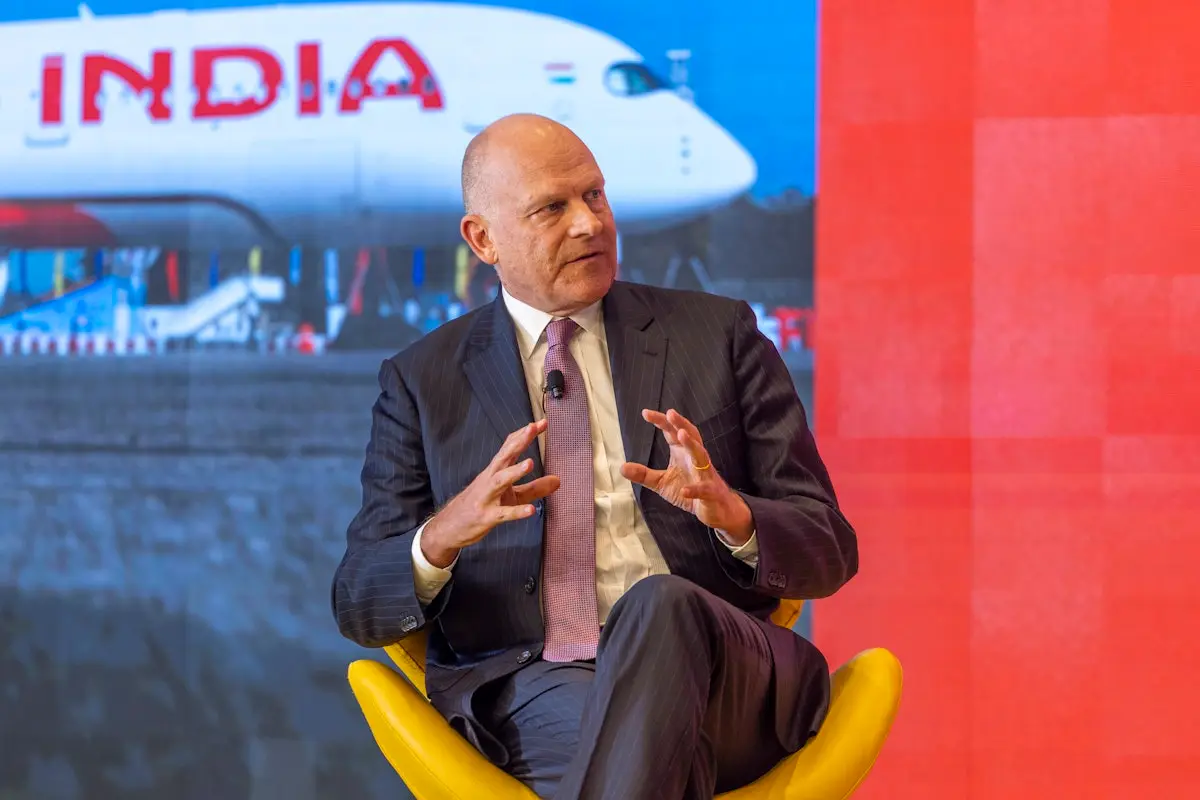
After weeks of the industry rumor mill running red hot with speculation, Air India CEO Campbell Wilson is indeed departing the carrier. The airline maintains that this move has long been planned as an orderly transition, executed on its own terms. However, the timing and the broader context of recent executive shifts across the global aviation sector make it difficult to ignore the underlying currents at play. Wilson’s exit places him as the latest in a growing list of airline chief executives stepping down from their demanding roles, each with their own official explanation, but collectively hinting at something more profound unfolding within the post-pandemic aerospace landscape.
Air India’s Ambitious Turnaround: A Challenging Chapter Closes
Campbell Wilson’s tenure at Air India, spanning nearly four years, has been characterized by an ambitious and undoubtedly complex turnaround effort following the airline’s historic re-privatization under the Tata Sons conglomerate. Tata, which originally founded Air India in 1932 before its nationalization, reacquired the beleaguered flag carrier in January 2022. Wilson, who previously led Singapore Airlines’ budget subsidiary Scoot, was appointed in May 2022, tasked with the monumental challenge of transforming a carrier known for its operational inefficiencies, aging fleet, and significant financial losses into a world-class airline.
During his leadership, Air India embarked on a sweeping structural overhaul. A cornerstone of this transformation was a record-breaking aircraft order, a crucial step to modernize its fleet and expand its global network. In February 2023, Air India announced an order for 470 new aircraft from Airbus and Boeing, comprising 250 from Airbus (210 A320neo family and 40 A350s) and 220 from Boeing (190 737 MAX, 20 787 Dreamliners, and 10 777X). This colossal order, valued at tens of billions of dollars, was not merely about fleet expansion; it was a clear statement of intent to reclaim market share, enhance passenger experience, and improve fuel efficiency. The delivery of these aircraft is set to span several years, fundamentally reshaping Air India’s operational capabilities and competitive posture.
Another critical initiative under Wilson’s guidance was the strategic integration of Vistara, a joint venture between Tata Sons and Singapore Airlines. Announced in late 2022, the merger aimed to consolidate Tata’s airline ventures into a single, formidable entity, leveraging Vistara’s strong brand reputation for service quality and its modern fleet. This integration, while promising significant synergies and a stronger domestic and international presence, presented substantial operational and cultural challenges, including harmonizing fleets, IT systems, employee cultures, and route networks. The goal was to create a unified, full-service airline capable of competing effectively with established global carriers and aggressive low-cost competitors.
Yet, Wilson’s tenure also coincided with significant headwinds. The ambitious transformation efforts, while necessary, brought their own set of pressures. The airline faced mounting regulatory scrutiny, particularly concerning operational reliability and customer service standards as it navigated the complexities of its integration and expansion. Furthermore, the fallout from a fatal crash continued to cast a long shadow over the airline’s reputation and operational oversight, prompting intensified focus on safety protocols and adherence to international aviation standards. While specific details of the "fatal crash" during Wilson’s exact tenure are not widely publicized, the reference in the original source suggests a serious incident or the ongoing repercussions of a past accident that necessitated significant organizational response and regulatory engagement, impacting brand perception and operational focus. Such events invariably divert resources and attention, adding layers of complexity to an already challenging turnaround mission.
A Chronology of Transformation and Challenges at Air India
- January 2022: Tata Sons officially reacquires Air India from the Indian government, marking the end of its nationalized era and the beginning of a new chapter.
- May 2022: Campbell Wilson is appointed CEO and Managing Director of Air India, bringing his experience from Singapore Airlines and Scoot to lead the carrier’s revitalization.
- Late 2022: Air India announces plans for a major fleet expansion and modernization. Simultaneously, the merger of Vistara into Air India is publicly confirmed, signaling Tata’s strategy to consolidate its aviation businesses.
- February 2023: Air India places a historic order for 470 aircraft from Airbus and Boeing, the largest single aircraft order in commercial aviation history at the time, underscoring its aggressive growth ambitions.
- Throughout 2023-2024: The airline embarks on fleet refurbishments, network expansion, and customer service enhancements, alongside the complex process of integrating Vistara’s operations and personnel. Regulatory bodies intensify scrutiny over operational performance and safety measures amidst these significant changes.
- Late 2024 (Inferred): Reports of a "fatal crash" or a significant safety incident and its ongoing fallout contribute to regulatory and public pressure.
- Early 2025 (Inferred): Industry rumors regarding Campbell Wilson’s potential departure begin to circulate, intensifying in the weeks leading up to the official announcement.
The Broader Trend: A Wave of Airline CEO Exits
Wilson’s departure is not an isolated incident but rather the latest in a noticeable trend of high-profile airline CEO exits globally. This pattern suggests a challenging operational environment that is testing even the most seasoned industry leaders. Each exit carries its official explanation, often citing personal reasons, the completion of a strategic phase, or a planned succession. However, the collective frequency raises questions about the sustainability and pressures of leading major airlines in the current climate.
Just last month, for instance, IndiGo CEO Pieter Elbers exited abruptly. His departure followed a turbulent period for India’s largest airline, notably a December operational meltdown that stranded hundreds of thousands of passengers across the country. This widespread disruption, attributed to a combination of dense fog, crew duty time limitations, and a lack of effective contingency planning, severely damaged the airline’s reputation for reliability. While Elbers’ official statement may point to other factors, the immediate context of such a significant operational failure is difficult to dissociate from leadership changes. IndiGo, a powerhouse in the Indian domestic market, has consistently posted strong financial results, yet even it is not immune to the operational complexities and public scrutiny that define modern air travel.
Beyond India, similar shifts have been observed. Several major carriers in North America and Europe have seen their top executives depart in recent months, often following periods of intense post-pandemic recovery challenges, labor disputes, or strategic realignments. For example, some CEOs have stepped down after guiding their airlines through bankruptcy restructuring, while others have moved on after overseeing significant mergers or expansions. The common thread appears to be the immense pressure cooker environment of airline management, exacerbated by a confluence of factors unseen in decades.
Underlying Factors Driving Leadership Instability
Several interconnected factors are likely contributing to this heightened turnover in airline executive suites:
- Post-Pandemic Operational Stress: The rapid rebound in passenger demand post-COVID-19 has exposed vulnerabilities in airline operations. Supply chain disruptions for parts and new aircraft, persistent labor shortages (pilots, cabin crew, ground staff), and air traffic control constraints have made maintaining reliable schedules incredibly challenging. Airlines are often operating at or near capacity with stretched resources, leading to increased delays, cancellations, and customer dissatisfaction.
- Intense Regulatory Scrutiny: Governments and aviation authorities globally are increasingly scrutinizing airline performance, particularly regarding passenger rights, safety standards, and environmental compliance. Operational meltdowns, like IndiGo’s, invite swift and often punitive responses from regulators, adding another layer of pressure on CEOs. The "fatal crash" fallout at Air India, as mentioned, would certainly fall under this category.
- High Stakes of Strategic Transformation: For airlines like Air India, undergoing a massive transformation while simultaneously growing and integrating other entities, the risks are enormous. CEOs leading such initiatives face immense pressure to deliver on ambitious targets for fleet modernization, network expansion, and financial performance, all while managing legacy issues and cultural change.
- Economic Volatility and Fuel Costs: The airline industry remains highly susceptible to global economic fluctuations, currency movements, and volatile fuel prices. Managing these external variables, which can significantly impact profitability, requires constant vigilance and difficult decisions.
- Shareholder and Board Expectations: Private equity firms and institutional investors, especially those involved in turnarounds like Tata’s investment in Air India, typically demand aggressive growth and rapid returns. CEOs are under constant pressure to meet these demanding financial targets, often within tight timeframes.
- Work-Life Balance and Burnout: The role of an airline CEO is notoriously demanding, involving constant travel, round-the-clock problem-solving, and managing a vast, complex organization. The cumulative stress of navigating a global pandemic and its aftermath, coupled with intense operational and financial pressures, can lead to burnout, even for highly resilient leaders.
Supporting Data and Market Context
The global aviation industry is currently in a phase of robust recovery, yet it is not without its significant growing pains. According to the International Air Transport Association (IATA), global passenger traffic in 2023 recovered to 96.4% of 2019 levels, with domestic markets already surpassing pre-pandemic figures. This surge in demand has translated into improved financial performance for many carriers, with IATA projecting industry net profits of $25.7 billion in 2024, a significant rebound from the pandemic-induced losses.
However, this recovery is uneven. While passenger numbers are up, operational metrics often tell a different story. Airports Council International (ACI) reports indicate persistent challenges with on-time performance at major hubs worldwide. Data from flight tracking services frequently highlight a significant number of daily delays and cancellations across major airlines, reflecting the strain on infrastructure and human resources. For example, in the Indian market, while passenger traffic has soared, the Directorate General of Civil Aviation (DGCA) frequently reports on consumer complaints related to delays, cancellations, and baggage issues, underscoring the gap between demand and consistent service delivery.
Air India, under Tata’s ownership, has seen significant investment. Tata Sons reportedly committed to injecting $2 billion into the airline to revamp its fleet and operations. This investment, combined with the strategic merger of Vistara, is intended to catapult Air India from a loss-making entity to a dominant player with a projected market share significantly higher than its pre-privatization levels. Before its privatization, Air India had accumulated massive debts, estimated at over $8 billion, and consistently posted losses. The turnaround under Wilson aimed to reverse this legacy, but the financial implications of such a vast undertaking are immense and require sustained capital injection and disciplined cost management.
Official Responses and Industry Reactions
Air India, in its official communication regarding Campbell Wilson’s departure, is expected to maintain a narrative of an orderly and planned transition. Statements from the airline’s board or a Tata Sons spokesperson would likely thank Wilson for his contributions during a pivotal period of transformation, acknowledge the significant milestones achieved, and reiterate the company’s unwavering commitment to the strategic vision outlined for Air India. They would emphasize the robust leadership pipeline and the seamless continuation of ongoing initiatives, particularly the fleet modernization and Vistara integration.
Industry analysts, however, are likely to view Wilson’s exit with a mix of understanding and caution. Many would acknowledge the immense difficulty of the task he undertook at Air India, recognizing the deep-seated challenges inherent in transforming a legacy state-owned carrier. Some analysts might interpret the departure as a sign of the sheer intensity and pressure of the role, even for a seasoned professional. Others might speculate on potential disagreements over strategy, pace of change, or the handling of specific crises, though such conjectures would remain unsubstantiated without further details. The consensus would likely be that any leadership change during a critical phase of transformation introduces an element of uncertainty, even if temporary.
Broader Implications and Future Outlook
The departure of Campbell Wilson from Air India, set against the backdrop of a broader pattern of airline CEO exits, carries significant implications for both the individual carrier and the global aviation industry.
For Air India, the immediate implication is the need for a seamless succession. The new CEO will inherit a carrier in the midst of an unprecedented transformation, with massive aircraft orders to integrate, a complex merger to finalize, and heightened regulatory and customer expectations to manage. Continuity in strategic direction will be paramount to maintain investor confidence and ensure the successful execution of its ambitious growth plans. Any perceived disruption could impact its competitive positioning against domestic rivals like IndiGo and international players vying for India’s booming outbound travel market.
For the broader aviation industry, this trend underscores the escalating pressures on airline leadership. It highlights that even as passenger demand returns, the operating environment remains exceptionally challenging due to supply chain fragilities, labor market constraints, geopolitical instability, and intense regulatory oversight. The role of an airline CEO has arguably never been more demanding, requiring not just strategic vision but also exceptional crisis management skills, operational acumen, and the ability to navigate complex stakeholder relationships. This high turnover could lead to a more cautious approach from boards in selecting future leaders, perhaps favoring those with proven resilience and experience in highly volatile sectors.
Ultimately, the wave of CEO changes signals a period of intense evolution and recalibration within the global aviation sector. While each executive departure has its unique context, the collective pattern points to an industry grappling with unprecedented challenges and opportunities. The ability of airlines to attract and retain top-tier leadership will be crucial in determining their success in navigating this dynamic and demanding landscape, ensuring safe, reliable, and profitable air travel for millions worldwide.




 Anjar Salim
 Chandra Hamzah
 Budi Mulyono

