
 Anjar Salim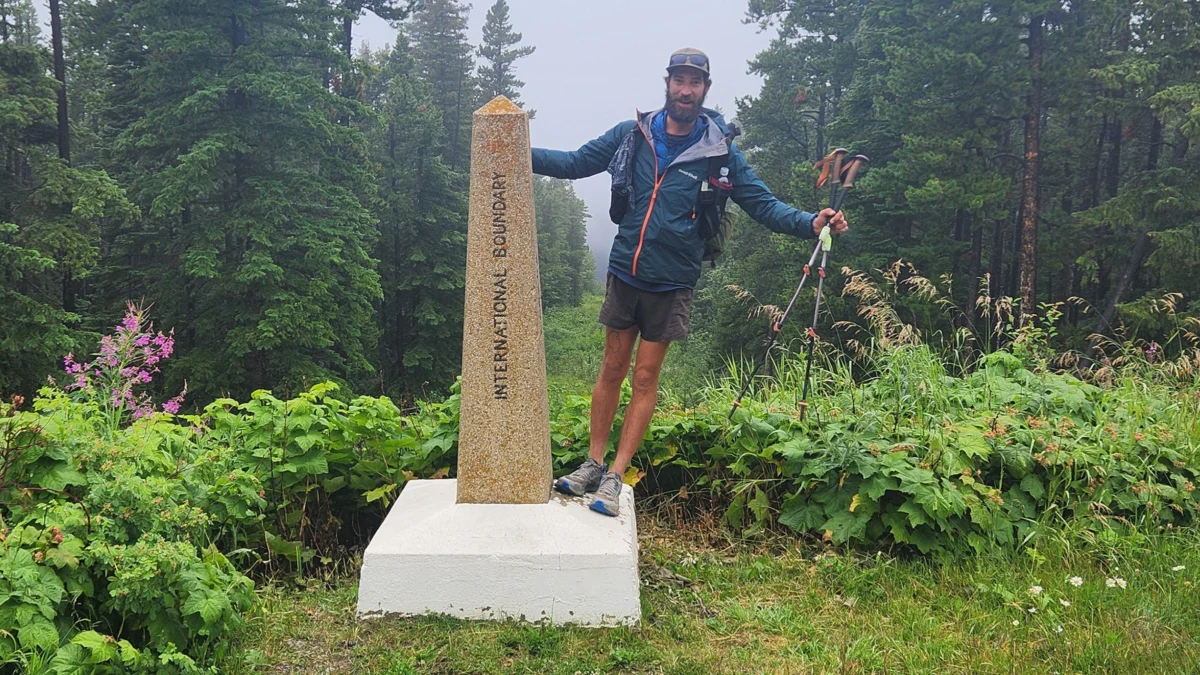
The landscape of endurance athletics was redefined on December 19, 2025, when 40-year-old hiker Nick Gagnon, known in the trail community by his moniker “Chezwick,” arrived at the southern terminus of the Appalachian Trail. His arrival marked the conclusion of a 7,525-mile odyssey that spanned the three most iconic long-distance hiking trails in the United States: the Pacific Crest Trail (PCT), the Continental Divide Trail (CDT), and the Appalachian Trail (AT). Collectively known as the "Triple Crown of Hiking," completing all three in a single calendar year is a feat of extreme physical and mental endurance. Gagnon did more than simply complete the journey; he established a new world record, finishing the continuous trek in 231 days, 7 hours, and 33 minutes.
This performance shatters the previous Fastest Known Time (FKT) set in 2023 by Billy “Wahoo” Meredith, who completed the circuit in approximately 234 days. By shaving three days off the standing record, Gagnon maintained a grueling pace that averaged 32.6 miles per day for 33 consecutive weeks. To put this into perspective, the average thru-hiker typically takes five to six months to complete just one of these trails, often averaging between 15 and 20 miles per day with frequent "zero days" for rest and resupply. Gagnon’s achievement represents a paradigm shift in what is considered possible in the realm of unsupported or self-supported wilderness travel.
A Chronology of the Triple Crown Attempt
Gagnon’s journey began on May 3, 2025, at the United States-Mexico border in Campo, California. His strategy was predicated on a delicate balance of seasonal timing. Starting the Pacific Crest Trail in early May is a calculated risk; while it allows for warmer weather in the desert sections of Southern California, it often places hikers in the high Sierra Nevada mountains during the peak of the spring snowmelt.
During the first leg of his journey, Gagnon traversed the 2,650 miles of the PCT in just 77 days. The passage through the Sierra Nevada proved to be one of the most hazardous segments of the entire year. High runoff from the winter snowpack turned routine creek crossings into life-threatening maneuvers. Gagnon reported being swept downriver during one such crossing, an incident that served as a stark reminder of the environmental hazards inherent in speed-hiking. However, his early arrival in the Pacific Northwest allowed him to clear the forests of Oregon and Washington before the height of the summer wildfire season, which has historically forced trail closures and stymied previous record attempts.
Upon reaching the Canadian border, Gagnon immediately transitioned to the Continental Divide Trail. He traveled via Amtrak from Wenatchee, Washington, to Glacier National Park in Montana, resuming his hike just 48 hours after finishing the PCT. The CDT, often cited as the most difficult of the three trails due to its navigation challenges and high elevation, stretches approximately 3,100 miles from Canada to Mexico.
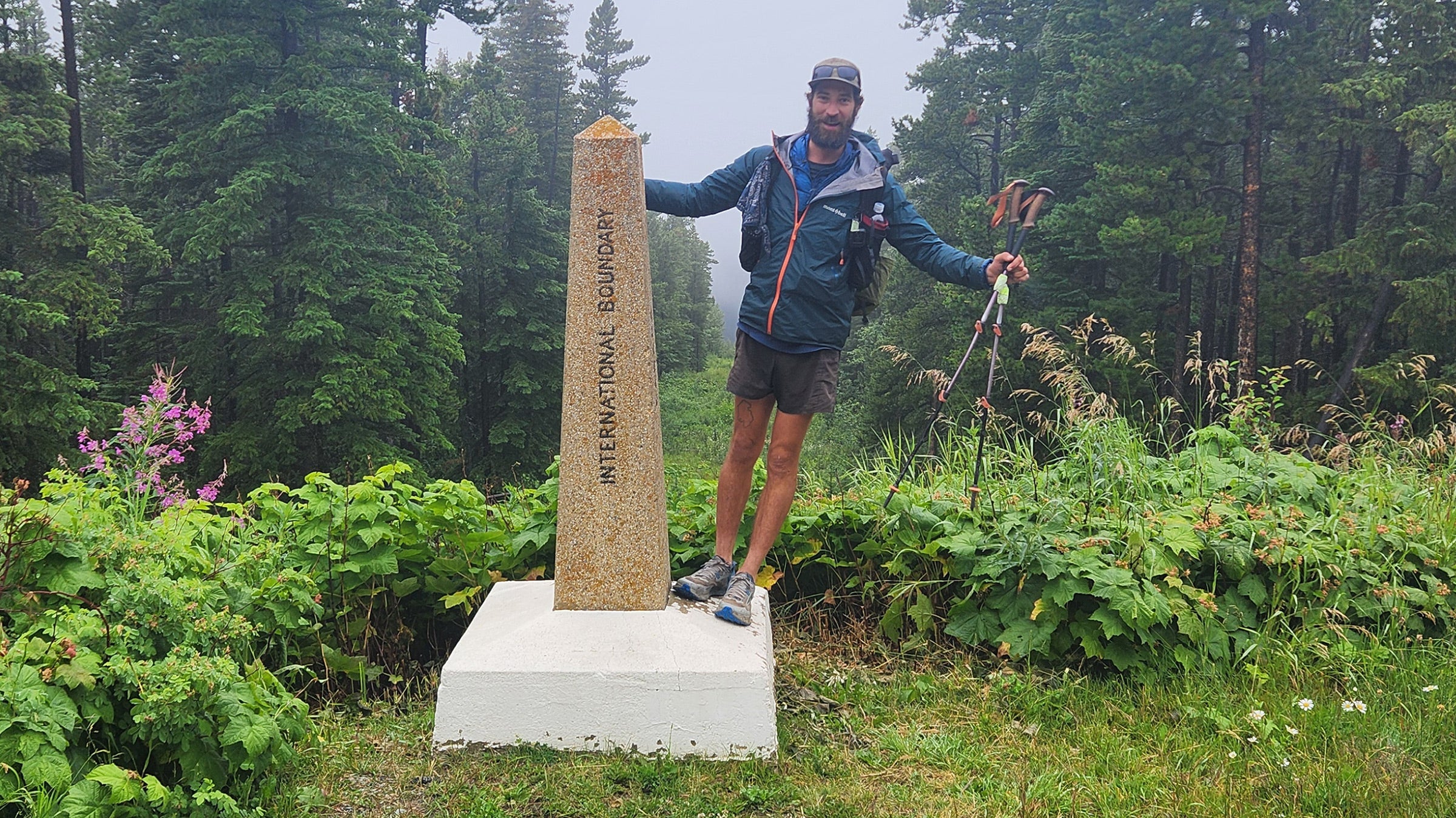
Gagnon’s pace remained consistent, completing the CDT in another 77-day window. While he moved quickly through the northern sections, the high-altitude terrain of Colorado’s San Juan Mountains and the Front Range slowed his progress. Despite the temptation to take the "Creede Cutoff"—a popular alternate route that saves miles—Gagnon adhered to the official trail to ensure the integrity of his FKT attempt. He concluded the CDT in New Mexico, facing late-season monsoon lightning storms before flying from El Paso to Maine to begin his final leg.
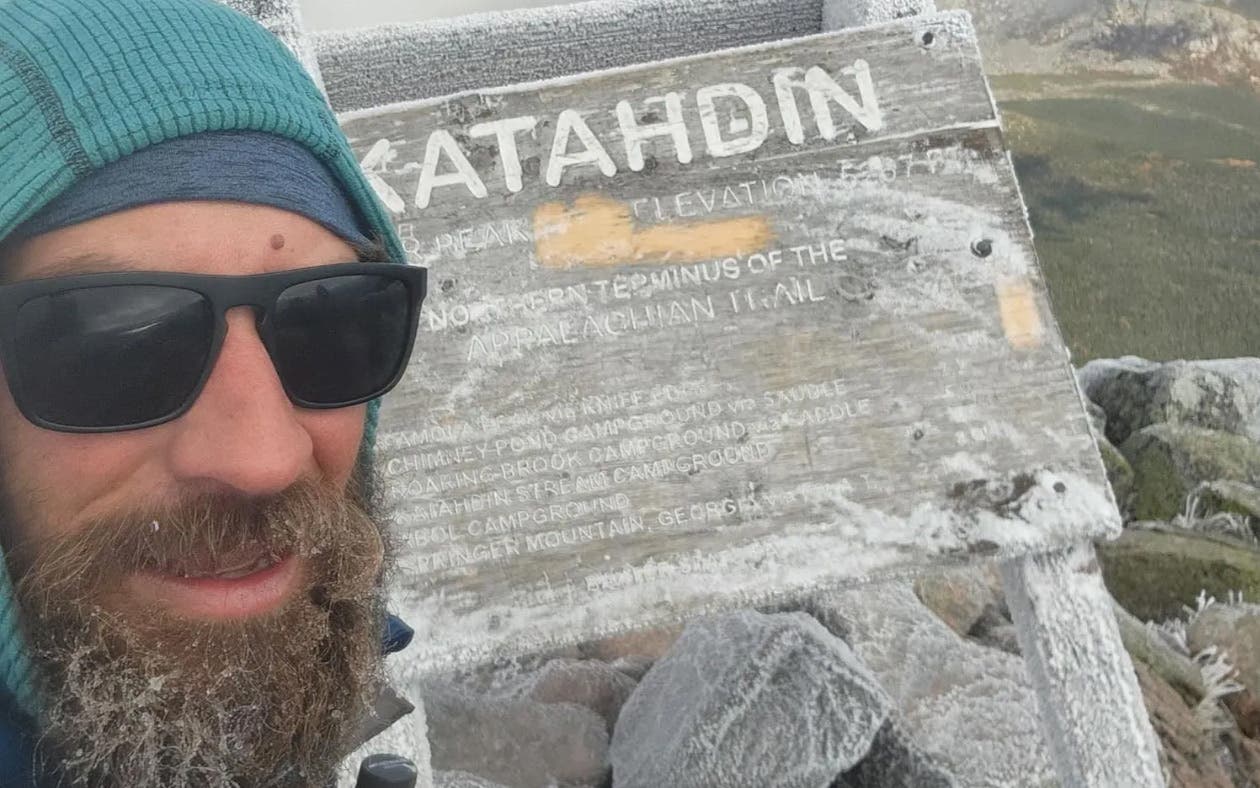
The third and final component, the Appalachian Trail, began in early October at Mount Katahdin. Hiking "Southbound" (SOBO) on the AT in late autumn is a race against winter. Gagnon faced sub-freezing temperatures immediately, with thermometers reading 4 degrees Fahrenheit atop Katahdin on his first day. As he moved through the 2,190 miles of the AT, he contended with the rugged, root-filled terrain of New England and eventually a massive early-season snowstorm in the Great Smoky Mountains of Tennessee. On his final day, facing a remaining 50.3 miles to the southern terminus at Springer Mountain, Georgia, Gagnon opted for a continuous push, finishing just minutes before midnight on December 19.
Logistics, Nutrition, and the Physical Toll
The logistics of a Triple Crown speed record are as demanding as the physical movement. Gagnon’s approach was characterized by extreme minimalism and a "time-is-currency" philosophy. Unlike traditional hikers who may spend days in trail towns recuperating, Gagnon viewed every non-walking minute as a potential threat to the record.
His gear was strictly utilitarian. He utilized an ultralight Montbell shell and eschewed the use of a camping stove to save weight and time, a practice known as "cold-soaking" or simply eating dry goods. This allowed him to maintain a pack weight significantly lower than the industry average, though it came at the cost of dietary variety. To fuel a body burning between 6,000 and 8,000 calories per day, Gagnon relied on calorically dense, processed foods sourced from convenience stores. His diet consisted largely of Slim Jims, honey buns, and Twinkies—items that could be consumed while walking.
The physical impact of such a journey is profound. Gagnon reported wearing through 14 pairs of hiking shoes over the course of the 231 days. The repetitive stress of 32.6 miles per day resulted in chronic foot injuries and significant weight loss. Furthermore, his sleep schedule was restricted to approximately five hours per night to maximize trail time.
"It’s all mental," Gagnon stated regarding the ordeal. "How long can you eat cold Ramen noodles and deal with being cold, wet, and tired without quitting? I guess I’m lucky that I can do that for a long time."
Comparative Analysis and Historical Context
The concept of the Calendar Year Triple Crown was first realized in 2001 by Brian Robinson. At the time, the feat was considered nearly impossible. Since then, only a handful of elite hikers have successfully completed the 7,500-mile circuit within 365 days. In recent years, the focus has shifted from mere completion to speed.
Gagnon’s 2025 record is the culmination of years of experience in the "FKT" subculture. In 2022, he set a record for the Great Western Loop, a 6,800-mile route in the western United States, which he completed in 200 days. This background provided him with the necessary expertise in "active recovery" and logistical planning required for the Triple Crown.
Industry analysts note that Gagnon’s success was also aided by a degree of environmental fortune. While he faced dangerous river crossings and late-season snow, he avoided the catastrophic wildfire smoke that has neutralized many previous attempts on the West Coast. In the world of elite thru-hiking, a three-day margin over a 231-day period is considered a narrow victory, highlighting how a single flight delay or a minor ankle sprain could have altered the outcome.
Professional Implications and Community Reaction
The thru-hiking community has reacted to Gagnon’s record with a mixture of awe and debate regarding the nature of modern hiking. While traditionalists argue that the essence of the trail is found in "slowing down" and connecting with nature, the rise of the FKT movement has established thru-hiking as a legitimate high-endurance sport.
"Nick Gagnon’s achievement is less about hiking in the traditional sense and more about human optimization," says one endurance coach. "To average over 30 miles a day across the most rugged terrain in North America for seven months requires a level of psychological resilience that rivals Olympic-level marathoners."
Gagnon’s profile as a bartender from rural New Hampshire who smokes a half-pack of cigarettes a day adds a layer of unconventionality to his achievement. It challenges the stereotype of the hyper-tuned, "clean-living" modern athlete, suggesting that raw grit and mental fortitude remain the primary drivers of success in long-distance endurance.
Broader Impact and the Future of FKTs
As Gagnon returns to his life in New England, his record stands as a benchmark for future attempts. The 231-day mark is expected to hold for several years, given the physical toll and the specific alignment of weather windows required to break it. However, the advancement in ultralight gear technology and the increasing professionalization of the sport suggest that the 230-day barrier may eventually be challenged.
For now, the Triple Crown remains the ultimate test of the American hiker. Gagnon’s journey through the deserts of California, the peaks of the Rockies, and the green tunnels of the Appalachians serves as a testament to the scale of the American wilderness and the capacity of the human spirit to endure its most rigorous challenges.
"I’m always striving to make my hikes perfect," Gagnon reflected. "They never will be. Nature is kicking my ass and every day feels miserable. But that’s the only way I know how to hike."
His achievement will likely be recorded officially on the Fastest Known Time website, the primary governing body for such records, following a review of his GPS data and trail logs. As the dust settles on his 7,525-mile trek, the hiking world is left to contemplate where the limits of human endurance truly lie.




 Chandra Hamzah
 Tatiana Tantri Indah Sari
 Budi Mulyono
 Lukman Taruna Persada Ramadan