Anjar Salim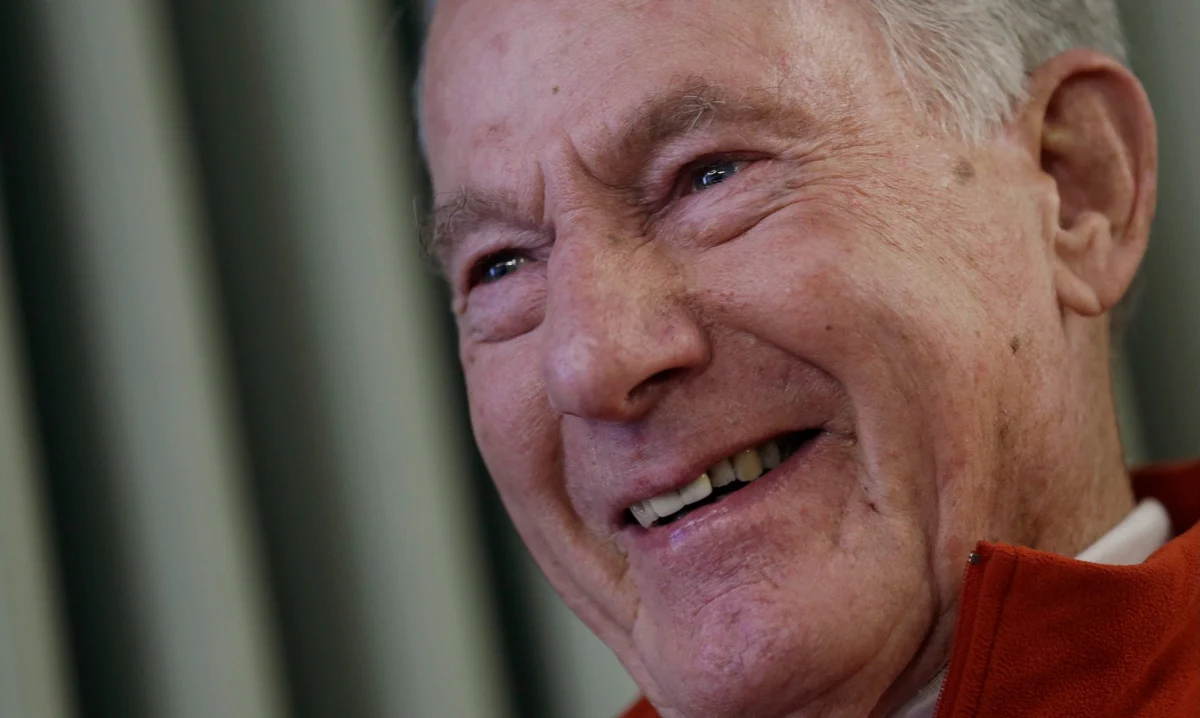
The mountaineering world and the American outdoor industry are mourning the loss of Jim Whittaker, a towering figure whose 1963 ascent of Mount Everest catalyzed a national interest in high-altitude climbing and environmental stewardship. Whittaker passed away on April 7, 2026, at his home in Port Townsend, Washington, at the age of 97. His death marks the end of an era for a generation of explorers who redefined the limits of human endurance and transformed the wilderness experience from a niche pursuit into a cornerstone of American culture.
Whittaker, known affectionately as "Big Jim" due to his 6-foot-5-inch stature and commanding presence, was more than just a climber. He was a visionary executive who led Recreational Equipment Inc. (REI) through its most formative years, a political confidant to the Kennedy family, and a staunch advocate for the preservation of the natural world. He is survived by his wife, Dianne Roberts, and five sons.
Early Life and the Formative Years in the Pacific Northwest
Born on February 10, 1929, in Seattle, Washington, James W. Whittaker and his twin brother, Lou, were introduced to the rugged beauty of the Pacific Northwest at an early age. Growing up during the Great Depression, the brothers found solace and challenge in the outdoors. As Boy Scouts, they spent their youth exploring the Olympic and Cascade ranges, developing the technical skills and mental fortitude that would later define their careers.
By the age of 16, the Whittaker twins had joined The Mountaineers, a Seattle-based alpine club that served as a training ground for the region’s elite climbers. Following high school, Jim attended Seattle University, where he balanced his studies in biology and philosophy with his passion for the mountains and a spot on the university’s basketball team.
In the late 1940s and early 1950s, the brothers became synonymous with Mount Rainier. They served as mountain guides and volunteer rescuers, honing their craft on the 14,411-foot volcano. Their work on Rainier was not merely recreational; it was professional training in leadership and risk management. In 1950, they joined the National Ski Patrol and the Northwest Mountain Rescue and Safety Council, cementing their status as experts in alpine safety.
The Historic 1963 American Mount Everest Expedition
While European and British climbers had dominated the early history of Himalayan exploration—highlighted by Sir Edmund Hillary and Tenzing Norgay’s first successful ascent in 1953—American efforts had been largely secondary. That changed in 1963 when Norman Dyhrenfurth organized the American Mount Everest Expedition (AMEE).
The expedition was a massive undertaking, involving 19 Americans and 37 Sherpas, supported by over 900 porters carrying 27 tons of equipment. On May 1, 1963, Jim Whittaker and Sherpa Nawang Gombu became the first members of the team to reach the 29,032-foot summit. Battling extreme wind, sub-zero temperatures, and the debilitating effects of oxygen deprivation, Whittaker and Gombu stood at the highest point on Earth, planting the American flag.
The achievement was a watershed moment for the United States. Coming at the height of the Cold War and the Space Race, Whittaker’s success was framed as a triumph of American grit. Upon his return, President John F. Kennedy awarded Whittaker the Hubbard Medal, the National Geographic Society’s highest honor. The ascent didn’t just make Whittaker a celebrity; it inspired a surge of interest in the outdoors, directly contributing to the growth of the American climbing community.
Leadership at REI and the Business of the Outdoors
Whittaker’s impact on the outdoor industry was as profound as his climbing achievements. In 1955, he was hired as the first full-time employee of REI, which at the time was a small cooperative operating out of a room above a grocery store. Whittaker’s business acumen and his firsthand knowledge of gear requirements allowed him to scale the company effectively.
In 1971, he was named President and CEO of REI. Under his leadership, the co-op transitioned from a local Seattle entity into a national powerhouse. He emphasized the importance of high-quality, functional equipment and helped foster a corporate culture that prioritized environmental responsibility. By the time he stepped down as CEO in 1979, REI had become the gold standard for outdoor retail, a legacy that continues to this day.
Whittaker’s philosophy was simple: if people experienced the beauty of the wilderness, they would be more likely to fight for its protection. This belief drove REI’s early support for conservation initiatives and set a precedent for corporate environmentalism.
Political Ties and the Ascent of Mount Kennedy
Whittaker’s fame brought him into the inner circle of the Kennedy family. Following the Everest expedition, he developed a deep friendship with Robert F. Kennedy. In 1965, the Canadian government named a peak in the Yukon "Mount Kennedy" in honor of the assassinated president. Jim Whittaker was chosen to lead RFK on the first ascent of the 13,944-foot mountain.
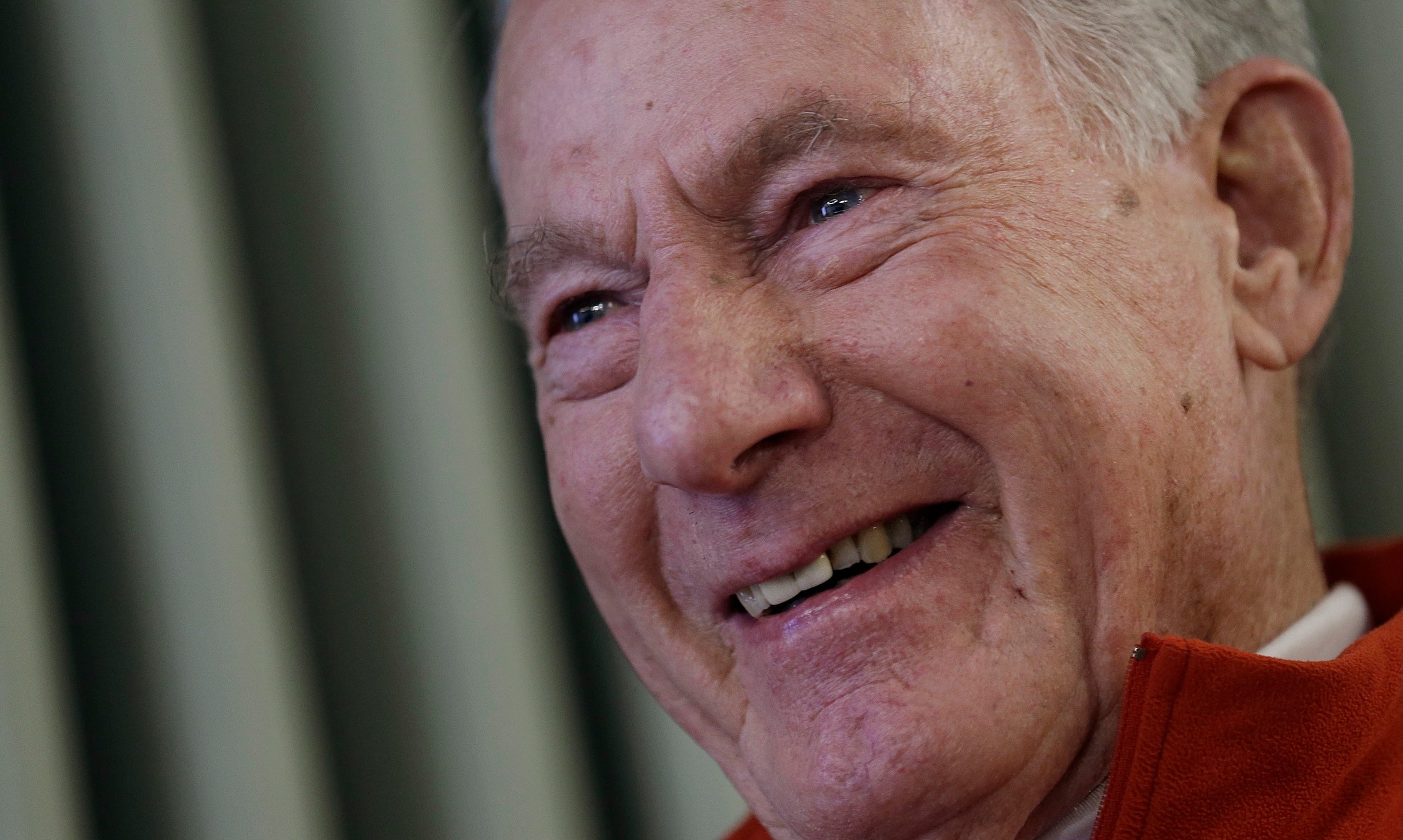
The bond between the two men was strengthened during the climb, and Whittaker later transitioned into the political arena, serving as a campaign manager for Robert Kennedy’s 1968 presidential run. The tragic assassination of RFK in Los Angeles was a devastating blow to Whittaker, who remained close to the Kennedy family for the rest of his life.
The 1978 K2 Expedition and the 1990 Peace Climb
Whittaker’s mountaineering career did not end with Everest. He led two major American expeditions to K2, the world’s second-highest and arguably most dangerous mountain. After a failed attempt in 1975, Whittaker returned in 1978 with a team that included his wife, Dianne Roberts, who served as the expedition’s photographer.
The 1978 trip was a resounding success, with team members Louis Reichardt, Rick Ridgeway, John Roskelley, and Jim Wickwire becoming the first Americans to summit K2. This expedition was notable not only for its success but for its inclusivity; Whittaker was a vocal supporter of women in mountaineering, a stance that was considered progressive for the era.
In 1990, at the age of 61, Whittaker organized and led the Everest International Peace Climb. This expedition was a diplomatic and environmental feat, bringing together climbers from the United States, the Soviet Union, and China. The team successfully summited and, perhaps more importantly, removed over two tons of trash from the mountain, highlighting the growing issue of high-altitude pollution.
Environmental Advocacy and Legislative Impact
Throughout his life, Whittaker remained a "dogged environmental advocate," according to his peers. He recognized early on that the wilderness areas he loved were under threat from industrial expansion and lack of federal protection. Whittaker used his platform to testify before Congress, playing a crucial role in the passage of legislation that created several key wilderness areas and national parks.
His efforts were instrumental in the establishment of:
- North Cascades National Park: A rugged expanse of glaciated peaks in Washington.
- Redwood National Park: Protecting the ancient forests of Northern California.
- The Pasayten Wilderness: A massive roadless area in the Okanogan and Mt. Baker-Snoqualmie National Forests.
Former Washington Governor Jay Inslee noted that Whittaker’s influence extended into modern policy, stating that Whittaker’s "opening of the natural world to Washingtonians" laid the groundwork for contemporary efforts to protect glaciers, fish populations, and marine life.
Legacy and Personal Life
In his later years, Whittaker continued to embrace adventure. Between 1996 and 2000, he and his family embarked on a four-year sailing voyage, covering 20,000 miles across the Pacific Ocean. Even in his 90s, he remained a frequent speaker at outdoor events, always encouraging younger generations to "get outside" and "take risks."
Whittaker’s twin brother, Lou, who founded the world-renowned guide service Rainier Mountaineering, Inc. (RMI), preceded him in death in 2024. The loss of both brothers within two years marks a significant transition for the Pacific Northwest climbing community.
Jim Whittaker is survived by his wife of over 50 years, Dianne Roberts, and his five sons: Carl, Scott, Bobby, Leif, and Joss. His son Leif followed in his father’s footsteps, summiting Everest twice and writing extensively about the family’s mountaineering heritage.
Analysis: The Whittaker Influence on Modern Mountaineering
Whittaker’s death invites a reflection on the evolution of climbing. When he summited Everest in 1963, the mountain was a remote, nearly inaccessible frontier. Today, it faces challenges of overcrowding and commercialization—issues Whittaker addressed through his 1990 Peace Climb.
His legacy is tripartite: he proved American climbers could compete on the world stage; he proved that outdoor recreation could be a viable and ethical business model; and he proved that an adventurer’s greatest responsibility is the protection of the environment. As the first American to stand atop the world, Jim Whittaker did not just look down at the clouds; he looked forward toward a future where nature and humanity could coexist through respect, stewardship, and the enduring spirit of exploration.


 Chandra Hamzah
 Gabriela Annisa
 Tatiana Tantri Indah Sari
 Budi Mulyono