
 Cholid Fahmi Thalib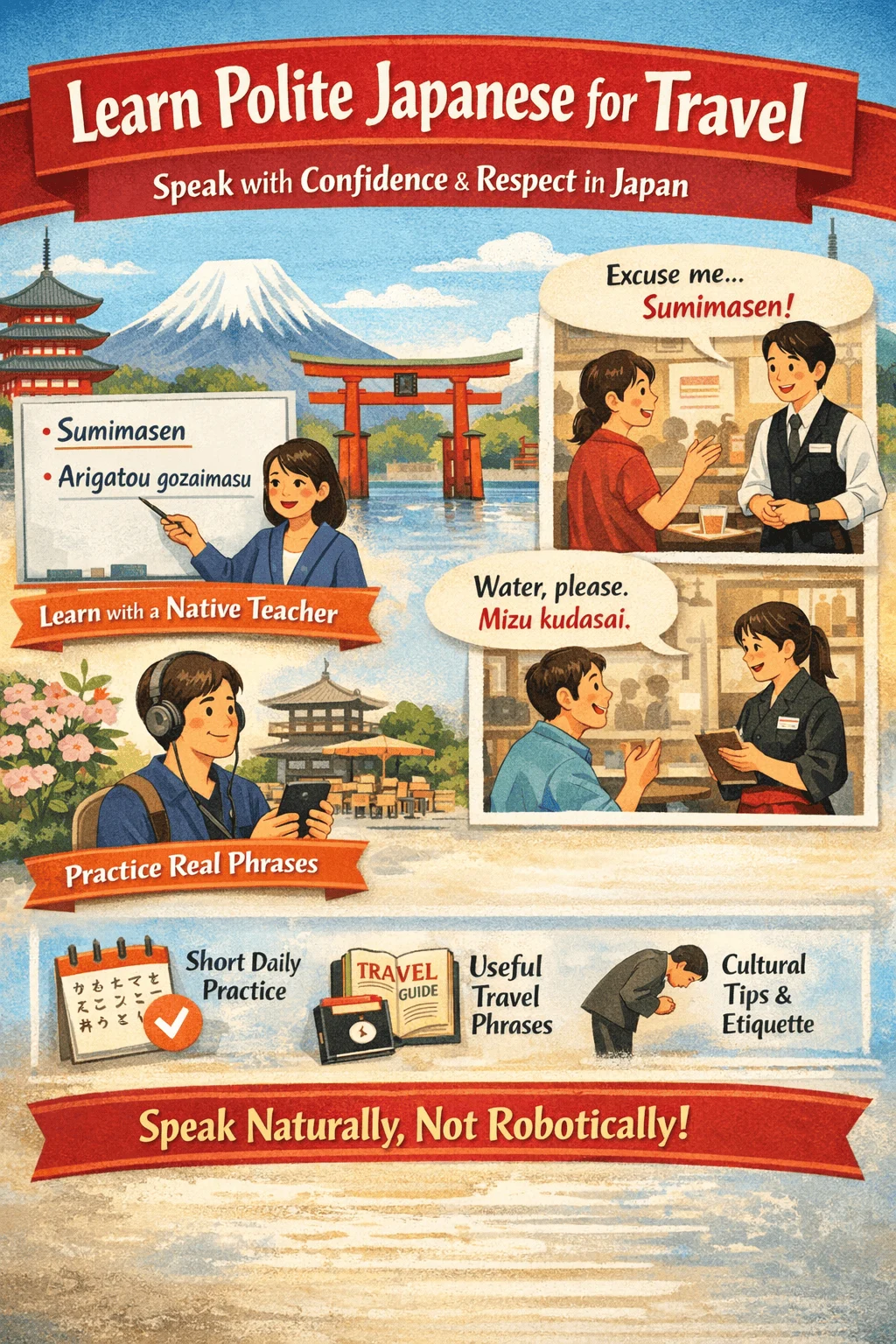
Traveling in Japan offers an unparalleled cultural immersion, but a significant barrier for many visitors is the language. While fluency is a lofty goal, acquiring a functional level of polite Japanese can dramatically enhance the travel experience, fostering smoother interactions and deeper connections. The traditional approach of memorizing extensive phrasebooks often proves inefficient, leading to robotic speech and a lack of natural flow. Instead, a strategic focus on practical conversations and essential courtesy phrases, informed by cultural context, offers a more effective pathway to confident communication. This article explores how travelers can rapidly acquire the linguistic tools necessary to navigate Japan with respect and ease, moving beyond rote memorization to embrace genuine interaction.
The Challenge of Language Acquisition for Short-Term Travelers
The desire to communicate respectfully in Japan is a common aspiration for tourists. However, the complexities of the Japanese language, particularly its nuanced politeness levels (keigo), can be daunting. Many travelers find themselves relying on limited English, phrasebooks, or translation apps, which can lead to misunderstandings or a sense of detachment. The core issue lies in the disconnect between traditional language learning methods and the specific needs of a short-term visitor.
"Memorizing long lists of vocabulary and grammar rules is often an inefficient strategy for travelers who have limited time," notes Dr. Kenji Tanaka, a linguistics professor specializing in applied Japanese. "The emphasis should be on functional language that can be immediately applied in real-world scenarios. This includes understanding the social context in which certain phrases are used."
Historically, travelers have relied on guidebooks, which often present a curated selection of phrases. While helpful, these often lack the auditory component crucial for grasping pronunciation, tone, and the natural rhythm of conversation. The advent of short audio courses and language learning apps has provided more dynamic resources, but the most impactful approach for many remains personalized instruction. Engaging a Japanese teacher, particularly one experienced in preparing students for travel, can demystify the subtleties of politeness, etiquette, and common situational language, such as ordering food, checking into accommodations, or seeking directions. This targeted guidance ensures that learning efforts are concentrated on practical, high-frequency phrases, rather than obscure vocabulary unlikely to be encountered.
The Power of Contextual Learning and Daily Exposure
The effectiveness of language acquisition is significantly amplified when learning is anchored in context. Hearing polite Japanese spoken in authentic situations allows learners to internalize not just the words, but also the appropriate tone, intonation, and accompanying non-verbal cues. This immersion, even in small doses, aids in the natural acquisition of linguistic patterns.
"The human brain is remarkably adept at recognizing patterns," explains language acquisition specialist Maria Rodriguez. "When learners are exposed to language in context, they begin to unconsciously absorb the rhythm and structure. This is far more effective for long-term retention than isolated memorization. It fosters a sense of familiarity and confidence, allowing individuals to respond more spontaneously rather than reciting pre-rehearsed sentences."
Short, consistent daily practice sessions, even if brief, prove more beneficial than infrequent marathon study sessions. This consistent exposure reinforces learning and helps to embed phrases into active memory. By encountering polite expressions repeatedly in simulated or actual interactions, travelers can develop an intuitive understanding of their usage, leading to more natural and confident communication. This approach shifts the focus from simply recalling words to actively using them, fostering a deeper and more practical understanding of the language.
Key Takeaways for Efficient Language Learning
- Prioritize Practical Phrases: Focus on high-frequency expressions relevant to travel scenarios such as greetings, apologies, requests, and thank yous.
- Embrace Contextual Learning: Learn phrases within the context of real-life situations to understand their nuances and appropriate usage.
- Emphasize Auditory Input: Listen to native speakers and practice pronunciation and intonation through audio resources and shadowing techniques.
- Integrate Cultural Etiquette: Understand that politeness in Japan extends beyond words to include non-verbal cues like bowing and respectful demeanor.
- Leverage Technology Wisely: Utilize language apps, translation tools, and speech recognition software as supplementary aids, always prioritizing authentic practice.
- Consistency Over Intensity: Engage in short, regular practice sessions rather than infrequent, prolonged study periods.
Mastering Essential Polite Japanese Quickly
The journey to mastering polite Japanese for travel is best undertaken by concentrating on a core set of courtesy phrases, fundamental greeting patterns, and concise expressions suitable for unexpected or sensitive situations. This focused strategy empowers travelers to navigate daily life in Japan with a greater sense of assurance, circumventing the need for exhaustive memorization of extensive vocabulary lists. The underlying principle is to equip learners with the most impactful linguistic tools for immediate application.
Most-Used Courtesy Phrases and Their Functions
Certain polite words are indispensable and appear in nearly every social exchange in Japan. Understanding their versatility is key. Sumimasen stands out as a remarkably adaptable phrase. It can function as "excuse me," used to politely get someone’s attention or to navigate through a crowded space. It also serves as a gentle apology for minor inconveniences, such as bumping into someone or interrupting a conversation. Its multifaceted nature makes it a cornerstone of polite interaction.
The word kudasai is essential for making respectful requests. When appended to a noun, it transforms a simple desire into a polite plea. For instance, asking for water becomes mizu kudasai (water, please). This simple grammatical structure is easy to grasp and widely applicable in dining, shopping, and other service encounters.
Beyond these foundational terms, more specific expressions convey deeper respect. Arigatou gozaimasu is the standard and highly appreciated way to express "thank you very much." The formal variant, onegaishimasu, carries a sense of polite request or a humble plea for service, often used when placing an order or asking for assistance. Recognizing the specific context for each of these phrases allows for more nuanced and appropriate communication.
The efficacy of these phrases is often amplified by their delivery. A soft tone of voice, coupled with a slight bow, reinforces the politeness conveyed by the words themselves. In commercial settings like shops or restaurants, consciously repeating simple Japanese travel phrases like sumimasen or arigatou throughout the day helps to build a comfortable rhythm and strengthens the traveler’s foundational grasp of Japanese basics. These small, consistent habits build confidence and make polite speech a more integrated part of the travel experience.
Strategic Greetings for Different Situations
Japanese greetings are more than just a verbal exchange; they signal respect for the time of day, the setting, and the individual being addressed. Mastering these strategic greetings ensures that interactions begin on a positive and respectful note.
The most common greetings are tied to the time of day: Ohayou gozaimasu is used in the morning, Konnichiwa for the midday hours, and Konbanwa in the evening. While seemingly straightforward, correctly applying these greetings demonstrates an awareness of and respect for local customs.
When parting ways, the situation dictates the appropriate farewell. Sayonara is a common word for "goodbye," but among close friends or in more casual settings, locals often opt for shorter phrases like jaa ne or mata ne. For polite farewells in more formal or public spaces, such as leaving a business meeting or exiting a shop, shitsurei shimasu (excuse me for leaving) or dewa mata (see you later, in a more formal tone) are more appropriate. Understanding these distinctions prevents sounding either overly casual or excessively formal, striking the right balance for respectful interaction.
The practice of greetings in Japan is deeply intertwined with the concept of omotenashi, or Japanese hospitality. This philosophy emphasizes anticipating the needs of guests and providing thoughtful, selfless service. Returning a greeting with sincerity and a warm demeanor, even if language skills are limited, demonstrates respect for this cultural value. A genuine smile and a nod can go a long way in conveying appreciation and fostering positive connections, bridging gaps where language fluency may not yet exist.
Minimal Phrases for Emergencies and Apologies
While proactive politeness is key, having a few crucial phrases ready for unexpected situations can be invaluable. During travel, swift and clear communication is paramount in emergencies. Knowing how to quickly express a need for help or to locate essential services can significantly alleviate stress.
The urgent plea for assistance is captured by tasukete! ("Help!"). In a medical emergency, knowing how to ask "Where is the hospital?" can be critical. This is phrased as byouin wa doko desu ka? These short, impactful phrases are designed for rapid recall and clear articulation under pressure. It is advisable for travelers to jot down these essential emergency expressions in a readily accessible format before their trip.
For minor mistakes, accidental inconveniences, or when expressing regret, the versatile sumimasen can be employed. For a more pronounced apology, particularly for more significant errors or when expressing deeper remorse, gomen nasai is the appropriate phrase. These expressions signal accountability and a willingness to acknowledge any disruption caused, thereby maintaining social harmony and demonstrating personal responsibility.
The ability to deploy these minimal yet impactful phrases allows travelers to respond with clarity and respect, even in high-stress scenarios. This not only aids in resolving immediate issues but also upholds the deeply ingrained value of courtesy that permeates Japanese language and culture.
Effective Learning Methods for Travelers
Acquiring polite and practical Japanese does not necessitate extensive study hours or a commitment to academic rigor. The most effective approach for travelers involves a concentrated focus on practical expression, real-world application, and the cultivation of simple, consistent habits. By paying close attention to the natural flow of conversation and the underlying cultural context, individuals can significantly enhance their politeness and confidence during their travels in Japan.
Memorization-Free Techniques for Rapid Results
The traditional method of memorizing extensive vocabulary lists and grammatical paradigms is often inefficient for travelers with limited time. A more effective strategy is to learn through context. This involves engaging with short, authentic conversations that mirror real-life travel scenarios, such as asking for directions or ordering food. Repeated exposure to these concise, high-utility phrases builds memory far more effectively than rote study. This contextual approach allows learners to grasp not only the words themselves but also how polite language integrates seamlessly into natural dialogue.
Breaking down learning into small, manageable goals can further enhance efficiency. For example, a traveler might dedicate one day to mastering greetings and farewells, the next to ordering food and drinks, and subsequent days to asking for directions or expressing thanks and apologies. This focused approach prevents overwhelm and ensures steady progress.
Shadow practice, a technique where learners repeat short audio clips of native speakers aloud, is another powerful memorization-free method. This exercise directly improves pronunciation, intonation, and the overall rhythm of speech. Over time, the ear becomes attuned to distinguishing between polite and casual forms of address, leading to a more intuitive grasp of language nuances.
Leveraging Japanese Writing Systems for Politeness
While full literacy in Japanese is beyond the scope of most short-term travelers, a basic understanding of its writing systems can significantly aid in recognizing and understanding politeness cues. The first step typically involves learning hiragana, the phonetic script that forms the building blocks of polite endings and many common Japanese words. Recognizing hiragana allows travelers to decipher basic phrases and understand the grammatical structures that convey politeness.
Following hiragana, familiarizing oneself with katakana is beneficial, as this script is used for foreign loanwords, which are frequently encountered on signs, menus, and product packaging. This helps in navigating the modern urban landscape. Later, a focus on everyday kanji – the logographic characters borrowed from Chinese – can provide deeper insight. For instance, understanding common kanji such as æ—¥ (day), 食 (eat), or è¡Œ (go) can unlock the meaning of many signs and notices.
Each writing style offers clues about tone and formality. Kanji, in particular, often appears in more formal contexts, such as official signage in shops and train stations. Recognizing these characters in context allows learners to infer polite language without needing to memorize each word individually. Maintaining a small notebook or digital note of useful symbols and phrases encountered in real life helps to forge a connection between visual memory and practical application, reinforcing learning through repeated exposure.
Using Technology and Cultural Tools
In the contemporary travel landscape, language learning apps and digital tools offer a swift and accessible means to refine language skills. Technologies featuring speech recognition allow learners to practice pronunciation and receive immediate feedback, identifying areas for correction. Translation tools, such as Google Translate, can serve as valuable aids for checking grammar and discerning appropriate tone. However, it is crucial to supplement these digital tools with verbal practice, speaking phrases aloud to ascertain their naturalness and cadence.
Audio-based learning platforms that offer slow playback speeds are excellent for enhancing listening comprehension, enabling learners to parse complex sentences and subtle pronunciation nuances. These can be effectively paired with short role-playing exercises, simulating scenarios like requesting assistance at a train station or ordering tea.
Beyond linguistic tools, an understanding of Japanese cultural customs is paramount in achieving polite communication. Non-verbal cues play a significant role. A slight bow, the appropriate use of honorifics like -san (a polite suffix attached to names), and the demonstration of patience all contribute to an impression of respect that transcends mere verbal proficiency. Integrating these small cultural gestures with basic Japanese phrases creates more harmonious interactions and showcases a genuine effort to engage with and appreciate Japanese society. The culmination of these efforts—combining practical language acquisition with an understanding of cultural norms—enables travelers to navigate Japan with both comfort and profound respect.
In conclusion, the ability to speak polite Japanese without resorting to the memorization of endless lists is an achievable goal for travelers. The key lies in focusing on phrases that directly address everyday travel needs, such as greetings, requests, and expressions of gratitude and apology. By actively employing these phrases in real-life situations, they become ingrained in memory naturally.
The practice of saying "arigatou" (thank you) or "sumimasen" (excuse me) frequently during a trip not only facilitates smoother interactions but also cultivates a respectful persona that is highly valued by locals. The appreciation for genuine effort, rather than absolute perfection, is a cornerstone of Japanese hospitality, and this recognition quickly builds a traveler’s confidence.
Observing and listening to how native speakers communicate—paying attention to their tone, gestures, and subtle nuances—provides invaluable insights into what sounds natural and appropriate. Over time, these observations can be internalized, leading to the development of habits that make polite speech an integral part of the travel routine.
Ultimately, the most effective approach to learning polite Japanese for travel is to learn through active use, not passive memorization. By prioritizing meaningful phrases, engaging in real interactions, and maintaining a patient and open mindset, travelers can acquire both the comfort and the respect necessary to fully appreciate their journey through Japan. This journey of linguistic and cultural engagement promises to enrich the travel experience immeasurably.



 Anjar Salim
 Dwi Wanna
 Budi Mulyono
 Lukman Taruna Persada Ramadan
 Chandra Hamzah
 Gabriela Annisa