Cholid Fahmi Thalib
The pursuit of truly memorable meals when traveling is less about serendipity and more about informed strategy. Just as discerning locals frequent specific market stalls, prioritizing authenticity over fleeting trends, travelers can cultivate a deeper culinary engagement by adopting a thoughtful approach to destination selection, logistical planning, and in-the-moment decision-making. This involves understanding the nuances of local food scenes, leveraging transportation effectively, and building in flexibility to savor each discovery.
Identifying Culinary Hotspots: The Power of Neighborhood Immersion
The foundation of a successful food-focused journey lies in choosing destinations renowned for their vibrant, walkable food neighborhoods. These are not merely tourist thoroughfares but districts where daily life unfolds, characterized by a symbiotic relationship between residents and their culinary offerings. The ideal environment is one where a cluster of establishments – from early-morning bakeries and bustling markets to cozy cafes and unassuming bistros – cater to a local rhythm. Such areas facilitate an efficient exploration, allowing travelers to sample a diverse array of tastes and textures without succumbing to the time and energy drain of extensive transit.
A strategic approach involves dedicating specific days to exploring no more than two distinct food-centric neighborhoods. Crucially, a mid-afternoon break is essential. This pause, whether spent in a local park, a museum, or a brief respite at one’s accommodation, serves a dual purpose: it allows for palate rejuvenation, preventing sensory overload, and mitigates the risk of impulsive, ill-considered food choices when hunger pangs intensify.
Identifying these authentic havens requires looking beyond superficial indicators. Signs of a neighborhood catering to its residents include the presence of grocery stores, proximity to educational institutions, and restaurants that publicly display daily lunch specials. Reliable public transportation networks and readily available parking options, particularly for those intending to intersperse driving with walking, are also strong indicators of a well-established local food ecosystem.
Several global cities offer compelling examples of such culinary districts. Tokyo, for instance, boasts Asakusa and Yanaka, areas where early morning indulgence in delicate pastries, comforting bowls of noodles, and tranquil coffee bars can be experienced before the city’s larger tourist influx. Mexico City’s Roma and La Condesa neighborhoods provide an easily navigable urban tapestry where traditional taco stands and artisanal bakeries are within comfortable walking distance, offering a quintessential taste of the city’s vibrant street food culture.
Lisbon’s Campo de Ourique and Príncipe Real districts exemplify a sophisticated blend of local markets, intimate wine bars, and understated bistros, reflecting a rich culinary heritage. In Bangkok, the Ari and Talat Phlu areas present a dynamic contrast, harmoniously integrating contemporary cafes with generations-old family-run eateries, often conveniently located near transit hubs. Both Lisbon and Bangkok benefit from early morning starts, as their markets and food stalls often open with the dawn, drawing local patrons before the mid-morning rush.
Leveraging Airports for Regional Culinary Exploration
Beyond the immediate confines of urban centers, some of the most profound culinary experiences await discovery in regional pockets. Airports, often perceived solely as transit points, can serve as strategic gateways to these gastronomic treasures, significantly reducing initial travel time. Direct airport pickups can circumvent the complexities of crowded public transfers, enabling immediate immersion into smaller, more authentic dining locales before even checking into one’s accommodation. This strategy is particularly effective in regions where distinct culinary traditions have remained localized and have not been widely disseminated.
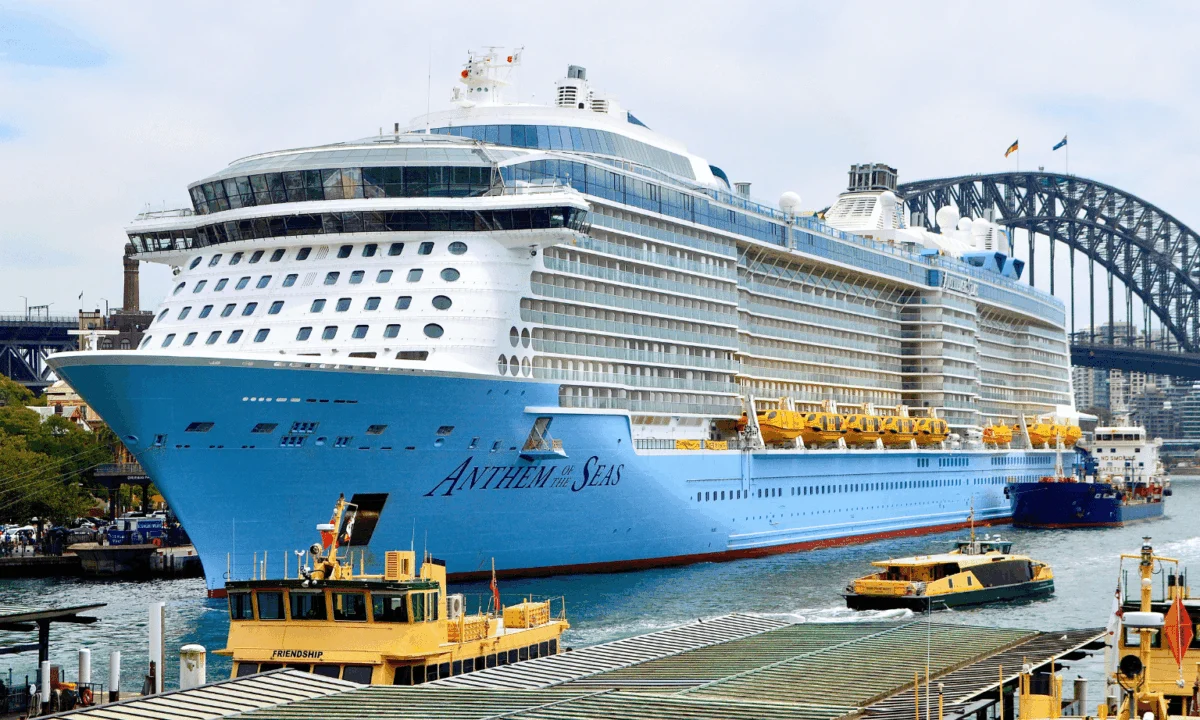
Sydney, Australia, presents an ideal scenario for this approach. The state’s celebrated culinary landscape extends far beyond the central business district, encompassing coastal suburbs, inner-city enclaves, and fertile inland valleys. Upon arrival at Sydney Airport, travelers can readily access areas like Cabramatta, renowned for its authentic Vietnamese cuisine, or Marrickville, a hub for artisan bakeries and burgeoning small bar scenes. Alternatively, an excursion towards the picturesque Blue Mountains, accessible within a reasonable drive, offers opportunities to savor regional specialties such as artisanal pies, locally produced ciders, and the offerings of small-batch roasteries.
To maintain energy levels and maximize enjoyment on the initial day of exploration, it is advisable to limit driving distances to a maximum of 90 minutes each way from a central base. This ensures a relaxed arrival, prevents fatigue, and allows ample time for incidental exploration or a brief interlude of rest. In instances of anticipated heavy traffic, a prudent adjustment involves rerouting to a closer suburban dining destination, reserving longer journeys for subsequent days.
This "airport gateway" concept is applicable to numerous destinations where rich regional food traditions are within easy reach. In Spain, Barcelona’s proximity to Girona allows for a delightful exploration of its market offerings and pastry shops, seamlessly integrating culinary stops with cultural visits. South Africa’s Cape Town serves as a launchpad to the renowned Winelands, where farm-to-table kitchens and wine tastings can be complemented by leisurely stops at roadside produce stands.
Canada’s Vancouver offers access to Richmond, a vibrant hub for Cantonese cuisine and delectable dessert shops that remain active well into the evening. In the United States, New Orleans provides easy access to smokehouses and seafood shacks located beyond the immediate downtown core, often featuring more accessible parking and shorter queues. In each of these locales, a rental vehicle empowers travelers to prioritize culinary discovery based on local operating hours rather than rigid itineraries dictated by accommodation locations.
The Art of Buffer Planning: Ensuring Culinary Resilience
A common pitfall of ambitious food-focused travel is the tendency to overschedule, leaving no room for the inevitable disruptions that can derail an entire day’s plans. A more resilient approach involves designating one "must-visit" dining establishment per day, while simultaneously identifying two to three nearby alternative options with readily available seating. This contingency planning ensures that a delayed train, unexpected traffic congestion, or a sudden closure does not necessitate the abandonment of prime culinary objectives.
Before committing to a dinner reservation, it is imperative to ascertain the "last order" time, rather than merely the stated closing time. Many kitchens, particularly on weeknights or during local events and public holidays, cease accepting new orders well in advance of their official closing. Similarly, market stall hours require careful verification, as popular vendors can exhaust their supply well before midday on weekends.
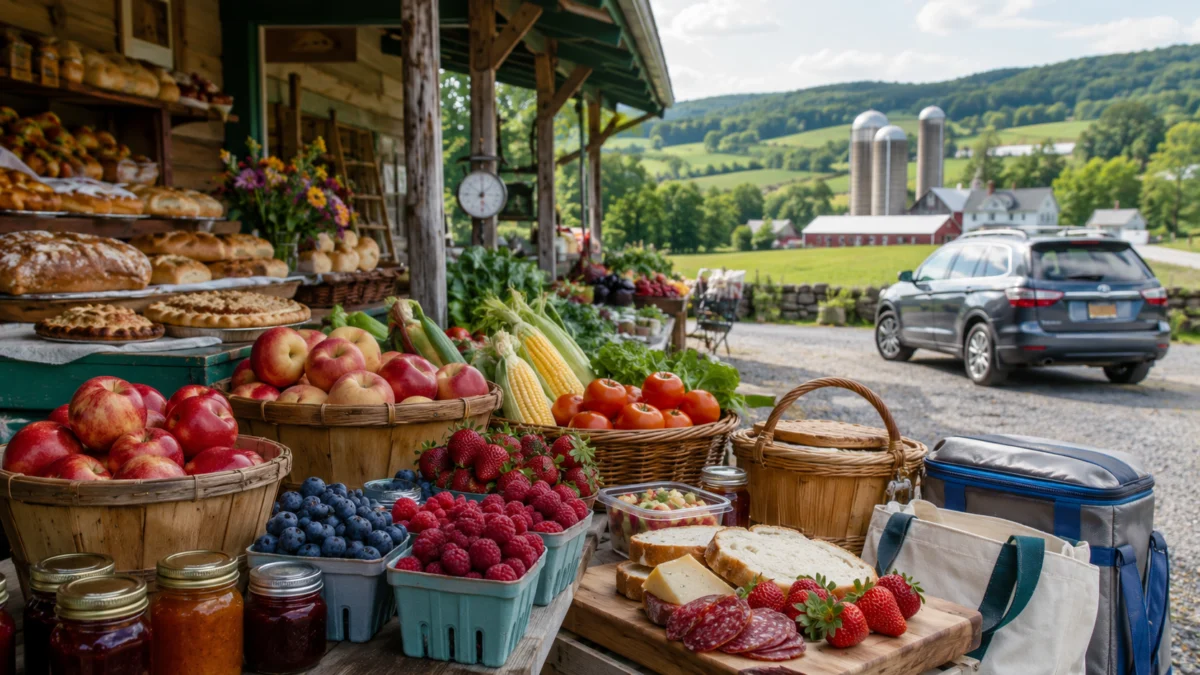
To enhance the comfort and efficiency of extended culinary explorations, travelers can equip themselves with a few lightweight essentials. Wet wipes are invaluable for impromptu clean-ups, a reusable water bottle aids hydration, and a small cooler bag is ideal for transporting perishable purchases like artisanal cheeses or delicate pastries. Carrying a portable charger and a small amount of local currency can be a lifesaver, as reliance on digital maps and payment systems can falter at critical moments.
For those who opt to drive between culinary destinations, a concise checklist can promote calm and safety. Identifying a single, convenient parking spot near the initial destination and then proceeding on foot between subsequent stops within a reasonable radius is a practical strategy. Prioritizing non-alcoholic beverages when driving is essential for safety and legal compliance, and opting for takeaway options over seated tastings can be a sensible alternative when needing to remain sober.
Diversifying Culinary Engagement: Beyond the Michelin Star
The most enduring food memories are often forged through a diverse range of culinary encounters, rather than an exclusive focus on high-profile restaurants. Each format offers a unique lens through which to understand a destination’s food culture. Markets provide insights into local ingredients and seasonal availability, cafes reveal daily habits and social rhythms, and bars offer a glimpse into communal dining practices. While fine dining can illuminate culinary techniques, its value is diminished if the experience feels rushed or prohibitively expensive.
A balanced itinerary should incorporate at least one spontaneous, local-frequented establishment per day. These often feature concise menus, a testament to a focused approach that typically signifies quality sourcing and efficient execution. Attempting to sample a signature dish multiple times across different establishments within a city can be an illuminating exercise, highlighting regional variations in preparation and ingredient utilization.
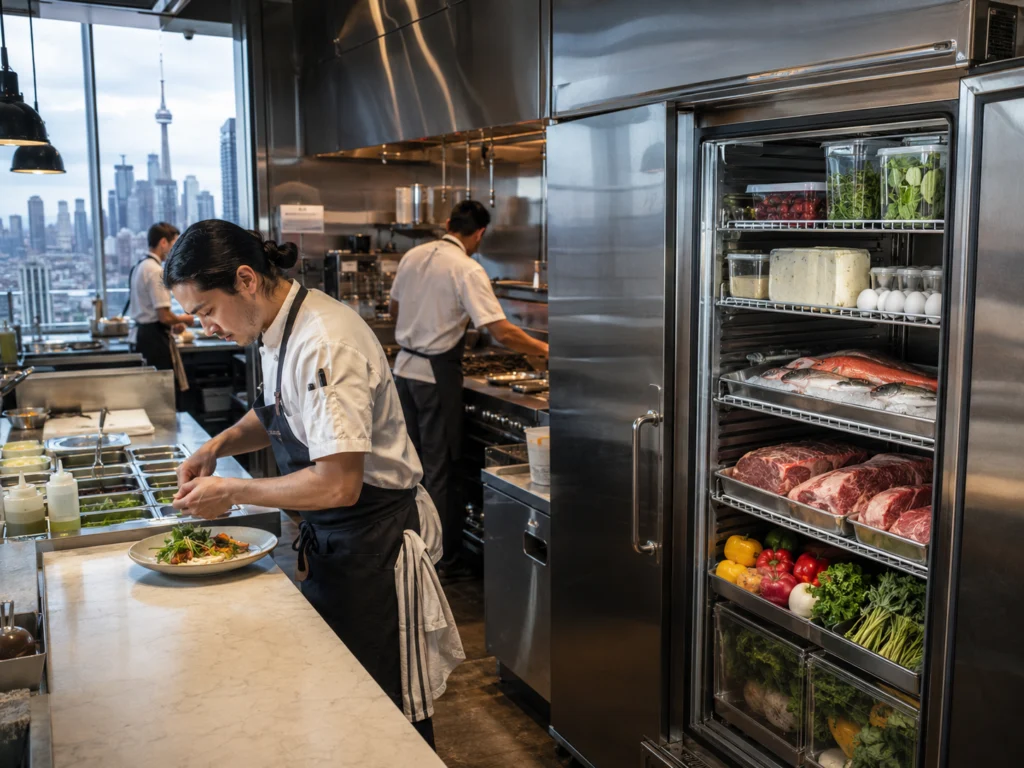
The choice of seating can profoundly influence one’s perception and subsequent ordering decisions. A seat at a counter provides a direct view of the kitchen’s operations, revealing the hands-on preparation, the tools of the trade, and the precise timing involved. This vantage point can inform more accurate ordering choices on subsequent visits. Conversely, an outdoor table encourages a slower pace, allowing for observation of local dining customs, such as how beverages are paired with small plates.
To solidify learning and create a personal culinary archive, it is beneficial to jot down three brief notes immediately after each meal, while the flavors are still vivid. These notes should include the dish’s name, a specific flavor profile, and a practical tip that could be replicated at home. Capturing a photograph of the menu can also be a valuable tool, facilitating future reference without the need for extensive digital scrolling.
Constructing a Personal Culinary Map: A Framework for Consistent Discovery
The process of building a personalized culinary map can commence upon arrival by visiting a local market to understand regional produce, followed by identifying a signature dish that encapsulates the city’s gastronomic identity. This initial immersion into ingredients and iconic preparations can then be augmented by seeking out simpler, complementary establishments located along planned walking routes for the day.
Maintaining a consistent routine while traveling is crucial for preventing food fatigue and avoiding suboptimal choices. Regular hydration, incorporating vegetables into midday meals, and patronizing fruit stalls encountered along the way are simple yet effective strategies. When feeling overly satiated, sharing dishes with companions or opting for smaller portions ensures the ability to continue exploring future culinary opportunities.
The ultimate goal is to translate these strategic insights into a tangible plan. This involves organizing culinary explorations by neighborhood clusters, incorporating generous time buffers, and setting realistic daily driving objectives. Such a structured yet adaptable approach empowers travelers to experience the rich tapestry of global cuisine with minimal stress and maximum enjoyment, ensuring that even unforeseen circumstances lead to delightful detours rather than culinary disappointments.

 Chandra Hamzah
 Gabriela Annisa
 Tatiana Tantri Indah Sari
 Budi Mulyono
 Anjar Salim