
 Budi Mulyono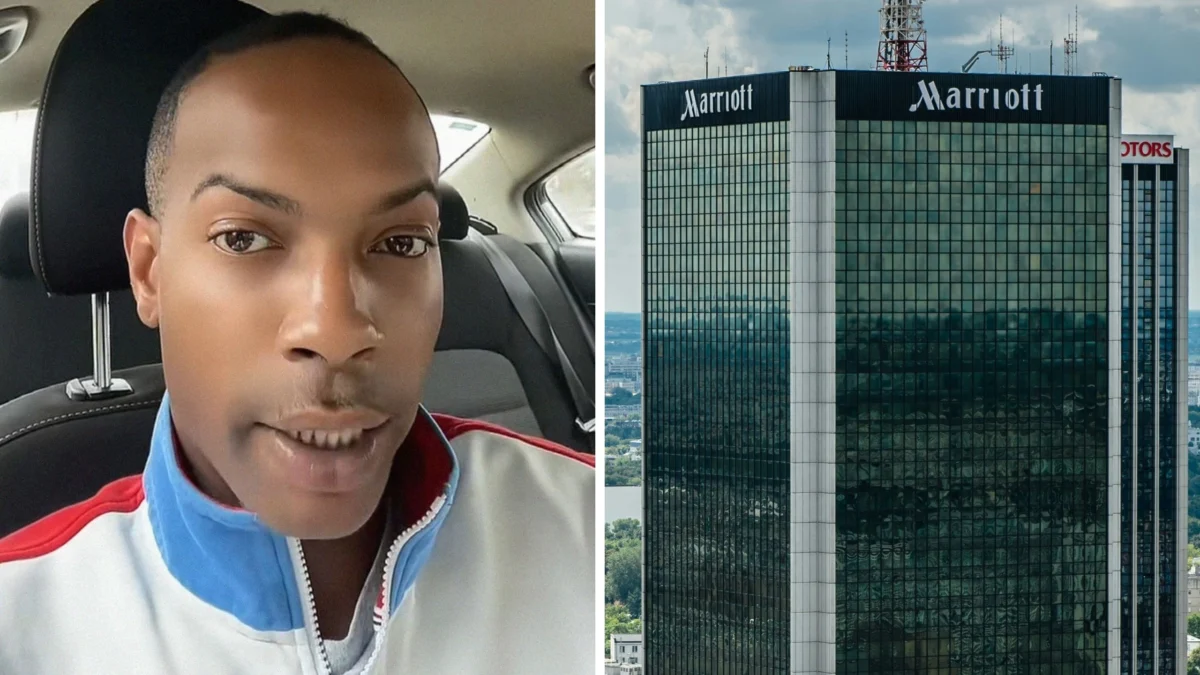
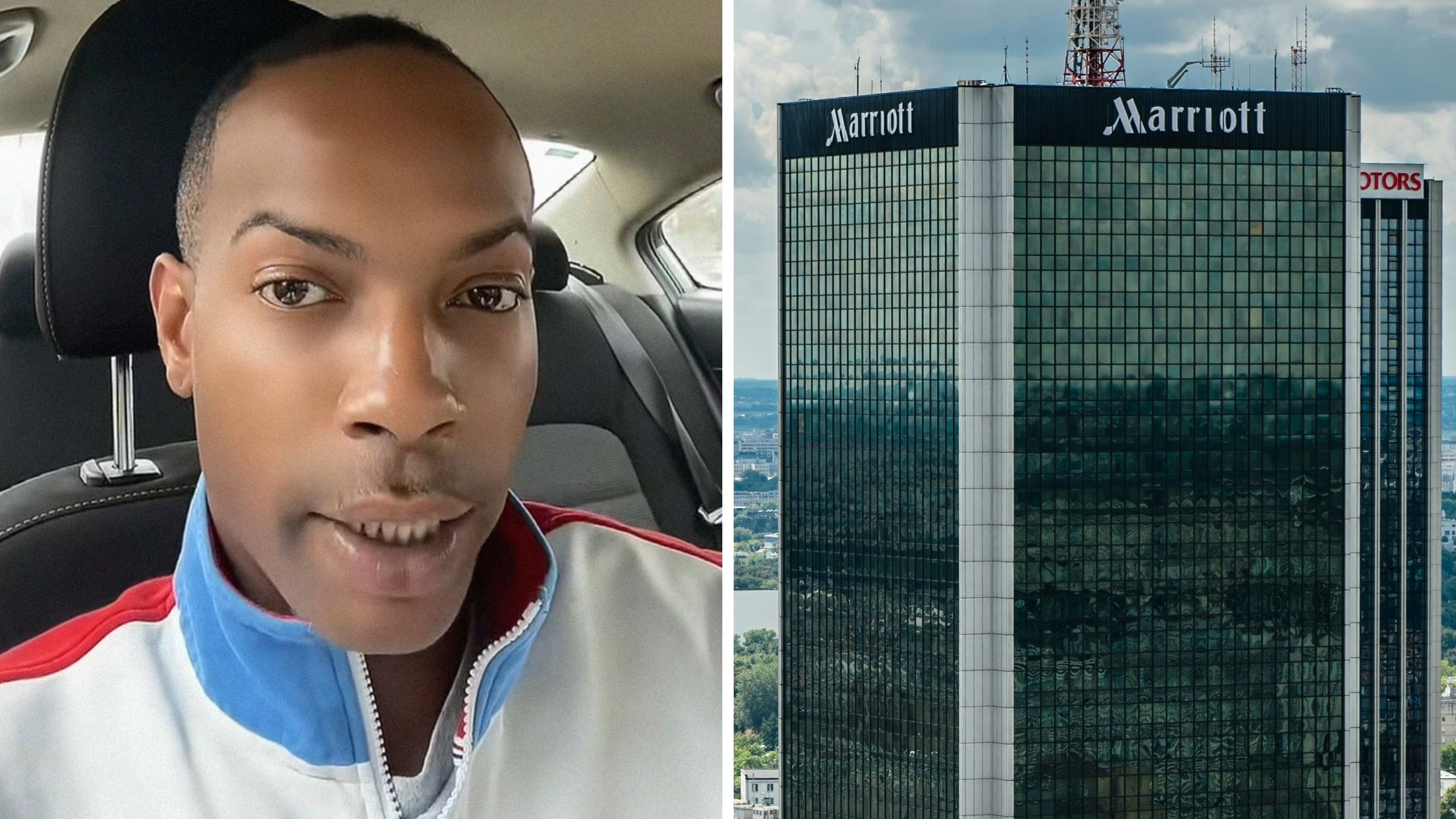
A longtime member of the Marriott Bonvoy loyalty program is spearheading a public campaign for a boycott of the international hotel chain following a contentious dispute over a $339 "room restoration" fee. The guest, identified as Hottie D on social media, alleges that the Four Points by Sheraton Miami, a Marriott-affiliated property, unfairly charged him for smoking in his room during a recent spring break trip. The incident highlights a growing tension between hospitality providers’ enforcement of non-smoking policies and consumer protections against what some travelers describe as arbitrary or predatory surcharges.
The dispute began following a multi-day stay in Miami, Florida, a period coinciding with the city’s peak spring break season. According to the guest, the conflict originated almost immediately upon arrival. After being granted an early check-in, the guest reports that a hotel manager performed a "courtesy check" within five minutes of the group entering the room. During this interaction, the manager reportedly reminded the guests that the property maintained a strict non-smoking policy. While the guest, a self-identified smoker, acknowledged the policy, he maintains that he and his party strictly adhered to Marriott’s regulations by smoking only in designated outdoor areas.
A Detailed Chronology of the Stay and Subsequent Charge
The timeline of the stay is central to the guest’s defense against the smoking allegation. According to his account, the trip proceeded without incident until the final evening. At approximately 2:30 a.m. on the last night of their stay, the group departed the hotel for a local venue, Klub 24. They did not return to the Four Points by Sheraton until 11:30 a.m. the following morning, having spent the intervening hours at the club, a downtown Chick-fil-A, and the beach.
Evidence of the group’s activities during this window was documented on social media, including a video featuring an encounter with Miami Beach Mayor Steven Meiner. In the footage, the Mayor is seen welcoming the group and encouraging them to enjoy the "clean and safe" environment of the city. Shortly after returning to the hotel and checking out, the guest headed to the airport, where he learned his flight had been canceled. It was during this delay that he received an automated email notification informing him of a $339 "room restoration" charge.
The guest returned to the hotel the following morning to confront management. According to his report, the manager stated that the smell of smoke in the room was sufficient grounds for the charge. "If I enter your room and your room smells like smoke, I will charge you," the manager allegedly told the guest. This interaction underscores the subjective nature of hotel policy enforcement, where the sensory observation of a staff member can trigger significant financial penalties.
Marriott’s Global Smoke-Free Policy and Enforcement Standards
To understand the context of this dispute, one must examine the evolution of the Marriott International smoking policy. In September 2006, Marriott became the first major global hotel company to implement a comprehensive smoke-free policy across its entire portfolio in the United States and Canada. This policy covers all guest rooms, balconies, hallways, lobbies, and meeting rooms. The initiative was marketed as a health and wellness measure, intended to improve indoor air quality for both guests and employees.
The enforcement of this policy relies heavily on the observations of hotel staff. Marriott’s official guidelines state that "all associates have been trained to respond to potential violations of the policy." This training specifically instructs housekeepers and maintenance staff to look for "signs of smoking," which can include the presence of ash, cigarette butts, smoking paraphernalia, or the lingering odor of tobacco or cannabis.
In the case of the Miami dispute, the hotel reportedly cited two pieces of evidence: the smell of smoke in the room and the discovery of an empty cigarette packet in the trash. The guest counters that the smell likely clung to his clothing and hair after spending hours in a nightclub environment—a common occurrence in Miami’s nightlife scene—and that an empty packet of cigarettes does not constitute proof of indoor consumption.
The $339 fee is categorized as a "room restoration" cost rather than a fine. In the hospitality industry, these fees are intended to cover the specialized cleaning required to remove third-hand smoke toxins from fabrics, carpets, and air filtration systems. This often involves the use of ozone machines and deep-cleaning chemicals, which can take a room out of inventory for 24 to 48 hours, resulting in lost revenue for the property.
Supporting Data on Hotel Smoking Fees and Consumer Disputes
The $339 fee charged to Hottie D is consistent with industry standards for mid-range to upscale properties. According to data from various hospitality management resources, smoking fees typically range from $250 to $500, depending on the brand and the severity of the cleaning required. Luxury properties may charge upwards of $1,000 if upholstery or drapery requires professional off-site restoration.
However, the frequency of disputes over these fees has risen in tandem with the growth of social media as a platform for consumer grievances. Travelers frequently report "surprise" smoking charges on forums such as TripAdvisor and Reddit, often claiming that the charges were applied despite no smoking having occurred.
In many instances, hotels win these disputes by providing "evidence" in the form of photographs. As one hotel general manager noted in response to the Miami incident, the legal and financial threshold for a hotel to uphold a charge often rests on documentation of physical items found in the room. If a hotel can provide a photo of a cigarette pack or ash, credit card companies are less likely to side with the consumer in a chargeback dispute, regardless of whether the guest claims the items were unused or brought in from outside.
Broader Implications for the Hospitality Industry and Consumer Rights
The conflict between Hottie D and Marriott highlights a significant gray area in consumer rights within the travel sector. Because the "evidence" for smoking is often subjective (smell) or circumstantial (trash), guests have little recourse once a charge has been processed.
The guest in this case has taken several steps to mitigate the financial impact, including filing a dispute with his financial institution. He confirmed that he has received a "provisional credit" while the bank investigates the claim. Under the Fair Credit Billing Act (FCBA), consumers have the right to dispute charges for services that were not provided or for incorrect billing amounts. However, if the hotel provides documentation—such as a signed registration card where the guest acknowledged the non-smoking policy and the potential for fees—the bank may ultimately reverse the credit.
This incident also reflects the power of "viral" accountability. By calling for a boycott of all Marriott and Bonvoy-affiliated properties, the guest is leveraging his social media following to exert pressure on a multi-billion-dollar corporation. For Marriott, the risk is not just the $339 in dispute, but the potential reputational damage among younger travelers who prioritize transparency and perceived fairness in corporate interactions.
Best Practices for Travelers to Avoid Similar Disputes
Industry analysts suggest that travelers take proactive measures to protect themselves from arbitrary fees, particularly in high-traffic tourist destinations like Miami during Spring Break. Recommended steps include:
- Immediate Reporting: If a room smells like smoke upon check-in, guests should notify the front desk immediately and request a different room or have a staff member document the pre-existing odor.
- Visual Documentation: Taking a video or photos of the room upon arrival and departure can provide a timestamped record of the room’s condition.
- Trash Management: As suggested by some social media users, avoiding leaving smoking-related trash (such as empty packs or lighters) in the room’s wastebins can remove circumstantial "evidence" used by hotels to justify fees.
- Reviewing the Fine Print: Guests should carefully read the "no-smoking" acknowledgement during the digital or physical check-in process, as this document often serves as the legal basis for the hotel’s right to charge the guest’s card on file.
As of the latest updates, the Four Points by Sheraton Miami and Marriott International have not issued a formal public statement regarding the specific allegations made by Hottie D. The guest remains steadfast in his demand for a permanent refund, stating that he will pursue legal counsel if the matter is not resolved to his satisfaction. The outcome of the bank’s investigation will likely determine the finality of the $339 charge, but the narrative serves as a cautionary tale for both hotels and travelers regarding the enforcement of subjective policies in the digital age.




 Anjar Salim
 Chandra Hamzah
 Tatiana Tantri Indah Sari

