
 Budi Mulyono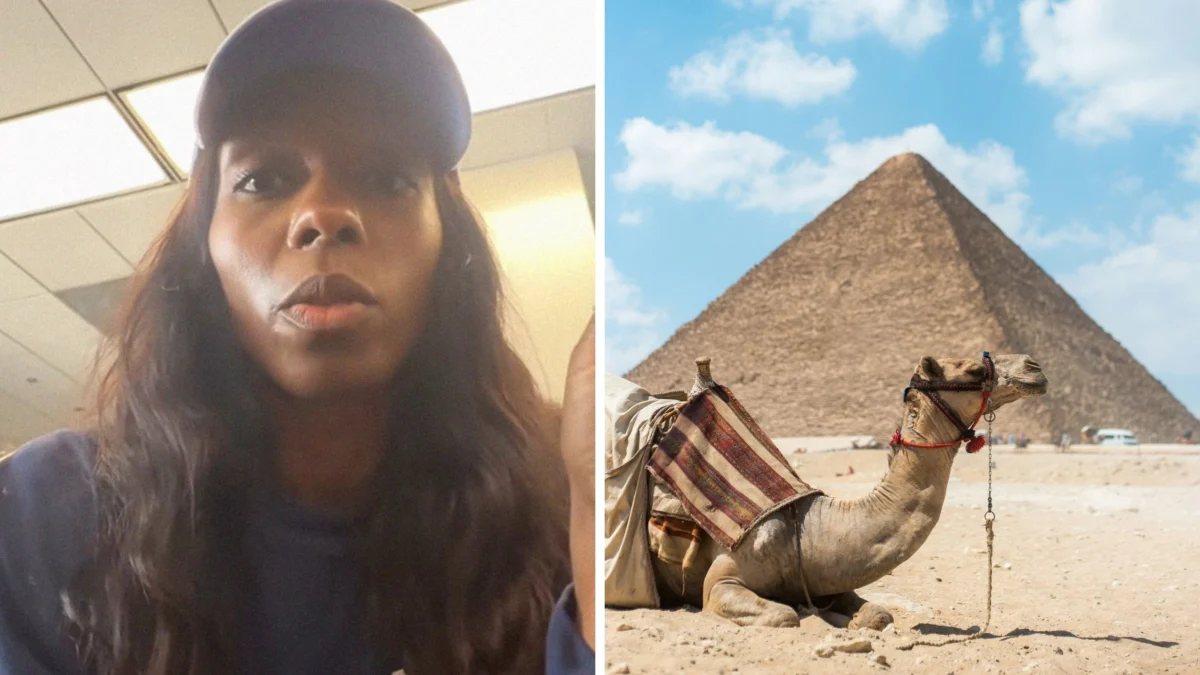
The Welch family, widely recognized in the digital travel community as the Little Welch Travelers, recently shared a harrowing account of their brief and tumultuous visit to Cairo, Egypt. Known for documenting a year-long global odyssey with their children, the family’s experience in the Egyptian capital served as a stark contrast to their otherwise seamless journey through destinations such as New Zealand, Bali, and Türkiye. After only two days of what was intended to be a week-long exploration of ancient history, the family made the executive decision to abandon their plans, citing a series of hostile encounters, security concerns, and systemic logistical failures. Their account, which has garnered over six million views on TikTok, has sparked a broader conversation regarding the realities of tourism in Egypt and the discrepancy between social media portrayals and the ground-level experience for international families.
The Abrupt Termination of a Bucket List Itinerary
Tatyana Welch, the family’s matriarch, detailed the emotional and financial toll of the decision to flee Cairo. The family reportedly spent several thousand dollars to cancel their existing reservations and secure immediate passage to Italy. According to Welch, the sense of relief was only palpable once their flight touched down on European soil, marking the end of a 48-hour period defined by anxiety and frustration.
The Welches had arrived in Cairo with high expectations, having viewed the city as a premier "bucket list" destination for years. However, the reality of the environment quickly eroded their enthusiasm. In a detailed blog post accompanying their viral video, Welch emphasized that while she acknowledged others may have had positive experiences, she felt a responsibility to provide an unvarnished account of their struggle. The family’s departure involved the forfeiture of pre-paid excursions and the cost of last-minute international flights, a financial burden they deemed necessary to ensure their peace of mind and safety.
Chronology of Events: From Customs to the Great Pyramids
The family’s difficulties began almost immediately upon arrival at Cairo International Airport. The primary point of contention involved a drone the family had brought for their content creation. Egypt maintains some of the strictest regulations in the world regarding unmanned aerial vehicles (UAVs). Under Law No. 216 of 2017, the use, possession, and importation of drones are strictly prohibited without a permit from the Ministry of Defense.
Welch reported that her husband was detained by customs officials for approximately two hours while they scrutinized the device and withheld his passport. This initial encounter set a tone of apprehension. While the family eventually cleared customs, the incident highlighted a significant gap in their pre-travel research regarding local security laws—a common pitfall for modern digital nomads.
The transition from the airport to their accommodation provided little reprieve. During the drive to their hotel, the family’s chauffeur reportedly engaged in aggressive "strong-arm" tactics. Welch alleged that the driver pulled the vehicle over without consent to pressure the family into hiring him for additional, unscheduled excursions. This type of solicitation, often described by travelers as "aggressive hawking," is a documented challenge in Cairo’s tourism sector, despite government efforts to regulate the behavior of service providers.
Upon reaching the Intercontinental Cairo Semiramis, a luxury establishment located near Tahrir Square, the family was met with rigorous security protocols. Welch described a process involving canine units and airport-style scanners before they could access the lobby. While such measures are standard in high-end Egyptian hotels following historical security concerns in the region, the family found the atmosphere oppressive. Furthermore, they reported that their room was permeated with a heavy scent of cigarette smoke, adding to their physical discomfort.
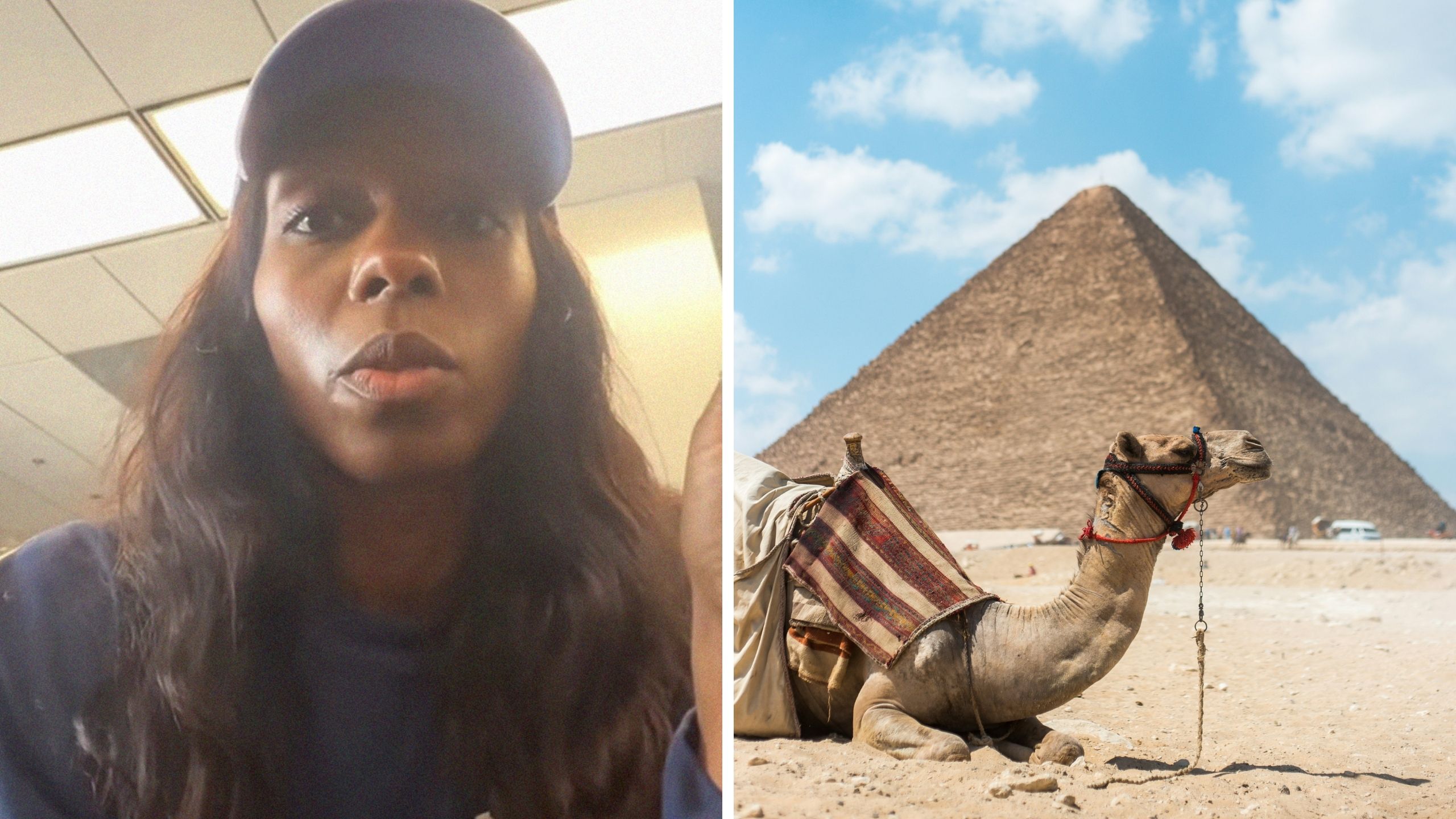
The final straw occurred during their visit to the Giza Plateau. While the Great Pyramids are among the Seven Wonders of the Ancient World, the Welches found the experience overshadowed by the "constant presence of scammers" and the "screaming" of vendors. The cumulative effect of these interactions led the family to conclude that the environment was unsuitable for their children, prompting their immediate exit from the country.
Legal and Security Context: The Egyptian Tourism Landscape
The Welch family’s experience reflects broader complexities within the Egyptian tourism industry. Egypt has invested heavily in its tourism sector, which accounts for approximately 12% of the nation’s GDP. In 2023, the country welcomed a record 14.9 million visitors, and the government has set an ambitious target of 30 million annual visitors by 2028. However, this growth has been accompanied by persistent reports of tourist harassment and a heavy-handed security apparatus.
The United States Department of State currently maintains a Level 3 travel advisory for Egypt, advising travelers to "Reconsider Travel" due to terrorism. While the advisory notes that the Egyptian government maintains a heavy security presence at major tourist sites, it also warns of the potential for arbitrary detention and the strict enforcement of laws regarding specialized electronic equipment, such as drones and high-powered cameras.
Furthermore, the "human element" of Cairo’s tourism—specifically the aggressive nature of street vendors and unofficial guides—remains a significant deterrent for some. The Egyptian Parliament has previously passed laws intended to fine or imprison individuals who "pester" tourists with the intent to sell goods or services, but enforcement remains inconsistent in high-traffic areas like the Giza Plateau and Khan el-Khalili.
Comparative Reactions and Public Discourse
The Welches’ viral testimony has divided the travel community. Commenters on social media platforms echoed a wide range of sentiments, highlighting the subjective nature of international travel. Many travelers corroborated the family’s account, sharing stories of feeling unsafe or overwhelmed by the chaotic nature of Cairo’s urban environment. One commenter noted that they felt "genuinely scared" during a similar trip to North Africa with a young child, suggesting that the region poses unique challenges for families with small children.
Conversely, a significant portion of the audience defended Egypt as a destination. These travelers argued that the Welch family’s experience might have been mitigated by better preparation and the use of private, vetted tour guides. Proponents of Egyptian travel emphasized that "Cairo is the heart of the motherland" and reported successful trips involving children as young as infants. They suggested that those who struggle in Cairo often fail to account for the cultural differences and the necessity of navigating the city with local assistance.
Travel experts often suggest that Cairo requires a higher level of "travel maturity" and logistical planning than more westernized destinations. The use of private drivers, pre-booked licensed guides, and a clear understanding of local customs and laws are frequently cited as essential components of a successful Egyptian itinerary.
Fact-Based Analysis of Implications
The Welch family’s decision to share their "failed" trip highlights a growing trend in travel media: the rejection of the "perfect" vacation narrative. For years, travel influencers have been criticized for presenting an idealized version of destinations, often omitting the logistical hurdles, dirt, and dangers that can accompany international exploration. By choosing transparency over "keeping up appearances," the Welches have contributed to a more realistic dialogue about the risks and rewards of family travel in developing nations.
However, the incident also serves as a case study in the importance of pre-travel intelligence. The drone incident, in particular, was a preventable conflict had the family been aware of Egypt’s strict security laws. As countries like Egypt continue to modernize their tourism infrastructure while maintaining rigid security postures, the onus falls increasingly on the traveler to navigate these complexities.
From an economic perspective, such viral negative reviews pose a challenge to Egypt’s Ministry of Tourism and Antiquities. While the country is opening massive new projects, such as the Grand Egyptian Museum (GEM), to attract high-spending tourists, the "on-the-ground" experience—specifically the transition from the airport to the hotel and the management of vendors at historic sites—remains a critical area for improvement. If the "gatekeepers" of tourism, such as drivers and vendors, continue to provide hostile experiences, the country risks losing the lucrative family demographic to more "seamless" destinations in Europe or Southeast Asia.
Conclusion
The Welch family’s 48-hour stay in Cairo serves as a multifaceted lesson for the modern traveler. It underscores the physical and emotional toll that logistical friction can take on a family, the strict legal realities of traveling with high-tech equipment in security-conscious nations, and the ongoing debate regarding the "tourist experience" in one of the world’s oldest cities. While Cairo remains an unparalleled repository of human history, the Welch family’s account suggests that for some, the luster of the pyramids is not enough to outweigh the challenges of the journey. As the family continues their world tour from the safety of Italy, their story remains a viral reminder that even the most seasoned travelers can find themselves overwhelmed by the unpredictable nature of global exploration.



 Anjar Salim
 Chandra Hamzah
 Tatiana Tantri Indah Sari

