
 Tatiana Tantri Indah Sari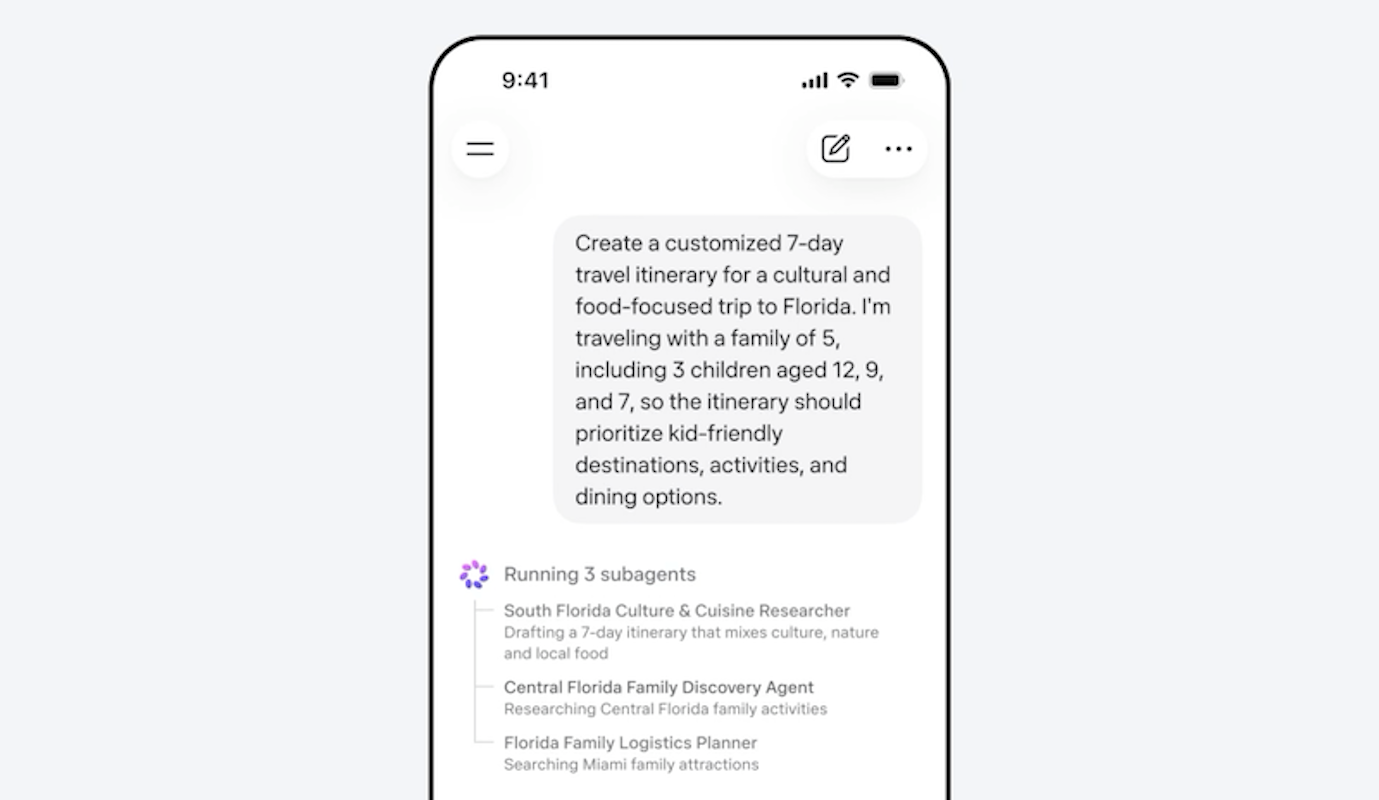
The global travel industry is on the cusp of a transformative shift as tech behemoths Amazon, Meta, and Google independently race to integrate advanced artificial intelligence into travel planning and booking, each adopting distinct strategies and forging unique partnerships. This parallel development, while promising unparalleled convenience for consumers, is simultaneously creating a fragmented digital landscape that presents a formidable challenge for travel executives: a new distribution problem reminiscent of the early internet era, but exponentially more complex. The lack of a unified playbook across these burgeoning AI ecosystems means that visibility, reach, and user engagement are not portable, forcing travel providers to navigate a multi-polar world where their presence in one AI environment does not guarantee access to another.
The New Frontier of AI-Powered Travel Planning
The current wave of generative AI, exemplified by models like OpenAI’s ChatGPT and Google’s Gemini, has rapidly accelerated the potential for AI to move beyond simple chatbots and recommendation engines towards "agentic AI." This refers to AI systems capable of understanding complex requests, performing multi-step tasks, and making decisions to achieve a user’s goal – in this case, planning and booking entire trips. The strategic thrust by Amazon, Meta, and Google into this domain signifies a pivotal moment, potentially reshaping how billions of people discover, plan, and purchase travel experiences.
Amazon’s Alexa+ and the Expedia Integration
Amazon has been a long-standing player in the smart home and voice assistant market with Alexa. The company’s recent strategic pivot, highlighted by the revamp of Alexa+ and a clear announcement of its travel intentions this month, signals a deeper dive into transactional capabilities. Central to this strategy is an announced integration with Expedia, one of the world’s largest online travel agencies (OTAs), slated for later this year. This partnership aims to enable Alexa+ users to plan and potentially book travel directly through voice commands or interactive displays, leveraging Expedia’s vast inventory of flights, hotels, and activities.
For Amazon, this move is a natural extension of its ecosystem strategy. By embedding travel planning capabilities directly into Alexa, Amazon seeks to enhance the utility of its devices, increase user engagement, and potentially capture a share of the lucrative travel booking market. The integration with Expedia provides immediate access to a comprehensive supply chain, sidestepping the need for Amazon to build its own travel inventory from scratch. Analysts suggest this could represent a significant threat to other travel intermediaries, as Amazon’s reach into millions of homes positions it as a powerful new gateway for travel discovery.
Meta’s Internal Ecosystem Strategy
In contrast to Amazon’s partnership-centric approach, Meta’s strategy, evidenced by the release of its new AI model this week, appears more internally focused. The model is explicitly built to draw data from and live inside Meta’s own expansive suite of products, including Facebook, Instagram, and WhatsApp. This approach aims to leverage Meta’s unparalleled social graph and user data to create highly personalized travel planning experiences within its own walled garden. Imagine an AI assistant on Instagram suggesting travel destinations based on your friends’ recent posts, your saved photos, or even your interactions with travel content, and then helping you plan the logistics without ever leaving the app.
Meta’s motivation is likely rooted in deepening user engagement across its platforms and creating new monetization opportunities through direct bookings, advertising, or commission models. By keeping the AI within its ecosystem, Meta retains tighter control over the user experience and, critically, the vast amounts of data generated. This strategy aligns with Meta’s long-term vision of building interconnected digital experiences, potentially offering a seamless transition from inspiration to booking for its billions of users. However, it also implies a more insular environment, where travel providers must specifically integrate with Meta’s tools to gain visibility.
Google’s Dual Play: Agentic Booking and Ecosystem Expansion
Google, with its historical dominance in search and its existing Google Flights and Google Hotels products, is pursuing a multi-pronged strategy that underscores both its internal ambitions and its desire for broader ecosystem reach. Behind the scenes, Google is actively working to build agentic booking capabilities, allowing its AI to not only suggest travel options but also to autonomously complete complex booking tasks on behalf of users. This could mean a conversational AI understanding a user’s vague travel desires and then proactively researching, comparing, and booking flights, accommodations, and activities, all within the Google environment.
Concurrently, Google is expanding its AI footprint into rival ecosystems. Its advanced Gemini model is set to integrate with Apple’s Siri voice assistant, bringing Google’s powerful AI capabilities directly to iPhones. This collaboration signifies a strategic bridge-building effort, allowing Google to reach Apple’s massive user base even if those users prefer Siri as their primary voice interface. Furthermore, Gemini is slated to power live translation for travelers with iPhones, a feature that enhances the travel experience itself, making international travel more accessible and seamless. This dual approach positions Google to both dominate its native search-to-book funnel and extend its AI’s influence across other critical platforms.
The Fragmentation: The New Distribution Problem
The core challenge highlighted by these parallel developments is the emerging "new distribution problem." For decades, travel distribution evolved from Global Distribution Systems (GDS) to Online Travel Agencies (OTAs) and direct booking channels. Each new layer brought its own complexities and opportunities for travel suppliers. The current AI landscape, however, introduces an unprecedented level of fragmentation.
As the original snippet succinctly states: "These environments don’t share a unified playbook, which means visibility isn’t portable." An OTA that partners deeply with Google for AI-driven booking tools won’t necessarily appear prominently in an Alexa interaction or be recommended on Meta’s platforms. This forces travel providers – airlines, hotels, tour operators, and even smaller OTAs – to engage in a complex and resource-intensive strategy of integrating with multiple, distinct AI ecosystems.
This fragmentation carries several critical implications:
- Increased Complexity for Suppliers: Hotels, airlines, and other travel providers will need to manage their inventory, pricing, and promotional content across numerous AI platforms, each with its own APIs, data requirements, and algorithms. This could necessitate new technology investments and dedicated teams to manage AI channel distribution.
- Risk of Disintermediation: As AI agents become more sophisticated, they could potentially bypass traditional OTAs by directly integrating with suppliers or by becoming the primary booking interface themselves. This could erode the market share and profitability of existing intermediaries.
- Uneven Visibility: Smaller travel providers, or those with limited resources, may struggle to gain visibility across all major AI platforms, potentially ceding market share to larger players who can afford broader integration strategies.
- Data Silos: Each tech giant will collect vast amounts of travel data within its own ecosystem, potentially leading to data silos that hinder a holistic understanding of consumer behavior across the industry.
Background and Evolution of AI in Travel
AI’s journey in the travel sector is not new. Early iterations included rule-based chatbots handling customer service inquiries, simple recommendation engines based on past bookings, and personalized email marketing campaigns. However, these systems were largely reactive and lacked the cognitive abilities to truly understand complex human intent or autonomously execute multi-step tasks.
The breakthrough of generative AI in late 2022 marked a paradigm shift. Large Language Models (LLMs) demonstrated unprecedented capabilities in natural language understanding, generation, and reasoning. This enabled AI to move beyond keyword matching to genuine conversational interfaces, capable of understanding nuanced travel preferences, handling ambiguous requests, and creatively suggesting itineraries. The current push by Amazon, Meta, and Google is a direct response to this technological leap, aiming to leverage these powerful new models to create truly "agentic" travel assistants.
The travel industry itself is a massive and dynamic market, estimated to be worth trillions of dollars globally before the pandemic and rapidly recovering. Digital travel sales alone constitute a significant portion, with consumers increasingly relying on online channels for research and booking. The entry of tech giants with their deep pockets and advanced AI capabilities is set to accelerate this digital transformation, pushing the boundaries of what’s possible in personalized travel planning.
Industry Reactions and Expert Analysis
While no official statements from travel executives were provided in the original snippet, it is logical to infer a mix of apprehension and strategic urgency within the industry. Travel leaders are likely grappling with the following:
- OTAs: Representatives from companies like Booking.com, Expedia, and TripAdvisor are likely evaluating how to adapt their business models. They might see the potential for new partnership opportunities with the AI giants, as Expedia has done with Amazon, but also recognize the existential threat if they fail to integrate effectively or if the AI giants choose to disintermediate them. The need for a robust multi-platform strategy will be paramount.
- Airlines and Hotels: Suppliers might view this as a double-edged sword. On one hand, direct integration with AI agents could offer new channels to reach customers and potentially reduce reliance on traditional OTAs, thereby lowering commission costs. On the other hand, managing these numerous AI channels, ensuring brand consistency, and maintaining competitive pricing will add significant operational complexity. There’s also the risk of losing direct customer relationships if bookings are primarily mediated by an AI.
- Industry Analysts: Experts like those from Skift or Phocuswright are likely to emphasize the strategic implications for market share, profitability, and consumer behavior. They would point to the massive investment in AI by these tech companies – collectively billions of dollars annually – as evidence of their long-term commitment. Analysts might predict a period of intense competition, followed by consolidation or the emergence of new standards, similar to the evolution of web standards or mobile app ecosystems. They would also highlight the consumer expectation for seamless, personalized experiences, driving this innovation.
Broader Implications and the Road Ahead
The implications of this AI-driven fragmentation extend far beyond immediate business models:
- For Consumers: The promise is undeniable: hyper-personalized travel itineraries, instantaneous booking, and a vastly simplified planning process. Imagine an AI that knows your budget, travel style, past trips, and even current mood, then crafts a perfect vacation with minimal input. However, there are also potential downsides, including algorithmic bias (AI favoring certain suppliers or routes), data privacy concerns, and the risk of being locked into a specific tech ecosystem.
- For Big Tech: This push represents a strategic battle for control over the next generation of digital commerce and user interaction. By owning the AI layer, these companies can deepen their ecosystem lock-in, capture vast amounts of valuable consumer data, and create new revenue streams through advertising, commissions, or subscription models for premium AI services.
- Regulatory Challenges: The rise of powerful, interconnected AI agents across dominant tech platforms could raise significant antitrust concerns. Regulators might scrutinize issues of market dominance, data portability, and fair competition if the fragmentation leads to exclusionary practices or hinders smaller players. The question of who owns the customer relationship and the data generated through AI-led bookings will also become increasingly pertinent.
- The Need for Interoperability: As the fragmentation intensifies, there will likely be growing calls for greater interoperability and standardization across AI platforms. The travel industry, which thrives on interconnectedness, may eventually push for mechanisms that allow for more seamless data exchange and consistent visibility across different AI agents, potentially mitigating the "new distribution problem." Without such solutions, the industry risks an inefficient, disjointed future where travelers and providers alike face unnecessary hurdles.
In conclusion, the independent and diverse approaches taken by Amazon, Meta, and Google in building AI travel planning systems signal a profound shift in the travel landscape. While the ultimate beneficiaries are envisioned to be consumers through enhanced convenience, the immediate future for travel executives is one of strategic navigation through a fragmented and complex distribution environment. The success of travel providers will hinge on their ability to adapt, integrate, and innovate within this new, AI-powered paradigm, ensuring they remain visible and relevant in a world increasingly mediated by intelligent agents.



 Chandra Hamzah
 Gabriela Annisa
 Hendra Ismail
 Walid Sujud Trenggono
 Budi Mulyono