
 Tatiana Tantri Indah Sari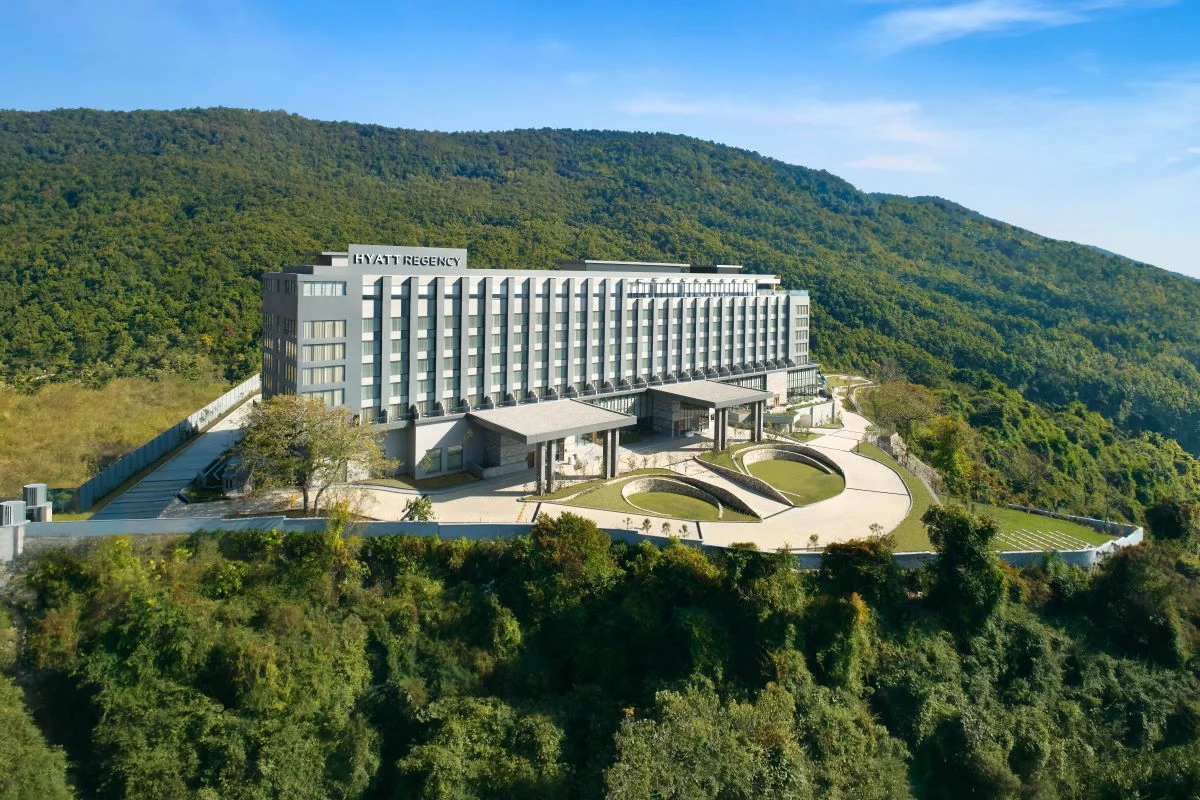
Hyatt Hotels Corporation is embarking on a strategic initiative to cultivate a bespoke hotel brand specifically tailored for the Indian market, signaling a significant pivot towards deep localization and cultural integration. This move, reminiscent of its successful Atona concept launched in Japan, aims to create a hospitality experience that is intrinsically Indian in its essence, rather than an imported model. The overarching goal is to capitalize on India’s burgeoning domestic tourism and vast, yet often under-toured, geographical and cultural diversity, while simultaneously exploring the potential for such a brand to achieve global recognition.
Stephen Ho, president of growth and operations for Asia Pacific at Hyatt, articulated this vision exclusively to Skift, stating, "We believe India does have the opportunity, where maybe we can develop something that is uniquely Indian, and can also be globalized." This statement underscores Hyatt’s dual ambition: to authentically serve the Indian traveler and to potentially export a refined version of Indian hospitality to the world. The crucial strategic question for the global hospitality giant remains whether this brand will be organically developed from the ground up or achieved through the acquisition of an existing, well-rooted local entity.
Hyatt’s Enduring Presence and Evolving Strategy in India
Hyatt’s journey in India commenced in 1983, marking it as one of the early international entrants into the country’s nascent luxury hospitality sector. Over the past four decades, the company has steadily expanded its footprint, establishing a formidable presence with 55 hotels currently operational across the nation. Its portfolio in India spans several of its well-known global brands, including Park Hyatt, Grand Hyatt, Hyatt Regency, Hyatt Centric, and Andaz, catering to a diverse range of travelers from business executives to luxury leisure seekers. This steady expansion reflects Hyatt’s long-term commitment to the Indian market, which it views as a critical growth engine for its Asia Pacific operations.
However, the current strategic exploration signifies an evolution beyond mere brand presence. It represents a deeper dive into market differentiation, recognizing that while international brands bring global standards and recognition, a truly resonant brand in India might require an intrinsic connection to the country’s unique ethos. The market has matured significantly since Hyatt’s initial entry, with a robust ecosystem of both international and strong domestic players. This competitive landscape, coupled with India’s distinctive cultural fabric, necessitates a more nuanced approach to brand development.
India’s Untapped Tourism Potential: A Data-Driven Overview
The rationale behind Hyatt’s focus on an "uniquely Indian" brand is firmly rooted in the country’s vast and often underappreciated tourism potential. India is a land of incredible contrasts and diversity, boasting ancient civilizations, diverse landscapes ranging from the Himalayas to sun-drenched coastlines, arid deserts to lush rainforests, and a rich tapestry of cultures, languages, and culinary traditions.
Before the global pandemic, India was witnessing a significant surge in both domestic and international tourism. Domestic tourism, in particular, has been a cornerstone of the Indian hospitality sector, with over 2 billion domestic tourist visits recorded annually in the years leading up to 2020. This robust domestic demand is driven by India’s rapidly expanding middle class, increasing disposable incomes, improved connectivity, and a growing desire among Indians to explore their own country. Government initiatives like "Dekho Apna Desh" (See Your Own Country) have further amplified this trend, encouraging citizens to discover India’s heritage and natural beauty.
While international tourist arrivals hovered around 10-11 million annually pre-pandemic, a figure that many industry experts consider modest given India’s size and allure, the recovery post-pandemic has been steady, with renewed government focus on boosting inbound tourism. The "under-tourism" paradox highlighted by Hyatt’s Stephen Ho refers to this disparity: despite being a massive country with unparalleled heritage and natural wonders, many regions remain largely unexplored by both domestic and international visitors, or tourism is concentrated in a few well-trodden circuits. This presents a colossal opportunity for a brand that can unlock and showcase these diverse experiences authentically.
The Indian hospitality market is projected to grow at a significant compound annual growth rate (CAGR), with estimates often ranging from 10-15% over the next decade. This growth is fueled by infrastructure development, rising affluence, and the increasing formalization of the travel sector. A brand deeply rooted in Indian traditions and landscapes, rather than merely an imported concept, could uniquely position itself to capture a significant share of this expanding market.
The Strategic Rationale: Building from Scratch vs. Acquisition
The dilemma facing Hyatt—whether to build a new brand from scratch or acquire an existing one—is a critical strategic inflection point with significant implications. Both approaches offer distinct advantages and challenges.
Building from Scratch:
- Pros: Allows for complete control over brand identity, design, service philosophy, and cultural integration from inception. Ensures alignment with Hyatt’s global standards and values while being tailored for India. Provides an opportunity to create a truly unique concept unburdened by legacy issues.
- Cons: Time-consuming and capital-intensive, requiring extensive market research, concept development, property acquisition/development, and brand building from zero recognition. Carries higher risks associated with market acceptance and brand penetration.
- Implications: A new build would likely involve close collaboration with local architects, designers, artisans, and culinary experts to ensure authenticity. It would also allow Hyatt to meticulously craft the guest experience, potentially integrating elements of Indian wellness (Ayurveda, Yoga), traditional arts, and regional gastronomy into its core offering.
Acquisition of an Existing Brand:
- Pros: Offers faster market entry and immediate access to an established brand reputation, existing customer base, and a portfolio of properties. Can bypass the lengthy process of brand building and property development. May provide a more immediate understanding of local market nuances and operational expertise.
- Cons: Integration challenges, including cultural differences, operational disparities, and potential dilution of the acquired brand’s original identity. May involve significant due diligence to assess brand value, asset quality, and legal complexities. The acquired brand might not perfectly align with Hyatt’s long-term vision or global standards.
- Implications: An acquisition would require careful consideration of existing Indian hospitality brands, particularly those with a strong regional identity or a focus on heritage, boutique, or experiential tourism. Examples might include smaller, curated collections of heritage hotels or locally renowned boutique chains that embody specific regional aesthetics or philosophies. The challenge would be to integrate these into Hyatt’s global framework while preserving their distinct character.
Industry analysts suggest that an acquisition could provide a quicker route to market penetration, especially if Hyatt targets a brand with a strong regional foothold in key tourist destinations. However, a ground-up development offers unparalleled flexibility in crafting a truly differentiated product that could potentially be scaled and even globalized.
Drawing Lessons from Atona, Japan
Hyatt’s Atona concept in Japan provides a valuable precedent for its India strategy. Atona, launched in 2022, is a luxury ryokan-inspired brand that deeply embeds itself in local Japanese culture, design, and hospitality traditions. Its properties are designed to offer an authentic, immersive experience, combining traditional Japanese aesthetics with contemporary luxury. The brand focuses on storytelling, local craftsmanship, and bespoke services that connect guests with the essence of their surroundings.
The success of Atona demonstrates Hyatt’s capability to develop culturally sensitive and authentic brands that resonate with both domestic and international travelers seeking genuine local experiences. For India, this model could translate into a brand that:
- Architecturally reflects regional styles: From Rajasthani havelis and Kerala backwater resorts to Himalayan chalets and colonial bungalows.
- Integrates indigenous wellness practices: Offering Ayurvedic treatments, yoga retreats, and traditional healing therapies.
- Showcases local culinary heritage: Featuring regional Indian cuisines prepared with locally sourced ingredients, potentially supporting local farmers and food artisans.
- Promotes local arts and crafts: Incorporating indigenous art forms into decor, offering workshops, and creating retail spaces for local artisans.
- Offers curated experiential tourism: Organizing cultural immersion programs, historical tours, nature expeditions, and community engagement activities.
Such a brand could potentially target various segments: the discerning Indian traveler exploring their own country’s heritage, international tourists seeking an authentic Indian experience beyond standard luxury, and even spiritual or wellness tourists looking for holistic retreats.
Implications for the Indian Hospitality Landscape
Hyatt’s potential foray into a "uniquely Indian" brand holds significant implications for the broader hospitality landscape in India:
- Increased Competition and Innovation: This move will intensify competition, particularly in the experiential, boutique, and luxury segments. It could spur other international and domestic players to re-evaluate their own localization strategies and invest further in culturally authentic offerings.
- Elevating Indian Hospitality Standards: By leveraging Hyatt’s global expertise in service, operations, and sustainability, a new Indian brand could set new benchmarks for quality and experiential luxury, potentially elevating the overall standard of locally inspired hospitality.
- Promotion of Sustainable Tourism: A brand focused on local identity often inherently emphasizes sustainable practices, including sourcing local materials, supporting local communities, and preserving natural and cultural heritage. This aligns with global trends in responsible tourism.
- Economic Impact: Development of new properties or acquisition and refurbishment of existing ones would create significant employment opportunities across various skill levels, from construction and hospitality operations to local artisans and guides. It would also boost local economies through procurement of goods and services.
- Cultural Preservation and Promotion: By actively integrating and showcasing India’s diverse traditions, arts, and crafts, such a brand could play a vital role in preserving and promoting India’s rich cultural heritage, making it accessible to a wider audience.
- Benchmarking for Globalization of Indian Brands: If successful, a "uniquely Indian" brand that achieves global recognition would demonstrate the immense potential for Indian hospitality concepts to transcend geographical boundaries, much like major global hotel brands have done. This could pave the way for other Indian hospitality players to consider international expansion.
Challenges and Opportunities Ahead
While the potential is immense, Hyatt’s endeavor will not be without its challenges. Navigating India’s diverse regulatory environment, securing suitable land or acquisition targets, and ensuring authentic cultural representation without resorting to superficial exoticism will be critical. Talent acquisition and training, particularly for a brand deeply rooted in local traditions, will also require significant investment. Furthermore, the development of infrastructure in nascent tourist areas, which hold significant untapped potential, will be a key factor in the brand’s reach.
However, these challenges are outweighed by the immense opportunities presented by India’s dynamic market. The country’s strong economic growth, increasing air connectivity, and a government increasingly prioritizing tourism as a key economic driver create a fertile ground for such an initiative.
Looking Ahead: The Future of Hyatt in India and Beyond
Hyatt’s strategic exploration of a "uniquely Indian" brand is more than just a market expansion tactic; it represents a profound recognition of India’s distinct identity and its potential as a global tourism powerhouse. By committing to a brand that authentically reflects India’s traditions, landscapes, and hospitality ethos, Hyatt aims to forge a deeper connection with travelers, both domestic and international. The decision to build from scratch or acquire will define the initial trajectory, but the ultimate success will hinge on its ability to truly capture and celebrate the spirit of India. Should this venture prove successful, it not only promises to bolster Hyatt’s standing in one of the world’s most vibrant economies but also to offer a compelling model for how global hospitality can genuinely embrace and export local identities on a worldwide stage.



 Anjar Salim
 Chandra Hamzah
 Budi Mulyono
 Lukman Taruna Persada Ramadan
