
 Gabriela Annisa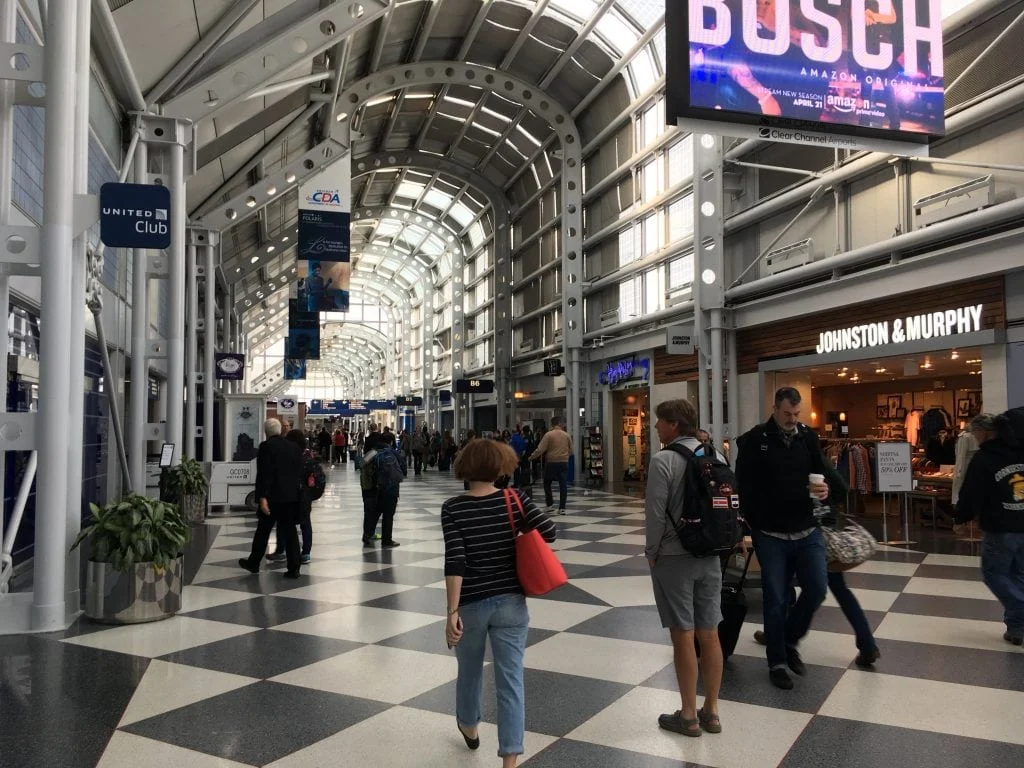
The United States airline industry is currently grappling with an acute fuel price crisis, with jet fuel costs nearly doubling since February, a significant surge for an expense that typically constitutes 20-30% of an airline’s operating budget. Despite this formidable challenge, domestic demand has remained unexpectedly robust, enabling carriers to aggressively implement fare increases. These dynamics were central to discussions at the recent JP Morgan Industrials Conference, where leading airline executives convened to address the intricate balance of escalating costs, strong consumer appetite for travel, and the broader implications for the economy.
The Escalating Fuel Price Challenge
Fuel expenditure is an inherent and unavoidable cost for airlines, making them highly susceptible to volatility in global energy markets. The current crisis has seen jet fuel prices skyrocket, with the Airlines for America Jet Fuel Price Monitor Index reporting an average US jet fuel price of $3.93 per gallon on March 17th. This marks a dramatic increase from $2.50 per gallon recorded just three weeks prior, on February 27th, underscoring the swift and substantial impact on carriers. Delta Air Lines CEO Ed Bastian highlighted the severity of the situation, noting that jet fuel prices had almost doubled since the beginning of the year.
The economic ripple effects of such a sharp increase are multifaceted. While global crude oil prices are a primary driver, regional factors also play a role. For instance, refinery spreads, which represent the difference between crude oil and refined product prices, can vary significantly. Reports indicated that two refineries in California had ceased operations, leading to even higher costs on the West Coast. In a notable strategic maneuver, Alaska Airlines revealed it was exploring fueling options in Asia to secure cheaper supplies than those available in California, illustrating the lengths to which airlines are going to mitigate costs.
Historically, periods of elevated fuel prices have presented existential threats to airlines. The mid-2000s saw several carriers declare bankruptcy amidst soaring oil costs, and the 2008 financial crisis was partly triggered by a run-up in oil prices that strained consumer budgets. The current situation, while severe, is being met by an industry that has evolved considerably, with stronger balance sheets and more diversified revenue streams.
Unwavering Demand and Aggressive Fare Hikes
Paradoxically, the surge in fuel prices has coincided with surprisingly strong demand across all segments of the US airline market. Executives at the JP Morgan conference consistently reported robust revenue performance, with premium, non-premium, domestic, international, and corporate travel all showing significant strength. This sustained consumer appetite has provided airlines with crucial leverage to offset rising operational costs.
Delta Air Lines confirmed that the industry had successfully pushed through two major fare increases within the preceding three weeks. United Airlines CEO Scott Kirby remarked that this represented the fastest industry response to a cost shock by raising fares he had ever witnessed. This aggressive pricing strategy is a direct consequence of the strong demand environment, where consumers appear willing to absorb higher costs to travel.
However, industry analysts and executives also pondered whether some of this demand might be "pulled forward," meaning consumers are booking trips sooner than planned in anticipation of further fare increases. This phenomenon, reminiscent of inflationary periods where consumers accelerate purchases to beat rising prices, could create a temporary peak in bookings. While beneficial in the short term, it raises questions about the sustainability of demand should economic conditions shift or if consumers reach a price sensitivity threshold. The slight weakening of demand for Caribbean destinations, as noted by JetBlue, compared to stronger markets like Florida and other domestic routes, offers a subtle indication that not all segments are immune to potential price resistance.
Key Insights from the JP Morgan Industrials Conference
The JP Morgan Industrials Conference serves as a critical annual platform where senior executives from major US airlines provide updates on their performance, strategies, and outlook to investors and analysts. This year’s event, held earlier this week in Washington D.C., featured a comprehensive lineup of industry leaders, including CEOs and CFOs from Delta, American, United, JetBlue, Frontier, Alaska, Southwest, and Air Canada, among others. The insights shared offered a granular view of the challenges and opportunities facing the sector.
Beyond fuel prices and demand, several other critical themes emerged:
- O’Hare Turf War: A heated competitive dispute between American Airlines and United Airlines at Chicago O’Hare International Airport became a prominent talking point. United’s Scott Kirby accused American of "irresponsible" capacity additions, claiming American was losing a billion dollars in Chicago. American Airlines CEO Robert Isom staunchly defended his airline’s commitment to O’Hare, emphasizing its historical ties to Chicago and asserting that their capacity strategy was part of a legitimate rebuilding effort, not predatory behavior. This verbal sparring highlighted the intense competitive landscape in key hub markets. In a related development, Southwest Airlines announced its decision to withdraw from O’Hare, consolidating its Chicago operations at its long-standing base at Midway Airport, a move that could subtly alter the competitive dynamics at O’Hare.
- Airline Resilience and Diversified Revenue: A recurring theme was the improved resilience of US carriers compared to previous crises. Executives pointed to stronger balance sheets, with American Airlines, for instance, noting its debt was at a 10-year low due to consistent debt repayment and positive cash flow. Moreover, airlines have significantly diversified their revenue streams beyond ticket sales. Loyalty programs, maintenance services (like Delta’s substantial arm), new ancillary fees (such as Southwest’s bag fees), and expanded premium cabin offerings (JetBlue’s first class) all contribute substantially to profitability, providing a buffer against cost shocks.
- Basic Economy and Competitive Strategy: The prevalence of basic economy fares among legacy carriers has fundamentally altered the competitive landscape with ultra-low-cost carriers (ULCCs). In past fuel crises, ULCCs might have seized the opportunity to deeply discount fares, prompting a "trading down" effect where price-sensitive consumers shifted to cheaper options. However, major airlines now possess the flexibility to offer highly competitive basic economy seats, effectively matching ULCC pricing in many markets and preventing a significant loss of market share. This strategic adaptation demonstrates a more robust competitive stance from the larger carriers.
- Weather Disruptions: The early months of the year, particularly January and February, saw significant weather-related operational disruptions across the US. While these events typically lead to increased unit costs due to canceled flights and irregular operations, they also result in reduced available seat miles (capacity), which can paradoxically boost unit revenues. JetBlue, for example, updated its Wall Street guidance to reflect better-than-expected unit revenue performance, partly attributable to these weather-induced capacity reductions alongside strong demand.
The Looming Specter of Recession
Despite the industry’s current resilience, a palpable undercurrent of concern regarding the broader economic outlook permeated the conference discussions. While airlines are adept at managing operational costs and leveraging demand, the ultimate threat, as articulated by several executives, is the potential for an oil-driven recession that could break consumer spending.
This fear draws parallels to the summer of 2008, when surging oil prices, approaching $150 per barrel, acted as a significant trigger for the US mortgage-driven financial crisis. The concern is that sustained high fuel prices for consumers (at the pump) and businesses could erode discretionary income, dampen overall economic activity, and ultimately lead to a significant downturn in consumer and corporate travel. The timing and severity of such a "trigger point" remain uncertain, with executives acknowledging the difficulty in predicting when, or if, high energy costs would translate into a widespread economic contraction.
Navigating Persistent Volatility
The current fuel crisis is but one in a series of "shocks to the system" that the airline industry has endured in recent years. From the unprecedented disruption of the COVID-19 pandemic in March 2020, to the geopolitical ramifications of the Ukraine War in March 2022, and other economic and supply chain disruptions, the 2020s have been characterized by an abnormal degree of volatility.
Andrew Nussela, Chief Commercial Officer at United Airlines, reflected this sentiment at the JP Morgan conference, stating, "I think we’re getting used to this volatility. If it’s not one thing, it’s another. So we’re always prepared to be agile." This perspective underscores the industry’s learned adaptability and its inherent capacity to navigate uncertainty. Airlines, by their very nature, operate in a dynamic environment, constantly adjusting to changing market conditions, geopolitical events, and economic shifts.
Looking Ahead
As the first quarter of the year draws to a close, the focus will soon shift to the upcoming earnings season. Delta Air Lines, typically an early reporter, will provide the first detailed financial insights into how US carriers performed amidst the initial weeks of the fuel crisis. While the industry has demonstrated impressive agility in raising fares and leveraging strong demand, the ultimate impact on profitability will be closely scrutinized.
The ability of airlines to sustain fare increases in the face of potentially escalating fuel prices, coupled with the ongoing monitoring of consumer spending habits, will be critical determinants of their financial health throughout the remainder of the year. The current environment is a testament to the industry’s improved structural strength and strategic flexibility, but the long-term threat of an economic downturn, driven by persistent inflationary pressures and high energy costs, remains the most significant unknown on the horizon.



 Anjar Salim
 Dwi Wanna
 Budi Mulyono
 Lukman Taruna Persada Ramadan
 Chandra Hamzah