
 Gabriela Annisa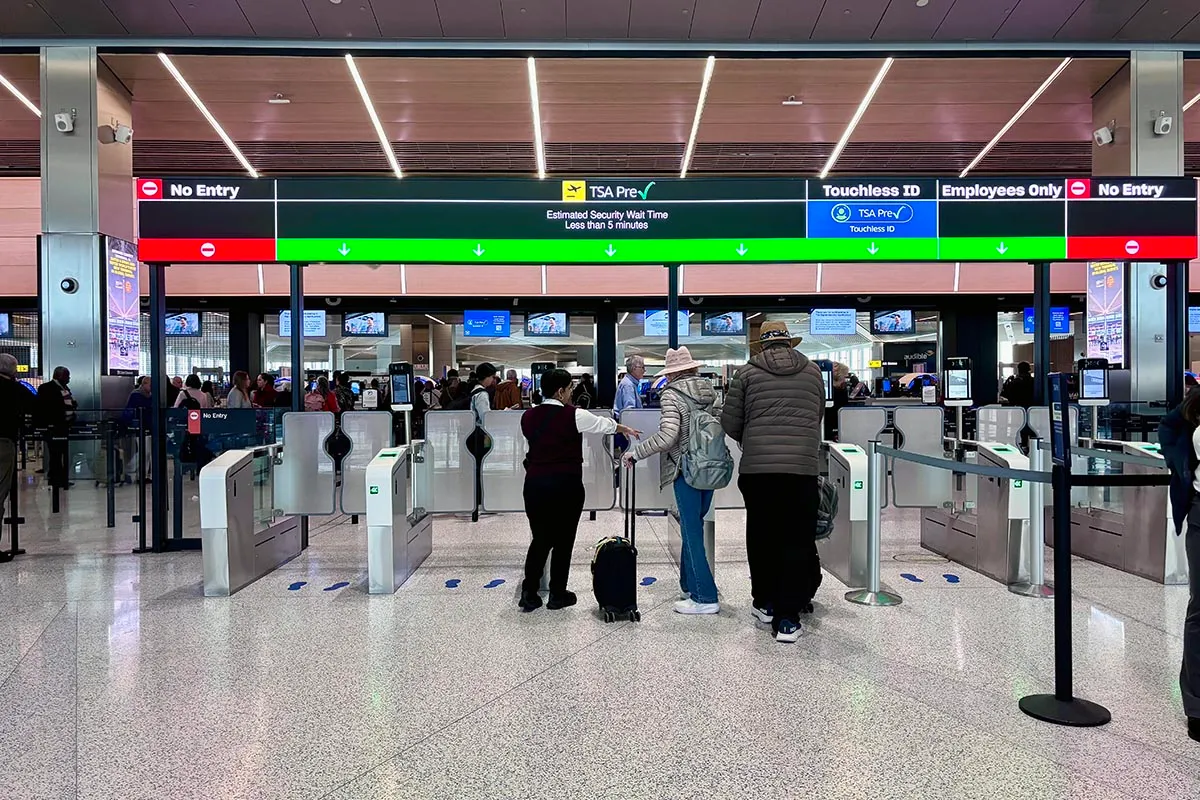
Global aviation finds itself in a paradoxical state, grappling with a severe economic crisis driven by rapidly escalating jet fuel costs, yet simultaneously experiencing robust and seemingly unyielding passenger demand. This unique dichotomy has created an environment where the financial impact is sharply uneven, leaving only a segment of the industry in distress. As airlines navigate this precarious landscape, they face the delicate task of balancing soaring operational expenditures with a sustained consumer appetite for travel, a situation further complicated by persistent geopolitical instability.
Fuel Prices Surge Amidst Geopolitical Volatility
The core of the current aviation crisis lies in the dramatic increase in jet fuel prices. As of late March, global jet fuel prices had surged by an astounding 119% year-on-year, according to the IATA Jet Fuel Price Monitor. This exponential rise has been primarily fueled by ongoing geopolitical tensions, particularly the lingering effects of the Russia-Ukraine conflict and recent escalations in the Middle East, which have disrupted global energy markets and supply chains.
While crude oil benchmarks like West Texas Intermediate (WTI) and Brent Crude have seen some fluctuations, with WTI hovering around $91 and Brent at $102 per barrel in late March, these figures only tell part of the story. The price of refined jet fuel often outpaces crude oil due to refining costs, logistics, and regional supply dynamics. The variability is significant, with prices differing considerably across regions and even within specific markets.
A striking example of this localized impact comes from Filipino low-cost carrier Cebu Pacific, which reported a staggering increase in its jet fuel costs. The airline observed its average fuel price jump from approximately $86 per barrel in February to a run rate of $180 per barrel through March, with prices exceeding $200 per barrel in recent days. Such an increase, if sustained, is projected to effectively double an airline’s fuel bill, placing immense pressure on operating margins. Fuel typically constitutes 20-30% of an airline’s operating costs, and a doubling of this expense can quickly erode profitability, pushing even well-managed carriers into the red.
Unwavering Passenger Demand Defies Economic Headwinds
Despite the dramatic increase in travel costs, passenger demand has shown remarkable resilience. Industry executives across various regions, including those from Lufthansa, Turkish Airlines, United, Delta, Cathay Pacific, and Cebu Pacific, have consistently reported strong booking trends. This sustained demand is attributed to several factors:
- Pent-up Post-Pandemic Demand: Following years of travel restrictions and uncertainty, there remains a significant reservoir of pent-up demand. Many travelers, having postponed vacations and family visits, are now eager to resume travel regardless of slightly higher fares.
- Economic Strength in Key Markets: While global economic forecasts are mixed, several regions continue to exhibit robust economic activity, providing consumers with the disposable income and confidence to travel.
- Diversion of Travel: In some Asian markets, there’s an observed diversion of demand. For instance, travelers who might have previously considered destinations in the Middle East or Europe are now opting for closer-to-home options within East Asia, such as Tokyo, Korea, or Hong Kong. This shift bolsters intra-regional traffic for carriers like Cebu Pacific.
- Anticipation of Further Fare Increases: Some consumers may be booking travel proactively, anticipating that airfares will only continue to rise in the coming weeks and months, thus creating a sense of urgency.
- Inelastic Demand from Specific Segments: United Airlines CEO Scott Kirby has notably suggested that a significant portion of current demand, particularly from upper-income travelers, is less elastic and less sensitive to fare increases. These segments are willing to pay a premium for desired travel experiences, contributing to the sustained demand even as prices climb.
This strong demand has allowed many airlines to implement fare adjustments, attempting to pass on some of the increased fuel costs to consumers. However, as Cebu Pacific CEO Mike Such cautioned, there are inherent limits to fare increases before demand inevitably softens, highlighting the delicate balancing act airlines must perform.
Cebu Pacific: A Case Study in Navigating the Crisis
The situation at Cebu Pacific offers a granular view into how a low-cost carrier in a developing market confronts these dual challenges. As the Philippines’ leading budget airline, Cebu Pacific has historically been a highly profitable carrier, achieving operating margins of 20% in some pre-COVID years, a testament to its efficient operations and strong market presence.
Operational Profile: Cebu Pacific operates a predominantly narrow-body fleet, heavily relying on Airbus A321neos, complemented by ATR turboprops for regional routes. A distinctive feature of its fleet is a handful of super-dense Airbus A330neos, configured with an astonishing 459 all-economy seats. These high-capacity aircraft are strategically deployed to maximize revenue from slot-constrained airports like Manila’s Ninoy Aquino International Airport, where limited takeoff and landing slots necessitate maximizing passenger throughput per flight. While primarily serving its domestic market, which accounts for approximately 70% of its seat capacity, Cebu Pacific also operates international routes to Australia and the Gulf region, catering significantly to the large diaspora of overseas Filipino workers.
Recent Financial Performance and Headwinds: For the full fiscal year 2025 (as reported in late March 2026), Cebu Pacific posted a solid 11% operating margin. However, the latter half of that year presented significant operational headwinds. The airline, like many others globally, was affected by the grounding of aircraft equipped with Pratt & Whitney Geared Turbofan (GTF) engines due to powdered metal issues requiring extensive inspections. This problem, coupled with severe weather events like typhoons impacting key Philippine markets in the last quarter, severely hampered Cebu Pacific’s growth ambitions, limiting its expansion to 10% instead of a planned 20%.
Current Fuel Crisis Impact and Response: The current fuel price surge represents a fresh and formidable challenge. CEO Mike Such explicitly stated that the prevailing fuel price levels are "clearly not sustainable for Cebu Pacific." He warned that if these prices persist, the entire airline industry would ultimately face losses, projecting that current price levels would effectively double the airline’s fuel bill.
In response, Cebu Pacific has initiated aggressive fare adjustments to pass on incremental costs to passengers. The airline has observed "continued resilience in demand" through March and April, which has provided some immediate relief. Simultaneously, it has begun to tweak its capacity plans, slightly reducing its previously ambitious growth projections. The airline has indicated that more significant capacity cuts would be necessary if fuel prices remain at elevated levels for an extended period, reflecting a broader industry trend of adjusting supply to match the evolving economic realities.
Broader Industry Landscape and Upcoming Insights
Beyond fuel and demand, the global aviation sector is navigating a myriad of other developments. In the United States, ongoing "TSA drama" at airports continues to pose operational challenges. Tragically, a recent Air Canada Express incident at LaGuardia Airport underscored the ever-present complexities and risks in air travel.
On the corporate front, there have been strategic leadership changes, such as a new strategy chief at India’s IndiGo. Major fleet decisions continue to be made, including United Airlines’ significant new aircraft order and Finnair’s choice of Embraer E2 jets for regional operations, reflecting long-term investment strategies even amidst short-term volatility.
The coming weeks will provide crucial financial insights as more airlines release their earnings reports. Brazilian carriers GOL and Azul are expected to report their Q4 earnings, offering a perspective on the South American market. Mainland Chinese carriers are also anticipated to release their financial results, though historical challenges in accessing and interpreting their data often make this a more complex endeavor for analysts.
Looking ahead, the start of the Q1 earnings season in April, particularly Delta Air Lines’ call on April 8th, will serve as an early bellwether for how U.S. carriers are reacting to and managing the current "crisis." These reports will offer more granular data on revenue management, cost control, and capacity strategies in the face of sustained high fuel prices and strong demand.
Strategic Implications and Future Outlook
The current aviation environment necessitates a multi-faceted strategic response from airlines. Capacity management will remain critical, with carriers carefully adjusting their networks and flight frequencies to optimize profitability rather than simply maximizing growth. Fare pricing will continue to be a dynamic process, balancing the need to recover costs with the risk of eroding demand.
Long-term strategies will likely see a renewed emphasis on fuel efficiency through fleet modernization, investment in Sustainable Aviation Fuels (SAF), and optimizing operational procedures. However, the immediate challenge is managing cash flow and maintaining financial stability.
The uneven impact of the crisis highlights regional disparities in fuel sourcing and market dynamics. Airlines heavily reliant on fuel from regions prone to geopolitical disruptions, such as those in the Philippines and the wider Far East, may experience more acute impacts compared to those with more diversified supply chains or robust hedging strategies.
Ultimately, the aviation industry’s ability to navigate this complex period hinges significantly on the de-escalation of global conflicts and the normalization of energy supply chains. Until then, airlines face a challenging balancing act: managing unprecedented cost pressures while capitalizing on a surprisingly resilient passenger demand, all within a fragmented crisis that tests the adaptability and resilience of the entire sector.
Amidst these operational and financial challenges, the industry continues to innovate. The Skift Idea Awards, now in its eighth year, serves as a platform to recognize and celebrate the most impactful ideas across the travel ecosystem. Focusing on innovation, impact, and execution, these awards highlight advancements in customer experience, artificial intelligence, digital transformation, sustainability, and product design. Categories specifically for airlines and airports, technology, and sustainability encourage submissions from companies of all sizes, from nimble startups to global brands, demonstrating that innovation remains a driving force even in turbulent times.




 Budi Mulyono
 Anjar Salim
 Chandra Hamzah
 Tatiana Tantri Indah Sari

 Lukman Taruna Persada Ramadan