
 Budi Mulyono
The announcement of a two-week ceasefire involving Iran on April 7, 2026, has provided a critical, albeit tentative, window of reprieve for the global aviation industry and the Middle East’s primary transit hubs. By April 9, several Gulf governments reported the first full 24-hour period without the detection of incoming missiles or unmanned aerial vehicles (UAVs), marking a significant de-escalation after weeks of sustained aerial conflict. The United Arab Emirates’ Ministry of Defence officially declared the nation’s airspace "free of any air threats" on Thursday, following a period characterized by the frequent interception of ballistic and cruise missiles. While regional authorities remain on high alert, the focus has shifted toward the diplomatic arena, with high-level negotiations between United States and Iranian officials scheduled to continue in Islamabad this weekend. The durability of this cessation of hostilities remains contingent upon the outcomes of these talks, as aviation authorities slowly move to reopen restricted corridors under stringent military oversight.
Chronology of the Crisis and the Path to De-escalation
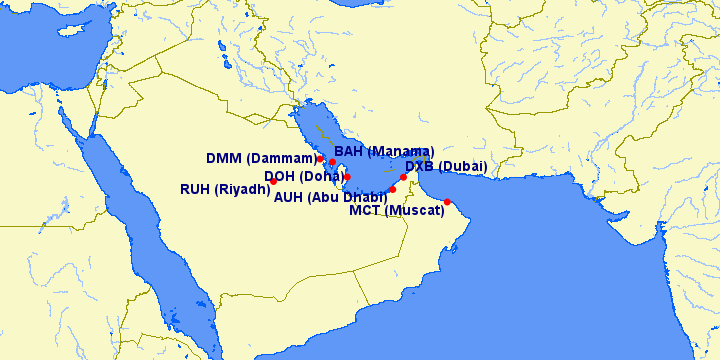
The regional crisis, which intensified throughout the first quarter of 2026, forced a near-total reconfiguration of global flight paths. For much of March, the Gulf region—home to three of the world’s most influential "megahub" airlines—faced unprecedented operational challenges. The escalation reached a zenith in late March when thousands of drones and multiple missile volleys necessitated the closure of several sovereign airspaces, including those of Kuwait, Bahrain, and parts of the Saudi interior.
The timeline of the current de-escalation began on April 7, with the brokering of a 14-day humanitarian and diplomatic pause. By April 8, technical teams from regional Civil Aviation Authorities (CAAs) began assessing the safety of high-altitude corridors. On April 9, the absence of kinetic activity allowed for the first significant resumption of short-haul traffic between the UAE, Qatar, and Saudi Arabia. However, the situation remains fluid. The upcoming Islamabad summit is viewed by international observers as the definitive litmus test for whether this ceasefire will transition into a long-term armistice or serve merely as a tactical pause for regrouping.
Impact on Major Gulf Carriers: Operational Status and Policy Adjustments
The regional conflict has resulted in a staggering reduction in flight frequencies and a massive logistical backlog. Each major carrier in the region has adopted a unique strategy to manage passenger safety while attempting to maintain essential connectivity.
Emirates and the Dubai Hub
Emirates, the world’s largest international airline, continues to operate at a severely diminished capacity. Currently, the airline is managing approximately 160 daily departures from Dubai International Airport (DXB), a sharp decline from its pre-conflict average of over 500 daily flights. To mitigate the impact on travelers, Emirates has implemented a flexible ticketing policy for all travel booked through April 30, 2026. Passengers are permitted to change their travel dates without incurring change fees, though they remain responsible for any differences in fare. In instances where the airline cancels a flight or implements a significant schedule change, full refunds are being processed to the original form of payment.
Etihad Airways and the Abu Dhabi Strategy
Etihad Airways is currently operating at approximately 60 percent of its total capacity. In an effort to stimulate demand and restore confidence in the Abu Dhabi hub, the carrier has introduced aggressive fare reductions across its remaining network. Etihad’s rebooking policy is among the most expansive in the region: tickets issued prior to March 2026 for travel through April 15, 2026, can be rebooked for any Etihad-operated flight departing on or before June 15, 2026. For more recent bookings, the airline allows a one-time free date change for travel through March 31, 2027, providing a long-term safety net for cautious travelers.
Qatar Airways and Government-Approved Corridors
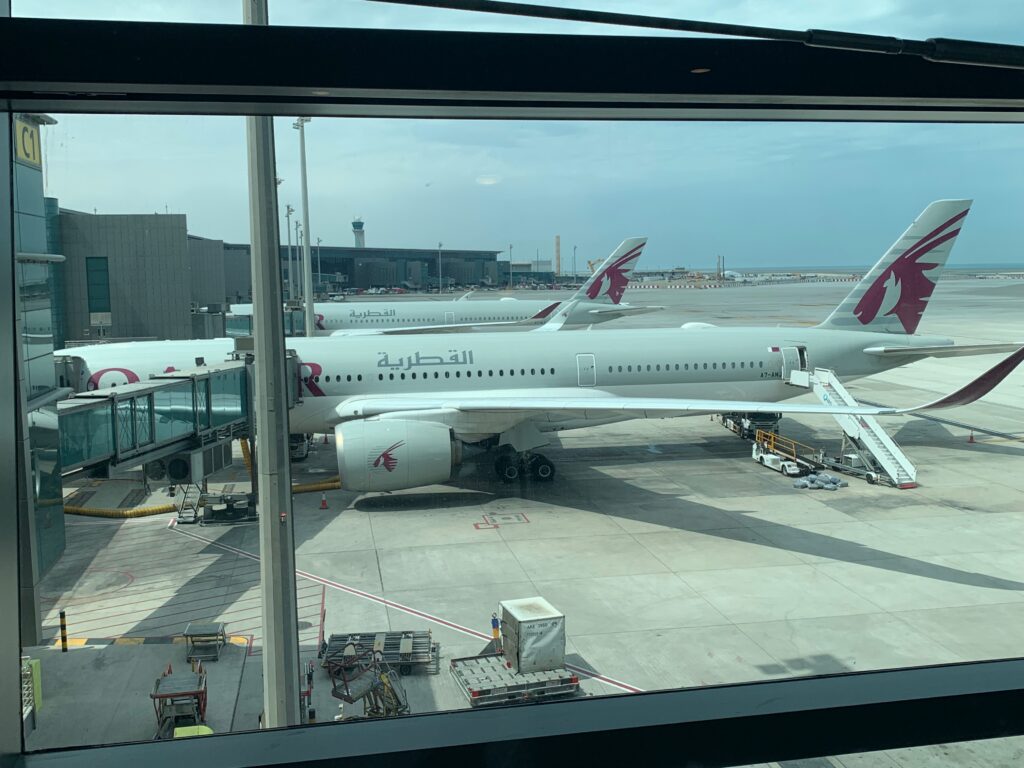
Qatar Airways is utilizing a staggered approach to restoration. The airline aims to return to 120 of its 198 pre-war destinations by mid-May 2026. This recovery is predicated on the use of "government-approved corridors," which are narrow, highly monitored flight paths designed to keep civilian aircraft away from potential military zones. Qatar Airways is currently offering a waiver that allows for free date changes or full refunds for passengers whose travel was disrupted during the height of the hostilities.
Kuwait Airways and the Dammam Alternative
Kuwaiti airspace remains among the most restricted in the region. Kuwait Airways has suspended all direct services from Kuwait International Airport, with no confirmed date for a full reopening. In a remarkable logistical pivot, the carrier is operating a limited schedule out of Dammam, Saudi Arabia. Passengers originating in Kuwait are being transported to Dammam via secure bus convoys across the border. Despite this alternative service, the airline is offering full refunds to any passenger whose original flight from Kuwait was canceled, regardless of whether they accept the bus-transfer option.
Gulf Air, Oman Air, and Saudia
- Gulf Air: The Bahraini flag carrier is resuming operations in phases. Like Kuwait Airways, some Gulf Air services are operating out of Dammam with shuttle bus connections across the King Fahd Causeway.
- Oman Air: While Muscat remains largely outside the primary conflict zone, Gulf-bound routes have been heavily impacted. The airline has offered a one-time free date change or reroute to any destination in its network, provided the reissue is completed by May 31, 2026.
- Saudia: The Saudi national carrier is resuming services to Gulf neighbors on a staggered basis. Due to the complexity of the Kingdom’s airspace, passengers are strictly advised not to arrive at the airport without a confirmed "OK" status on their booking.
Data Analysis: The Economic and Logistical Toll
The suspension of over 60% of regional air traffic for nearly a month has had a profound impact on global logistics. Aviation analysts estimate that the rerouting of flights between Europe and Asia—avoiding the Gulf and Iranian airspace—has added between two and four hours of flight time for most journeys. This has resulted in a 15-20% increase in fuel consumption for affected long-haul routes, leading to a spike in "war surcharges" and general ticket price inflation.
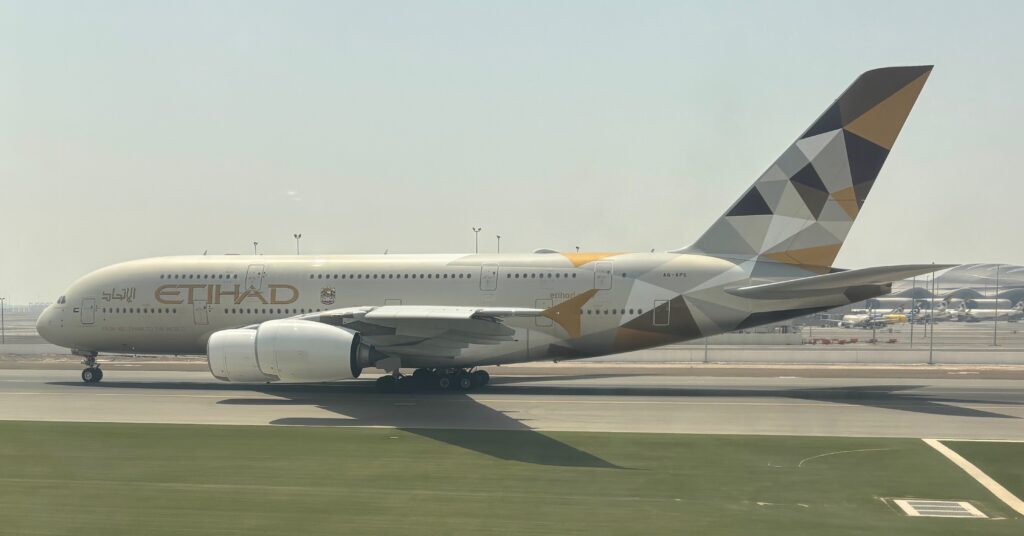
Furthermore, the "megahubs" of Dubai, Doha, and Abu Dhabi, which collectively handle over 100 million passengers annually in normal conditions, have seen their transit volumes plummet. The current 60% capacity cap at Etihad and the 160-flight limit at Emirates represent billions of dollars in lost revenue and increased operational costs. The aggressive fare cuts seen by Etihad and other carriers suggest a desperate need to maintain cash flow and prevent a permanent shift in passenger behavior toward alternative hubs in Istanbul or Singapore.
Geopolitical Implications and the Islamabad Summit
The durability of the April 7 ceasefire rests almost entirely on the shoulders of diplomats in Islamabad. Pakistan has historically acted as a mediator in regional tensions, and the choice of Islamabad as a venue underscores the desire for a neutral ground. Sources close to the negotiations suggest that the primary focus of the talks is the establishment of "Permanent Civil Aviation Corridors."
Aviation experts argue that the industry cannot survive a "start-stop" cycle of airspace closures. Therefore, the goal of the US and Iranian officials is to agree on a set of protocols that would guarantee the safety of civilian aircraft even if political tensions remain high. If the Islamabad talks fail to produce a framework for de-escalation by the end of the two-week ceasefire, insurance premiums for regional carriers are expected to triple, which could lead to a secondary, more permanent wave of flight cancellations.
Government Advisories and Travel Insurance Risks
Global foreign offices and state departments have updated their travel advisories into three distinct categories:
- Red (Do Not Travel): Applicable to active conflict zones and areas with high missile interception activity.
- Orange (Reconsider Travel): Applicable to most Gulf nations where the ceasefire is holding but the situation remains volatile.
- Yellow (Exercise Increased Caution): Applicable to nations on the periphery of the conflict.
From a legal and financial perspective, these advisories are critical for travelers. Most travel insurance policies contain "war and civil unrest" exclusions. If a traveler chooses to fly into a "Red" zone against government advice, their policy is typically voided. Furthermore, with many embassies having evacuated non-essential staff, consular assistance for stranded travelers is currently at a historic low. Travelers are being urged to verify that their insurance covers "Force Majeure" events specifically related to airspace closures.
Strategic Recommendations for Travelers
Given the fragility of the current peace, industry experts recommend the following actions for anyone with upcoming travel plans in the Middle East:
- Direct Confirmation: Do not rely on third-party booking sites. Confirm flight status directly with the airline’s official mobile app or website 24 hours and 6 hours before departure.
- Documentation: Ensure all rebooking and refund requests are documented in writing. For carriers like Gulf Air and Saudia, written confirmation is currently a requirement for airport entry.
- Logistical Buffer: Travelers using the Dammam-Kuwait or Dammam-Bahrain bus shuttles should allow for a minimum of eight hours of transit time to account for border security screenings.
- Insurance Review: Contact insurance providers to confirm coverage for "interruption of journey" due to regional conflict.
The aviation landscape in the Middle East remains in a state of cautious transition. While the silence in the skies over the UAE and its neighbors provides a moment of hope, the industry remains tethered to the outcome of high-stakes diplomacy. For now, the region’s airlines are focused on a gradual return to normalcy, prioritizing safety and flexibility in an era of unprecedented geopolitical uncertainty.




 Anjar Salim
 Chandra Hamzah
 Tatiana Tantri Indah Sari

