
 Susilo Edi Turonggo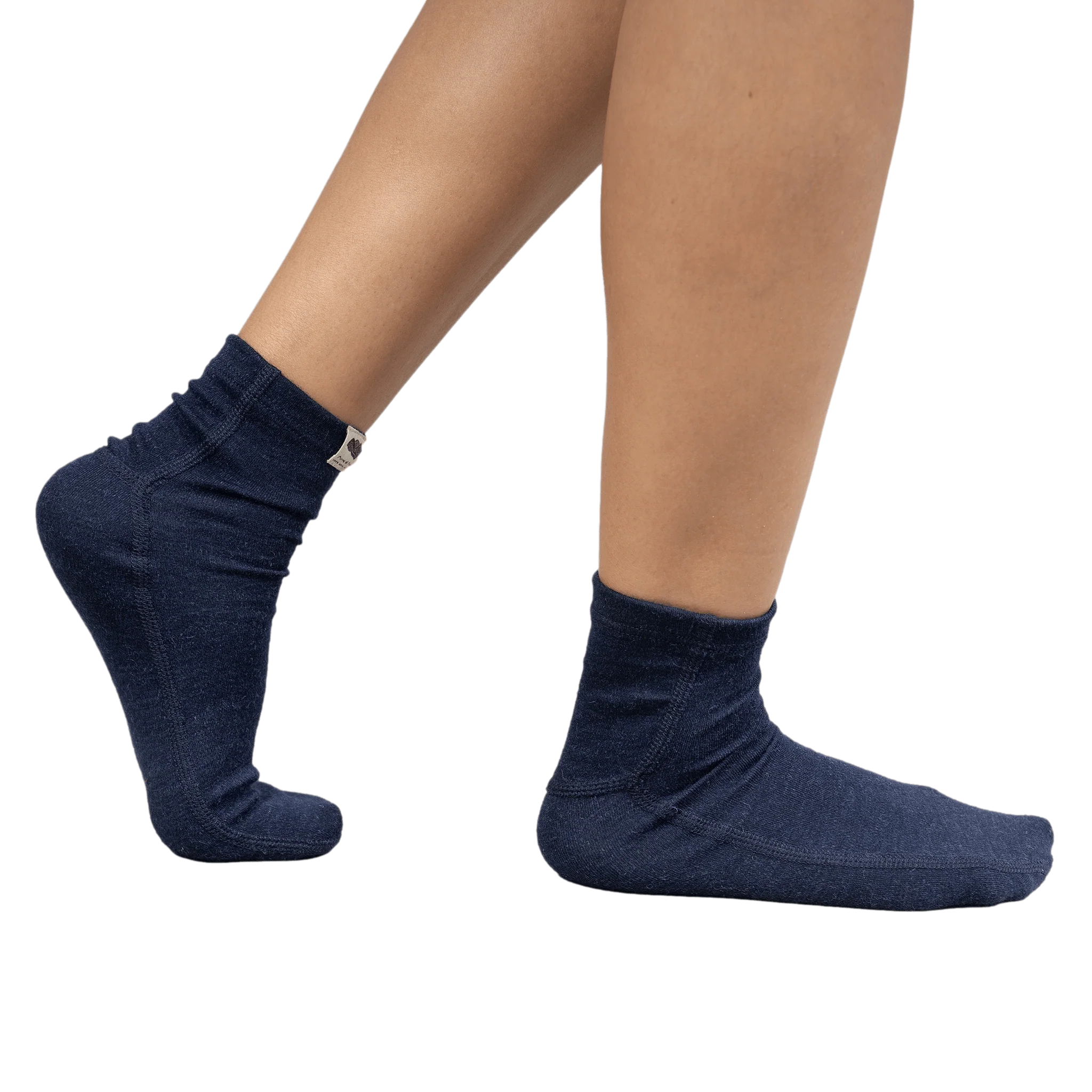
Socks, often considered a mundane and insignificant component of one’s daily wardrobe, are increasingly recognized as a crucial element impacting both personal health and environmental sustainability. Beyond merely providing comfort, the materials and dyes used in their manufacture can have profound implications, particularly for individuals with sensitive skin, and collectively, for the planet. The shift towards non-toxic alternatives represents a growing consumer awareness and a critical industry response to decades of unregulated chemical use in textile production.
The modern textile industry, driven by demands for vibrant colors, durability, and low cost, has historically relied on a plethora of synthetic materials and chemical dyes. While these innovations have made clothing more accessible and diverse, they have also introduced a range of health and environmental concerns. For many, synthetic socks, often made from polyester, nylon, or acrylic, can cause discomfort, including itching, irritation, and excessive foot odor, due to their tendency to trap moisture and inhibit breathability. However, the issues extend far beyond mere discomfort.
The Hidden Chemical Hazards in Conventional Footwear
A significant concern revolves around the dyes used in colorful synthetic socks. Azo-benzene disperse dyes, commonly employed in polyester dyeing, are not merely cosmetic agents; they are known skin sensitizers. This means prolonged contact can trigger allergic reactions, ranging from mild itching and rashes to more severe forms of contact dermatitis. The problem is exacerbated in environments where skin is exposed to moisture and warmth, such as within a shoe during physical activity. Sweat acts as a solvent, facilitating the migration of these chemicals from the fabric into the skin.
More alarmingly, scientific research, including studies published in reputable journals, has indicated that certain azo dyes can be carcinogenic when absorbed through the skin. This risk is particularly pertinent for socks, as the direct, prolonged skin contact in a warm, moist environment significantly increases the rate of chemical absorption. While regulatory bodies in some regions, such as the European Union, have restricted the use of certain azo dyes that can release carcinogenic amines, their use persists in other parts of the world, and products containing them can still find their way into global markets. This highlights a regulatory patchwork that leaves consumers vulnerable unless they actively seek out certified non-toxic options. The cumulative exposure to such chemicals, even at low levels, over a lifetime remains a public health concern that textile and medical professionals are increasingly addressing.
Beyond dyes, conventional synthetic fibers themselves pose environmental challenges. Polyester, for instance, is a plastic-based material derived from petroleum. Its production is energy-intensive and contributes to fossil fuel dependency. Moreover, synthetic textiles are a major source of microplastic pollution, shedding tiny plastic fibers during washing and wear, which ultimately enter waterways and the broader ecosystem, impacting marine life and potentially human health through the food chain.
The Evolution of Conscious Consumerism and Industry Standards
The increasing awareness of these health and environmental risks has fueled a growing demand for transparency and sustainability within the textile industry. This shift is not a recent phenomenon but an ongoing evolution that gained significant traction in the late 20th and early 21st centuries. The rise of environmental movements, coupled with increased scientific understanding of chemical impacts, has pushed both consumers and manufacturers to reconsider traditional production methods.
Chronology of Key Milestones in Sustainable Textiles:
- 1980s-1990s: Early environmental advocacy groups begin highlighting the pollution caused by textile dyeing and finishing processes.
- 1992: Oeko-Tex Standard 100 is introduced, providing a globally standardized certification system for textiles tested for harmful substances. This marked a significant step in offering consumers a verifiable guarantee of product safety.
- Early 2000s: The concept of "organic cotton" gains wider recognition, leading to the establishment of standards like the Global Organic Textile Standard (GOTS) in 2006, which ensures ecological and social criteria throughout the supply chain.
- 2000s-2010s: Increased focus on supply chain ethics, leading to certifications like Fair Trade and the establishment of organizations like the Textile Exchange, promoting sustainable fiber and material choices.
- 2010s-Present: Acceleration of consumer demand for transparency, ethical labor practices, and circular economy principles, driving brands to adopt more comprehensive sustainability strategies, including responsible sourcing of wool (Responsible Wool Standard – RWS) and innovative materials like Tencel. The rise of B Corp certification also provided a framework for businesses committed to social and environmental performance.
This timeline illustrates a gradual but persistent movement towards greater accountability and sustainability in textile production, with certifications playing a pivotal role in standardizing and communicating these efforts.
Defining "Non-Toxic": Core Criteria for Safer Socks
For consumers navigating the complex landscape of textile choices, understanding the key criteria for non-toxic socks is essential. These criteria encompass materials, dyeing processes, ethical manufacturing, and even packaging, reflecting a holistic approach to sustainable production.
1. Natural Materials: The Foundation of Comfort and Safety
The bedrock of non-toxic socks lies in their material composition. Opting for socks made from 100% natural fibers is paramount for individuals sensitive to synthetics or those with existing skin conditions. Natural fibers inherently offer superior breathability, moisture-wicking properties, and often, odor resistance, without the need for chemical treatments.
- Merino and Alpaca Wool: These luxurious natural fibers are celebrated for their exceptional temperature regulation, natural odor resistance, and superior moisture-wicking capabilities. They keep feet warm in cold conditions and cool in warm ones. When sourcing wool, certifications like the Responsible Wool Standard (RWS) are critical. RWS ensures that wool comes from farms with a progressive approach to managing their land, and from sheep that have been treated responsibly, prohibiting practices such as mulesing—a painful technique involving skin removal to prevent parasitic blowfly infestations.
- Organic Cotton: A perennial favorite for comfort, organic cotton is grown without synthetic pesticides, herbicides, or genetically modified organisms. This not only protects consumer skin from chemical residues but also safeguards soil health and farmer well-being. GOTS certification is the gold standard for organic cotton, verifying the organic status of textiles from harvesting of the raw materials through environmentally and socially responsible manufacturing.
- Tencel (Lyocell): A brand name for lyocell fiber, Tencel is derived from sustainably sourced wood pulp, typically eucalyptus. It is produced using a closed-loop solvent spinning process that recycles water and solvents, making it a highly environmentally friendly fiber. Tencel is known for its exceptional softness, strength, and moisture absorption.
- Linen: Derived from the flax plant, linen is a durable and highly breathable fiber, ideal for warmer climates or for those seeking a crisp, natural feel. Its cultivation typically requires less water and pesticides than conventional cotton.
- Bamboo Viscose: While bamboo is a fast-growing, renewable resource, the process of converting bamboo into soft viscose fiber can be chemically intensive. Consumers should look for certifications that ensure responsible processing, and be aware that "bamboo viscose" is a semi-synthetic fiber, not a purely natural one, despite its plant origin.
The challenge of finding 100% synthetic-free socks is real, as most socks incorporate a small percentage of elastane (spandex) for stretch and shape retention. However, several pioneering brands have successfully developed socks entirely free from synthetics, offering true hypoallergenic options. For those not highly sensitive to minimal synthetics, blends containing recycled materials like nylon or polyester can be a more sustainable choice, provided the majority of the fiber content remains natural.
2. Non-Toxic Dyes and Finishes: The Spectrum of Safety
The vibrant colors that make socks appealing often come at a cost if conventional dyes are used. For individuals with dye sensitivities, undyed socks, which embrace the natural hues of the fibers, offer the safest option. For dyed socks, certifications are paramount.
- Oeko-Tex Standard 100: This is one of the most widely recognized certifications, testing textiles for harmful substances at all stages of processing. An Oeko-Tex label signifies that every component of a textile product, from the fabric to the thread and accessories, has been tested against a list of over 100 harmful chemicals and found safe for human use.
- bluesign® SYSTEM: This standard goes further, focusing on minimizing environmental impact throughout the entire textile production chain. It ensures that products are made with responsible use of resources, minimal impact on people and the environment, and the highest possible level of consumer safety. bluesign-certified dyes and finishes guarantee reduced hazardous substance use.
- Restricted Substances Lists (RSLs): Brands committed to chemical management often maintain their own RSLs, outlining chemicals that are banned or restricted in their manufacturing processes. This demonstrates a proactive approach to chemical safety beyond baseline regulatory compliance.
3. Traceable & Ethical Supply Chain: Beyond the Product
The journey of a sock from raw fiber to finished product involves numerous steps, each with potential social and environmental implications. An ethical and transparent supply chain ensures fair labor practices, safe working conditions, and responsible resource management.
- Transparency: Brands that openly share the locations of their supply chain partners, from fiber farms to spinning mills and factories, demonstrate a commitment to accountability.
- Fair Trade Certification: This ensures that producers in developing countries receive fair prices for their products, allowing them to invest in their communities and improve living standards. It also often includes standards for environmental protection and safe working conditions.
- WRAP (Worldwide Responsible Accredited Production): A globally recognized independent certification program primarily focused on the apparel, footwear, and sewn products sectors. WRAP ensures safe, lawful, humane, and ethical manufacturing practices.
- B Corp Certification: Certified B Corporations are businesses that meet the highest standards of verified social and environmental performance, public transparency, and legal accountability to balance profit and purpose.
4. Sustainable Packaging: The Final Frontier of Responsibility
Even small items like socks contribute to waste streams through their packaging. Brands committed to sustainability extend their efforts to packaging choices.
- Compostable or Biodegradable Packaging: Materials that break down naturally, returning nutrients to the earth, significantly reduce landfill waste.
- Recycled and Recyclable Materials: Utilizing post-consumer recycled content and designing packaging for easy recycling minimizes virgin resource extraction and waste.
- Forest Stewardship Council (FSC) Certification: For paper and cardboard packaging, FSC certification ensures that materials come from responsibly managed forests that provide environmental, social, and economic benefits.
Leading Brands Paving the Way in Non-Toxic Socks: A Market Overview
The market for non-toxic and sustainable socks is expanding, with a growing number of brands prioritizing health and environmental responsibility. These companies offer a diverse range of products, from completely synthetic-free options to those leveraging recycled materials and ethical production.
1. Harvest & Mill: This brand stands out for its commitment to dye-free organic cotton socks, embracing natural colors. Its unique selling proposition is a vertically integrated, domestic supply chain, with cotton grown, spun, and knit in the U.S. This minimizes carbon footprint and supports local agriculture. They also prioritize waste reduction, repurposing or recycling all fabric scraps, and utilize compostable packaging. Consumers report these socks are exceptionally cozy, breathable, and comfortable, even for sensitive skin.
2. Subset (formerly Knickey): A Brooklyn-based brand focused on PFAS-free products, Subset offers Fair Trade and Oeko-Tex-certified organic cotton socks. Their cotton is sourced, ginned, spun, dyed, and sewn in India, ensuring a traceable production process. While praised for their dressier feel and comfort with tight-fitting shoes, it is noted that Subset’s socks contain 24% synthetics, a point for consumers with extreme sensitivities to consider.
3. Paka: This certified B Corp excels in crafting durable, lightweight socks from a majority blend of alpaca wool and Tencel. Paka’s socks are moisture-wicking, odor-resistant, and dyed with Oeko-Tex-certified dyes. They are spun by Peruvian artisans, supporting traditional craft. The brand also utilizes biodegradable and compostable packaging. Customers frequently laud Paka socks for their warmth and suitability for harsh winters, though the physical texture of alpaca wool can be mildly itchy for some, which is distinct from a chemical reaction. A notable aspect is their inclusion of up to 50% recycled synthetics, balancing performance with recycled content.
4. Arms of Andes: A rare gem in the market, Arms of Andes produces socks entirely free from synthetics. Their 100% alpaca fiber slipper socks are sourced from free-range alpacas, ensuring ethical animal welfare. These Oeko-Tex-certified socks are lightweight yet well-insulated, soft, and moisture-wicking. The brand maintains a close relationship with co-op farmers in the Andes, overseeing the entire production process from sourcing to sewing. Their commitment extends to using compostable packaging.
5. Cottonique: Specializing in 100% cotton allergy-free apparel, Cottonique is another champion of synthetic-free socks. Their products are Latex-free, bleach-free, and hypoallergenic, featuring covered seams to prevent rubbing. The brand collaborates with dermatologists to ensure product safety for sensitive skin, sourcing organic cotton from India and manufacturing in the Philippines. They also use compostable packaging.
6. Boody: This Sydney-based brand offers a range of socks in varying thicknesses, utilizing Oeko-Tex-certified organic bamboo viscose from India, organic cotton, and recycled nylon. Boody upholds a strong code of conduct and partners with WRAP-certified facilities in China, Vietnam, and India, ensuring ethical manufacturing.
7. Kotn: A certified B Corp, Kotn builds direct, lasting relationships with Egyptian cotton farmers, ensuring fair prices and a completely traceable supply chain. Their socks are made with organic cotton and Oeko-Tex-certified dyes, and packaged with recycled and recyclable materials. While offering a professional and comfortable aesthetic, some pairs contain up to 20% synthetics.
8. Quinn: Designed with eczema sufferers in mind, Quinn offers a selection of organic cotton non-toxic socks, including dye-free, lightweight, and mid-weight options. Their garments are designed in Canada and ethically produced in Oeko-Tex-certified factories in Portugal and Sri Lanka. While their cotton is GOTS-certified, the specific sourcing location is sometimes unclear. Some pairs contain up to 20% synthetics. Reviewers highlight the comfort and breathability of both their undyed cotton and merino wool options, noting the warmth and coziness of the latter.
9. Cariloha: This certified B Corp offers hypoallergenic socks crafted from bamboo viscose and organic cotton. Their Oeko-Tex and Fair Trade-certified bamboo is sourced from China, and they utilize FSC-certified paper packaging. The specific manufacturing location, however, remains less transparent.
10. Dedicated: Known for its bold patterns, Dedicated makes Fair Trade organic cotton socks. Their cotton suppliers are WRAP-certified, and the manufacturing location for each pair is transparently listed on product pages. Consumers should note that their socks contain up to 25% elastane.
11. Darn Tough: Manufactured in Vermont, USA, Darn Tough socks are celebrated for their durability and comfort, made with RWS-certified merino wool in vibrant, colorful styles. They use Oeko-Tex-certified materials, adhere to a restricted substances list, and employ FSC-certified recycled paper, compostable bags, and vegetable-based inks in their packaging. A key consideration is their inclusion of up to 50% synthetics for enhanced durability and performance.
12. Nisolo: A certified B Corp recognized for its footwear, Nisolo also offers a line of comfortable socks made in a family-owned mill in North Carolina. These socks utilize upcycled cotton, linen, wool, and recycled polyester. Nisolo is committed to supply chain traceability and ensuring living wages for all workers. Their packaging is made with recycled materials. It’s important to note that their socks can contain up to 70% synthetics.
13. Swedish Stockings: Specializing in knee-highs and ankle socks, Swedish Stockings offers classic, supportive, colorful, and patterned options. Their products are made in Italy with Oeko-Tex-certified materials, including bamboo viscose, organic cotton, organic wool, recycled polyester, and both virgin and recycled elastane. Some of their sock offerings are fully synthetic, requiring careful selection for those seeking natural fibers.
The Broader Impact: Health, Environment, and Economic Implications
The movement towards non-toxic socks, and sustainable fashion in general, carries significant implications across multiple sectors.
Health Implications: For individual consumers, choosing non-toxic socks directly translates to reduced exposure to potentially harmful chemicals, mitigating risks of skin irritation, allergic reactions, and long-term health concerns associated with carcinogens. This is particularly vital for vulnerable populations, such as children and individuals with pre-existing skin conditions.
Environmental Implications: The shift to natural fibers, organic farming practices, and non-toxic dyes dramatically lessens the environmental footprint of textile production. This includes reduced water pollution from dye effluents, decreased reliance on synthetic pesticides and fertilizers, lower energy consumption, and a reduction in microplastic shedding from synthetic fibers. Sustainable packaging further minimizes waste and resource depletion.
Economic and Industry Implications: While initially more expensive due to higher sourcing and processing costs, the sustainable textile market is experiencing robust growth. Market research indicates a rising consumer willingness to pay a premium for ethical and environmentally responsible products. This trend encourages innovation in eco-friendly materials and production technologies, fostering a more resilient and responsible industry. Brands that proactively adopt these standards gain a competitive edge, building trust and loyalty with an increasingly informed consumer base. Conversely, brands that fail to adapt face potential regulatory hurdles, reputational damage, and a loss of market share.
Conclusion
The seemingly simple act of choosing a pair of socks has evolved into a decision with far-reaching consequences. From safeguarding personal health against hidden chemical hazards to mitigating the environmental impact of textile production and supporting ethical labor practices, the imperative for non-toxic socks is clear. As consumer awareness continues to grow, and industry standards become more rigorous, the landscape of footwear is transforming. By prioritizing natural materials, certified dyes, ethical supply chains, and sustainable packaging, consumers can make informed choices that contribute to a healthier planet and a more sustainable future for fashion. The brands highlighted represent a vanguard in this crucial transition, offering a diverse array of options that blend comfort, style, and uncompromising commitment to well-being and responsibility.



 Anjar Salim
 Chandra Hamzah
 Tatiana Tantri Indah Sari
 Budi Mulyono

