Anjar Salim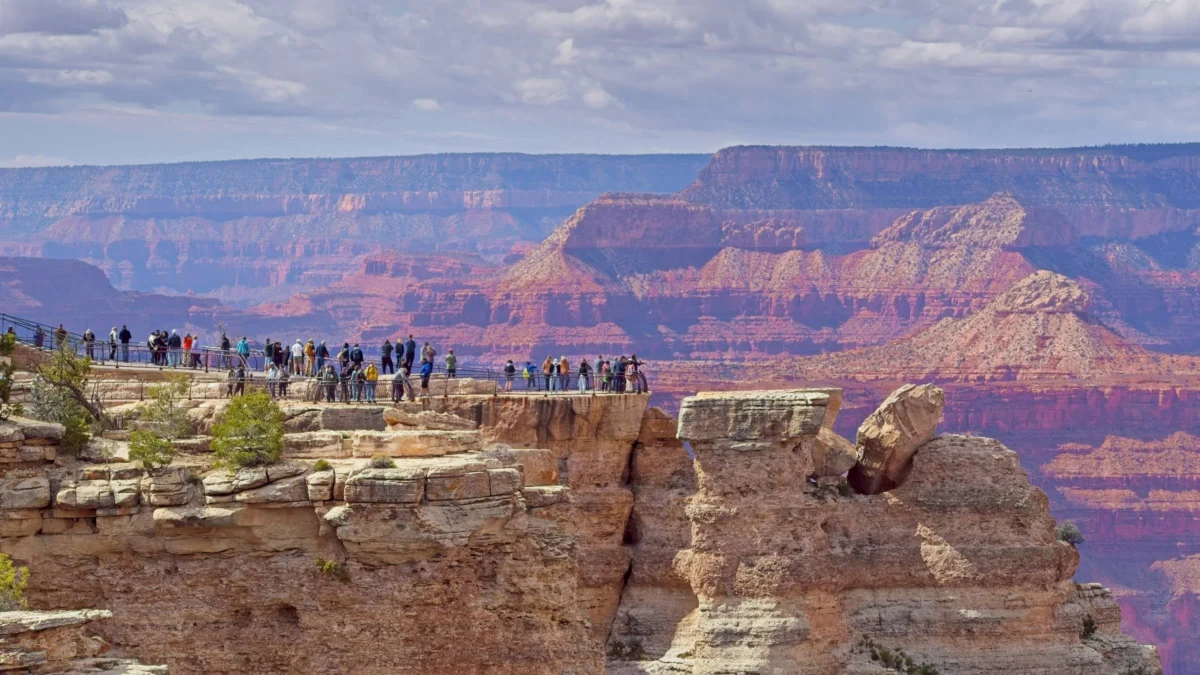
National park infrastructure is currently facing an unprecedented era of high demand, characterized by record-breaking visitation numbers and the resulting logistical challenges of managing millions of travelers seeking access to America’s most iconic natural landmarks. While the traditional ethos of outdoor exploration often prioritizes solitude and remote "hidden gems," a growing perspective among conservationists and travel analysts suggests that the most crowded destinations—often referred to as the "Greatest Hits" of the National Park System—offer a unique and vital communal value that transcends the frustrations of traffic and congestion. Cades Cove, a lush valley within the Great Smoky Mountains National Park (GSMNP), serves as a primary example of this phenomenon, where the visual splendor of the landscape and the shared experience of the public create a significant, albeit crowded, cultural touchstone.
The Cades Cove Case Study: Traffic and Visual Splendor
Cades Cove is widely regarded as one of the most aesthetically significant locations in the eastern United States. The valley is defined by a distinct geological "window" where erosion has exposed older rocks beneath younger ones, creating a broad, fertile basin surrounded by the high peaks of the Smokies. The visual experience is characterized by a layering effect: bright green meadows in the foreground, followed by steep forested slopes, and eventually receding ridgelines that transition into the deep blues and hazy greys that give the mountain range its name.
However, the popularity of this site has led to significant congestion. The 11-mile, one-way loop road that circumnavigates the cove is the primary artery for visitors, many of whom spend upwards of three to four hours completing the circuit during peak periods. According to the National Park Service (NPS) visitation surveys, nearly 50 percent of all visitors to the Great Smoky Mountains National Park—which saw approximately 13.3 million visitors in recent years—include Cades Cove in their itinerary. This concentration of human activity means that Cades Cove often processes more visitors in a single month than many smaller national parks, such as Isle Royale or North Cascades, see in an entire calendar year.
Historical Context and the Legacy of Conservation
The focus on "scenic wonders" is not a modern accident but a foundational element of the American conservation movement. The establishment of Yellowstone National Park in 1872 by President Ulysses S. Grant was driven largely by the reports of "wonders" such as the Old Faithful geyser and the Grand Canyon of the Yellowstone. These "obvious" landmarks were the catalysts for the very idea of a national park, serving as visual proof that certain landscapes possessed such extraordinary value that they belonged to the public rather than private interests.
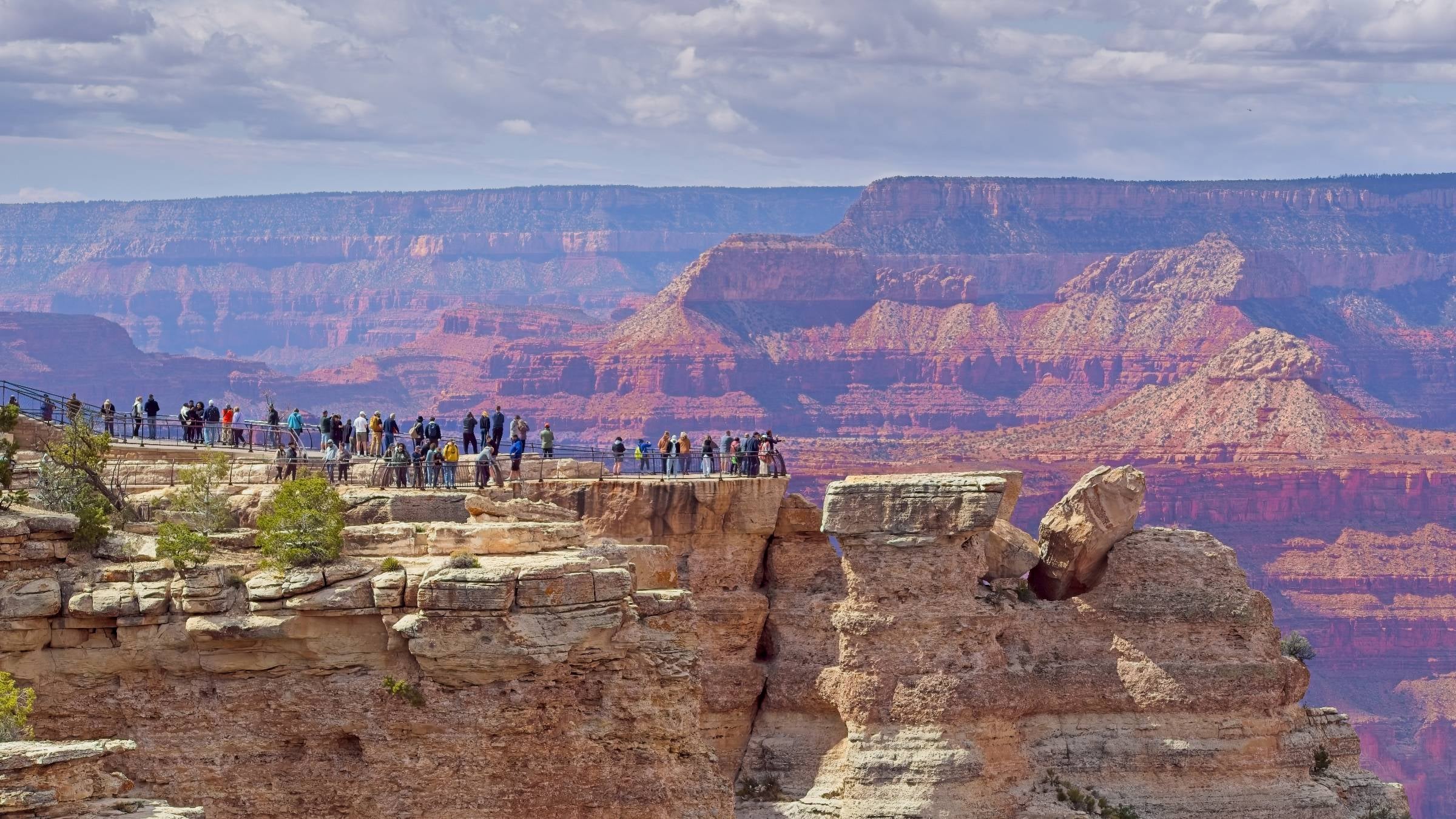
The "Greatest Hits" of the park system—including Yosemite Valley’s El Capitan, the South Rim of the Grand Canyon, and Zion’s Angels Landing—have historically functioned as the "highlight reel" of the American landscape. These sites were chosen for protection specifically because of their ability to inspire awe in the largest possible number of people. Analysts point out that these locations helped weave the fabric of American identity, providing a set of common visual references that bridge geographic and socioeconomic divides.
Data-Driven Trends in National Park Visitation
The National Park Service has reported a steady upward trend in visitation over the last decade, with a significant surge following the 2020 global pandemic. This "outdoor boom" has forced management to implement new strategies to handle the "Greatest Hits" crowds.
- Great Smoky Mountains National Park: Consistently the most visited park in the system, its proximity to major East Coast population centers makes it a primary destination. The "Park It Forward" program, introduced in 2023, implemented parking fees to fund trail maintenance and ranger services, directly addressing the impact of the Cades Cove crowds.
- Zion National Park: To manage the extreme popularity of Angels Landing, the NPS implemented a pilot permit lottery system in 2022. This move was designed to improve safety on the narrow "chain" section of the hike and to protect the visitor experience from the dangers of overcrowding.
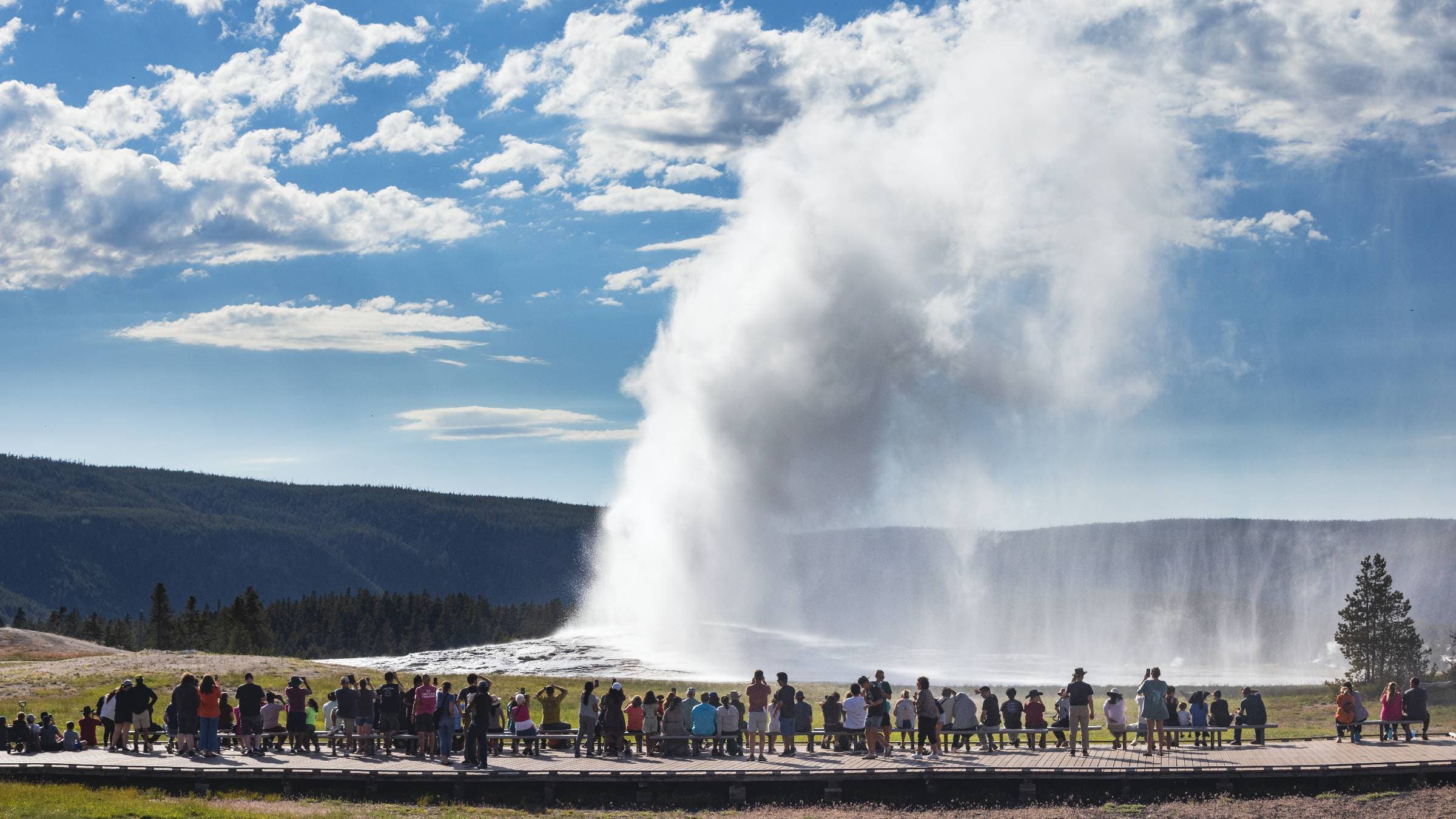
- Yellowstone National Park: The Old Faithful area remains the most densely populated section of the park. Despite the availability of millions of acres of backcountry, the vast majority of Yellowstone’s 4.5 million annual visitors remain within a few hundred yards of the boardwalks surrounding the geyser basins.
The Psychology of Shared Awe and Social Cohesion
While the "solitude seeking" traveler might view a crowd at a scenic overlook as a detraction, sociologists and psychologists suggest there is a profound benefit to "collective effervescence"—a term coined by Émile Durkheim to describe the sense of unity felt when a group shares a common experience. In the context of a national park, standing shoulder-to-shoulder with strangers to witness a geyser eruption or a sunset over a canyon can foster a sense of communal well-being.
Observations from the field indicate that these high-traffic areas often facilitate positive social interactions that are rare in urban environments. For instance, on the strenuous and often frightening ascent of Angels Landing, hikers frequently assist one another, offering physical support or encouragement. These interactions suggest that the "Greatest Hits" serve as a rare common ground where individuals from diverse backgrounds—CEOs, teachers, project managers, and students—share a singular, positive objective: the appreciation of natural beauty.
Management Responses and Infrastructure Challenges
The National Park Service is currently tasked with a difficult balancing act: maintaining the "democratic" nature of the parks (ensuring they remain open to all) while protecting the ecological integrity of the land. Official responses to overcrowding have focused on three main pillars:
- Transportation Systems: The implementation of mandatory shuttle buses in Zion and Yosemite Valleys has successfully reduced the number of private vehicles, though it has moved the "traffic" from the roads to the shuttle queues.
- Timed Entry and Lotteries: Parks like Arches and Rocky Mountain have experimented with timed entry reservations to flatten the peaks of daily visitation. While controversial among some local tourism boards, these systems have been praised by rangers for reducing "gridlock" in parking lots.
- Infrastructure Investment: The Great American Outdoors Act has provided billions of dollars to address the maintenance backlog, much of which is concentrated in high-traffic areas like the Cades Cove loop and the Grand Canyon’s South Rim.
Broader Impact and the Future of the National Park Experience
The argument for embracing the "Greatest Hits" is ultimately an argument for the continued relevance of the National Park System in a fractured society. If the most beautiful places in the country are only accessible to those with the time and expertise to hike into the remote backcountry, the parks lose their status as a "public square."
Industry analysts suggest that the future of park management will likely involve a more sophisticated "tiered" experience. The "Greatest Hits" will continue to be managed as high-volume, high-service areas designed for maximum accessibility and shared experience. Meanwhile, the backcountry will remain the province of those seeking solitude.
The enduring appeal of places like Cades Cove lies in their ability to provide a "warm fuzzy feeling"—a sense of shared pride and wonder. As visitation continues to climb, the challenge for the next generation of park stewards will be to ensure that the "traffic" does not obscure the view, but rather serves as a reminder of the collective value Americans place on their natural heritage.
In conclusion, while the pursuit of quietude in the wilderness remains a noble goal, there is a distinct, non-negotiable value in the "obvious" places. They are the landmarks that define the American experience, the sites that inspired the world’s first national parks, and the venues where millions of strangers find a rare moment of agreement: that the land is spectacular, and that it is worth the wait. Go to the obvious places; the "warm fuzzies" found there are a vital component of the national spirit.


 Chandra Hamzah
 Gabriela Annisa
 Tatiana Tantri Indah Sari
 Budi Mulyono