
 Anjar Salim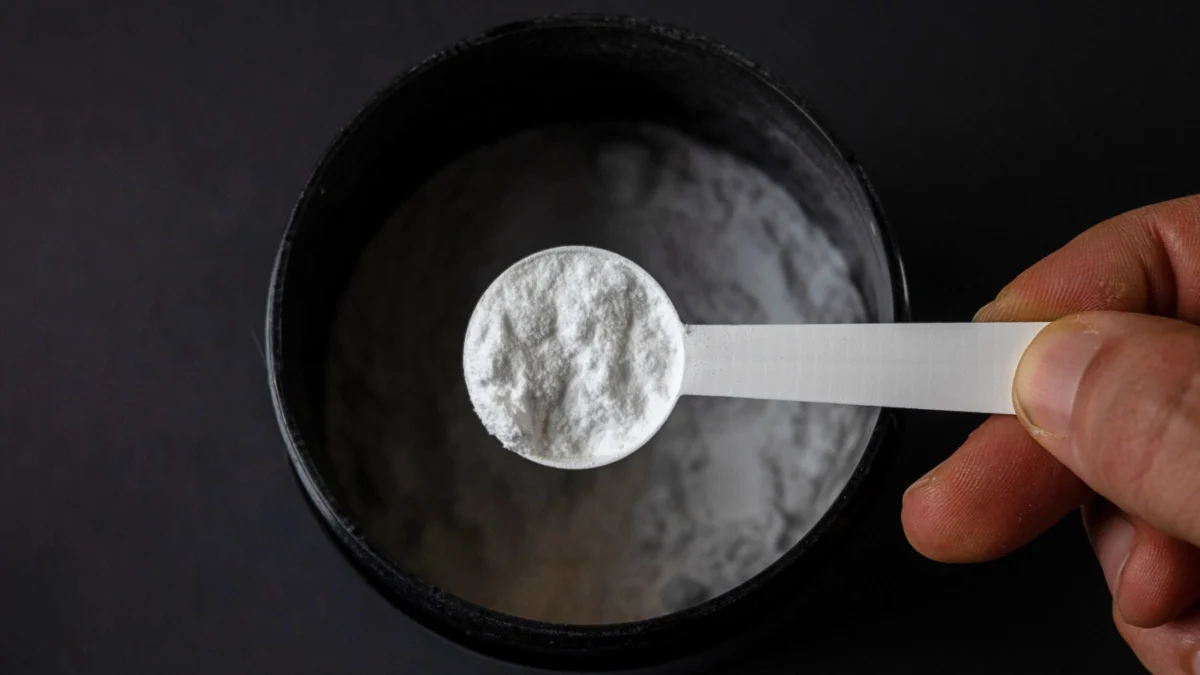
For decades, creatine monohydrate has been a staple of the weightlifting community, synonymous with muscle hypertrophy, increased power output, and improved athletic recovery. However, as of April 2026, a growing body of scientific evidence is shifting the narrative, repositioning this budget-friendly supplement as a potent tool for cognitive preservation. In the high-stakes world of backcountry exploration, where mountaineers, long-distance hikers, and off-grid enthusiasts frequently face the trifecta of sleep deprivation, physical exhaustion, and environmental stress, the ability to maintain mental acuity is not merely a matter of performance—it is a matter of survival. When the body is pushed to its absolute limit, its internal reserves of energy are depleted, leading to a precipitous decline in decision-making capabilities. Recent research suggests that creatine monohydrate, valued for its high bioavailability and safety profile, may provide the metabolic buffer necessary to keep the mind sharp when the body is running on empty.
The Physiological Mechanism: ATP Regeneration and Brain Metabolism
To understand how a supplement traditionally used for bicep curls can aid a navigator lost in a mountain fog, one must look at the cellular level. The primary function of creatine is the rapid regeneration of adenosine triphosphate (ATP), the universal energy currency of the human body. While muscles require ATP for contraction, the human brain—an organ that accounts for only 2% of body weight but consumes roughly 20% of its total energy—requires a constant, high-velocity stream of ATP to maintain neuronal membrane potentials and facilitate neurotransmission.
Roberto Cannataro, a chemical engineer and sports nutritionist, emphasizes that the speed of this energy delivery is critical. ATP serves as the primary vehicle for energy within cells, and the phosphocreatine system is the fastest way to restore these energy levels during periods of high demand. According to Cannataro, every burst of energy required in the initial seconds of intense activity is covered by the creatine phosphate system. This applies to the brain as well, where neuronal connections occur in fractions of a second. Having an optimized pool of creatine allows the brain to respond more rapidly under stress, essentially providing a "backup generator" when the primary metabolic pathways, such as aerobic respiration, are strained by lack of sleep or low oxygen.
A Chronology of Discovery: From Muscle to Mind (2023–2026)
The transition of creatine from a physical performance enhancer to a cognitive aid has been documented through a series of pivotal studies over the last several years. The timeline of this research reflects a narrowing focus on how the supplement performs under increasingly extreme conditions.
In 2023, a significant study involving 123 participants investigated the impact of five grams of daily creatine monohydrate on general cognition. Lead author Julia Fabien Sandkühler and her team sought to determine if the supplement could improve memory and reasoning in everyday settings. While the results showed slight improvements in working memory, the researchers remained cautious, noting that the benefits in a controlled, low-stress environment were subtle. This sparked a debate in the scientific community about whether creatine’s true cognitive potential only manifests when the brain is under significant metabolic "threat."
By 2024, the focus shifted to acute stressors. A study published in the journal Scientific Reports examined the effects of creatine on sleep-deprived individuals. The findings were groundbreaking: participants who supplemented with creatine showed a measurable reduction in subjective sleepiness and a maintenance of mental performance despite being deprived of rest. The researchers concluded that creatine has a high potential for use during prolonged cognitive activity where sleep is scarce, a common scenario for ultra-endurance athletes and search-and-rescue teams.
In 2025, a comprehensive review focused on the aging population—adults over the age of 55—reported that creatine supplementation significantly improved processing speed, attention, and memory. This suggested that creatine could act as a neuroprotective agent, helping to offset the natural decline in brain energy metabolism that occurs with age.
By April 2026, the conversation has expanded to "extreme environments," such as high-altitude mountaineering and arctic exploration. Experts are now analyzing whether the supplement can mitigate the cognitive fog associated with hypoxia (low oxygen) and extreme cold, conditions that traditionally cripple a person’s ability to solve complex problems or navigate treacherous terrain.
Cognitive Performance in Extreme Environments
High-altitude environments present a unique metabolic challenge. As oxygen levels drop, the body’s ability to produce ATP through aerobic pathways is compromised. Andrew Murray, a professor of metabolic physiology at the University of Cambridge, has spent years studying energy metabolism in these thin-air conditions. Murray notes that while the theoretical framework for creatine as an ATP buffer is sound, the real-world application at altitude remains a subject of intense study. He points out that at high altitudes, where energy metabolism is severely strained, it is still unclear if the exogenous supply of creatine can fully compensate for the lack of oxygen-driven energy production.
However, Cannataro offers a more optimistic view of the role of anaerobic glycolysis and the creatine phosphate system in these scenarios. When oxygen is scarce, the body relies more heavily on anaerobic processes to produce energy. In this context, creatine becomes a vital resource, potentially providing a more prolonged energy source for the brain when traditional "fuel" is unavailable. For a climber at 20,000 feet, the difference between a split-second decision to turn back or a clouded decision to press on can be the difference between life and death. If creatine can provide even a 5% increase in cognitive processing speed or clarity during these moments, its value in the backcountry is incalculable.
Supporting Data: The Case for Monohydrate
The preference for creatine monohydrate over other forms (such as creatine HCl or buffered creatine) is supported by decades of data regarding its bioavailability. Research consistently shows that monohydrate is nearly 100% absorbed by the human body and is the most stable form of the supplement.
Data points regarding supplementation include:
- Dosage Standards: The consensus among institutions like Harvard Health remains that 3 to 5 grams per day is the optimal range for maintaining muscle and brain stores.
- Safety Profile: Creatine is one of the most researched supplements in history, with over 1,000 studies conducted. It is generally recognized as safe for long-term use in healthy individuals.
- Cognitive Load: Studies indicate that the brain’s creatine levels can drop by up to 10% during periods of intense mental fatigue, suggesting that "loading" the brain with the supplement could prevent this deficit.
Professional Responses and Scientific Skepticism
Despite the momentum, the scientific community is not without its skeptics. Julia Fabien Sandkühler remains a voice of caution, emphasizing that while the laboratory results are promising, translating those results to the "real world" of everyday cognitive function is complex. She argues that for a healthy individual living a low-stress life with adequate sleep and nutrition, the cognitive "boost" from creatine may be negligible.
Furthermore, the impact of altitude remains a point of contention. While Cannataro views creatine as a vital anaerobic backup, others argue that the physiological changes at altitude are so profound that a single supplement is unlikely to offer a significant "shield" against the effects of hypoxia. These differing perspectives highlight the need for more field-based research involving athletes and explorers in situ, rather than relying solely on clinical or simulated environments.
Broader Impact and Practical Implications
The implications of this research extend far beyond the outdoor community. If creatine is proven to be a reliable cognitive enhancer under stress, its application could reach into various high-pressure professions:
- Military and Tactical Operations: Soldiers operating on minimal sleep in high-stress combat zones could use creatine to maintain situational awareness.
- Medical Professionals: Surgeons or emergency room staff working long shifts may find it useful for maintaining focus during critical procedures.
- Aging Populations: As the global population ages, creatine could become a standard recommendation for maintaining cognitive health and preventing age-related memory loss.
For the average outdoor enthusiast, the practical takeaways are clear. While not a "magic pill" that replaces the need for proper training and preparation, creatine monohydrate offers a low-cost, low-risk way to potentially enhance mental resilience. Those considering adding it to their regimen should be aware of two minor caveats: initial water retention and kidney health. While the "bloating" associated with creatine is usually temporary (lasting about a week as the body adjusts), it can lead to a slight increase in body weight, which may be a consideration for those monitoring every ounce of their pack weight. More importantly, individuals with pre-existing kidney disease must consult with a healthcare provider, as creatine is cleared through the renal system and could theoretically impact kidney function in those with compromised health.
As the research continues to unfold throughout 2026, the image of the "creatine user" is evolving. It is no longer just the powerlifter in the gym, but also the navigator on a high-altitude ridge, the hiker on the final miles of a thru-hike, and the explorer facing the mental fog of the deep backcountry. In the quest for human performance, the next frontier appears to be the mind, and creatine monohydrate is proving to be a key ally in conquering that terrain.




 Chandra Hamzah
 Tatiana Tantri Indah Sari
 Budi Mulyono
 Lukman Taruna Persada Ramadan