
 Chandra Hamzah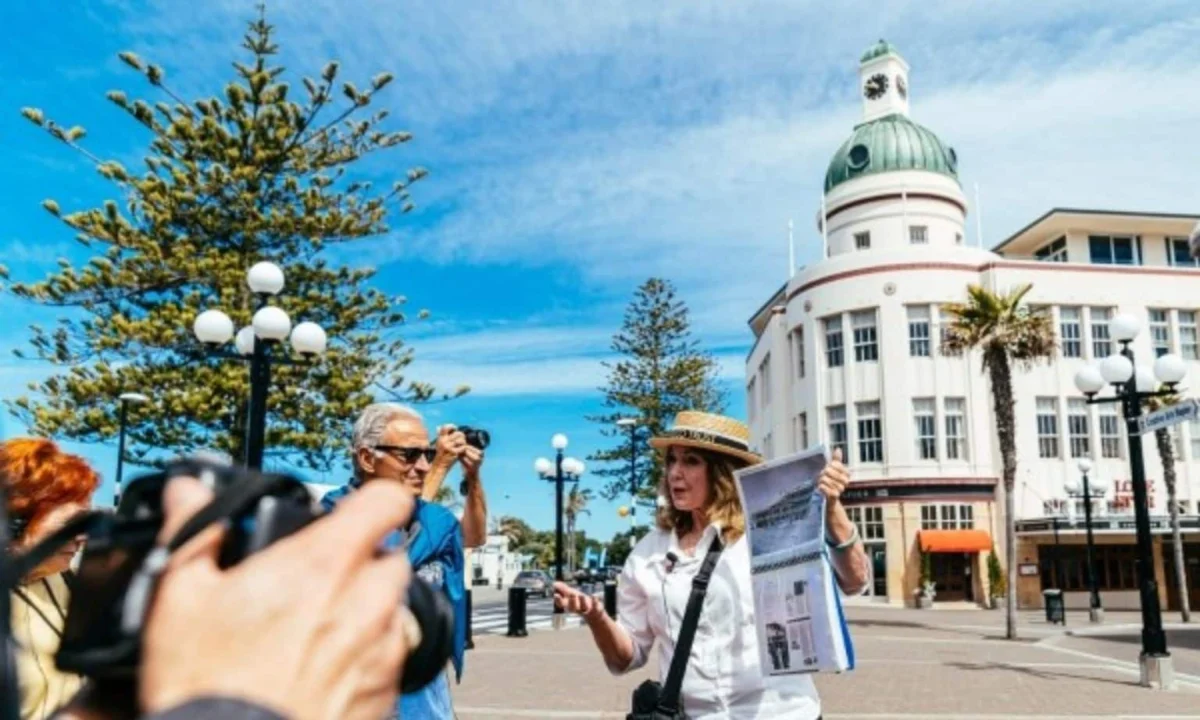
The global tide of sentiment against cruise ships, once a powerful undercurrent, has surged into a visible wave of public and governmental resistance in recent years. Iconic destinations like Venice have taken decisive action, implementing bans on larger vessels, while Amsterdam is actively working to relocate cruise operations away from its historic city center. This growing antipathy is not confined to a few isolated incidents; it represents a significant shift in how many tourism hotspots perceive the impact of large-scale cruise tourism. In France, Alaska, Greece, Spain, and Croatia, authorities are grappling with local protests, leading to discussions and implementation of measures to reduce or entirely ban cruise ship arrivals. These actions are often driven by concerns over environmental impact, infrastructure strain, and the perceived negative effects on local communities and their cultural heritage.
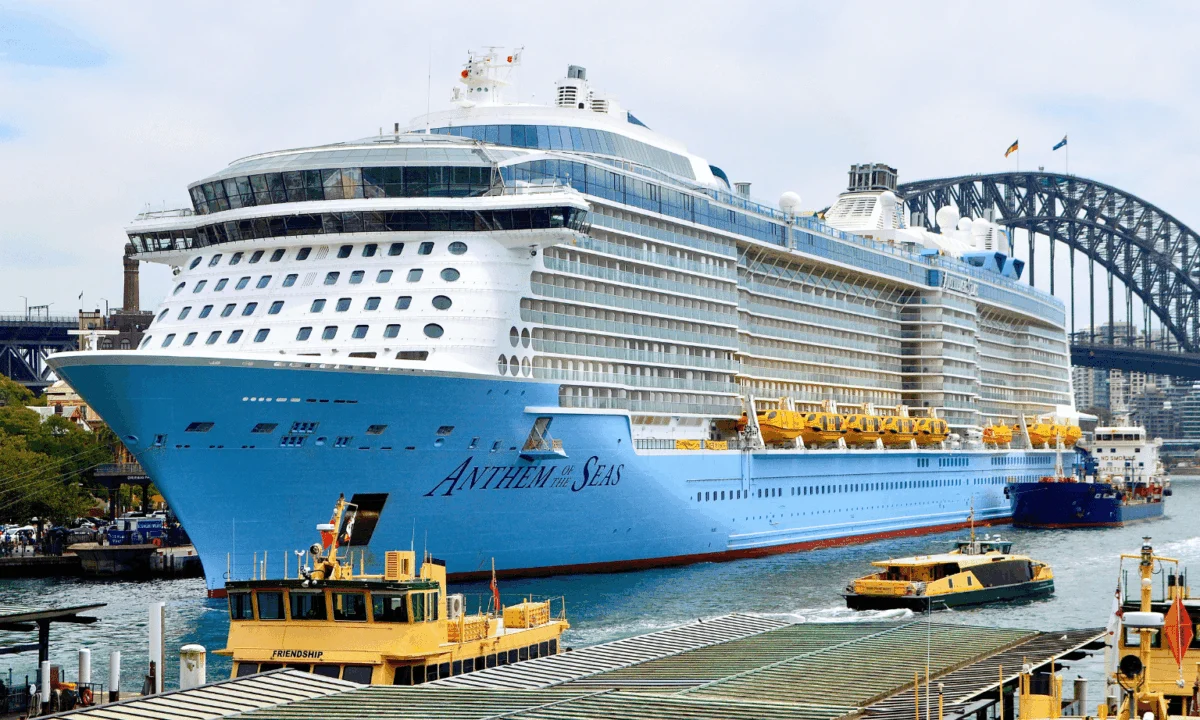
Amidst this global backdrop of increasing scrutiny, a notable shift has occurred on the shores of New Zealand. What was once a landscape of stringent regulations and unwelcoming port fees is transforming into a beacon of renewed hospitality for the cruise industry. A recent visit to Napier, a city renowned for its art deco architecture, revealed a starkly different reception. Shops and cafés along the vibrant Emerson Street proudly displayed signs offering discounts and warm welcomes to cruise passengers. This palpable enthusiasm extended beyond Napier, as the arrival of the Crown Princess, carrying nearly 3,000 potential spenders, was met with genuine excitement in various ports.
In Tauranga, Andrew, a local driver and guide, articulated the prevailing sentiment: "We love getting the cruise ships." This sentiment was echoed in other key New Zealand ports such as Wellington, Christchurch, and Port Chalmers (Dunedin), where numerous volunteers were on hand, offering maps and invaluable advice to guide visitors towards the best local experiences. This transformation in attitude is particularly striking when contrasted with New Zealand’s recent history of imposing high port charges and exceptionally strict biosecurity regulations. These measures had, at times, been so rigorous that ships faced denial of entry until their hulls were cleaned to meet stringent standards.
A Shift in Policy: From Deterrence to Engagement
The historical reluctance of New Zealand authorities to fully embrace cruise tourism was not without its justifications. Concerns over biosecurity – the prevention of invasive species and diseases entering the country – have always been a paramount consideration. The potential for the introduction of alien organisms through ship hulls, ballast water, or even cargo can have devastating ecological and economic consequences. Furthermore, the environmental footprint of large cruise vessels, including emissions and waste management, has been a growing point of contention worldwide.
However, the stern approach taken by New Zealand authorities in the past may have overlooked a fundamental characteristic of the cruise industry: its mobility. As David Siewers, Chief International Sales Officer for Azamara Cruises, highlighted, "cruise ships are moveable objects. If life becomes too hard, they simply go elsewhere." This reality became increasingly apparent as cruise lines began to divert itineraries away from ports that were perceived as overly burdensome. This diversion had a tangible impact on the livelihoods of local businesses that had come to rely on the influx of tourists brought by cruise ships. Attractions, tour operators, retail outlets, restaurants, and transportation services, many of whom were still recovering from the economic fallout of the COVID-19 pandemic, felt the sting of reduced cruise calls.
The implications of this shift were stark. The current cruise season, according to the New Zealand Cruise Association, has seen a significant decline in calls, with figures exceeding 40%. This downturn served as a potent "wake-up call" for the government, prompting a re-evaluation of its approach to cruise tourism. The economic repercussions of alienating a major segment of the tourism market became undeniable, forcing a recalibratory process that prioritized a more balanced and cooperative relationship.
Industry Perspectives and the Path Forward
The cruise industry, while acknowledging the continued rigor of New Zealand’s operational and biosecurity standards, has reported a discernible shift towards a more cooperative and welcoming environment. Charles Verwaal, who oversees hotel operations for the Princess Cruises fleet, noted a significant improvement: "There is more clarity and cooperation from the authorities. The industrial ports we have to use are not ideal, so there is room for improvement, but everyone is more welcoming, friendlier, and helpful." This sentiment is crucial, as it indicates a mutual understanding and a willingness to work through logistical challenges.
The improved relationship is not merely anecdotal. Azamara’s Siewers expressed genuine optimism: "We’re genuinely encouraged by the New Zealand government’s increasingly progressive stance toward cruise tourism, and particularly pleased to see meaningful investments being made in terminal infrastructure and port development." This statement underscores the industry’s appreciation for tangible efforts to enhance the cruise passenger experience and the operational efficiency of ports. The recognition of the need for improved terminal infrastructure and port development signals a commitment to accommodating larger vessels and a greater number of passengers, thereby enhancing the overall attractiveness of New Zealand as a cruise destination.
Siewers further elaborated on the long-term benefits of this evolving relationship, stating, "This forward-thinking approach bodes well for the entire industry and demonstrates a welcome commitment to sustainable cruise growth." The emphasis on "sustainable cruise growth" is particularly important, suggesting a move away from purely volume-driven tourism towards a model that considers environmental stewardship and the long-term well-being of local communities. This aligns with a broader global trend within the cruise industry to adopt more environmentally friendly practices and engage in responsible tourism.
Tangible Returns: Increased Cruise Itineraries and Investment
The rewards of New Zealand’s policy recalibration are already beginning to materialize, promising a significant upturn in cruise ship calls. The direct beneficiaries are not only the cruise lines but also the countless individuals and businesses whose livelihoods are intrinsically linked to tourism. Azamara Cruises has responded by significantly expanding its New Zealand program for the 2027 and 2028 seasons. Notably, the cruise line will introduce a New Zealand-intensive round-trip cruise from Auckland aboard the Azamara Pursuit in January 2028, indicating a deepened commitment to the region.
The optimism extends to other major cruise operators. Oceania Cruises is set to deploy one of its newest vessels, the Oceania Vista, to the region during the 2027/28 season. The Vista will undertake two cruises in New Zealand, including a voyage from Sydney to Auckland and a return itinerary. This deployment of a newer, larger ship signifies confidence in the market and the improved operational environment.
Princess Cruises, a stalwart in the Australasian cruising scene, will have two ships operating in New Zealand this season and the next. One vessel will sail from Brisbane, while another will depart from Sydney. Additionally, several other Princess ships are expected to visit New Zealand as part of their broader trans-Australasian itineraries. Verwaal’s confirmation, "We definitely have a greater desire to come," encapsulates the positive sentiment within Princess Cruises, reflecting the success of New Zealand’s efforts to re-engage the industry.
Broader Implications and Future Outlook
The shift in New Zealand’s approach to cruise tourism has far-reaching implications. It serves as a compelling case study for other destinations grappling with the complex dynamics of large-scale tourism. The experience highlights the importance of striking a balance between necessary environmental and biosecurity regulations and fostering a welcoming environment for economic contributors. The initial draconian measures, while perhaps well-intentioned, proved counterproductive by pushing away a vital economic sector.
The renewed focus on infrastructure development and port improvements suggests a long-term strategy for sustainable growth. Investing in modern terminal facilities can enhance passenger experience, improve efficiency, and potentially accommodate larger and more environmentally advanced vessels. This, in turn, can lead to a more consistent and predictable flow of visitors, benefiting local economies.
The success of this recalibration also hinges on continued collaboration between government agencies, port authorities, and the cruise industry. Open communication, transparency, and a shared commitment to addressing challenges are vital for maintaining the positive trajectory. As cruise lines expand their itineraries and deploy newer vessels, the economic benefits for New Zealand’s tourism sector are expected to grow substantially. This resurgence is not just about increasing the number of cruise ship calls; it’s about fostering a more mutually beneficial and sustainable relationship that respects both the unique environment of New Zealand and the economic realities of the global cruise industry. The journey from being an unwelcome port to a sought-after destination demonstrates the power of adaptive policy and a pragmatic approach to economic development in the face of evolving global trends.


 Anjar Salim
 Dwi Wanna
 Budi Mulyono
 Lukman Taruna Persada Ramadan
 Gabriela Annisa