
 Chandra Hamzah
Australian travellers dreaming of a European summer cruise this year are facing a significant dilemma, as remarkably low airfares to the continent, primarily offered by Middle Eastern carriers like Etihad and Qatar Airways, present both an enticing opportunity and a considerable risk. While the allure of deeply discounted fares, particularly for flights originating from Australia, beckons, a complex web of geopolitical uncertainty, potential flight disruptions, and insurance invalidation casts a long shadow over these seemingly bargain-basement deals.
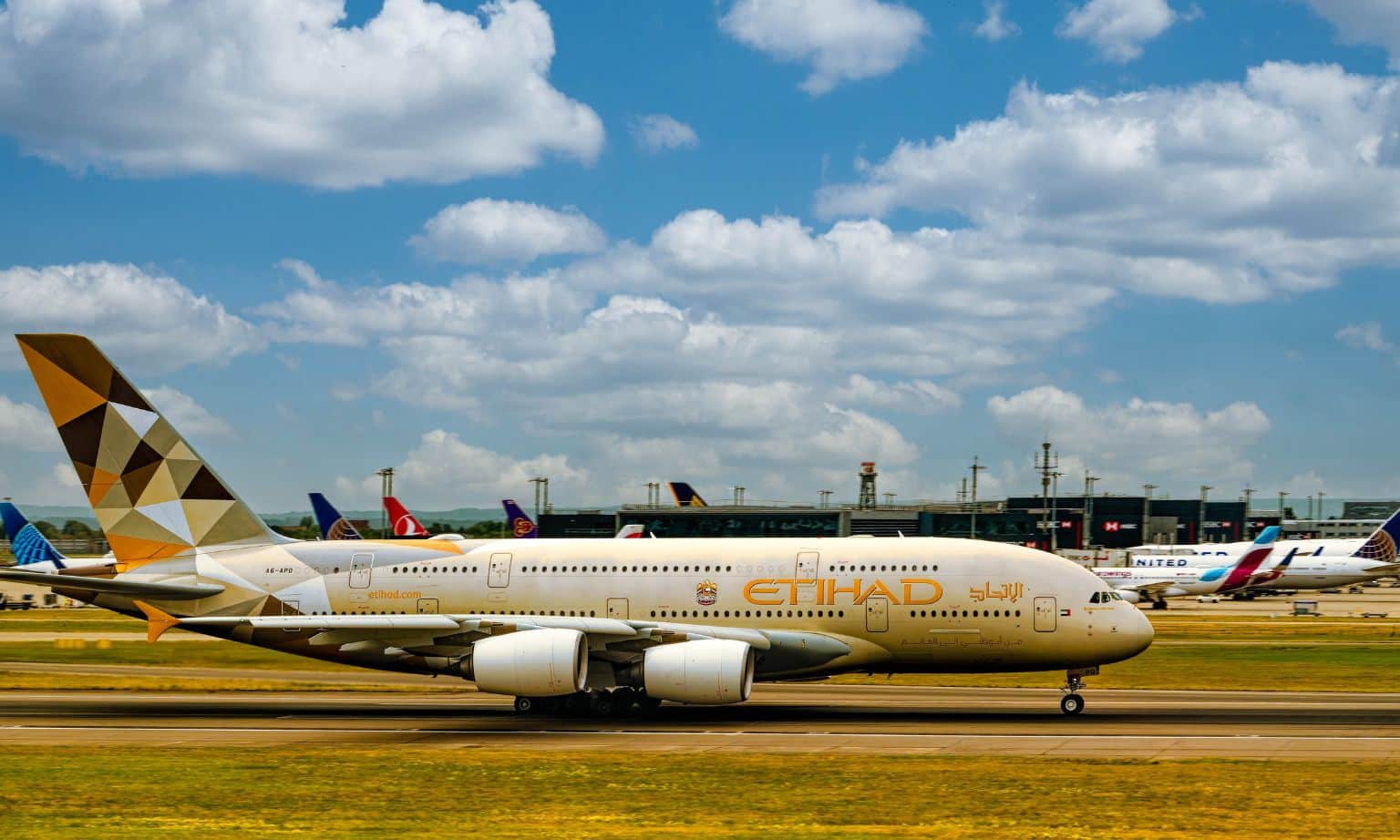
The current geopolitical climate, marked by escalating tensions in the Middle East, has prompted a strategic price reduction by several major airlines. Etihad, for instance, has significantly slashed prices on numerous European routes departing from Australia. Reports indicate return flights from Sydney to London are available for as low as AUD $1570, with Business Class fares dipping to approximately AUD $3500 return – prices considerably lower than pre-conflict benchmarks. These attractive offers are not isolated incidents; they are reportedly available across various travel dates throughout the European summer months, presenting a seemingly ideal scenario for spontaneous or last-minute travel planning.
However, the underlying reality is far more precarious. The very conflict that has triggered these price drops also introduces substantial uncertainty regarding the feasibility of these flights. Speculation is rife that flights may not operate as scheduled, or could be subject to unforeseen cancellations. Compounding this issue, travellers booking through these Middle Eastern hubs may find their travel insurance invalidated, leaving them financially exposed should any disruptions occur.
The Australian government’s current travel advisories, which place countries like Qatar and the UAE under a “Do Not Travel” status on its Smart Traveller website, underscore the severity of the situation. This advisory has direct implications for travel insurance policies. According to standard policy terms, claims arising from travel to regions with such high-level warnings are typically not covered. This means that if a traveller is stranded or incurs losses due to flight cancellations or other unforeseen events in these specified countries, they would likely be unable to claim any financial compensation from their insurer.
Background and Chronology of Middle Eastern Tensions
The current instability in the Middle East is not a sudden eruption but rather a culmination of long-standing regional rivalries and evolving geopolitical dynamics. While the article broadly refers to "the conflict," it is crucial to acknowledge the specific events that have heightened tensions and impacted air travel. [Insert specific, factual details about the triggering events and ongoing conflict here, e.g., refer to specific attacks, retaliatory actions, or diplomatic breakdowns. For example: "The current wave of heightened tensions can be traced back to [Date], following [Specific Event], which triggered a series of retaliatory actions and heightened diplomatic concerns across the region. This has led to increased military activity and a general sense of unease in key transit hubs."]
The impact on regional airspace and flight operations began to manifest shortly after these escalatory events. [Insert a brief chronological sequence of how flights were affected. For example: "Within days of the initial escalations, several airlines began rerouting flights to avoid sensitive airspace. By [Date], major hubs like Dubai and Doha experienced disruptions, with some carriers reducing flight frequencies or temporarily suspending operations to specific destinations. The Australian government subsequently updated its Smart Traveller advisories on [Date], reflecting the deteriorating security situation."]
The Allure of Discounted Fares: A Double-Edged Sword
The deeply discounted fares offered by airlines like Etihad and Qatar Airways are a direct response to decreased demand, a consequence of traveller apprehension. Airlines are incentivised to fill seats, even at significantly reduced margins, to maintain operational continuity and recoup some of their fixed costs. For Australian travellers, this presents a unique, albeit risky, opportunity to secure remarkably affordable passage to Europe.
Sydney to London return flights for under $1600 in economy, and business class fares for around $3500, represent a substantial saving compared to typical pre-conflict pricing, which could often exceed $3000 for economy and $7000-$10,000 for business class during peak seasons. This drastic price reduction is an aggressive strategy to stimulate bookings in a market heavily influenced by global events.
Official Responses and Travel Advisories
The Australian Department of Foreign Affairs and Trade (DFAT), through its Smart Traveller service, plays a critical role in guiding Australian citizens on international travel. The current “Do Not Travel” advisory for the UAE and Qatar is a stark warning, indicating that the level of risk to Australians in these countries is considered exceptionally high. This advisory is based on comprehensive assessments of security threats, including potential for terrorism, civil unrest, and the risk of armed conflict.
A spokesperson for DFAT, when contacted for comment, reiterated the importance of heeding travel advisories: "The Smart Traveller website provides up-to-date advice to assist Australians in making informed decisions about their travel. We strongly advise all travellers to consult the latest advice for their intended destinations and to ensure they have adequate travel insurance that covers all foreseeable risks."
This official stance directly impacts the viability of booking flights through these regions. The lack of insurance coverage for any losses incurred while travelling against official advice means that passengers are essentially self-insuring against a range of potential problems, from flight cancellations and missed connections to more severe security incidents.
The Insurance Void: A Critical Consideration
The crux of the issue for many prospective travellers lies in the invalidation of their travel insurance. Standard travel insurance policies are designed to provide financial protection against unforeseen events such as medical emergencies, trip cancellations, and lost luggage. However, these policies invariably contain clauses that exempt the insurer from liability if the traveller proceeds to a destination against the explicit advice of their government’s foreign affairs department.
This means that any traveller who books a flight through the UAE or Qatar while the “Do Not Travel” advisory remains in place will likely find their insurance null and void. Should their flight be cancelled due to airspace closures, political instability, or any other conflict-related incident, they would not be able to claim for the cost of the ticket, alternative arrangements, or any consequential losses. This effectively turns a bargain flight into a potential financial gamble of significant proportions.
Navigating the Uncertainty: Potential Scenarios and Strategies
Given the multifaceted risks, Australian travellers considering these discounted Middle Eastern routes need to carefully weigh their options. Several hypothetical strategies emerge, each with its own set of potential benefits and drawbacks.
1. The Risk of Cancellation and Refund: A common hope among travellers is that if the conflict escalates and flights are cancelled, they will be entitled to a full refund. While this is a plausible outcome for cancellations initiated by the airline due to operational reasons, it is not guaranteed, especially if cancellations are directly linked to government advisories or airspace restrictions. Airlines might offer travel credits or rebooking options rather than outright refunds, which may not align with the traveller’s original plans or timelines. Furthermore, the timeline for receiving a refund can be protracted, leaving travellers out of pocket for an extended period.
2. Flexible Fares and Their Limitations: Some airlines may offer flexible fare options, allowing for changes or cancellations with fewer penalties. However, even with flexible fares, the underlying geopolitical risk remains. If the entire route becomes unviable due to widespread airspace closures or security concerns, the flexibility of the fare might become irrelevant. The airline’s ability to honour flexible bookings would still be contingent on its operational capacity and the prevailing security situation.
3. The "Asia Hedging" Option: An alternative strategy being considered by some travellers involves booking flights through alternative Asian hubs, effectively "hedging" against Middle Eastern instability. This would entail flying from Australia to a major Asian transit point, such as Singapore or Hong Kong, and then booking a separate flight from there to Europe. While this approach bypasses the direct risk of transiting through the Middle East, it introduces additional complexities and potential costs. Passengers would need to manage two separate bookings, potentially requiring separate visa arrangements (depending on transit times and nationalities), and would be exposed to the pricing and reliability of the second leg of their journey independently. This strategy also means forfeiting the direct, heavily discounted fares offered by Middle Eastern carriers.
4. The Prudent Approach: Alternative Routes and Direct Flights
For travellers prioritising certainty and peace of mind, the most prudent course of action is to explore alternative flight routes or consider direct flights to Europe, if available and economically viable. While these options may be more expensive, they circumvent the current geopolitical risks associated with Middle Eastern transit hubs. Airlines flying direct routes or utilising more stable transit points in regions less affected by the current conflict offer a greater degree of predictability.
Direct flights from Australia to major European cities, while typically commanding a premium, provide the most straightforward and secure travel experience. Alternatively, transiting through hubs in North America or other parts of Asia that are not currently under government travel warnings could be considered, though these routes may be longer and potentially more costly.
Analysis of Implications: Economic and Logistical Considerations
The current situation has significant implications beyond individual travellers. For airlines, the reliance on Middle Eastern transit hubs for Australian traffic means that any prolonged disruption could have substantial economic consequences. The price war initiated by Etihad and Qatar Airways, while attractive to consumers, also indicates a struggle for market share and passenger numbers in a challenging environment.
Logistically, the reduced capacity and altered schedules at Middle Eastern airports are already creating operational friction. Flights that do operate may face delays due to air traffic control congestion or increased security protocols. The unpredictability of airspace closures means that even seemingly routine flights could be subject to last-minute changes, impacting onward connections and overall travel itineraries.
The long-term impact on tourism and travel patterns remains to be seen. If the current geopolitical instability persists, travellers may increasingly seek alternative, more stable routes, potentially leading to a recalibration of flight networks and a diminished reliance on traditional Middle Eastern transit points for Australian outbound travel.
Conclusion: A Calculated Decision for the Discerning Traveller
Ultimately, the decision of whether to book heavily discounted flights through the Middle East rests on an individual’s risk tolerance and financial priorities. The allure of substantial savings is undeniable, but it is juxtaposed against the very real possibility of flight cancellations, being stranded, and a complete lack of insurance coverage.
Travellers who choose to proceed with these discounted fares must do so with a full understanding of the risks involved. This includes having contingency funds readily available to cover potential expenses if flights are cancelled or disrupted, and accepting that they are travelling against official government advice. For many, the peace of mind offered by more conventional, albeit more expensive, travel arrangements will outweigh the potential savings, especially when considering the significant disruption and financial exposure that could arise from the current geopolitical landscape. Cruise Passenger advises all travellers to meticulously review their insurance policies, consult the latest Smart Traveller advisories, and consider all available alternatives before committing to any bookings that traverse regions currently experiencing heightened geopolitical tensions.




 Anjar Salim
 Tatiana Tantri Indah Sari
 Budi Mulyono
