Anjar Salim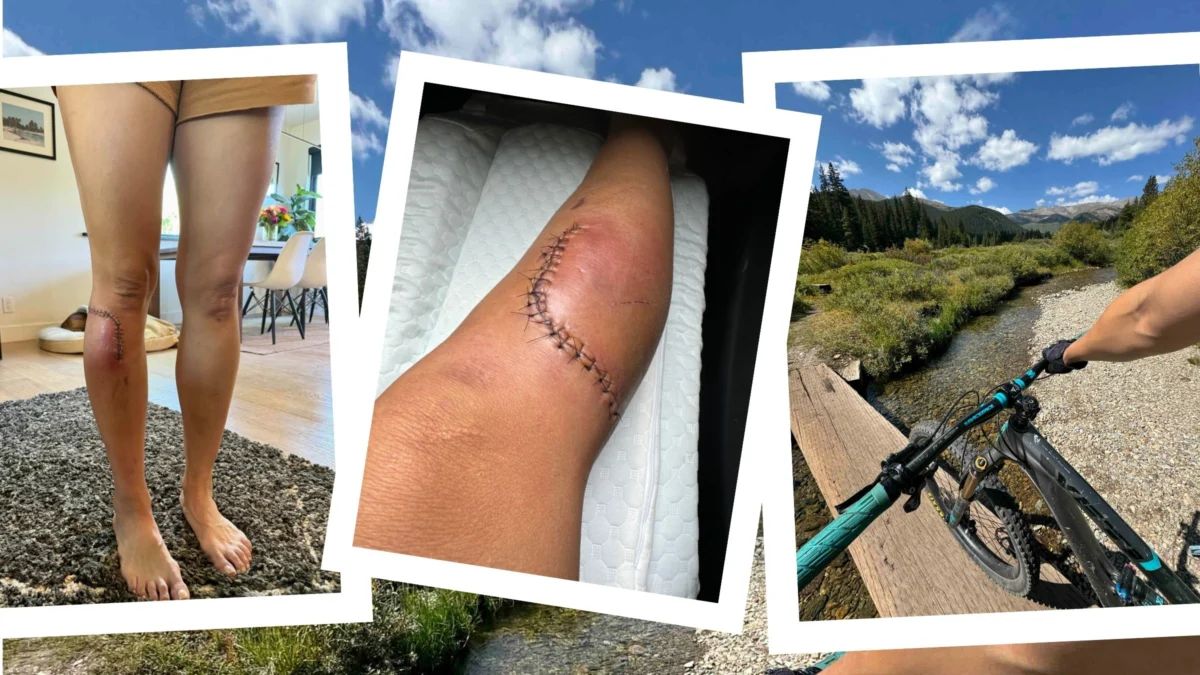
The intersection of outdoor recreation, remote wilderness, and emerging satellite technology was starkly illustrated in September 2023 when Lisa Shellenberger, a Denver-based family law attorney and elite CrossFit athlete, suffered a catastrophic injury while mountain biking alone in the Pike National Forest. Shellenberger, a seasoned rider known for her calculated approach to high-risk sports, found herself in a life-threatening situation after a routine descent near Boreas Pass turned into a desperate struggle for survival. The incident highlights not only the physical dangers inherent in Colorado’s backcountry but also the evolving role of consumer technology in emergency response and the critical importance of personal protective equipment.
The Anatomy of a High-Altitude Accident
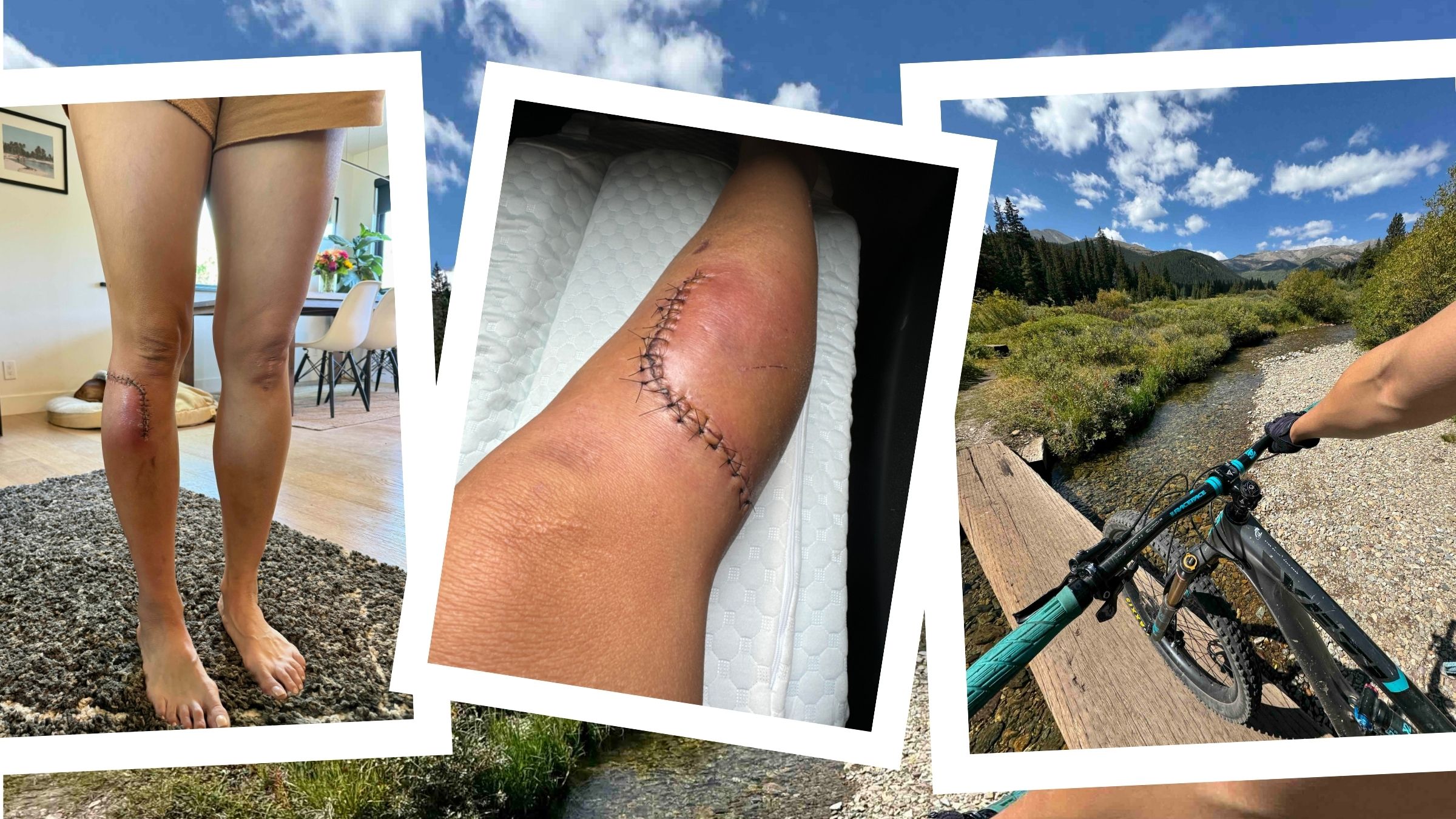
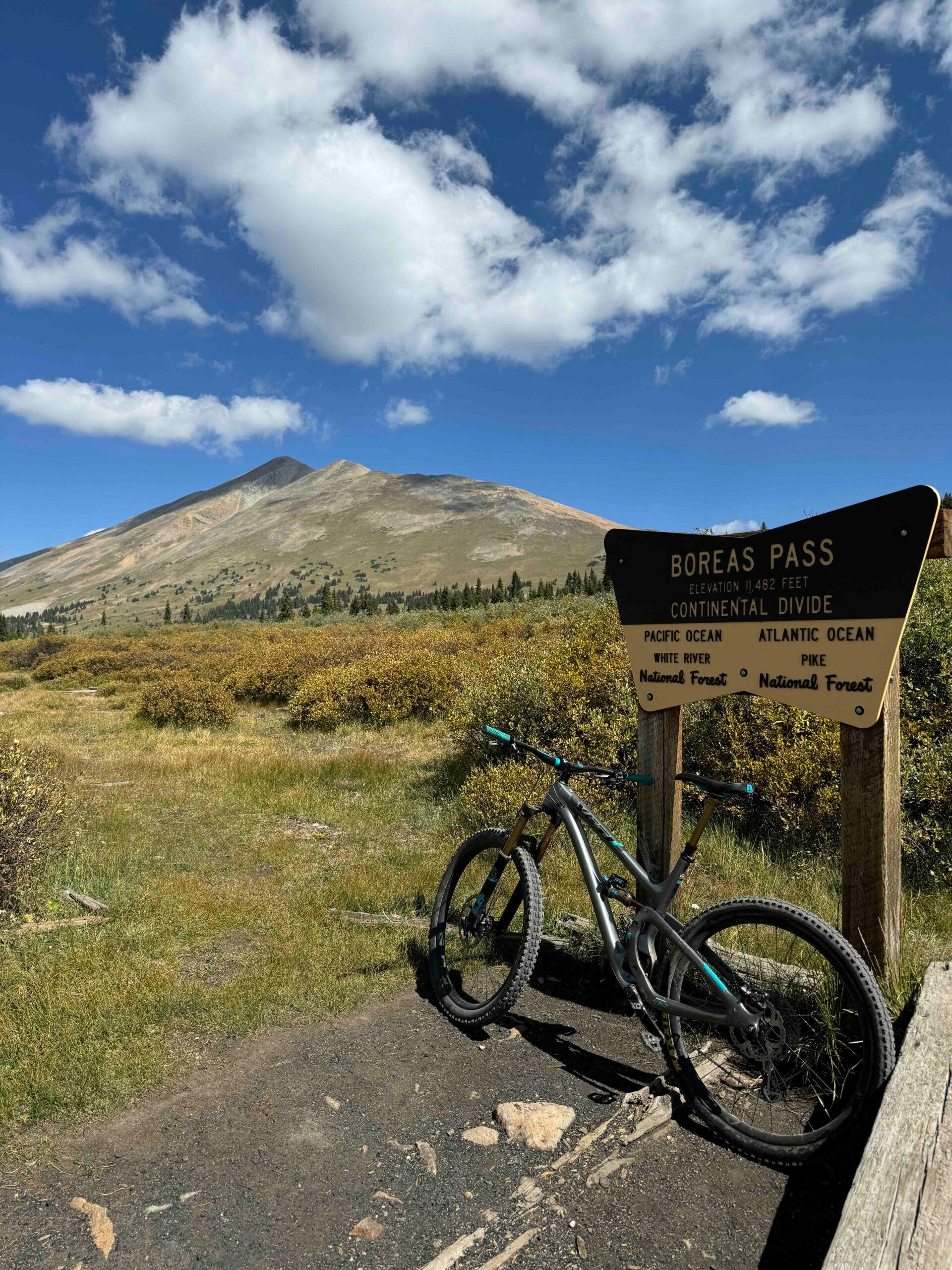
The incident occurred on a Saturday morning during the peak of Colorado’s autumn foliage season. Seeking to avoid the heavily congested Kenosha Pass, Shellenberger opted for the more secluded trails near Boreas Pass, a high mountain pass in the Rocky Mountains that rises to an elevation of 11,481 feet. The area, while scenic, is characterized by its remote nature and inconsistent cellular reception, factors that significantly complicate emergency extractions.
Shellenberger’s day began in the small town of Como, Colorado. After preparing her gear, she made a pivotal decision that would later define the severity of her injuries: she chose not to wear her knee pads, citing the discomfort they might cause during the steep ascent. This decision, while common among endurance riders looking to minimize heat and friction, removed a critical layer of defense against the rocky terrain of the Pike National Forest.
The crash occurred during the descent. Despite her experience and a cautious approach to technical sections, Shellenberger encountered a "dagger-like" rock protruding from the dirt on a relatively straightforward section of the fire road. The impact caused an "endo"—a cycling term describing a pitch-over-handlebar wreck where the front wheel stops abruptly while the rear wheel’s momentum continues upward. The resulting fall sent her directly onto the sharp geological feature, which acted as a blade against her unprotected lower leg.
Immediate Trauma and Field Stabilisation
Upon standing, Shellenberger discovered a severe laceration on her right shin. The impact had cleaved the skin and muscle, exposing underlying white structures—either bone or ligament. In medical terms, this constituted a deep, contaminated laceration with significant soft tissue loss. The presence of organic debris, including dirt and a pinecone, within the wound increased the immediate risk of infection and complicated the initial stabilization.
Driven by a combination of shock and survival instinct, Shellenberger performed immediate field first aid. Utilizing her background in high-level athletics and her understanding of basic trauma, she used her tank top and the Velcro waist straps of her mountain bike shorts to construct a crude but effective tourniquet and pressure dressing.
The physiological response to such trauma involves an immediate spike in adrenaline, which can temporarily mask the full extent of pain but also lead to hyperventilation and impaired decision-making. Recognizing the severity of the blood loss and her inability to walk out of the wilderness, Shellenberger attempted to use her mobile device to contact emergency services, only to find that the remote terrain offered no traditional cellular signal.
The Role of Satellite Emergency SOS Technology
The resolution of this crisis was significantly influenced by a relatively new feature in consumer electronics: Emergency SOS via satellite. This technology, which became available on major smartphone platforms in late 2022, allows users to send short text messages to emergency dispatchers even when outside the range of cellular towers or Wi-Fi.
Shellenberger’s experience provides a textbook case for the efficacy of these systems. After initially struggling to find a clear line of sight to a satellite while standing under a dense tree canopy, she successfully established a connection in a clearing. The system prompted her to point her device toward specific coordinates in the sky to maintain the data link.
According to data from search and rescue (SAR) organizations across the Western United States, the integration of satellite SOS features in smartphones has led to a measurable shift in how remote emergencies are reported. Previously, solo adventurers in Shellenberger’s position would have had to rely on "self-rescue" or wait for a passing hiker to find them—delays that could prove fatal in cases of major arterial bleeding or extreme weather.
In this instance, the Park County 911 dispatch received a precise GPS location and a brief description of the emergency: "Bike crash. Bad. Near Camp Como. Need ambulance." This allowed Park County Fire and Rescue to deploy assets directly to the fire road, bypassing the "search" phase of Search and Rescue and moving directly into the "rescue" and "recovery" phase.
Chronology of the Rescue and Medical Treatment
The timeline of the event illustrates the speed at which technology can bridge the gap between a remote accident and professional medical care:
- 08:00 AM – 10:00 AM: Arrival at Boreas Pass and ascent of the fire road.
- 10:30 AM (Approx.): The crash occurs; Shellenberger applies a makeshift tourniquet.
- 10:45 AM: Initial failed attempts to find a cellular signal.
- 11:00 AM: Successful satellite connection established; 911 dispatch notified.
- 11:15 AM: Shellenberger begins a painful descent on her bike, pedaling with one leg to reach a more accessible road.
- 11:30 AM: Contact made with Park County Fire and Rescue on the gravel fire road.
- 12:30 PM: Initial stabilization by paramedics and transfer to a staging area.
- 03:00 PM: Arrival at a hospital in Boulder, Colorado, following a two-hour self-drive (against medical advice).
Upon arrival at the hospital, Shellenberger’s condition required immediate surgical intervention. A trauma technician irrigated the wound to remove the forest debris lodged during the crash. The attending surgeon diagnosed the injury as a severe lower-leg laceration with significant tissue involvement. The wound required 40 heavy sutures to close.
Medical professionals later noted that Shellenberger was at high risk for compartment syndrome—a condition where increased pressure within a confined muscle space (compartment) leads to nerve and muscle damage and problems with blood flow. Had the swelling worsened or had the infection set in due to the organic debris, the possibility of permanent limb damage or amputation would have been a primary concern.
Official Perspectives and Regional Context
Park County, where the accident occurred, is a frequent site for outdoor emergencies due to its proximity to both Denver and high-alpine recreation areas. Local first responders often emphasize that while technology like satellite SOS is a "game changer," it does not replace the need for traditional safety measures.
"We are seeing an increase in the number of successful rescues initiated by satellite-enabled devices," a representative for regional emergency services (speaking generally on such incidents) noted. "However, the ‘Golden Hour’ of trauma still applies. The faster we get the coordinates, the better the outcome, but the patient still has to survive the interval between the accident and our arrival."
In Colorado, the "Search and Rescue" ecosystem is largely funded by the sale of hunting and fishing licenses and voluntary "CORSAR" (Colorado Search and Rescue) cards. Incidents like Shellenberger’s underscore the strain on rural counties that must provide sophisticated emergency services to a large volume of visiting outdoor enthusiasts from urban centers like Denver and Boulder.
Analysis of Implications for Outdoor Safety
The Shellenberger incident serves as a critical case study for several broader trends in outdoor recreation:
1. The Safety Paradox of Technology:
There is an ongoing debate within the outdoor community regarding whether satellite technology creates a "safety net" that encourages more people to take risks they are not prepared for. In Shellenberger’s case, her experience and physical fitness were already high; the technology acted as an amplifier for her existing survival skills rather than a crutch for inexperience.
2. The Importance of Personal Protective Equipment (PPE):
The severity of the injury was directly linked to the absence of knee pads. Modern mountain biking gear is designed to withstand the exact type of "sliding" and "puncturing" forces seen in this crash. Shellenberger’s post-incident reflection—"next time, I’m wearing my knee pads"—highlights a common lesson learned among veteran athletes: the "annoyance" of safety gear is negligible compared to the months-long recovery from a preventable trauma.
3. The Complexity of Self-Transport:
Shellenberger’s decision to drive herself two hours to Boulder, rather than taking an ambulance, highlights the high cost of emergency medical transport in the United States. While she reached her destination safely, medical experts generally advise against self-transport following major trauma due to the risk of delayed shock, loss of consciousness, or internal bleeding that could occur while operating a vehicle.
Conclusion
Lisa Shellenberger’s recovery lasted several months, involving intense management of swelling and physical therapy to regain the use of her leg. Her story is a testament to the resilience required of those who frequent the high country, but it is also a cautionary tale about the thin margin between a successful outing and a life-altering disaster.
As outdoor recreation continues to grow in popularity, the integration of satellite communication into standard consumer devices will likely continue to save lives. However, as this case demonstrates, the foundation of backcountry safety remains personal judgment, adequate gear, and the ability to remain calm under extreme duress. For the first responders of Park County and the surgeons in Boulder, it was a successful outcome; for the mountain biking community, it is a stark reminder that even on a "quiet" fire road, the wilderness remains indifferent to the skill level of the adventurer.


 Chandra Hamzah
 Gabriela Annisa
 Tatiana Tantri Indah Sari
 Budi Mulyono