
 Chandra Hamzah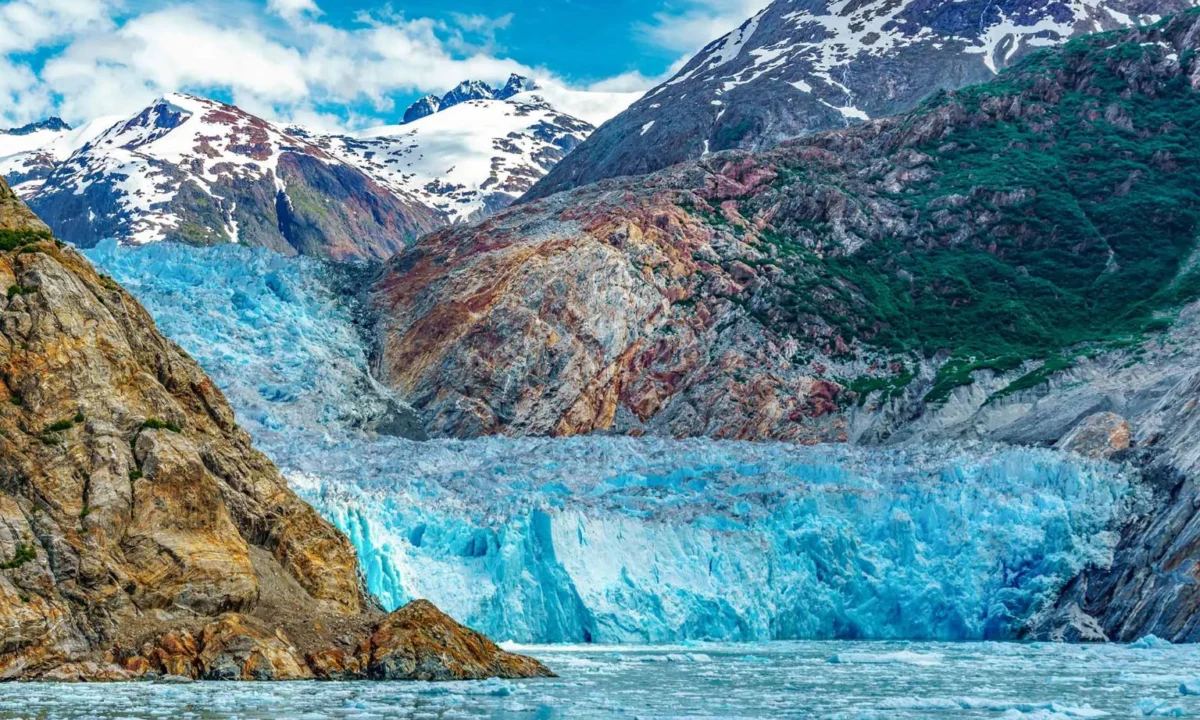
The breathtaking beauty of Alaska’s Tracy Arm Fjord, a crown jewel for cruise ship excursions, is currently off-limits to major cruise lines following a significant landslide last summer. This geological event has prompted a widespread rerouting of itineraries, with lines such as Carnival, Royal Caribbean, Holland America Line, Virgin Voyages, and MSC Cruises now opting for the alternative beauty of Endicott Arm. The decision, driven by concerns over potential secondary landslides and the resulting tsunamis, underscores the delicate balance between showcasing Alaska’s natural wonders and ensuring the paramount safety of passengers.
The Spectacle of Tracy Arm and the Genesis of Concern
Tracy Arm Fjord, a UNESCO World Heritage Site, is renowned for its dramatic granite cliffs, abundant wildlife including seals and whales, and the spectacular sight of tidewater glaciers calving into the frigid waters. For years, it has been a highlight of Alaskan cruises, offering passengers an intimate encounter with the raw power and serene grandeur of the Alaskan wilderness. The fjord’s narrow passages and proximity to steep mountain slopes, however, also present inherent geological risks, a fact starkly highlighted by the events of last summer.
While specific details on the exact date and magnitude of the landslide have not been widely publicized by official channels in a single consolidated report, seismic monitoring data from the Alaska Earthquake Center indicates significant geological activity in the region throughout the latter half of 2023. The Alaska Earthquake Center, led by state seismologist Mike West, has been instrumental in tracking and analyzing these events. West, in his public statements to outlets like Alaska Public, has emphasized that "Anytime you collapse the side of a mountain, I think it’s a safe assumption to assume that you’ve got an unstable mountainside, right? It is perfectly reasonable, or geologically reasonable, that there could be follow-on activity." This expert assessment forms the bedrock of the cruise lines’ cautionary approach.
The landslide’s impact was not confined to the immediate area. The sudden displacement of vast quantities of rock and debris into the water can trigger significant wave activity, akin to a localized tsunami. Dave Snider, the tsunami warning coordinator with the National Oceanic and Atmospheric Administration (NOAA), elaborated on this phenomenon. He stated, "This is a natural part of our landscape, to have landslides and gravitational releases of material that are close to the water. They’re extraordinary, unusual events that can happen with little to no notice at all. And because of that, we have to stress those natural hazard warning signs that very well could be the only alert that you get during an event like that." The potential for such unpredictable and powerful wave generation poses a direct threat to the stability and safety of large cruise vessels navigating the fjord.
Cruise Lines’ Swift Response and Passenger Notifications
The cruise industry, operating with a stringent safety-first protocol, has acted decisively in response to the heightened geological risks. Major operators have proactively modified their Alaskan itineraries to avoid Tracy Arm. This includes:
- Carnival Cruise Line: Known for its family-friendly voyages, Carnival has adjusted its schedules to bypass Tracy Arm.
- Royal Caribbean International: A leading operator in the Alaska market, Royal Caribbean has explicitly communicated the change to its guests. A representative statement indicated, "As guest safety remains our top priority, and current waterway conditions are not suitable for cruise ship navigation in Tracy Arm Fjord, Alaskan itineraries will instead visit the Endicott Arm and Dawes Glacier."
- Holland America Line: A long-standing provider of Alaskan cruise experiences, Holland America Line has also implemented itinerary changes.
- Virgin Voyages: The contemporary cruise line has similarly rerouted its vessels away from the troubled fjord.
- MSC Cruises: This global cruise giant has also communicated the change to its passengers. A recent notification for the MSC Poesia stated, "Due to current geological conditions, MSC Poesia will sail through Endicott Arm instead of Tracy Arm Fjord."
The cruise lines’ proactive communication with passengers is crucial in managing expectations and ensuring a positive, albeit adjusted, vacation experience. By highlighting the alternative destination, they aim to reassure travelers that the essence of Alaska’s majestic scenery remains accessible.
Endicott Arm: A Worthy Alternative
The chosen substitute, Endicott Arm, offers its own distinct and compelling natural attractions. Located a short distance from Tracy Arm, Endicott Arm is also a stunning glacial fjord, characterized by dramatic cliffs and actively calving glaciers. The primary draw for cruise passengers visiting Endicott Arm is the Dawes Glacier, a magnificent tidewater glacier that provides opportunities for close-up viewing of glacial ice and the possibility of witnessing impressive calving events.
MSC Cruises, in its notification to passengers, emphasized the merits of Endicott Arm: "Endicott Arm is a remarkable destination known for its dramatic landscapes and active glacier activity and provides the chance to admire close-up views of the Dawes Glacier." This sentiment is echoed by other lines, as they assure guests that the Alaskan cruise experience, while different, will remain rich in natural beauty and adventure. The shift to Endicott Arm allows cruise lines to maintain their commitment to showcasing Alaska’s awe-inspiring fjords and glaciers, albeit from a different vantage point.
Geological Context and Expert Insights
The events at Tracy Arm are not entirely unprecedented in the context of Alaska’s dynamic geology. The state is situated in a seismically active region and is characterized by extensive glaciated mountain ranges. Landslides, or rock avalanches, are natural phenomena that occur when gravitational forces overcome the shear strength of rock and soil. The presence of water, ice, and seismic activity can all contribute to slope instability.
The Alaska Earthquake Center plays a vital role in monitoring these geological processes. Their network of seismometers and other monitoring equipment provides real-time data on seismic events, ground deformation, and potential hazards. Mike West’s comments highlight the scientific understanding that a significant landslide can destabilize the surrounding mountainsides, creating a lingering risk of further collapses. This geological principle is fundamental to the precautionary measures being taken.
The interaction between landslides and water bodies, as explained by Dave Snider, is a critical consideration for navigation. The rapid entry of a large volume of material into a confined waterway can displace a significant volume of water, leading to waves that can pose a danger to vessels. The unpredictability of these events underscores the need for caution.
Broader Implications for Alaskan Tourism and Safety Protocols
The rerouting of major cruise lines from Tracy Arm has several implications for the Alaskan tourism industry and the broader context of cruise ship safety.
- Economic Impact: While Endicott Arm is a beautiful destination, the shift may have subtle economic ripple effects. Communities that rely heavily on cruise ship passenger traffic associated with Tracy Arm might see a temporary decrease in visitor numbers or a change in passenger spending patterns. However, the overall influx of tourists to Alaska remains robust, and the alternative destinations still provide significant economic benefits.
- Risk Assessment and Mitigation: This event serves as a stark reminder of the importance of continuous geological monitoring and risk assessment in popular tourist destinations, particularly those characterized by natural hazards. Cruise lines, in collaboration with geological experts and local authorities, will likely refine their protocols for assessing and mitigating risks in such environments.
- Technological Advancements: The reliance on data from organizations like the Alaska Earthquake Center and NOAA highlights the critical role of scientific research and technological advancements in ensuring safety. Continued investment in monitoring systems and early warning capabilities will be essential.
- Natural Hazards as Tourism Factors: The incident underscores how natural hazards, while potentially disruptive, are an intrinsic part of the Alaskan landscape. The ability of the tourism industry to adapt and manage these risks while still offering compelling experiences is a testament to its resilience.
The Future of Tracy Arm
The decision to bypass Tracy Arm is a temporary measure, driven by immediate safety concerns. The long-term outlook for cruise ship access to the fjord will depend on ongoing geological assessments and the natural processes of stabilization. It is plausible that as the mountainside settles and further geological monitoring provides greater certainty about the stability of the area, cruise lines may eventually resume visits to Tracy Arm.
Until then, the shift to Endicott Arm ensures that passengers can continue to experience the breathtaking glacial landscapes and wildlife of Alaska. The commitment of cruise lines to passenger safety, coupled with the expertise of geological and meteorological organizations, allows for a responsible and enjoyable exploration of this magnificent region, even in the face of evolving natural conditions. The story of Tracy Arm’s current inaccessibility is a compelling narrative of nature’s power and humanity’s adaptive response to ensure safety amidst unparalleled beauty.



 Anjar Salim
 Tatiana Tantri Indah Sari
 Budi Mulyono
