
 Chandra Hamzah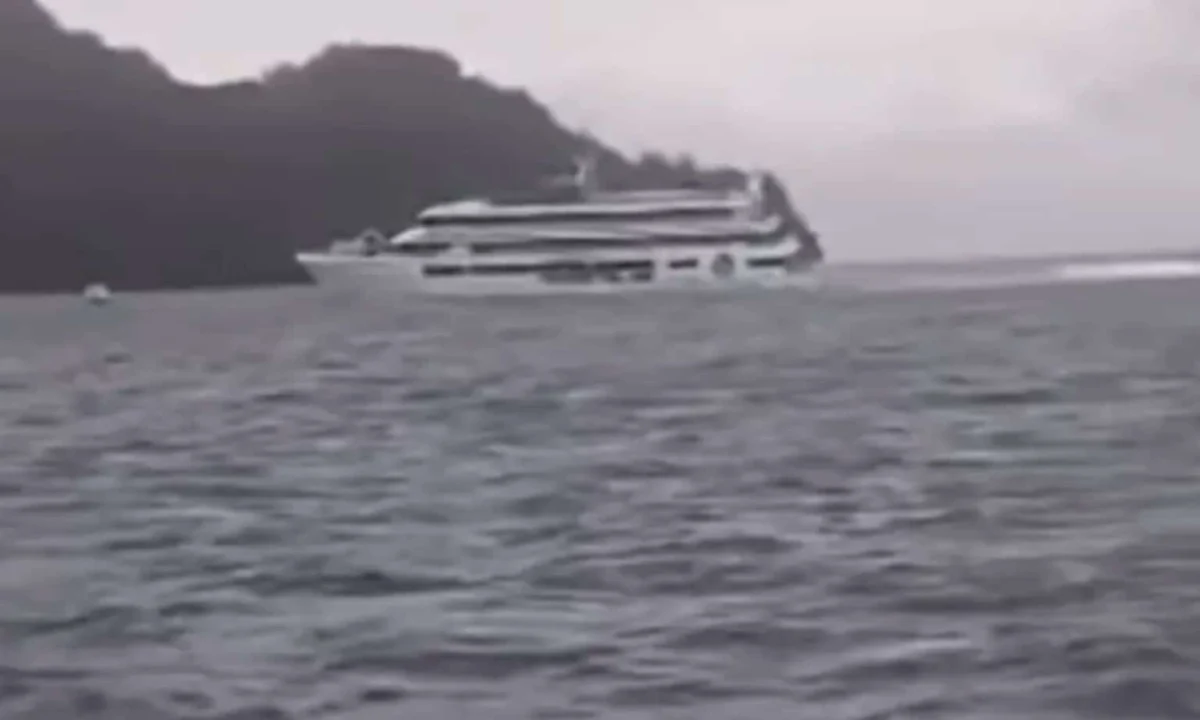
Thirty passengers have been successfully rescued and disembarked from the cruise ship Fiji Princess after it ran aground near Monuriki Island in Fiji. The incident, which occurred during a seven-day itinerary, has prompted a coordinated response from maritime authorities and involved the evacuation of all passengers and crew to safety. While the immediate concern for passenger welfare has been addressed, the grounding has raised questions about the vessel’s structural integrity and the potential environmental impact.
The Fiji Princess, a 55-meter vessel operated by Blue Lagoon Cruises, reportedly experienced engine failure prior to grounding on the reefs in the vicinity of Monuriki Island. Early reports indicated that the ship was taking on water before it became lodged on the seabed. The exact cause of the engine failure remains under investigation, but this malfunction is understood to be the primary catalyst for the grounding incident.
Chronology of the Incident
While a precise timeline of events has not been fully detailed by official sources, the rescue operation unfolded swiftly. Passengers were safely evacuated from the grounded vessel on [Insert Day of the Week, e.g., Tuesday] and transported to Port Denarau. Fiji Navy sources confirmed that all 30 passengers were accounted for and suffered no reported injuries. The crew also remained on board initially to manage the situation, but were later transferred to another vessel due to safety concerns regarding the stability of the Fiji Princess.
The grounding occurred in a geographically significant area. Monuriki Island is renowned globally as the filming location for the 2000 blockbuster film "Cast Away," starring Tom Hanks. This picturesque island, part of the Mamanuca Islands archipelago, is a popular destination for tourists and cruise itineraries, underscoring the disruption caused by the grounding to both the cruise operator and the tourism ecosystem.
Vessel Condition and Environmental Concerns
The Maritime Safety Authority of Fiji (MSAF) has confirmed that the Fiji Princess sustained significant damage. Initial assessments reveal substantial damage to the vessel’s rear left side, as well as further structural compromise underneath the hull. This level of damage suggests that the grounding was a forceful event.
A primary concern following the grounding is the potential for environmental pollution. Authorities are prioritizing the immediate removal of fuel and oil from the vessel to mitigate any risk of leakage into the surrounding marine environment. An Australian team has been engaged to assist with this critical operation, highlighting the collaborative efforts underway to manage the aftermath of the incident. Further recovery and salvage operations for the vessel itself will be contingent upon improving weather conditions.
Operator’s Response and Passenger Welfare
Blue Lagoon Cruises, the operator of the Fiji Princess, is cooperating fully with authorities and has stated its commitment to the safe recovery of the vessel and the well-being of its passengers and crew. The company is reportedly working on plans for the salvage and recovery of the ship. The specific details of the compensation or alternative arrangements for passengers whose itineraries were disrupted are yet to be fully elaborated, but it is standard practice for cruise lines to address such issues with affected individuals.
The nationalities of the passengers on board have not been officially disclosed. However, Fiji is a popular cruise destination for travelers from Australia and New Zealand, and it is common for these demographics to be well-represented on Fijian cruises. Investigations are ongoing to ascertain if any Australian or New Zealand citizens were among those rescued.
Broader Implications and Future Considerations
The grounding of the Fiji Princess brings to the forefront several important considerations for the maritime industry and the Fijian tourism sector.
- Safety Protocols and Navigation: Investigations into the engine failure and the circumstances leading to the grounding will be crucial in identifying any potential lapses in safety protocols, navigational procedures, or vessel maintenance. This incident will likely prompt a review of operating procedures for smaller cruise vessels in the region.
- Environmental Protection: The proximity to sensitive marine ecosystems, including coral reefs, amplifies the importance of prompt and effective pollution control measures. The successful containment of fuel and oil will be a key indicator of the effectiveness of the environmental response.
- Tourism Impact: While the Mamanuca Islands are a resilient tourist destination, such incidents can cause temporary disruptions and raise concerns among potential visitors. The swift and transparent management of the situation by authorities and the cruise operator will be vital in reassuring the tourism market.
- Vessel Age and Maintenance: While specific details about the Fiji Princess‘s age and maintenance history are not publicly available, grounding incidents can sometimes be linked to the operational capabilities and upkeep of older vessels. Further information may emerge as the investigation progresses.
The Fiji Princess is a vessel designed for intimate cruising experiences, often navigating shallower waters and more remote islands that larger ships cannot access. Its grounding in such a location underscores the inherent risks associated with maritime operations, even in well-traveled tourist areas.
Official Statements and Ongoing Investigations
Fiji Navy sources have provided assurances that the rescue operation was conducted without incident and that all passengers are safe. The MSAF’s confirmation of the vessel’s damage provides a factual basis for the scale of the incident. The ongoing efforts to remove fuel and oil, conducted with international assistance, demonstrate a commitment to environmental stewardship.
The investigation into the precise cause of the engine failure and the sequence of events leading to the grounding is expected to be thorough. This will involve examining ship logs, interviewing crew members, and potentially conducting a full survey of the vessel’s engineering systems. The findings will be critical for preventing similar incidents in the future.
The incident serves as a reminder of the dynamic and sometimes unpredictable nature of sea travel. While the immediate crisis of passenger safety has been averted, the focus now shifts to the complex process of salvaging the vessel and ensuring the long-term protection of Fiji’s pristine marine environment. The successful resolution of this incident will depend on continued cooperation between Blue Lagoon Cruises, Fijian authorities, and international partners. The picturesque backdrop of Monuriki Island, while lending a unique element to the story, also highlights the vulnerability of such natural beauty to maritime accidents.




 Tatiana Tantri Indah Sari
 Budi Mulyono
 Anjar Salim
