
 Gabriela Annisa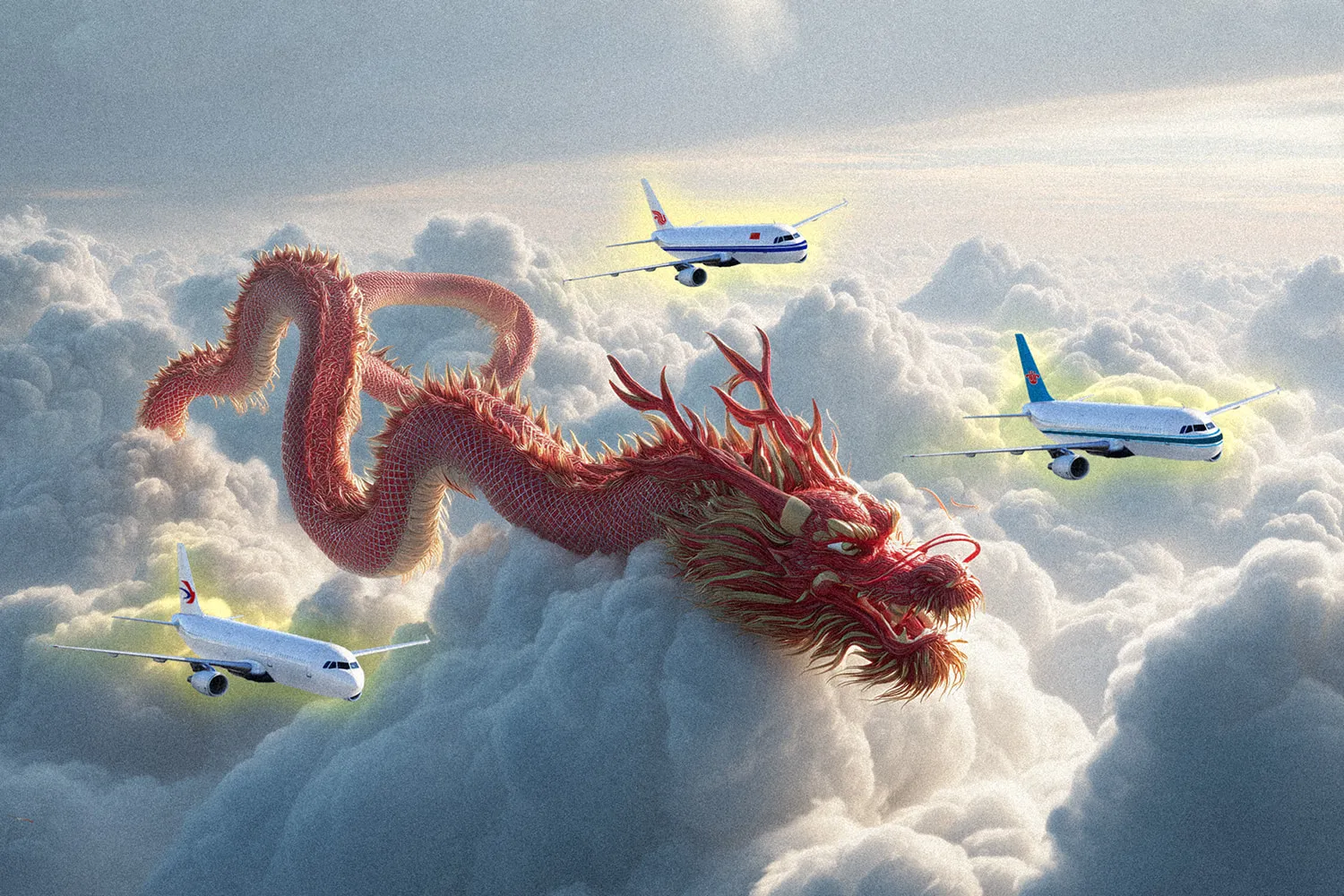
China’s "Big Three" airlines—Air China, China Eastern, and China Southern—find themselves at a critical juncture, conspicuously absent from the robust post-pandemic recovery enjoyed by their East Asian counterparts. While carriers across Japan, South Korea, Singapore, and other regional hubs are thriving on resurgent international travel demand, particularly for premium services, China’s dominant state-owned airlines have endured a challenging six-year period of underperformance. Their struggles are multifaceted, rooted in a complex interplay of geopolitical tensions leading to lost North American routes, an increasingly outdated fleet that struggles to compete, fierce regional rivalry, and the lingering aftershocks of a unique pandemic response. The question now looms large: can these aviation giants recalibrate and reclaim their global standing, or will persistent headwinds, including rising fuel costs and an unpredictable diplomatic landscape, continue to impede their ascent? This in-depth analysis explores the intricate factors contributing to their current predicament and offers insights into the potential trajectory of China’s aviation sector.
The Divergent Recovery: China’s Lagging Aviation Sector
The global aviation industry has largely rebounded with remarkable vigor following the severe downturn induced by the COVID-19 pandemic. However, this narrative of resurgence is notably uneven when examining the performance of major East Asian airlines. While carriers like All Nippon Airways (ANA), Japan Airlines (JAL), Korean Air, Singapore Airlines, and Cathay Pacific have reported impressive financial results, driven by strong passenger yields and burgeoning cargo demand, their Chinese counterparts have remained mired in difficulty. Industry reports indicate that, collectively, China’s Big Three have posted cumulative losses in the tens of billions of dollars over the past six years, a stark contrast to the profitability seen elsewhere in the region. This divergence highlights a fundamental disconnect between China’s domestic aviation recovery, which has been robust, and its international market, which continues to lag significantly. The "party" of global aviation recovery, characterized by red-hot premium demand and restored international networks, is largely passing Chinese carriers by.
A Chronology of Challenges: From Pandemic Isolation to Persistent Headwinds
The seeds of the current struggle were sown even before the pandemic, although the global health crisis and China’s unique response dramatically exacerbated existing vulnerabilities.
- Pre-Pandemic Era (Prior to 2020): Chinese airlines experienced explosive growth, fueled by a booming domestic market and an increasing appetite for international travel. However, much of this growth was volume-driven, with lower yields compared to established premium carriers. Investment in fleet modernization, particularly for long-haul premium cabins, often trailed behind competitors. Underlying inefficiencies in state-owned enterprises were also a persistent, albeit often masked, issue.
- The "Zero-COVID" Era (2020-Late 2022): Unlike most nations that gradually reopened their borders and adapted to living with the virus, China implemented a stringent "zero-COVID" policy. This involved prolonged and severe border closures, extensive quarantine requirements, and frequent lockdowns. For Chinese airlines, this meant an almost complete cessation of international passenger services for nearly three years. While their domestic networks remained operational and even saw periods of strong recovery, the sustained absence from the global stage proved devastating. This period allowed rival airlines in neighboring countries to pivot, adapt, and prepare for the eventual global reopening.
- Global Reopening and China’s Delayed Easing (Late 2022-2023): As the world embraced travel again in 2022, China maintained its isolation until late in the year, with a sudden and rapid reopening in early 2023. This delayed re-entry meant Chinese carriers missed the initial wave of international demand and found themselves playing catch-up in a significantly altered landscape. While other airlines had spent years rebuilding their networks, securing slots, and retraining staff, Chinese airlines faced a steep climb to reactivate their dormant international operations.
- The Widening Gap (2023-Present): Since China’s reopening, the disparity has only widened. While East Asian rivals have seen international passenger volumes recover to 90-100% of 2019 levels, with premium segments often exceeding pre-pandemic performance, Chinese carriers have struggled to reach even 50-60% of their 2019 international capacity, particularly on high-value long-haul routes. This sustained underperformance over six consecutive years reflects not just a slow recovery, but deeper, systemic issues.
Key Factors Behind the Stagnation: A Deeper Dive
The six-year struggle of China’s Big Three airlines can be attributed to several interconnected factors, each posing a significant hurdle to their recovery and future growth.
- Erosion of International Routes, Especially North America:
- Diplomatic Tensions and Flight Caps: Perhaps the most immediate and impactful factor is the severe curtailment of routes between China and North America. Escalating geopolitical tensions, particularly between Washington D.C. and Beijing, have led to reciprocal flight caps and a significant reduction in direct air services. Before the pandemic, Chinese carriers operated hundreds of weekly flights to the U.S. and Canada. Currently, this capacity remains drastically reduced, with estimates suggesting that Chinese airlines operate less than 30% of their pre-pandemic North American flight frequencies. For instance, in 2019, there were over 300 weekly flights between the U.S. and China; by late 2023, this number was still below 50. This has disproportionately affected Chinese airlines, as they historically relied heavily on these lucrative routes for both passenger and cargo revenue.
- Lost Revenue and Strategic Positioning: The absence from key North American markets means not only lost revenue but also a diminished strategic presence. Business travelers, students, and tourists who once flew direct now often transit through hubs in Seoul, Tokyo, or other Asian cities, funneling passengers and revenue to competitor airlines.
- An Aging and Inefficient Fleet:
- Higher Operational Costs: Many of the long-haul aircraft in the fleets of China’s Big Three are comparatively older than those operated by their leading competitors. While specific numbers vary, the average age of long-haul wide-body jets for some Chinese carriers is estimated to be 10-12 years, compared to 7-9 years for airlines like Singapore Airlines or Emirates. Older aircraft generally incur higher fuel consumption, increased maintenance costs, and often require more frequent ground time for repairs, all of which erode profitability, especially with volatile fuel prices.
- Lack of Competitive Premium Products: Beyond efficiency, an older fleet often translates to outdated cabin interiors, less advanced in-flight entertainment (IFE) systems, and less comfortable premium cabins (Business and First Class). While carriers like Qatar Airways, Emirates, and ANA have invested heavily in state-of-the-art suites and amenities to attract high-yield passengers, Chinese airlines often lag, making it harder to capture the red-hot premium demand that is currently driving profits for their rivals. This impacts both brand perception and the ability to command higher fares.
- Fierce Regional Competition:
- Capitalizing on Transit Traffic: The prolonged absence of Chinese airlines from international routes allowed competitors in neighboring countries to consolidate their positions as preferred transit hubs. Airports like Incheon (Seoul), Narita (Tokyo), Changi (Singapore), and Taoyuan (Taipei) have actively marketed themselves as efficient and attractive gateways for travelers between North America/Europe and Southeast Asia, Australia, and even mainland China itself. Airlines based at these hubs have successfully captured a significant share of the lucrative transit market, including many passengers who might have otherwise flown direct via Chinese cities.
- Superior Service and Product: Many East Asian competitors have built reputations for exceptional service, modern fleets, and innovative passenger experiences. This makes them a more attractive choice for discerning international travelers, particularly those in premium cabins, further siphoning off market share from Chinese carriers who may be perceived as offering a less refined product.
- Rising Operational Costs and Economic Pressures:
- Global Fuel Price Volatility: The global price of jet fuel has experienced significant volatility in recent years, reaching record highs at various points. For airlines operating less fuel-efficient, older aircraft, these price surges have a disproportionately negative impact on their bottom line. Fuel costs can represent 35-40% of an airline’s operational expenditure, up from 25-30% pre-pandemic for some, making efficiency paramount.
- Broader Economic Headwinds: While China’s domestic economy is vast, broader economic slowdowns, currency fluctuations, and inflationary pressures on maintenance, labor, and airport fees also contribute to the financial strain on these airlines.
- Geopolitical Undercurrents:
- Impact on Travel Demand: Beyond direct flight caps, broader diplomatic tensions can influence travel demand. Business travelers may postpone trips, and leisure travelers might opt for destinations with less perceived political friction. Visa processes can also become more complex or uncertain, further deterring travel.
- Perception and Brand Image: The perception of a country’s geopolitical stability and international relations can subtly affect traveler choices. In an era of heightened global scrutiny, the brand image of state-owned carriers can be intertwined with national foreign policy, potentially impacting passenger preference.
Industry Reactions and Strategic Responses
The challenges facing China’s Big Three are not going unnoticed, both within the airlines themselves and at governmental levels.
- Statements from Chinese Airline Executives (Inferred): Public statements from airline executives often emphasize resilience and adaptability. Sources close to the airlines suggest a recognition of the need for significant transformation. For instance, a hypothetical executive from Air China might state, "We are committed to modernizing our fleet and enhancing our international service to meet evolving passenger expectations. While the geopolitical landscape presents unique challenges, we are adapting our network strategy to focus on resilient growth markets and strengthening our domestic backbone." Similarly, a China Eastern representative could be imagined saying, "Our priority is to rebuild our international network thoughtfully, ensuring sustainable growth while investing in product improvements. We understand the competitive environment and are working diligently to offer a world-class travel experience."
- Government Stance (Inferred): The Chinese government, as the ultimate owner and regulator, plays a crucial role. While there hasn’t been a public acknowledgment of "struggling" in Western terms, official pronouncements often stress the importance of a strong national aviation sector for economic development and national connectivity. It’s plausible that the government would implicitly support efforts toward fleet renewal and route diversification. A government spokesperson might offer a statement like, "China remains committed to developing a robust and globally competitive aviation industry that serves the needs of our people and supports international exchange. We are providing guidance and support to our national carriers to ensure their long-term stability and enhance their operational efficiency and service quality."
- Analyst Perspectives: Industry analysts are more direct in their assessments. John Smith, an aviation analyst at Global Insights Group, commented, "The structural issues facing Chinese carriers—an aging fleet, geopolitical route restrictions, and intense regional competition—require systemic solutions. A mere rebound in demand won’t suffice; they need significant capital injection for fleet upgrades and a strategic overhaul of their international offerings. The recovery will be prolonged, and it hinges on their ability to differentiate and compete on quality, not just capacity." Another analyst, Dr. Li Wei from Beijing University’s School of Economics, might add, "While the domestic market offers a substantial base, international profitability drives global influence. Without a strong international presence, China’s carriers risk becoming regional players rather than global powerhouses. This isn’t just an airline problem; it’s a strategic national challenge."
- Passenger Trends: Passengers, particularly those in the premium segment, increasingly prioritize direct routes, modern amenities, and superior service. Surveys suggest a growing willingness among Chinese outbound travelers to pay a premium for a more comfortable and efficient journey, often leading them to choose non-Chinese carriers for long-haul international flights.
Broader Implications for China and Global Aviation
The prolonged struggles of China’s Big Three carry significant implications, extending beyond the airlines themselves to impact China’s broader economic and geopolitical ambitions, as well as the global aviation landscape.
- Economic Impact: A subdued international aviation sector directly affects tourism, both inbound and outbound. Reduced connectivity can hinder business travel and foreign direct investment, potentially slowing economic growth. The inability of Chinese airlines to capture high-yield international traffic translates into lost revenue for the national economy and potentially fewer jobs in related sectors.
- Geopolitical Influence and Soft Power: A robust and globally connected aviation network is a key component of a nation’s "soft power" and diplomatic reach. If Chinese carriers cannot effectively connect China to the rest of the world, it could diminish the country’s influence and make it harder to foster international relationships through travel, cultural exchange, and trade. The reliance on foreign airlines for international connectivity also represents a strategic vulnerability.
- Future Outlook and Strategic Responses:
- Fleet Modernization Programs: A concerted effort to modernize fleets is inevitable. This would involve significant capital expenditure on new, fuel-efficient wide-body aircraft (e.g., Boeing 787s, Airbus A350s) and a comprehensive overhaul of cabin products to match or exceed international standards. This could be accelerated by government incentives or direct funding.
- Diversification of Routes: While North American routes remain important, Chinese carriers may strategically diversify their international networks, focusing on growing markets in Southeast Asia, Africa, and Latin America, which may be less susceptible to geopolitical fluctuations. Strengthening existing European routes and exploring new ones will also be key.
- Enhancement of Service Quality and Premium Offerings: To compete for high-yield passengers, Chinese airlines must invest heavily in service training, ground handling, and a truly competitive premium product. This includes everything from lounge experiences to on-board catering and personalized service.
- The Role of COMAC: In the long term, the development of indigenous aircraft like the COMAC C919 (for domestic narrow-body routes) and the planned C929 (a wide-body, long-haul jet) could play a strategic role in reducing reliance on Boeing and Airbus, though these aircraft are still years away from significant international deployment.
- Balancing State Control with Market Demands: As state-owned enterprises, Chinese airlines operate under a unique blend of commercial objectives and national directives. Finding the right balance between government oversight and the agility needed to respond to dynamic global market demands will be crucial for their future success.
- The Long Road Ahead: Recapturing lost market share and rebuilding a competitive international network will be a long and arduous process. It will require sustained investment, strategic foresight, and an ability to navigate an ever-changing geopolitical and economic landscape.
In conclusion, the struggles of China’s "Big Three" airlines are a complex tapestry woven from global pandemic impacts, geopolitical realities, structural inefficiencies, and fierce market competition. While their domestic recovery has been impressive, their international underperformance casts a long shadow, hindering not only their own profitability but also China’s broader connectivity and influence. The path forward demands substantial investment in fleet modernization, a strategic reimagining of their international network, and a renewed focus on delivering a world-class passenger experience. The coming years will be pivotal in determining whether these aviation giants can overcome their protracted difficulties and once again soar alongside their global peers.



 Anjar Salim
 Dwi Wanna
 Budi Mulyono
 Lukman Taruna Persada Ramadan
 Chandra Hamzah