
 Gabriela Annisa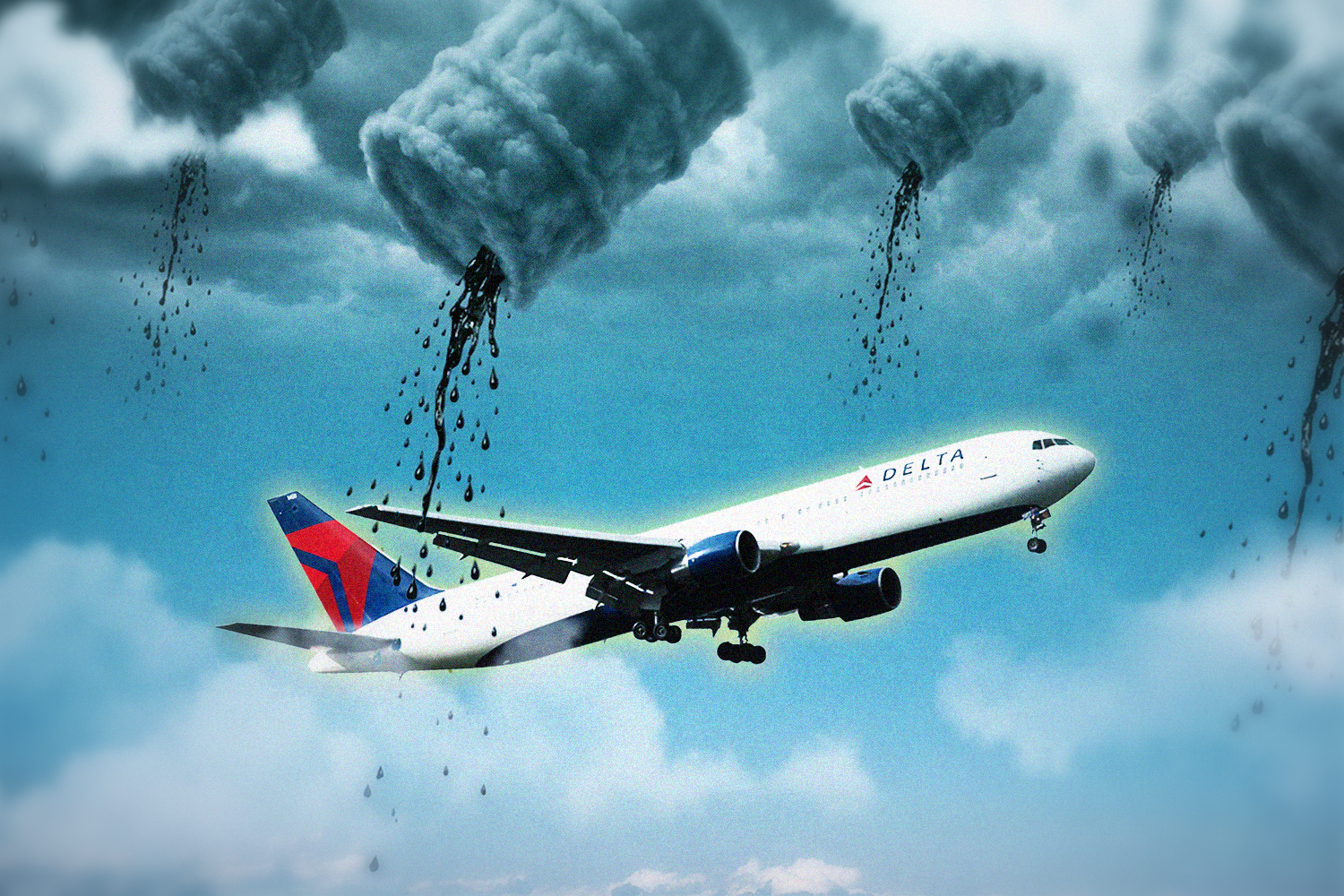
Delta Air Lines finds itself at a critical juncture, grappling with a formidable new challenge: a potential $2 billion increase in fuel costs that threatens to reshape its financial outlook for the coming year. This latest hurdle follows a period of intense revenue uncertainty that defined the earlier phases of the post-pandemic recovery, underscoring the airline industry’s perennial vulnerability to external economic shocks. While Delta has consistently demonstrated remarkable resilience in navigating previous adversities, the sheer scale of this impending fuel cost surge tests the limits of even the most robust operational strategies. The question now looms large: can Delta once again find a way through this significant financial pressure, or does this particular shock present a fundamentally different and more intractable problem?
The Volatile Landscape of Airline Economics: Fuel as the Primary Variable
The airline industry operates on razor-thin margins, where fuel costs represent one of the largest and most volatile components of an airline’s operating expenses, often accounting for 25% to 35% of total expenditures. Unlike fixed costs such as aircraft depreciation or labor, fuel prices are subject to rapid and unpredictable fluctuations driven by a complex interplay of global supply and demand, geopolitical events, and currency exchange rates. For an airline of Delta’s scale, consuming billions of gallons of jet fuel annually, even a modest increase in the per-gallon price can translate into hundreds of millions, if not billions, of dollars in additional costs. This inherent volatility makes long-term financial planning a perpetual challenge, forcing airlines to develop agile strategies to mitigate risk and adapt swiftly to changing market conditions.
A Chronology of Challenges: Delta’s Enduring Resilience
Delta Air Lines has a well-documented history of navigating severe economic headwinds and industry-specific crises, often emerging stronger. Its journey through the last few decades provides a crucial context for understanding its current predicament:
- Pre-Pandemic Prosperity (2010s): Following its emergence from bankruptcy in 2007 and subsequent merger with Northwest Airlines, Delta meticulously rebuilt its network, invested heavily in fleet modernization, and focused on premium services and operational reliability. By the late 2010s, it was widely regarded as one of the most profitable and well-managed airlines globally, boasting strong brand loyalty and a robust balance sheet. Its strategic investments, including an oil refinery in Trainer, Pennsylvania, were innovative attempts to control fuel costs, though the refinery’s impact has varied with market dynamics.
- The COVID-19 Pandemic (2020-2022): The Era of Revenue Uncertainty: The onset of the COVID-19 pandemic brought the global airline industry to a near standstill, plunging carriers into an unprecedented crisis. International travel collapsed, domestic demand plummeted, and airlines faced an existential threat. For Delta, like its peers, the immediate challenge was revenue uncertainty. Flights were grounded, thousands of employees took voluntary leaves, and the airline reported massive quarterly losses. To survive, Delta secured billions in government aid through the CARES Act, aggressively cut costs, raised significant debt, and creatively adapted its cargo operations. Its focus shifted from growth to liquidity preservation, demonstrating remarkable agility in downsizing operations while preparing for eventual recovery. The airline’s disciplined approach to capacity management and balance sheet strengthening during this period was crucial for its survival.
- Post-Pandemic Recovery and Initial Inflation (2022-2023): Surging Demand Meets Operational Constraints: As vaccination rates increased and travel restrictions eased, Delta experienced a strong rebound in demand, particularly from leisure travelers. This period, however, was not without its own set of challenges. Rapidly scaling up operations after a significant contraction led to widespread operational disruptions across the industry, including pilot shortages, air traffic control limitations, and supply chain issues for aircraft parts. Concurrently, broader macroeconomic factors began to emerge, with inflation ticking upwards. While demand allowed for some fare increases, the cost of labor, maintenance, and other operational inputs also began to rise, putting pressure on margins.
- The Current Predicament (Late 2023 – Present): The Return of Fuel Cost Volatility: The current situation marks a distinct shift from revenue-centric challenges to cost-centric ones, specifically concerning fuel. Global geopolitical tensions, particularly ongoing conflicts in Eastern Europe and the Middle East, have destabilized oil markets. Decisions by OPEC+ to curtail production, coupled with robust global demand and a weaker U.S. dollar, have pushed crude oil prices higher. Brent crude, a global benchmark, has seen significant upward movement in recent months, impacting jet fuel prices directly. This sustained elevation in energy costs is now projected to result in a staggering $2 billion additional burden for Delta, forcing the airline to confront a new wave of financial uncertainty. This figure represents a substantial portion of the airline’s expected annual profits, making it a critical item on the management’s agenda.
Supporting Data and Financial Implications
To fully grasp the magnitude of a $2 billion fuel hit, it is essential to contextualize it within Delta’s financial framework. In a typical year, jet fuel can account for anywhere from 20% to 35% of an airline’s total operating expenses. For an airline like Delta, which reported operating expenses in the tens of billions, a $2 billion increase is not merely an incremental adjustment; it represents a significant erosion of potential profitability.
Consider Delta’s pre-tax income for recent quarters. For instance, in a quarter where Delta might report a pre-tax income of $1.5 billion to $2 billion, an additional $500 million in fuel costs for that quarter (part of the annual $2 billion projection) would directly halve or completely wipe out that profit. This direct impact on the bottom line inevitably pressures profit margins, which are already slim in the airline sector. Investor confidence is intrinsically linked to profitability, and such a substantial cost increase could lead to downward revisions in analyst earnings forecasts and exert pressure on Delta’s stock valuation.
Airlines typically employ fuel hedging strategies to mitigate volatility, but approaches vary. Some airlines aggressively hedge a large percentage of their anticipated fuel needs months or even years in advance, locking in prices. Others, including several major U.S. carriers like Delta, have historically opted for less extensive hedging or even no hedging at all, preferring to be fully exposed to market prices. The rationale often cited is that hedging costs can be substantial, and in periods of falling fuel prices, hedged airlines miss out on savings. Conversely, during periods of rising prices, non-hedged airlines face the full brunt of the increase. Delta’s strategy has often leaned towards managing operational efficiency and passing on costs through fares rather than extensive hedging, a decision that now puts it in a more vulnerable position during this surge.
Delta’s Anticipated Strategic Responses
Faced with a challenge of this magnitude, Delta is expected to deploy a multi-faceted strategy focused on cost containment, revenue optimization, and continued operational efficiency.
- Capacity Management and Network Adjustments: One of the most immediate levers an airline can pull is adjusting capacity. Delta may opt to temper its planned capacity growth, or even strategically reduce it on less profitable routes, particularly those with higher fuel burn or lower demand elasticity. This involves a delicate balance, as cutting capacity too aggressively can alienate customers and cede market share to competitors. However, optimizing routes, flight frequencies, and aircraft assignments can yield significant fuel savings.
- Fare Adjustments and Revenue Management: The most direct way to offset increased costs is through higher ticket prices. Delta will likely implement targeted fare increases across various cabins and routes. This strategy, however, is constrained by market demand and competitive dynamics. While business travelers might be less price-sensitive, leisure travelers are highly responsive to fare changes. Delta will need to carefully analyze demand elasticity for different segments and adjust pricing dynamically to maximize revenue without dampening overall travel demand. Premium offerings, where customers are often willing to pay more for comfort and convenience, might see more significant price adjustments.
- Operational Efficiencies and Fuel Conservation: Delta has long prioritized operational efficiency. This will become even more critical. Initiatives include optimizing flight paths to reduce distance and air time, improving taxi procedures to minimize engine idle time, reducing aircraft weight through lighter materials and efficient loading, and investing in advanced avionics that provide more precise navigation and fuel burn data. The airline’s extensive maintenance operations also play a role in ensuring engines operate at peak efficiency.
- Fleet Modernization: Delta’s ongoing investment in a modern, fuel-efficient fleet provides a crucial long-term advantage. Newer aircraft like the Airbus A321neo, A350, and Boeing 737 MAX (where applicable to their fleet plans) consume significantly less fuel per seat-mile than older models. Accelerating the retirement of less efficient aircraft or optimizing their deployment on specific routes can contribute to overall fuel savings, albeit with upfront capital expenditure.
- Sustainable Aviation Fuel (SAF) Investments: While not an immediate solution to short-term price volatility, Delta’s long-term commitment to Sustainable Aviation Fuel (SAF) underscores its broader strategy for energy independence and environmental responsibility. SAF, produced from waste products, agricultural residues, or other non-fossil sources, can reduce carbon emissions significantly. Delta has invested in SAF production and committed to ambitious SAF usage targets. As SAF production scales up and becomes more economically viable, it could offer a degree of insulation from fossil fuel price swings in the future, aligning with the airline’s sustainability goals.
Inferred Statements and Industry Reactions
While official statements regarding the $2 billion fuel hit would be forthcoming in earnings calls or investor presentations, one can infer the likely tone and content. Delta’s CEO, Ed Bastian, or its CFO, Dan Janki, would likely acknowledge the significant headwind presented by rising fuel costs, emphasizing the company’s historical ability to navigate complex market conditions. They would likely express confidence in Delta’s diversified revenue streams, strong operational fundamentals, and flexible business model to manage these pressures. The emphasis would be on prudent financial management, strategic capacity deployment, and maintaining a strong customer value proposition.
Industry analysts would likely react with cautious optimism, noting Delta’s strong track record but also highlighting the challenges. An analyst might comment, "Delta’s premium focus and brand loyalty give it some pricing power, but a $2 billion fuel bill is substantial. Their ability to manage this will be a key determinant of their profitability in the coming quarters, especially compared to competitors with different hedging strategies." Customers, in turn, would likely experience the impact through incrementally higher fares, particularly for popular routes or peak travel periods, as airlines universally seek to pass on a portion of their increased operating costs.
Broader Industry Impact and Implications
Delta’s struggle with rising fuel costs is not an isolated incident; it mirrors a broader challenge facing the entire airline industry. This situation carries several wider implications:
- Competitive Dynamics: The impact of fuel price increases can vary among competitors based on their hedging strategies, fleet composition, route networks, and market share. Airlines with older, less fuel-efficient fleets or those operating in highly price-sensitive markets might find it harder to absorb or pass on costs, potentially affecting their competitive standing.
- Economic Bellwether: The airline industry often serves as a bellwether for the broader economy. Sustained high fuel costs and subsequent fare increases could dampen consumer travel demand, signaling potential weakness in discretionary spending. This could have ripple effects across the tourism and hospitality sectors.
- Inflationary Pressures: Rising jet fuel prices contribute directly to inflationary pressures in the transportation sector. These costs are ultimately borne by consumers, either through higher ticket prices or, in the case of cargo, through increased shipping costs that trickle down to consumer goods.
- Investor Sentiment: The recurring vulnerability of airlines to external shocks like fuel price spikes can lead to increased investor caution towards the sector. While airlines have shown impressive resilience, the perception of inherent volatility can limit their appeal compared to more stable industries.
- Policy Discussions: Sustained high fuel costs could reignite discussions around government policies related to energy independence, strategic petroleum reserves, and support for alternative fuels. The long-term viability and affordability of SAF will likely gain more prominence in policy debates.
Conclusion
Delta Air Lines’ journey from grappling with revenue uncertainty to confronting a potential $2 billion fuel cost surge exemplifies the dynamic and often unpredictable nature of the airline business. While the airline has consistently demonstrated a remarkable ability to adapt and innovate in the face of adversity, the current challenge is substantial. It will demand the full extent of Delta’s strategic acumen, operational efficiency, and revenue management expertise. The coming quarters will serve as a crucial test of whether Delta can indeed stay ahead of this latest shock or if the sheer scale of this fuel cost increase presents a fundamentally different and more profound challenge. Its response will not only shape its own financial trajectory but also offer insights into the broader resilience and adaptability of the global airline industry in an era of persistent volatility.




 Anjar Salim
 Chandra Hamzah
 Tatiana Tantri Indah Sari
 Budi Mulyono

