
 Budi Mulyono
The Evolution of In-Flight Entertainment Retrofitting
The unveiling of eXNeo at AIX 2026 comes at a critical juncture for the aviation industry. Global supply chain constraints and delivery delays from major airframe manufacturers have forced many airlines to extend the operational life of their existing fleets. However, while the airframes remain airworthy, the passenger-facing technology—specifically In-Flight Entertainment (IFE) systems—often shows its age within five to seven years. Legacy screens frequently suffer from lower resolutions, sluggish touch response, and a lack of modern connectivity options such as Bluetooth audio.
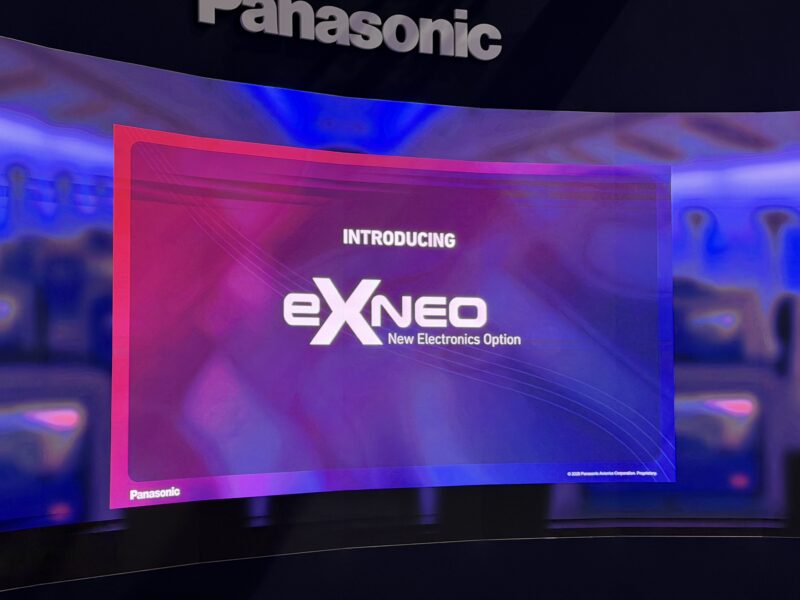
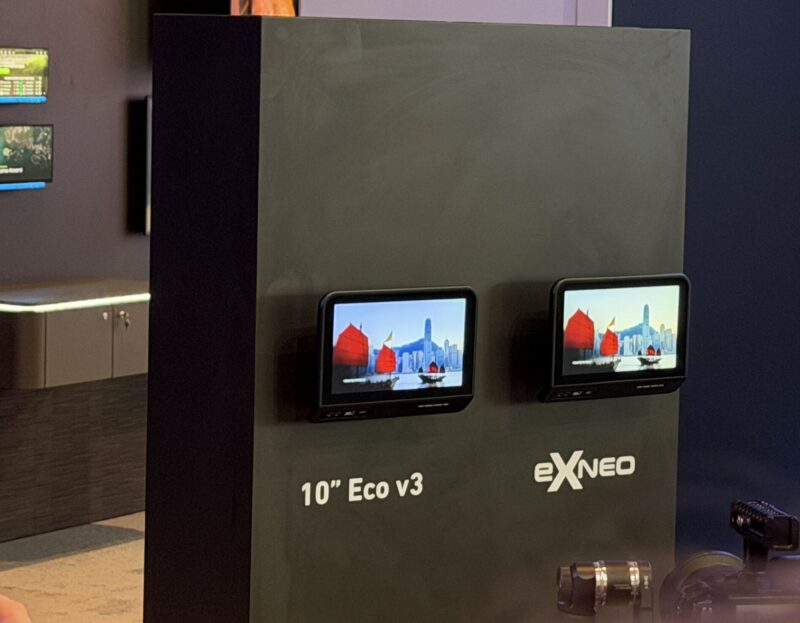
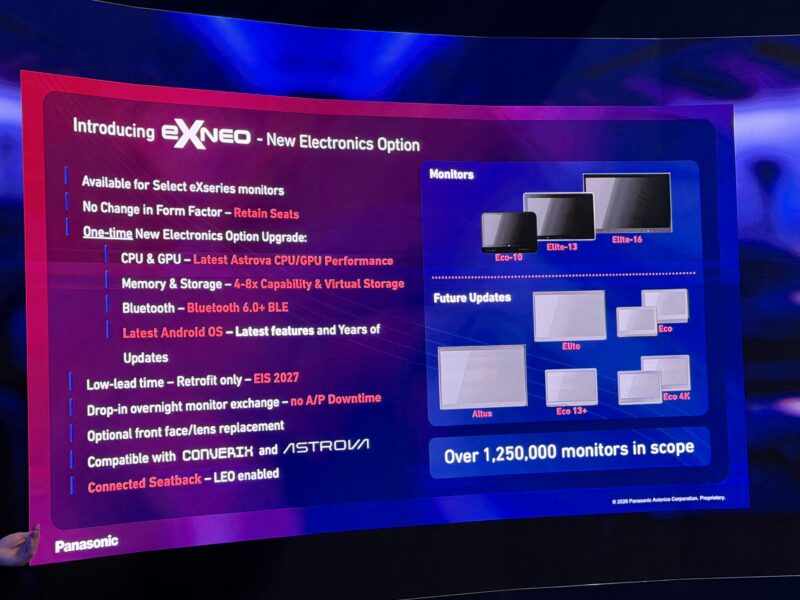
Panasonic Avionics’ eXNeo (which stands for "new electronics option") addresses this specific pain point. Traditionally, upgrading an IFE system required a "nose-to-tail" replacement of wiring, servers, and seat structures, often necessitating months of downtime and complex recertification. The eXNeo is engineered to bypass these hurdles. By serving as a direct replacement for the legacy X Series monitors, it allows airlines to modernize the passenger experience during a standard maintenance check rather than a heavy C-check or a multi-million dollar cabin refurbishment.
Technical Specifications and Hardware Advancements
The core appeal of the eXNeo lies in its significantly upgraded internal hardware. Panasonic Avionics has integrated the latest generation of Central Processing Units (CPUs) and Graphics Processing Units (GPUs) into the unit, ensuring that the user interface remains fluid and responsive. According to technical data provided during the launch, the eXNeo features up to eight times the RAM and storage capacity of the legacy monitors it is intended to replace.
This leap in processing power is not merely for aesthetic smoothness; it enables the support of data-heavy applications that were previously impossible on older hardware. The increased storage allows for "content redundancy" and local caching, which ensures that even if the onboard server experiences a momentary hiccup, the passenger’s movie or game continues uninterrupted. Furthermore, the enhanced GPU allows for the rendering of sophisticated 3D moving maps and high-definition gaming, bringing the economy class experience closer to the standards found in premium cabins.
Key technical features include:
- Advanced Bluetooth Audio: Support for the latest Bluetooth standards allows passengers to use their personal wireless headphones, a feature that has become a baseline expectation for modern travelers.
- Android OS Integration: The system runs on the latest Android platform, providing a flexible environment for airlines to deploy custom apps, third-party services, and interactive retail platforms.
- Virtual and Local Storage: A hybrid approach to data management that optimizes bandwidth and improves system reliability.
- High-Definition Display Technology: While maintaining the physical footprint of the X Series, the eXNeo utilizes modern panel technology to offer improved color accuracy, brightness, and viewing angles.
Operational Efficiency and Certification
For airline operators, the primary barrier to technology adoption is often the "cost of complexity." Every modification to an aircraft interior must undergo rigorous certification by aviation authorities such as the FAA or EASA. Panasonic Avionics has designed the eXNeo to minimize these regulatory hurdles. Because the unit uses existing seat harnesses and mechanical interfaces, the certification effort is significantly reduced compared to a completely new system installation.
By utilizing the existing wiring (harnesses), airlines avoid the labor-intensive process of stripping the cabin floor and side panels to lay new cables. This "plug-and-play" capability means that a fleet-wide rollout can be accomplished in a fraction of the time usually required for IFE upgrades. In an industry where "Aircraft on Ground" (AOG) time is measured in lost revenue per hour, the ability to upgrade a cabin overnight or during a short maintenance window provides a compelling return on investment.
Bridging the Gap: Astrova and Converix Compatibility
The eXNeo is not an isolated product but a component of Panasonic Avionics’ broader ecosystem strategy. In recent years, the company has focused on its "Astrova" OLED screens and "Converix" server architecture as the future of IFE. However, many airlines operate mixed fleets where only the newest aircraft feature these high-end systems.
The eXNeo acts as a digital bridge. By running on a similar software architecture to Astrova, it allows an airline to offer a consistent "look and feel" across its entire fleet. A passenger flying on a brand-new Boeing 777X with Astrova and then connecting to an older Airbus A330 equipped with eXNeo will encounter the same user interface, the same streaming services, and the same loyalty program integration. This consistency is vital for brand identity and passenger satisfaction, ensuring that the "legacy" fleet does not feel like a downgrade.
Market Context: The Retrofit Revolution
Industry analysts at AIX 2026 noted that the retrofit market is currently experiencing a "gold rush." With the average age of some wide-body fleets creeping toward 15 years, the demand for cabin refreshes is at an all-time high. The IFE segment, in particular, is seeing a shift toward "Bring Your Own Device" (BYOD) solutions in short-haul markets, but for long-haul international travel, the seatback screen remains the preferred medium for content consumption.
The eXNeo enters a competitive landscape where other IFE providers are also seeking ways to lower the barrier to entry for upgrades. However, Panasonic’s massive existing install base of X Series systems gives the eXNeo a distinct advantage. There are thousands of aircraft currently flying with X Series hardware that are prime candidates for this specific "drop-in" upgrade.
Official Perspectives and Industry Reaction
Andy Masson, Senior Vice President of Product and Strategy at Panasonic Avionics, emphasized the strategic necessity of the product during the Hamburg unveiling. He noted that modern airlines require smarter, more agile ways to evolve the passenger experience while maximizing the long-term value of their existing assets.
"eXNeo reflects our continued focus on delivering solutions that simplify the upgrade path by bringing new-generation capabilities to legacy systems in a way that is both practical and impactful," Masson stated. He further explained that the product gives customers a clear path to enhance digital engagement and extend the life of their cabin investments without waiting for the next decade’s new aircraft deliveries.
Initial reactions from airline fleet managers at the expo were largely positive, with several noting that the 8x increase in RAM solves one of the most persistent complaints regarding older IFE systems: the latency of the touch interface. By removing the "lag," airlines can more effectively monetize their IFE systems through integrated advertising and in-flight shopping, which require a responsive digital environment to be successful.
Timeline, Availability, and Future Outlook
Panasonic Avionics has set a target for the eXNeo to be available for commercial installation in 2027. This timeline allows for the finalization of global certifications and gives airlines a window to plan their mid-life cabin refreshes for the latter half of the decade.
Looking ahead, the introduction of eXNeo signifies a shift in how IFE providers view the lifecycle of their products. Rather than viewing a system as a static piece of hardware that remains unchanged for 10 years, the industry is moving toward a modular approach where the "brains" of the seatback unit can be swapped out as technology advances.
As 4K streaming, cloud gaming, and real-time connectivity become the standard in households, the pressure on airlines to match that experience in the air will only intensify. Solutions like eXNeo suggest that the future of the aircraft cabin is not just about the newest planes, but about how intelligently the industry can breathe new life into the existing fleet. By reducing the cost, time, and complexity of upgrades, Panasonic Avionics is positioning itself to remain the dominant force in the seatback entertainment market for the foreseeable future.
The 2026 Aircraft Interiors Expo has highlighted that while the "glamour" often goes to the OLED screens of first-class suites, the real battle for passenger loyalty is fought in the economy cabins of existing fleets. With eXNeo, Panasonic Avionics has provided a tactical tool for airlines to win that battle without breaking the bank.




 Anjar Salim
 Chandra Hamzah
 Tatiana Tantri Indah Sari

