
 Walid Sujud Trenggono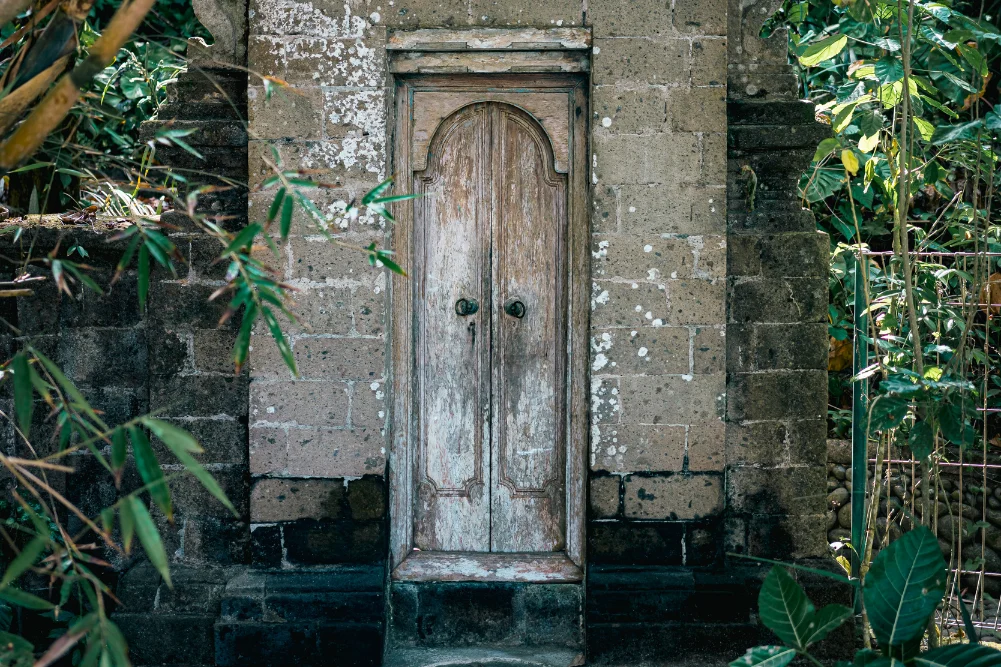
The geographic and cultural landscape of Bali is undergoing a significant shift as travelers increasingly bypass the saturated southern hubs of Kuta, Seminyak, and Legian in favor of the island’s rugged west coast. This region, defined by its volcanic black sands, consistent Indian Ocean swells, and preserved agrarian traditions, offers a stark contrast to the commercialized "hello mister" hustle of Denpasar. Centered around the village of Lalanglinggah and the surf-centric enclave of Balian Beach, the west coast represents a critical frontier for sustainable, off-the-beaten-path tourism. While the southern districts grapple with over-tourism and infrastructure strain, the west coast maintains an unhurried pace, supported by a unique blend of local surf culture and traditional Balinese village life.
The Geographic and Cultural Framework of Balian Beach
Balian Beach is situated approximately 50 kilometers northwest of Denpasar, a journey that typically requires a two-hour drive through winding coastal roads and lush interior landscapes. Geographically, the area is defined by its sea-ravaged volcanic crags and a broad river mouth where the sacred Balian River meets the Indian Ocean. This intersection creates a nutrient-rich environment that, while supporting a diverse marine ecosystem, also necessitates caution; the river mouth is a known habitat for bull sharks, particularly following heavy torrential rains when runoff increases.
The village of Lalanglinggah, which overlooks the Balian surf breaks, serves as a primary example of traditional Balinese spatial organization. Unlike the sprawling urban development of the south, Lalanglinggah is comprised of traditional rectangular walled compounds. These structures are designed to house multiple generations of a single family, centered around a private family temple. This architectural continuity ensures that the social fabric of the community remains intact despite the slow influx of international visitors. Observers note a distinct lack of the aggressive street-side commerce prevalent in Kuta, with local residents maintaining a hospitable but non-intrusive presence.
Chronology of Coastal Development and Surf Discovery
The evolution of Bali’s west coast as a destination follows a specific chronology common to many global surf frontiers. Historically, the region was an agricultural stronghold, focused on rice cultivation and coconut harvesting. The transition toward tourism began in earnest when adventurous surfers sought alternatives to the increasingly crowded breaks of Uluwatu and Padang Padang.
- The Early Discovery Phase (Pre-2000s): Initial exploration by the international surfing community identified Balian and Medewi as world-class breaks. During this period, infrastructure was minimal, consisting largely of basic homestays and local warungs.
- Infrastructure Integration (2000–2015): The establishment of more permanent fixtures, such as the Balian Spirit Yoga shala and the Pondok Pitaya Balian Hotel, signaled a move toward a more diversified visitor demographic. This era saw the introduction of air-conditioned villas and organized surf schools.
- Modern Diversification (2015–Present): The current landscape reflects a "slow travel" movement. While surfing remains the primary draw, there is a growing emphasis on wellness, digital nomadism, and culinary tourism. The region now features specialized establishments like Rama Balian Surf and Coffee and Nal’s Kitchen, catering to a more health-conscious and globalized palate.
Technical Analysis of West Coast Surf Conditions
The allure of the west coast for the global surfing community is rooted in its unique meteorological and oceanographic conditions. From April to October, the region benefits from reliable southeasterly trade winds. A critical factor in the quality of the waves at Balian is the early morning convection breeze. Cool mountain air from the nearby Batukaru Mountain range blows offshore, effectively grooming the swell and creating "clean" faces for riders.
The surf at Balian is divided into three primary breaks, offering a range of difficulty levels:
- The Main Peak: Characterized by a slow left-hand break and a faster, barreling right-hand ride.
- Ketuts: Located across the river, this break provides an intense, high-performance right-breaking ride suited for advanced surfers.
- The Far West: Offers a more forgiving, "cruisy" ride, making it the preferred location for novice surfers and longboarders.
Further north at Medewi (near Yeh Sumbul), the coastline features Bali’s longest left-hand point break, which can extend for up to 300 meters. This particular wave is highly sought after by intermediate and advanced riders but requires significant physical stamina and precise timing.
Supporting Data: Tourism Economics and Logistics
The economic model of the west coast remains significantly more accessible than the luxury-oriented south. Data collected from local booking platforms and hospitality providers indicates a mid-range price point that appeals to long-term travelers and families.
- Accommodation Costs: Modest villa rates in the Balian area start at approximately $47 USD per night for a double room, often including breakfast prepared by local staff. Beachside hotels, such as Pondok Pitaya, command slightly higher premiums, ranging from $95 USD per night.
- Service Accessibility: Despite its remote feel, the region is integrated into the digital economy. Ride-hailing services like Grab operate in the area, though many travelers prefer the autonomy of rental scooters or local buses for longer coastal hops.
- Seasonality Impacts: Peak season occurs during the dry months of June and July, coinciding with the best surf conditions. During the wet season, the increase in river runoff can affect water clarity and safety at the river mouth breaks.
Wellness and the Integration of Mind-Body Practices
A significant secondary industry on the west coast is the wellness sector, which leverages the region’s natural tranquility. The Balian Spirit Yoga shala, led by instructor Nicky Sudianta, serves as a hub for both morning vinyasa and afternoon hatha flow sessions. These practices are often integrated into the broader tourist experience, providing a rigorous physical outlet that complements the demands of surfing.
The philosophy of these wellness retreats often centers on "intention and purpose," moving away from the more commercialized, "Instagrammable" yoga studios found in Ubud. The use of traditional singing bowls and a focus on hip mobility (essential for surfers) highlights a functional approach to wellness that resonates with the local demographic.
Broader Implications for Bali’s Tourism Strategy
The contrast between the west coast and the southern hotspots of Legian and Seminyak offers a case study in the diversification of a tourism-dependent economy. In Legian, the infrastructure is highly developed, featuring "Goldilocks" surf conditions—measured and consistent—and a high density of vegan warungs and air-conditioned amenities. However, this comes at the cost of overcrowding and a loss of the "wild" aesthetic.
The west coast’s current state of "under-development" is its primary asset. The 20-kilometer stretch of "au-natural" beachfront at Yeh Sumbul, characterized by grazing grasslands and a lack of large-scale resorts, represents a version of Bali that many feared had disappeared. However, this lack of infrastructure presents challenges. Budget-priced digs in Yeh Sumbul are often described as "rough," with windowless rooms and limited amenities, illustrating the trade-off between authenticity and comfort.
Future Outlook and Conclusion
As Bali continues to recover and evolve in the post-pandemic era, the west coast is poised to become a vital component of the island’s tourism portfolio. The challenge for local authorities and community leaders will be to manage growth without sacrificing the "authentic" and "untrammelled" nature that defines Balian and Medewi.
The integration of traditional Balinese compounds with modest tourist villas suggests a path toward sustainable development that benefits the local economy while preserving cultural heritage. For the traveler, the west coast remains a sanctuary of uncrowded waves and lush rice paddies, proving that Bali is far more than the sum of its crowded hotspots. The "west is best" sentiment shared by many returning visitors is not merely a preference for quieter beaches, but a recognition of a more balanced and respectful way of engaging with the island’s natural and spiritual landscape.
In conclusion, the west coast of Bali offers a blueprint for "slow tourism." By prioritizing local culture, environmental awareness, and functional wellness, the region provides a necessary counterweight to the rapid urbanization of the south. Whether through the lens of a surfer chasing the 300-meter left at Medewi or a traveler seeking the silence of a Lalanglinggah rice paddy, the west coast stands as a testament to the enduring allure of Bali’s wilder shores.



 Anjar Salim
 Chandra Hamzah
 Tatiana Tantri Indah Sari
 Budi Mulyono
 Lukman Taruna Persada Ramadan
