
 Chandra Hamzah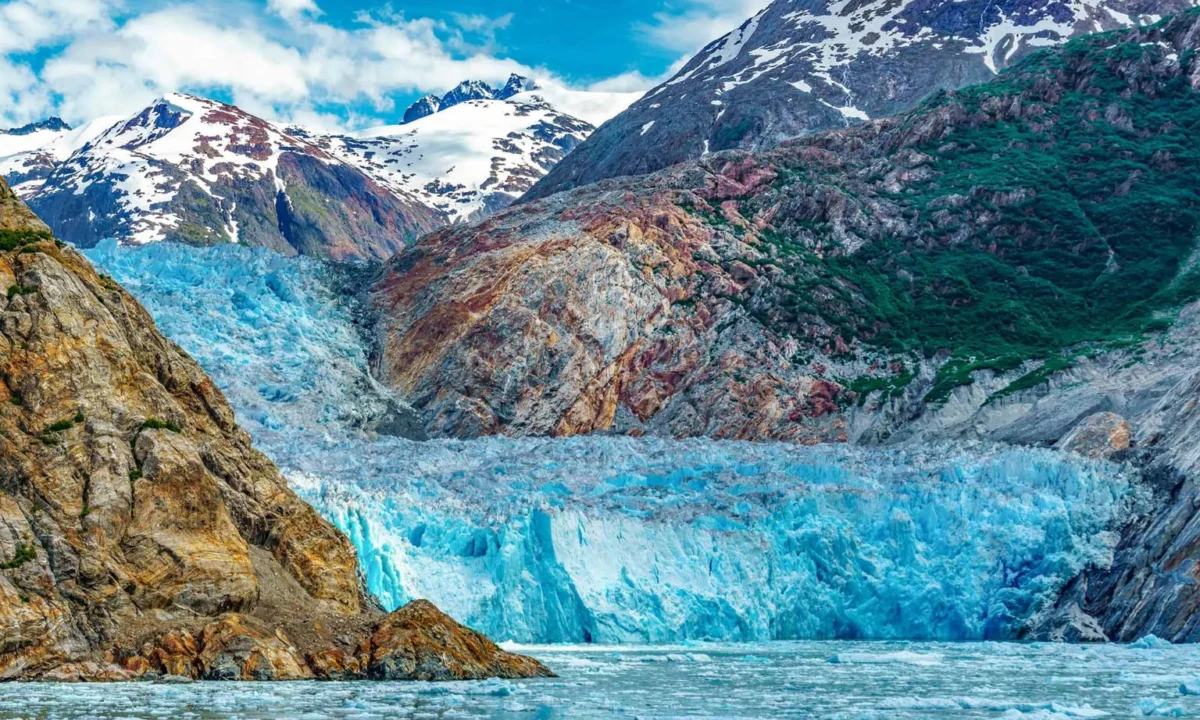
Alaska’s famed Tracy Arm Fjord, a jewel of the Inside Passage renowned for its dramatic icebergs, sheer granite cliffs, and abundant wildlife, has been removed from the itineraries of several major cruise lines following a significant landslide that occurred last summer. The geological event has raised safety concerns, prompting operators to reroute voyages to the equally stunning, yet less volatile, Endicott Arm. This strategic shift underscores the cruise industry’s unwavering commitment to passenger safety while navigating the unpredictable forces of nature in Alaska’s remote wilderness.
The decision to bypass Tracy Arm, a beloved destination for its proximity to the Dawes Glacier and the opportunity to witness calving ice, has impacted voyages operated by Carnival Cruise Line, Royal Caribbean International, Holland America Line, Virgin Voyages, and most recently, MSC Cruises. These lines have collectively informed passengers and travel agents that their Alaskan itineraries will now feature Endicott Arm, which also boasts its own impressive glacier, Dawes Glacier, and offers comparable scenic grandeur.
Background of the Landslide and Evolving Safety Concerns
The catalyst for this change was a substantial landslide that occurred in Tracy Arm Fjord during the summer of 2023. While specific details regarding the exact date and magnitude of the landslide are still being assessed by geological experts, its impact on the fjord’s stability has been significant enough to warrant immediate action from the maritime industry.
Geologists are particularly concerned about the potential for subsequent landslides in the immediate aftermath of such a large-scale event. Mike West, the Alaska state seismologist and director of the Alaska Earthquake Center, explained the inherent risks. "Anytime you collapse the side of a mountain, I think it’s a safe assumption to assume that you’ve got an unstable mountainside, right?" West stated in comments to Alaska Public. "It is perfectly reasonable, or geologically reasonable, that there could be follow-on activity."
This geological assessment is crucial for understanding the decision made by cruise lines. A secondary landslide in a fjord, especially one with steep, unstable slopes like Tracy Arm, could trigger a significant wave event, often referred to as a landslide-generated wave or a tsunami. Dave Snider, the tsunami warning coordinator with the National Oceanic and Atmospheric Administration (NOAA), elaborated on the potential dangers. "This is a natural part of our landscape, to have landslides and gravitational releases of material that are close to the water," Snider said. "They’re extraordinary, unusual events that can happen with little to no notice at all. And because of that, we have to stress those natural hazard warning signs that very well could be the only alert that you get during an event like that."
The presence of large cruise ships, with their substantial displacement and draft, navigating through narrow fjords makes them particularly vulnerable to the unpredictable and powerful forces of these wave events. The risk of a ship being caught in such a wave, or encountering debris from a landslide, necessitates a precautionary approach.
Official Statements and Passenger Communication
Cruise lines have been transparent with their passengers regarding the itinerary changes, emphasizing that guest safety is paramount.
MSC Cruises, in a statement to its passengers, explained the rationale: "Due to current geological conditions, MSC Poesia will sail through Endicott Arm instead of Tracy Arm Fjord." The line further highlighted the appeal of the alternative destination, stating, "Endicott Arm is a remarkable destination known for its dramatic landscapes and active glacier activity and provides the chance to admire close-up views of the Dawes Glacier."
Royal Caribbean International echoed this sentiment, assuring guests that safety remains their top priority. "As guest safety remains our top priority, and current waterway conditions are not suitable for cruise ship navigation in Tracy Arm Fjord, Alaskan itineraries will instead visit the Endicott Arm and Dawes Glacier," the cruise line communicated.
The proactive communication from these major operators aims to manage passenger expectations and reassure them that their Alaskan cruise experience will not be diminished by the change.
Endicott Arm: A Worthy Alternative
While Tracy Arm holds a special place in the hearts of many who have experienced its unique beauty, Endicott Arm offers a comparable and equally awe-inspiring Alaskan wilderness experience. Located to the west of Tracy Arm, Endicott Arm is part of the Tongass National Forest and is characterized by its rugged mountains, pristine waters, and the impressive Dawes Glacier.
Dawes Glacier, like its counterparts in Tracy Arm, is an active tidewater glacier known for its dramatic calving events, where large chunks of ice break off and fall into the sea, creating thunderous roars and spectacular splashes. The sheer scale of the glacier and the surrounding landscape provides a breathtaking backdrop for cruise ship passengers. Wildlife viewing opportunities in Endicott Arm are also abundant, with chances to spot whales, seals, sea lions, and a variety of seabirds.
The geological conditions in Endicott Arm are understood to be more stable, making it a safer alternative for navigating large vessels. The decision to substitute Tracy Arm with Endicott Arm ensures that cruise lines can continue to offer their passengers the quintessential Alaskan fjord experience, complete with stunning glaciers and dramatic scenery, without compromising on safety.
Broader Implications for Alaska Tourism
The rerouting of cruise ships from Tracy Arm has broader implications for the tourism industry in Alaska. Tracy Arm is a significant draw for many visitors, and its absence from popular itineraries could lead to a redistribution of tourist traffic. However, the resilience of Alaska’s tourism sector, coupled with the availability of viable alternatives like Endicott Arm, suggests that the overall impact may be managed effectively.
The event also highlights the increasing importance of geological monitoring and risk assessment in areas that are popular with tourists, particularly in regions prone to natural phenomena like landslides and seismic activity. Alaska’s dramatic topography, shaped by glaciers and tectonic forces, presents a unique set of challenges and opportunities for both residents and visitors.
The cruise industry’s swift response to the safety concerns surrounding Tracy Arm demonstrates a commitment to responsible tourism. By prioritizing passenger well-being and adapting itineraries accordingly, cruise lines are ensuring that Alaska remains a safe and accessible destination for years to come. While the immediate future of Tracy Arm as a cruise destination remains uncertain, the focus has shifted to showcasing the equally magnificent natural wonders that Alaska has to offer. The ongoing monitoring of geological conditions in Tracy Arm will likely determine when, or if, cruise ships will be able to safely resume visits to this iconic fjord. Until then, Endicott Arm stands ready to welcome cruise passengers with its own brand of Alaskan grandeur.


 Anjar Salim
 Tatiana Tantri Indah Sari
 Budi Mulyono
