
 Budi Mulyono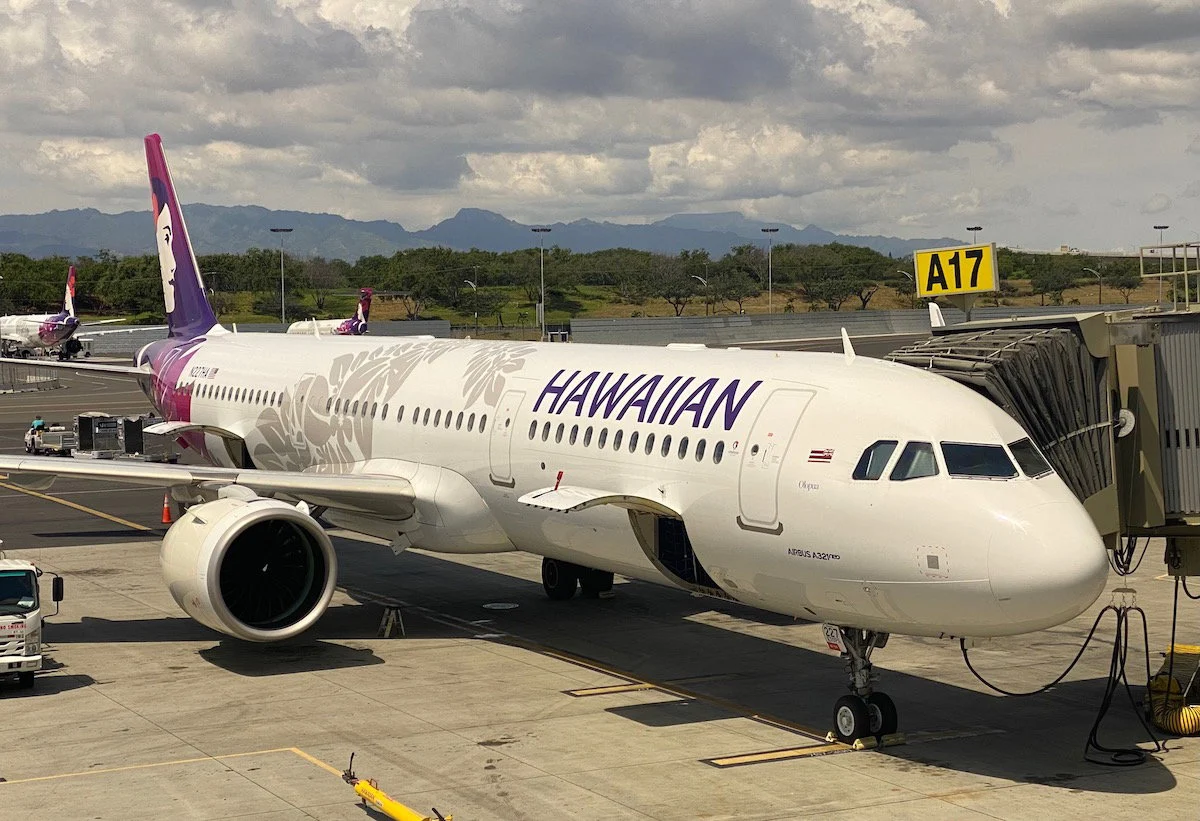
April 22, 2026, marks a historic turning point in the commercial aviation industry as Alaska Air Group reaches a critical juncture in its multi-year integration of Hawaiian Airlines. In a move that signals the near-total unification of the two carriers’ operations, Hawaiian Airlines has officially retired its "HA" designator code, transitioning all flights to the "AS" code used by Alaska Airlines. This transition coincides with Hawaiian Airlines’ formal entry into the oneworld alliance, fundamentally reshaping the competitive landscape of transpacific travel and the connectivity of the Hawaiian Islands to the global network.
The retirement of the "HA" code is a momentous event for the industry, ending a nearly century-long legacy. Hawaiian Airlines, founded in 1929 as Inter-Island Airways, has utilized the "HA" designator for 97 years. While the Hawaiian brand will remain visible on aircraft liveries and continue to be utilized in guest-facing marketing, the technical backend of the airline is now indistinguishably merged with Alaska Airlines. This shift represents the culmination of technical, regulatory, and logistical efforts that began when Alaska Air Group officially closed its $1.9 billion acquisition of Hawaiian Airlines in September 2024.
The Technical Execution of a Two-Step Integration
The transition from the "HA" code to the "AS" code was executed through a deliberate, two-phase strategy designed to minimize technical disruptions and ensure a seamless experience for passengers and travel agents. According to internal documents and operational briefings, the complexity of merging two distinct Passenger Service Systems (PSS) required a staggered approach to renumbering and code-switching.
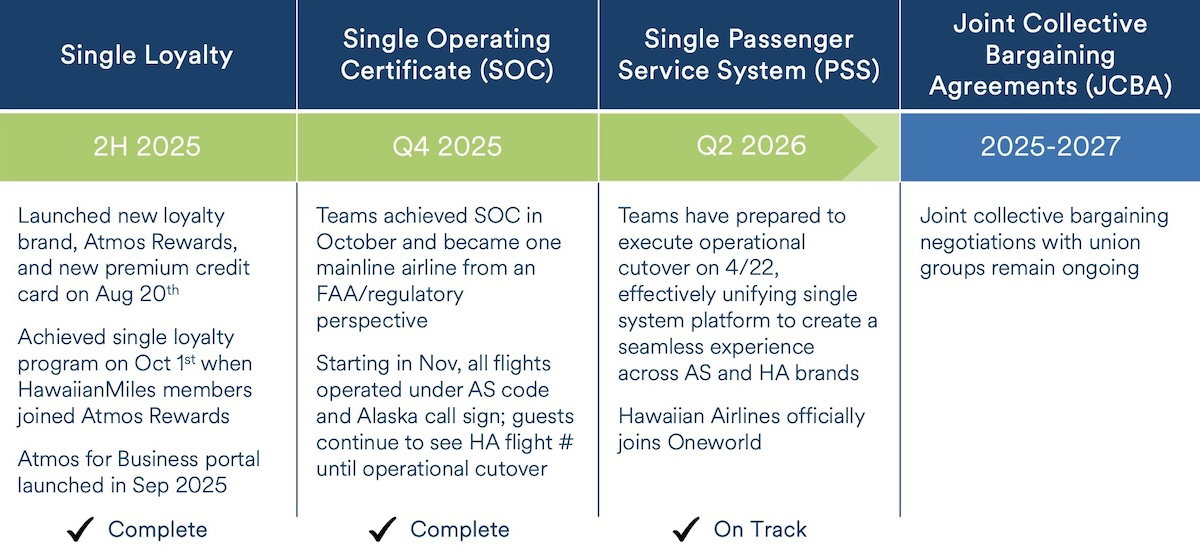
The first phase of this transition occurred on October 26, 2025, coinciding with the start of the International Air Transport Association (IATA) winter season. During this phase, Hawaiian Airlines overhauled its entire flight numbering system. Flights were remapped into the 800–1299 range while temporarily retaining the "HA" prefix. This allowed the airline to align its numerical database with Alaska Airlines’ existing flight schedule, preventing overlap and preparing the software architecture for the final designator swap. For instance, HA10 was renumbered to HA810, and HA451 became HA851.
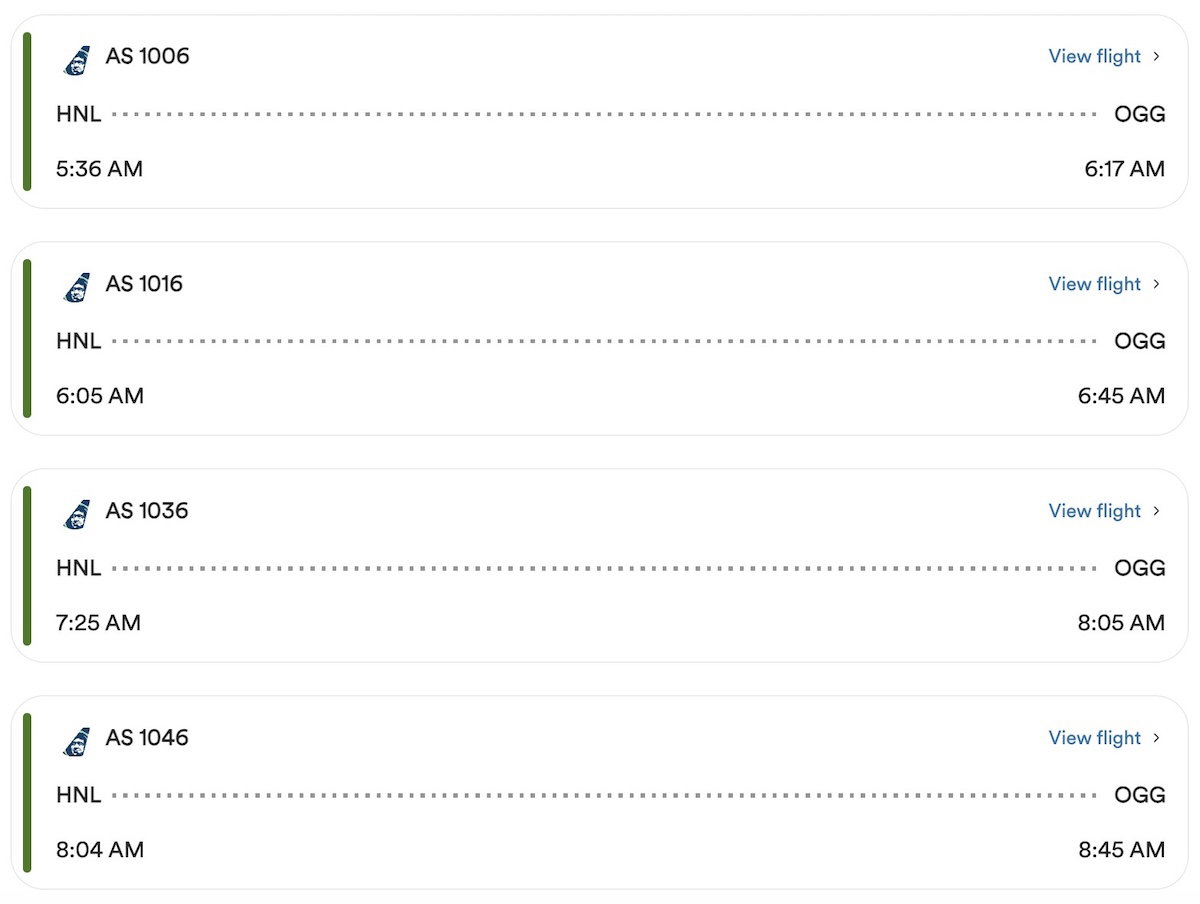
The second phase, completed today, involves the wholesale replacement of "HA" with "AS." As of this morning, a flight from Honolulu (HNL) to Kahului (OGG) that was previously HA810 is now officially listed as AS810. This change is reflected across Global Distribution Systems (GDS), airport flight information displays (FIDS), and the combined mobile applications of the two carriers. Industry analysts note that such a transition is one of the most high-risk maneuvers in an airline merger, as it requires synchronized updates across thousands of third-party platforms, including online travel agencies and codeshare partner databases.
Hawaiian Airlines Joins the Oneworld Alliance
Simultaneous with the code transition, Hawaiian Airlines has officially become a member of the oneworld alliance, joining Alaska Airlines, American Airlines, British Airways, and other premier global carriers. This integration significantly enhances the value proposition for the HawaiianMiles loyalty program and provides Hawaiian-based travelers with unprecedented access to a network of over 900 destinations.
Under the new alliance structure, Hawaiian Airlines passengers will now enjoy:
- Reciprocal Loyalty Benefits: Members of the HawaiianMiles and Alaska Mileage Plan programs can earn and redeem miles across all oneworld partner airlines.
- Lounge Access: Elite status holders, specifically those at the Sapphire and Emerald levels within the oneworld tier system, will gain access to more than 600 premium airport lounges worldwide.
- Seamless Transfers: The alignment under a single alliance facilitates easier baggage transfers and standardized check-in procedures for multi-leg international itineraries.
The inclusion of Hawaiian Airlines into oneworld is strategically significant for the alliance, which has historically sought to strengthen its presence in the Pacific region. By adding Hawaiian’s extensive network of routes to Japan, South Korea, Australia, and New Zealand, oneworld positions itself as a formidable competitor to the Star Alliance and SkyTeam, both of which have traditionally maintained strong footholds in the Hawaiian market.
Achieving the Single Operating Certificate
The retirement of the "HA" code is a public-facing indicator of a deeper regulatory milestone: the achievement of a Single Operating Certificate (SOC) from the Federal Aviation Administration (FAA). Obtaining an SOC is a mandatory requirement for any merged airline to function as a single legal entity. It signifies that the FAA is satisfied that the two carriers have harmonized their safety protocols, maintenance procedures, and pilot training standards.
The journey to the SOC involved thousands of hours of manual reviews and safety audits. Alaska Air Group had to demonstrate that the unique operational requirements of Hawaiian’s wide-body fleet—specifically the Airbus A330 and the Boeing 787-9 Dreamliner—could be safely integrated into Alaska’s safety management systems, which were previously optimized for a narrow-body fleet consisting primarily of Boeing 737 and Embraer 175 aircraft.
With the SOC in hand, Alaska Air Group now possesses the flexibility to move aircraft and crews across the combined network with greater efficiency. This operational agility is expected to generate significant cost synergies, estimated by the company to reach $235 million annually within the first three years of the merger.
Financial and Strategic Implications
The merger between Alaska and Hawaiian was driven by a need for scale in an increasingly consolidated U.S. domestic market. By combining forces, the two airlines have created the fifth-largest carrier in the United States, providing a necessary counterbalance to the "Big Four" (American, Delta, United, and Southwest).
A key component of the post-merger strategy is the optimization of the Seattle-Tacoma International Airport (SEA) as a primary long-haul hub. To facilitate this, Alaska Airlines has begun rebranding several Boeing 787-9 Dreamliners originally ordered by Hawaiian Airlines. These aircraft, now sporting Alaska’s "Eskimo" livery, are being deployed on high-demand routes from Seattle to international destinations, effectively transforming Alaska from a primarily domestic and regional carrier into a global player.
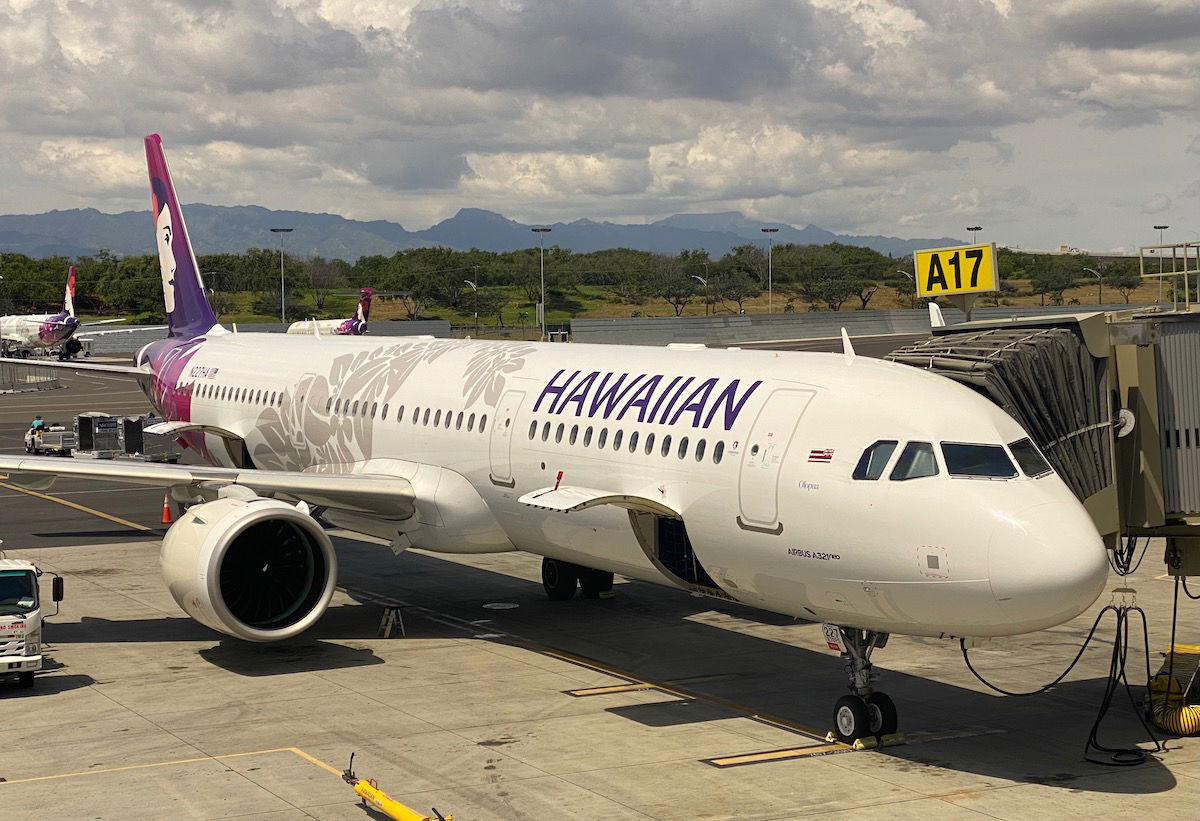
Conversely, Hawaiian Airlines continues to serve as the dominant brand for the Hawaii market, maintaining its distinct "Pualani" tail art. This dual-brand strategy is a rarity in the airline industry, where the acquired brand is typically phased out entirely. Alaska Air Group’s decision to keep the Hawaiian brand reflects the immense cultural and emotional equity the carrier holds within the islands, as well as its prestige in international markets like Japan.
Remaining Integration Challenges: Labor and Fleet Modernization
While the technical and regulatory integration is approximately 75% complete, significant work remains in the areas of labor relations and fleet modernization.
The most pressing challenge involves the negotiation of joint collective bargaining agreements (JCBAs). Currently, the pilots, flight attendants, and ground crews of Alaska and Hawaiian remain on separate contracts. Achieving labor peace and operational parity is essential for full integration, but negotiations with unions such as the Air Line Pilots Association (ALPA) and the Association of Flight Attendants (AFA) can be protracted. Alaska Air Group has set a target of 2027 to have all major work groups under unified contracts.
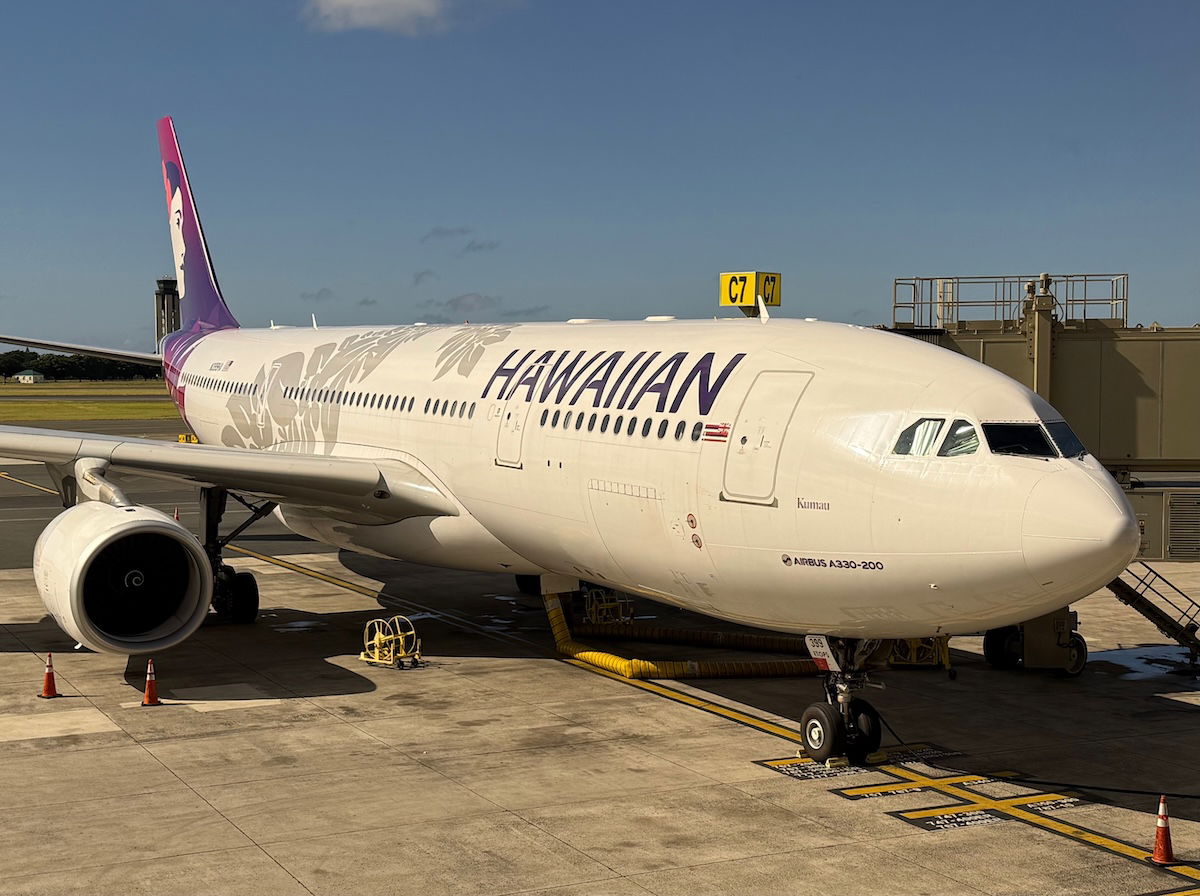
Furthermore, the combined carrier faces the task of modernizing Hawaiian’s aging Airbus A330 fleet. While these aircraft have been the workhorse of Hawaiian’s long-haul network, their cabin interiors have fallen behind industry standards for premium travel. Alaska Air Group has announced a multi-million dollar retrofit project for the A330s, featuring new lie-flat business class suites and updated in-flight entertainment systems. However, this project is not scheduled to begin until 2028, leaving a gap in the premium product consistency across the combined fleet in the interim.
The Impact on the Passenger Experience
For the average passenger, the transition to the "AS" code may cause initial confusion, but the long-term benefits are substantial. The unification of the passenger service systems means that travelers can manage their entire journey—regardless of which brand is operating the flight—through a single website or app. This eliminates the "siloed" experience that characterized the first year of the merger.
Moreover, the network expansion provides residents of Hawaii with more competitive options for travel to the U.S. mainland. The combined carrier now offers more than 1,500 daily departures. For travelers in the Pacific Northwest, the merger provides more direct access to the Hawaiian Islands and improved connections to the South Pacific and Asia.
A New Era for Pacific Aviation
As the "HA" code fades into history, the aviation industry looks toward a future where the Alaska-Hawaiian entity serves as a major bridge between North America and the Pacific. The successful execution of the code swap and the entry into oneworld are clear indicators that the merger is proceeding on schedule, despite the immense logistical hurdles involved.
Industry experts will continue to monitor the progress of labor negotiations and fleet updates, but the milestones achieved today suggest that the vision of a "premium, competitive alternative" to the largest U.S. airlines is becoming a reality. The sunset of the "HA" code is not just a change in a database; it is the end of an era for a pioneer of island aviation and the beginning of a new chapter for a unified, global carrier.
The transition represents a masterclass in merger management, balancing the preservation of a beloved regional brand with the ruthless efficiency required of a modern global airline. As flight AS810 takes to the skies today, it carries with it the legacy of 1929 and the ambitions of a 21st-century aviation powerhouse.




 Anjar Salim
 Chandra Hamzah
 Tatiana Tantri Indah Sari

