
 Dwi Wanna
Nineteen years after first experiencing its untouched allure, the author returned to Ko Lipe, a Thai island that once represented the epitome of off-the-beaten-path travel. In 2006, Ko Lipe was a remote sanctuary, characterized by limited electricity, $2 beachside bungalows, and a profound sense of isolation. Its appeal lay in its simplicity: days were filled with reading, snorkeling, and quiet evenings at the island’s sole beach bar, a lifestyle that captivated travelers and often led to extended stays. This period on Ko Lipe is described as a highlight of the author’s extensive travels, marked by deep connections with locals and an idyllic backpacker existence. However, a deliberate avoidance of revisiting the island for nearly two decades stemmed from a fear of tarnishing cherished memories and a prescient understanding of the unsustainable trajectory of tourism development in Thailand. The author’s apprehension was rooted in the observation that such development typically prioritizes rapid construction over environmental preservation and community well-being, a pattern that has unfortunately been observed on other popular Thai islands like Ko Phi Phi.
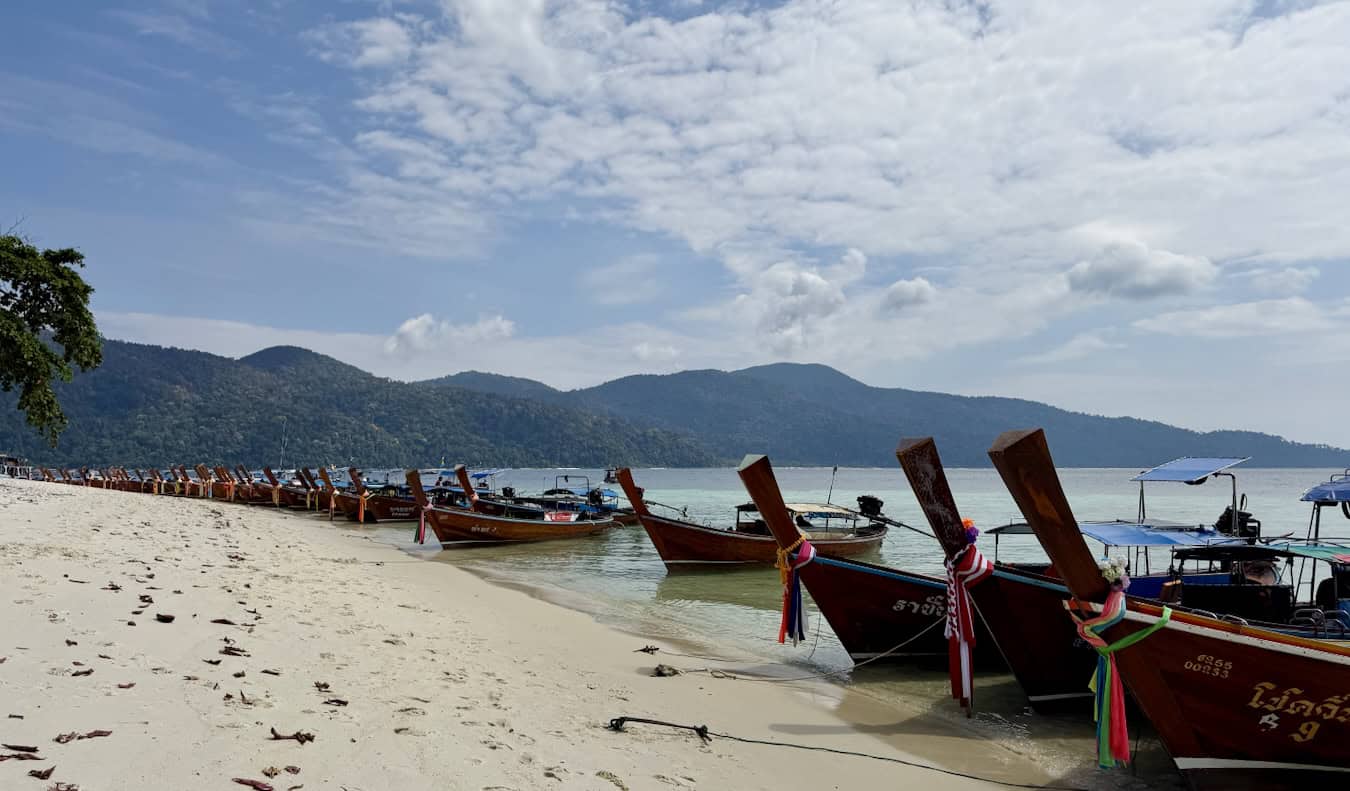
The decision to return to Ko Lipe was driven by a confluence of logistical and temporal factors during a recent Southeast Asian itinerary. As the author traveled down the Indian Ocean coast of Thailand en route to Malaysia, Ko Lipe presented a convenient and relevant stopover. Furthermore, the island’s reputation as a lively destination for New Year’s Eve celebrations, coupled with its essential ferry connection to Langkawi, Malaysia—the next planned destination—made it a logical, albeit emotionally fraught, choice. This return, therefore, was undertaken with a degree of trepidation, anticipating a significant departure from the island’s former character.
Tragically, these fears were realized. The author reports that Ko Lipe has adopted the "Ko Phi Phi model of tourism," resulting in extreme and unsustainable overdevelopment. Evidence of this transformation is stark: much of the island’s natural landscape has been paved over, replacing traditional dirt paths with concrete thoroughfares accommodating vehicles and construction equipment. Areas once dominated by palm trees now host high-end resorts complete with swimming pools, a particularly concerning development given the island’s limited natural freshwater resources. The pace of construction remains rapid, with new resorts continually emerging.
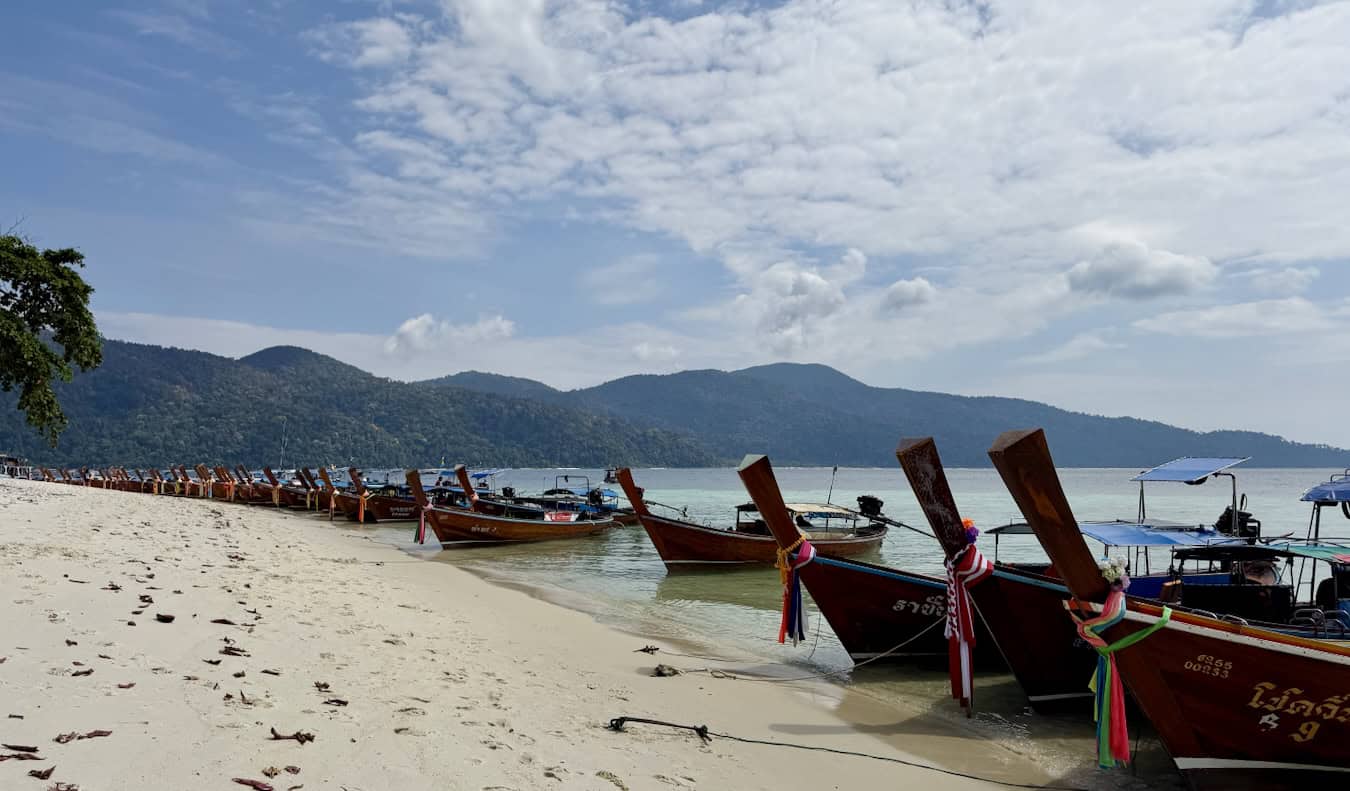
The ecological toll of this development is profound. The coral reefs surrounding Ko Lipe are reportedly in decline, a direct consequence of increased boat traffic, anchoring activities, pollution, and overfishing. Beaches are now heavily lined with longtail boats, their exhaust fumes contaminating the ocean and leaving visible slicks on the water’s surface, impacting the marine environment and the experience of swimmers. The culinary scene has also shifted, with restaurants increasingly catering to Western tastes by offering "bad Western food" rather than authentic Thai cuisine, a departure from the island’s past.
Beyond the environmental degradation, the economic and social fabric of Ko Lipe has been significantly altered. The island’s boom has led to the displacement of many local residents, who have been compelled to sell their land to developers from the mainland. Consequently, a substantial portion of the island’s workforce now originates from the mainland, with limited direct benefit derived from the tourism surge by the original inhabitants. This situation mirrors broader concerns about equitable development and the distribution of tourism revenue in popular destinations.
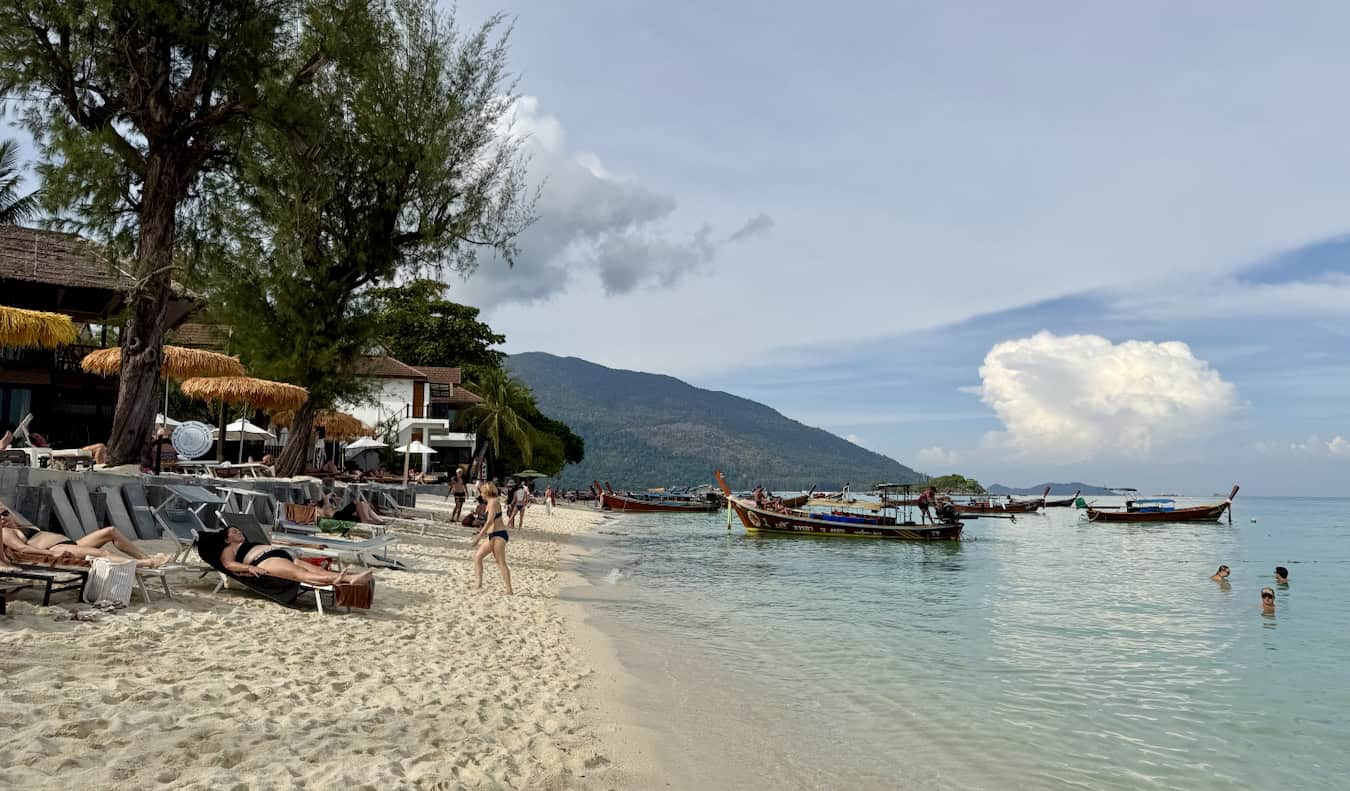
While acknowledging the island’s inherent natural beauty—its postcard-perfect scenery, azure waters, and white-sand beaches, further enhanced by its proximity to a national park that facilitates excursions to secluded islands—the author contends that this allure masks a deeper problem. For first-time visitors, the "wow" factor of Ko Lipe’s visual appeal is undeniable, especially when compared to more intensely developed locations like Ko Phi Phi, Krabi, or Phuket. However, the author’s analysis extends beyond immediate aesthetic appeal to the long-term implications of the island’s development trajectory.
The author concludes that, similar to the situation with Ko Phi Phi, visiting Ko Lipe is no longer advisable. The argument is not against growth itself, but against the current model of unsustainably managed development. Continued visitation, the author posits, will further strain the island’s already limited resources. While acknowledging the difficulty of reversing such trends and the economic pressures faced by locals, the author argues that the current approach is fundamentally flawed.
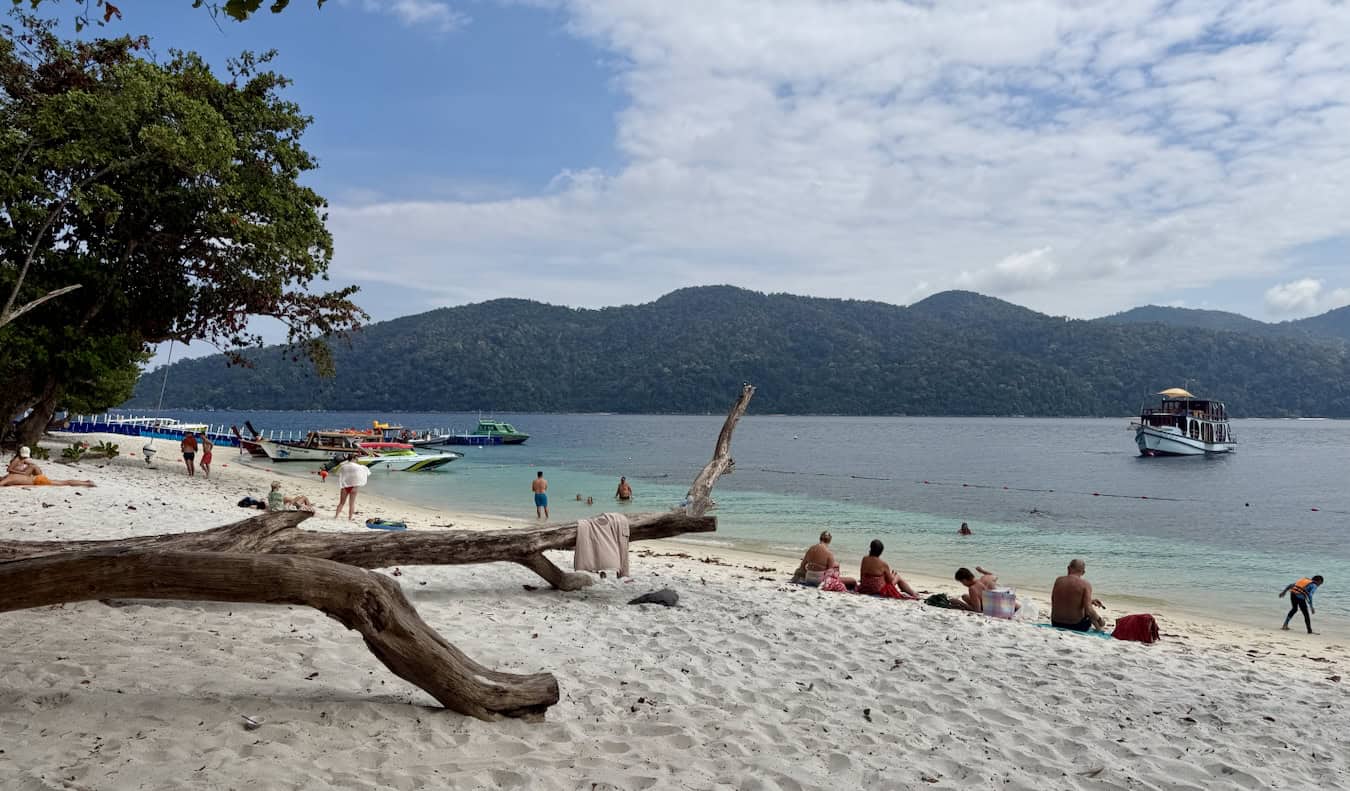
Instead, the author recommends alternative destinations that are demonstrably better managed. Nearby islands such as Ko Lanta, Ko Jum, and Ko Mook are cited as examples of locations that offer a more sustainable tourism model. The rationale behind this recommendation is that choosing these alternatives will contribute to the preservation of Ko Lipe and avoid exacerbating its existing problems.
The author expresses personal anguish in making this recommendation, given the profound positive impact Ko Lipe had on their life during their initial visit. However, the principle of responsible stewardship and conscious travel dictates that sometimes, a difficult stance must be taken. The author defines "enough is enough" for Ko Lipe as a point where further tourism is detrimental, advocating for travelers to seek out destinations that prioritize responsible management and conservation.

The piece emphasizes the power of consumer choice in shaping travel trends. Historical examples, such as the decline of elephant riding tourism due to increased consumer awareness and the rise of eco-lodges driven by conscious travelers, are presented as evidence of this influence. The author suggests that public discourse on overtourism, fueled by both locals and travelers, can be a catalyst for change.
While acknowledging the slim possibility of Ko Lipe reversing its current development path, the author expresses a faint hope that collective action and conscious decision-making by travelers might, in the long term, lead to a more sustainable future for the island. In the interim, the act of choosing not to visit Ko Lipe is framed as a direct contribution to mitigating the problem. The concluding remarks serve as a call to action, urging travelers to recognize the impact of their choices and to prioritize destinations that demonstrate a commitment to responsible tourism practices. The author’s message is clear: by consciously choosing where to travel, individuals can actively participate in preserving the world’s natural and cultural heritage.




 Anjar Salim
 Chandra Hamzah
 Tatiana Tantri Indah Sari
 Budi Mulyono
 Lukman Taruna Persada Ramadan
