Anjar Salim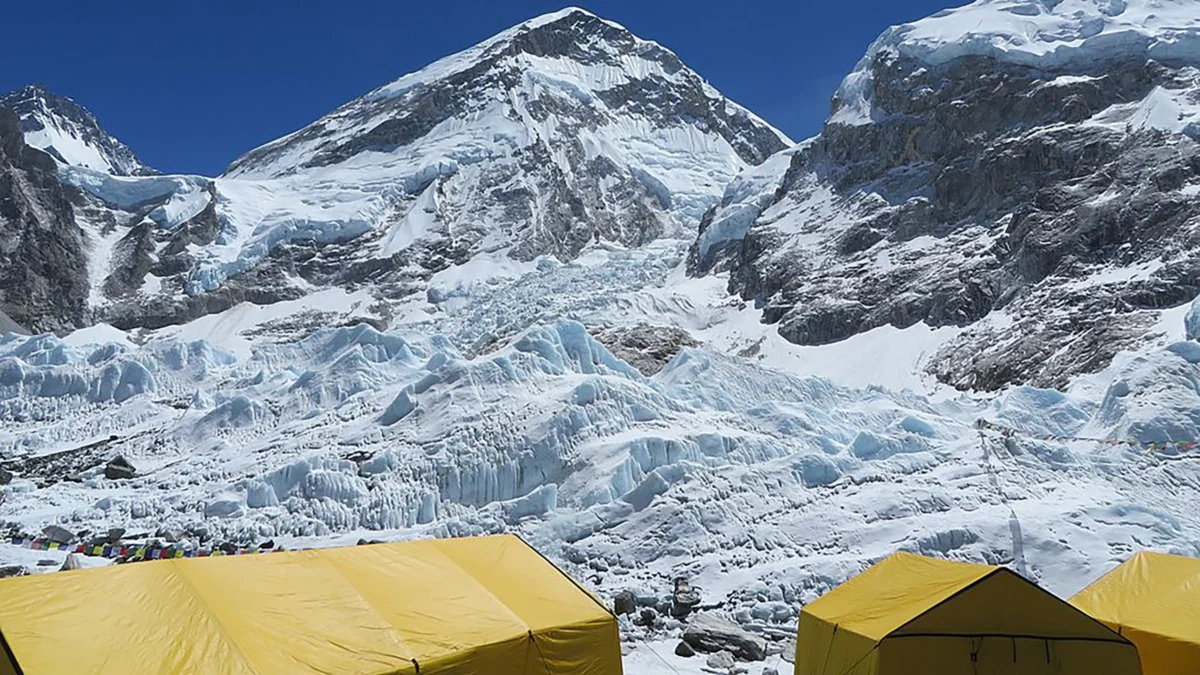
Climbers and expedition teams stationed at Mount Everest Base Camp are facing a period of escalating tension as the 2026 spring climbing season remains at a standstill due to hazardous conditions in the Khumbu Icefall. While the month of April typically sees a flurry of activity as teams establish higher camps, a critical structural instability in the glacier has halted all upward movement. As of April 21, 2026, the primary route through the icefall remains unfinished, sparking widespread concern among the international mountaineering community regarding the potential for dangerous overcrowding later in the season.
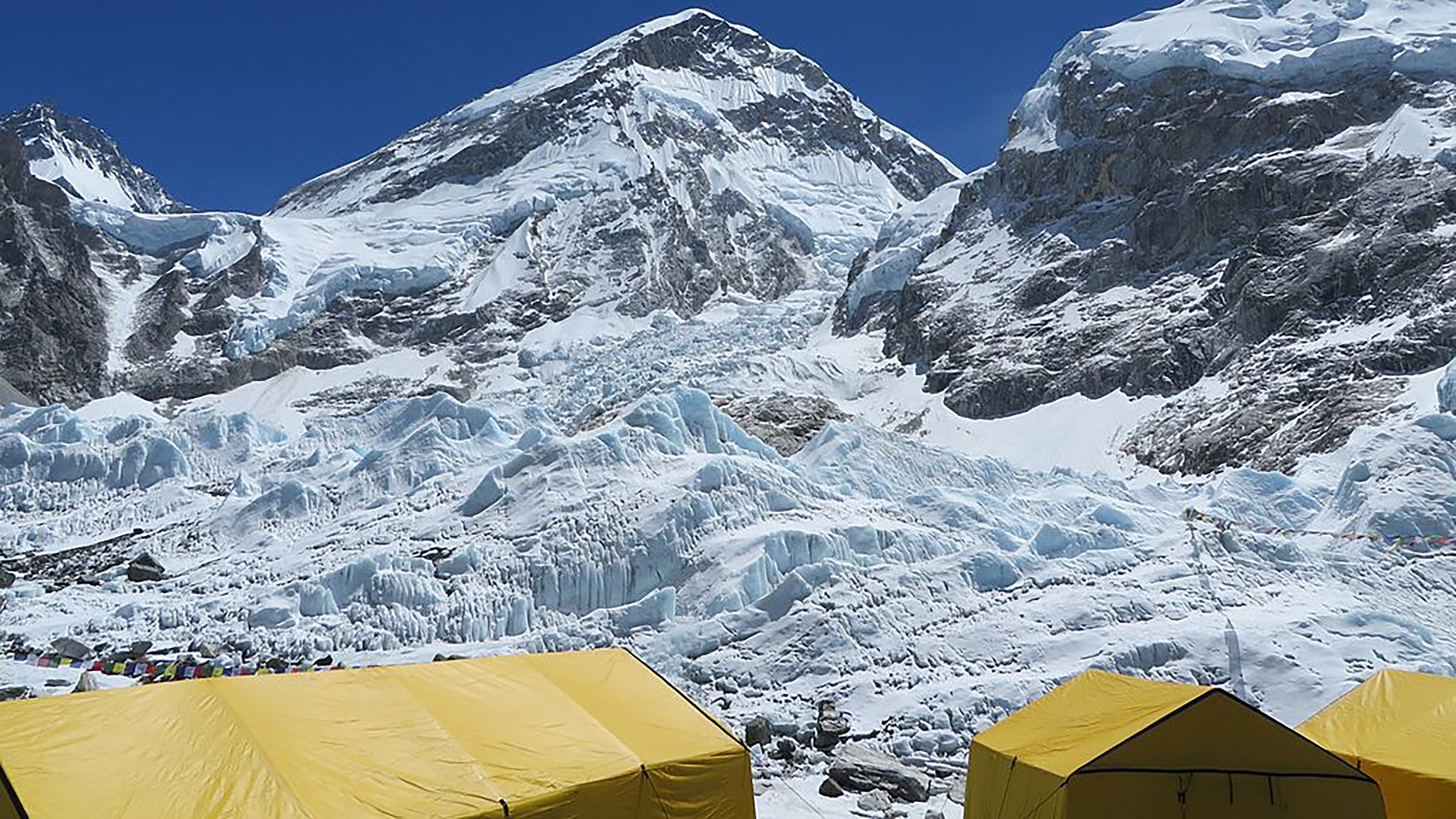
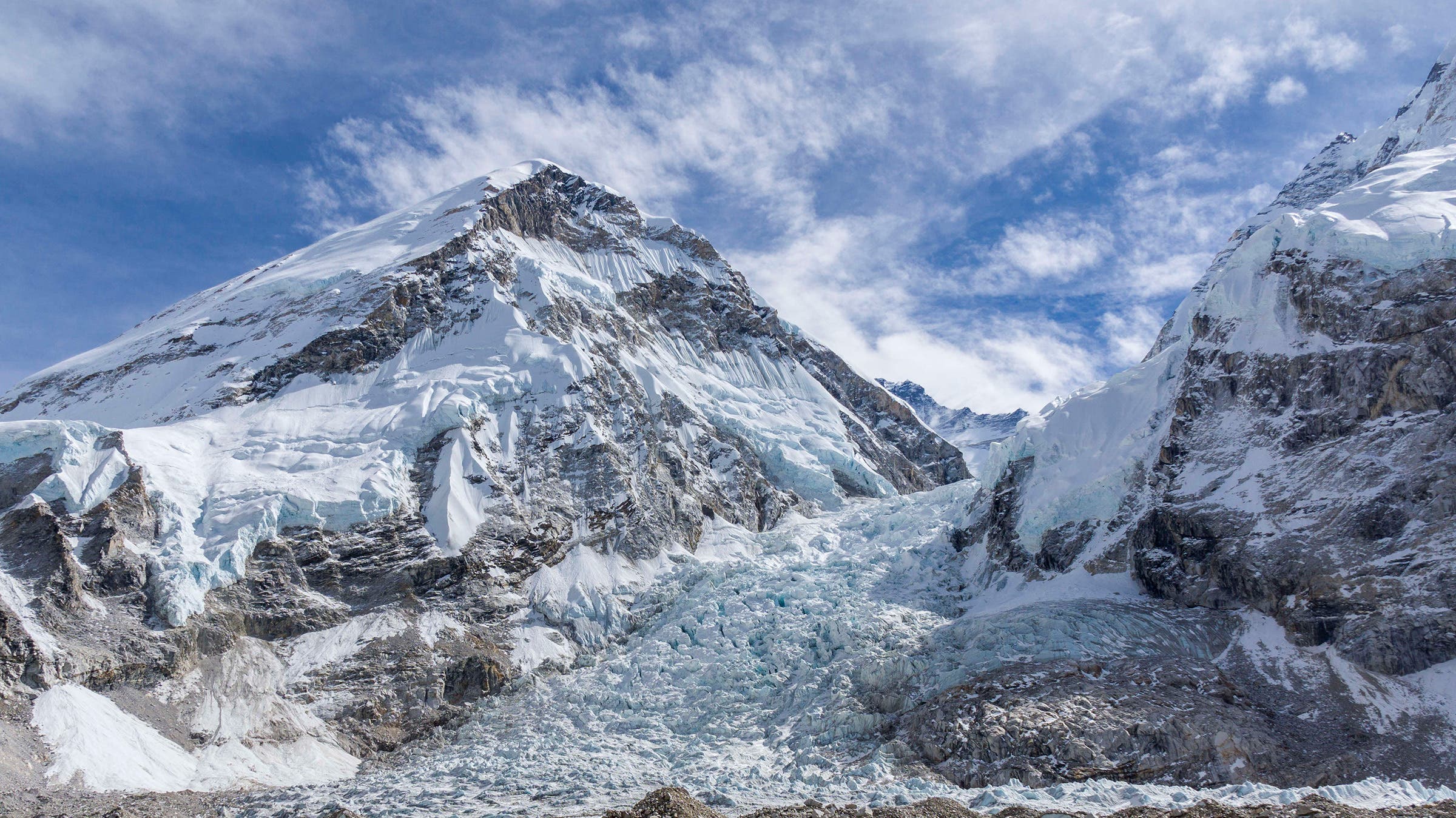
The bottleneck is centered on a massive, unstable serac—a towering block of glacial ice—looming directly over the traditional climbing path. Until this natural hazard either collapses or is deemed stable by experts, the specialized team of Nepali mountaineers known as the "Icefall Doctors" cannot finalize the network of ropes and ladders required for safe passage. This delay has effectively locked the gates to the world’s highest peak, leaving hundreds of climbers, guides, and high-altitude porters stranded at 17,598 feet.
The Role and Risk of the Icefall Doctors
The Khumbu Icefall is widely regarded as the most dangerous section of the South Col route on Mount Everest. A frozen river of ice that moves at a rate of three to four feet per day, the icefall is a labyrinth of shifting crevasses and precarious ice towers. Each year, the responsibility for navigating this terrain falls to the Icefall Doctors, a select group of Sherpas employed by the Sagarmatha Pollution Control Committee (SPCC).
These experts are the first to enter the icefall each spring, tasked with finding the safest possible line through the chaos. Their work involves drilling ice screws into vertical walls, anchoring miles of nylon rope, and spanning bottomless crevasses with aluminum ladders lashed together. The route they establish is the umbilical cord for the entire climbing season; without it, the delivery of essential supplies—including supplemental oxygen, tents, and food—to Camps I, II, III, and IV is impossible.
Himal Gautam, the Director of Nepal’s Department of Tourism, emphasized that the current pause in operations is a direct response to the heightened risk profile of the 2026 season. "The Icefall Doctors have worked in this sector for ten years, and they think the serac will fall any day now," Gautam stated. "We have to trust them. The Government of Nepal has always placed human safety at the core of our priorities."
Historical Context and the Shadow of Past Tragedies
The caution exercised by the SPCC and the Department of Tourism is informed by a history of catastrophic events in the Khumbu Icefall. In 2014, a massive ice collapse triggered an avalanche that claimed the lives of 16 mountain workers, marking one of the darkest days in the history of Everest mountaineering. More recently, in 2023, three climbers were killed when a collapsing ice tower buried them in a crevasse.
Historically, the route through the icefall is completed by mid-April. In 2025, the ropes were fixed and the mountain was declared open by April 11. In 2024, the process was delayed until April 17 due to unstable ice conditions. The current delay, pushing past April 21, represents a significant deviation from the norm. As climate change continues to impact the Himalayan cryosphere, the stability of the Khumbu Glacier has become increasingly unpredictable, leading to more frequent disruptions in the traditional climbing timetable.
Logistical Implications for Expedition Operators
For expedition outfitters, a delay of even a few days can have a cascading effect on the entire season’s logistics. The standard Everest ascent requires a series of acclimatization "rotations," where climbers hike to higher altitudes and return to Base Camp to allow their bodies to produce more red blood cells. These rotations are essential for survival in the "Death Zone" above 26,000 feet.
Daniel Mazur, an experienced American guide with Summit Climb, expressed the growing frustration among the teams at Base Camp. "We’re starting to get worried," Mazur said. "We came here to climb Everest, and we can’t get on the mountain yet, and that is concerning."
The delay also impacts the "fixing" of the upper mountain. Once the icefall is open, a separate rope-fixing team must ascend to the South Col and eventually the summit to install the safety lines that the majority of climbers rely on. Under normal circumstances, these lines are completed by early May. With the icefall still closed in late April, the window for these operations is shrinking rapidly. Mazur noted that by May 1, teams generally need to have their camps established on the Lhotse Face to remain on track for summit attempts in mid-May.
The Threat of Seasonal Congestion
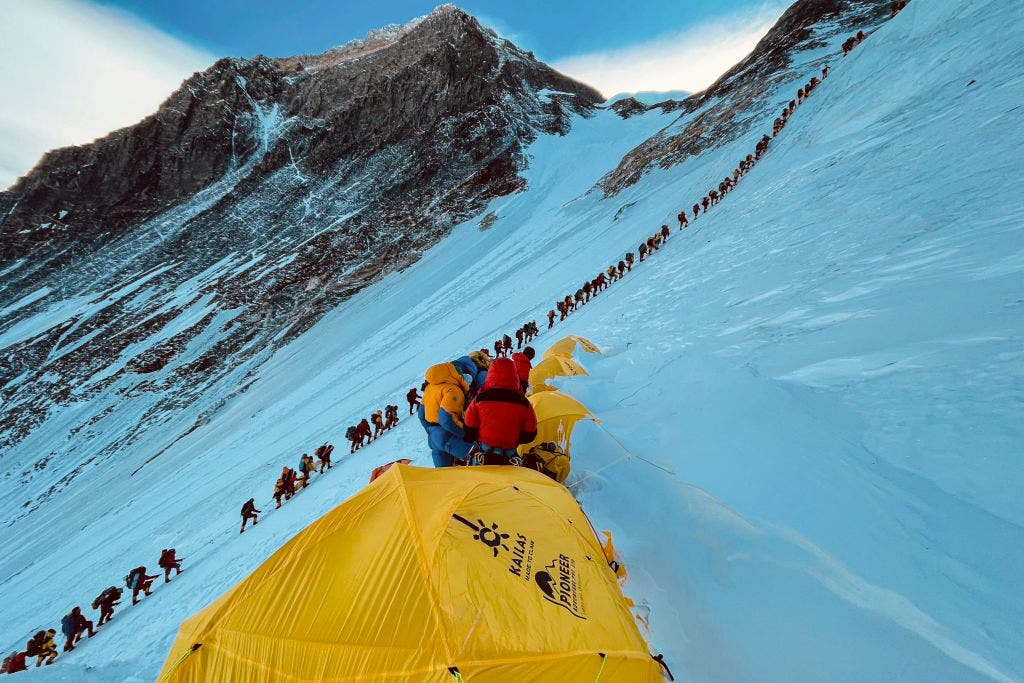
The primary fear among veteran guides is that the delay will compress the climbing season into a narrow window, forcing all teams to move at once. Mount Everest is notorious for "traffic jams," particularly at bottlenecks like the Hillary Step and the Lhotse Face. When hundreds of climbers attempt to summit simultaneously, it leads to long wait times in extreme cold, significantly increasing the risk of frostbite, exhaustion, and oxygen depletion.
Garrett Madison of Madison Mountaineering recalled the 2012 season, where a similar delay resulted in a late-season rush. "There was a really short window, and that created a ton of congestion higher on the mountain," Madison said. "It led to a famous photo of a line of climbers going up the Lhotse Face. Hopefully this year doesn’t turn into that."
Thaneshwor Guragain, General Manager of Seven Summit Treks, one of the largest operators on the mountain, noted that the pressure is mounting from a large client base. With nearly 100 clients waiting for the route to open, the logistical challenge of moving such a large group safely through a compressed timeframe is daunting.
Economic and Strategic Alternatives
The economic stakes of the Everest season are immense for the Nepalese government and the local economy. Each foreign climber pays approximately $11,000 for an Everest permit, and the total revenue from the spring season supports thousands of jobs in the Khumbu region. A shortened or failed season would have significant financial repercussions for the tourism sector.
In response to the deadlock, some guides are pivoting to alternative peaks to keep their clients active and facilitate acclimatization. Daniel Mazur reported that his team is looking toward nearby summits such as Pumori (23,494 feet), Island Peak (20,305 feet), and Lobuche East (20,075 feet). By climbing these peaks, mountaineers can achieve the necessary physiological changes required for Everest without needing to enter the Khumbu Icefall.
"We need to keep going, keep moving," Mazur explained. "We already went through a lot of work just to get here."
Monitoring and Future Outlook
Technological interventions are being used to monitor the situation. The SPCC has deployed drones to conduct aerial surveys of the hanging serac, providing the Icefall Doctors with high-resolution imagery to assess cracks and movement without putting personnel in the direct line of fire. While these tools offer better data, they cannot change the fundamental reality of the mountain: the ice will fall on its own schedule.
The international mountaineering community remains in a "waiting game." If the serac collapses soon, there may still be enough time to salvage a standard season. However, if the obstruction persists into May, expedition leaders may be forced to make difficult decisions regarding the safety of their clients and the viability of their summit goals.
As of the latest reports from Base Camp, the SPCC and the Department of Tourism remain firm in their stance that no climber will be permitted to enter the icefall until the route is secured. While the delay is a blow to the ambitions of many, it serves as a stark reminder of the inherent dangers of high-altitude mountaineering and the ultimate authority of the mountain’s natural forces over human schedules. The coming week will be a decisive period for the 2026 Everest season, as teams watch the heights and wait for the ice to move.


 Chandra Hamzah
 Gabriela Annisa
 Tatiana Tantri Indah Sari
 Budi Mulyono