
 Anjar Salim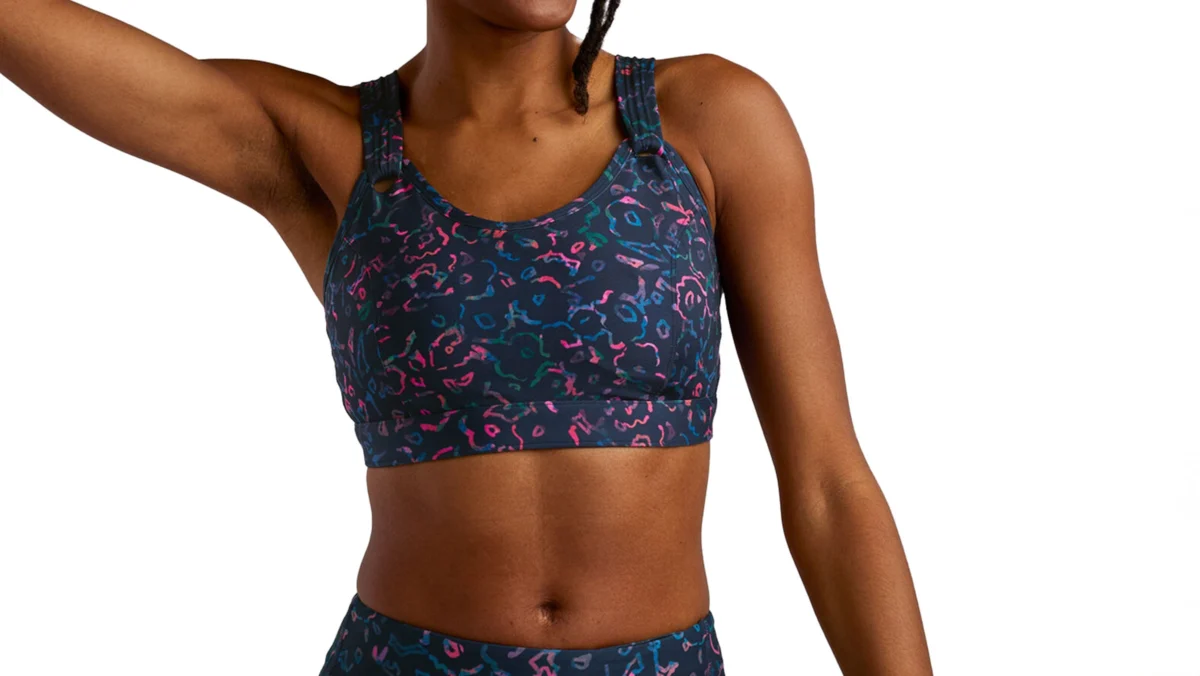
Following an exhaustive three-season evaluation process, the 2026 athletic apparel performance review has concluded, identifying the top-performing sports bras across a diverse range of physiological needs and sporting disciplines. As of April 2026, the testing team has analyzed a cumulative total of 81 unique models, including 29 new releases for the current season. This rigorous assessment involved hundreds of hours of field testing, ranging from high-altitude trail running and Nordic skiing to low-impact yoga and weightlifting. The findings highlight a significant shift in the industry toward inclusive sizing, sustainable materials, and integrated utility features, such as hydration storage and phone pockets.
The State of the Sports Bra Market in 2026
The global sports bra market has seen a marked evolution in the mid-2020s, driven by advancements in textile engineering and a growing demand for specialized support. Biomechanical research continues to emphasize that breast movement during high-impact exercise can lead to significant discomfort and potential tissue damage if not properly managed. In response, manufacturers have moved beyond basic compression models to embrace encapsulation technology and sophisticated fabric blends.
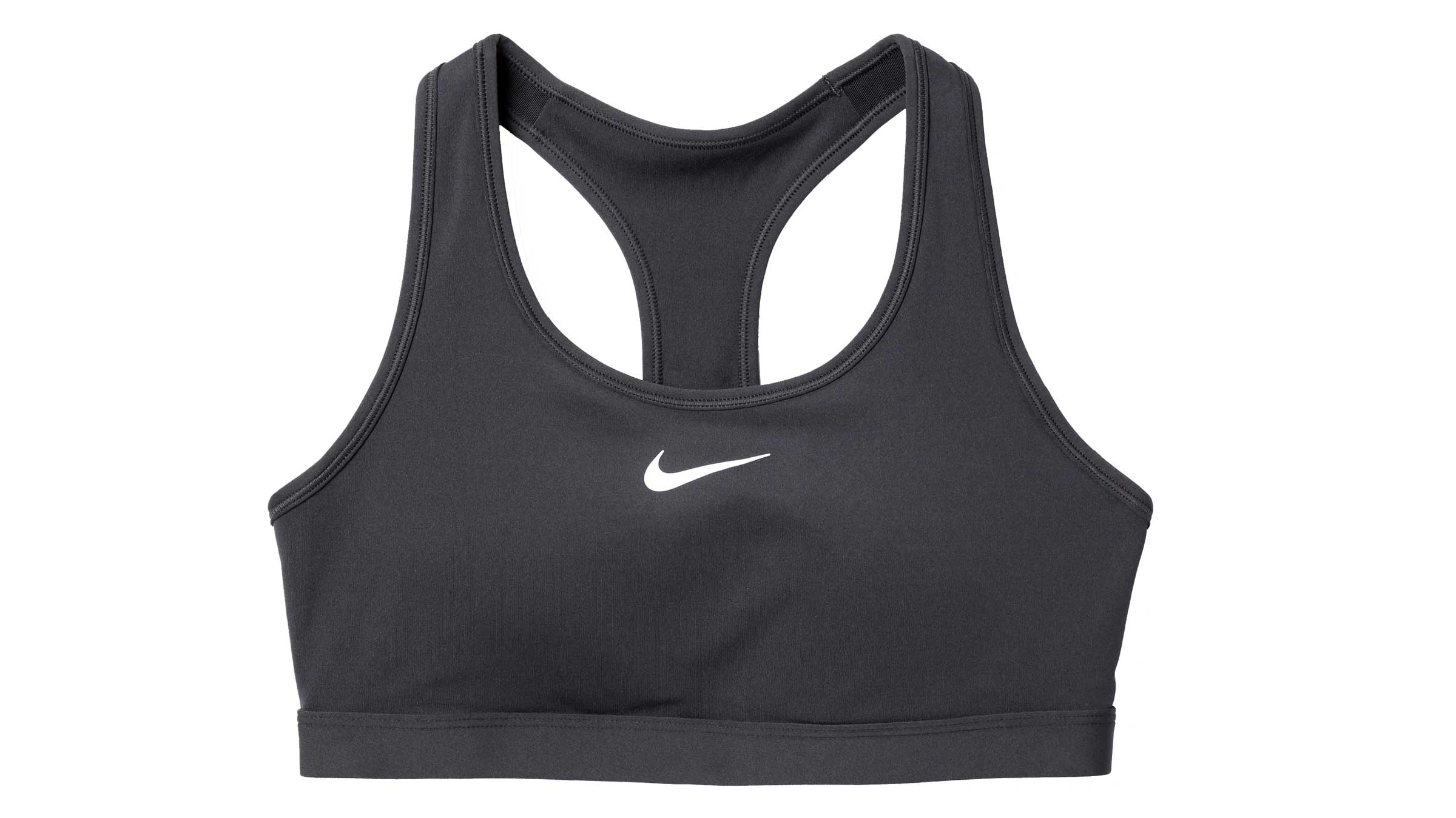
In this year’s update, the Title Nine Tech Athena 2.0 ($65) has been designated as the premier choice for athletes with larger chest sizes, specifically those in the C to DDD cup range. Conversely, for consumers seeking maximum utility at a competitive price point, the Nike Swoosh Medium Support ($42) remains a dominant force due to its longevity and the integration of fixed, non-removable padding—a response to long-standing consumer complaints regarding the maintenance of removable inserts.
Methodology and Chronology of the Testing Process
The 2026 review is the culmination of a multi-year longitudinal study led by veteran gear tester Lisa Jhung. Based in Boulder, Colorado, Jhung utilized the diverse topography and climate of the Rocky Mountains to subject each garment to extreme conditions. The testing chronology followed a structured four-month daily cycle for the 29 newest entries, which were then benchmarked against 52 previously tested models.
To qualify for the final recommendations, each bra was required to pass a "dual-tester" verification process, where at least two independent athletes had to reach a consensus on its comfort and functional performance. The criteria were divided into four primary pillars:
- Mechanical Support: The ability to minimize vertical and lateral displacement during high-impact movement.
- Thermoregulation: The efficiency of moisture-wicking and the speed of fabric evaporation.
- Dermal Comfort: The presence of flat-lock seams, bonded edges, and the absence of chafing points.
- Durability: The garment’s ability to maintain its elastic modulus and structural integrity after repeated wash cycles.
Top Performers in High-Impact Engineering
Title Nine Tech Athena 2.0 and Three Reasons
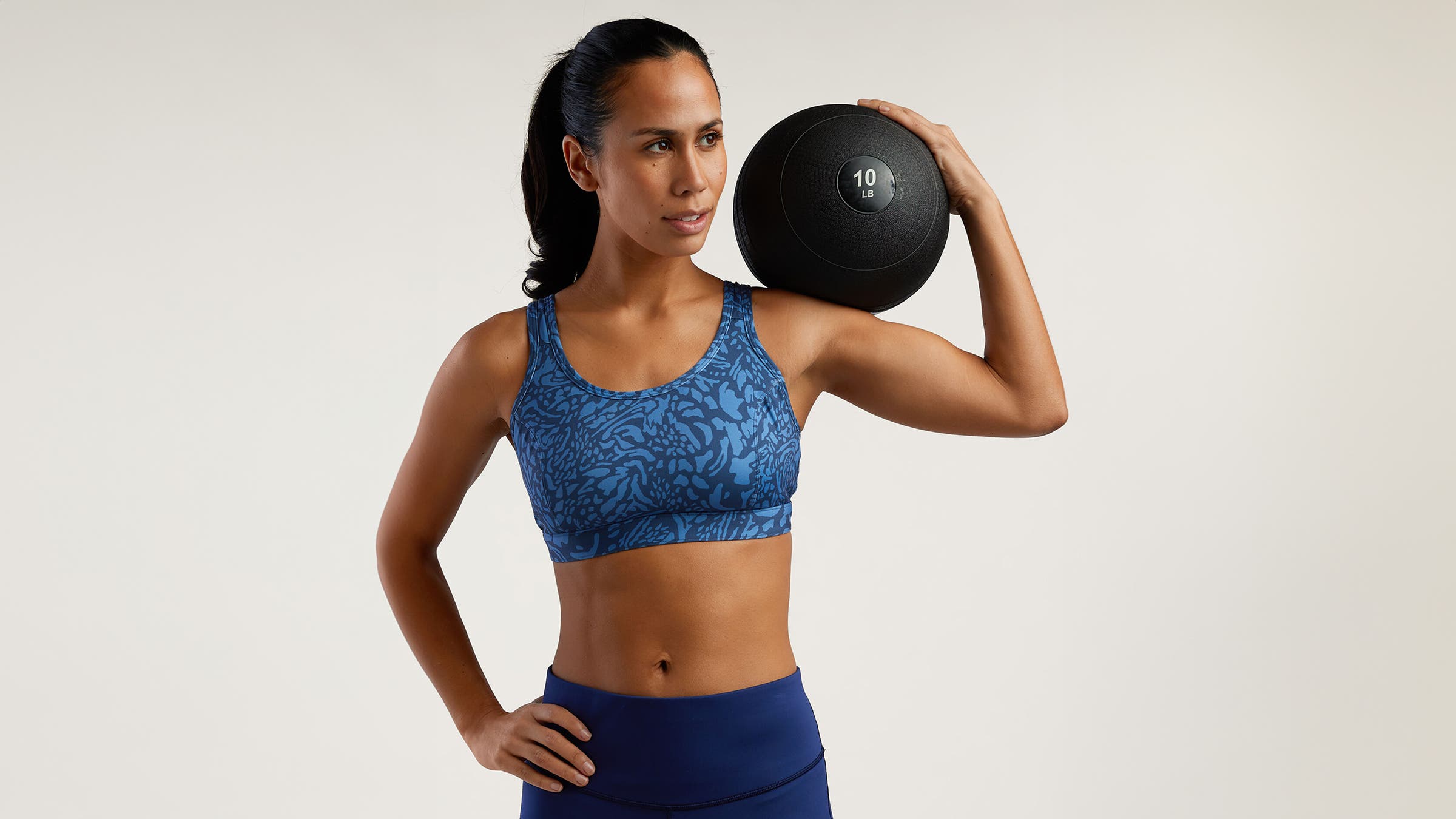
For athletes requiring substantial support, Title Nine has secured two top spots. The Tech Athena 2.0 is noted for its high-adjustability, featuring Velcro shoulder straps and a robust hook-and-loop back closure. This design allows for a customized fit that accommodates daily physiological fluctuations. The "Three Reasons" model offers a similar level of wire-free support but relocates strap adjustments to the front, addressing the accessibility needs of athletes with limited shoulder mobility.
Athleta Interval
The Athleta Interval bra represents the peak of material science in the 2026 cohort. Utilizing a recycled polyester and elastane blend, it provides a high-compression fit without sacrificing breathability. The inclusion of a rear cutout enhances airflow, making it a preferred choice for HIIT (High-Intensity Interval Training) and long-distance running.
Innovations in Integrated Utility and Hydration
One of the most significant trends identified in the 2026 report is the integration of storage solutions directly into the garment. This reflects a broader "fast and light" movement in the outdoor industry, where athletes seek to minimize external gear like hydration vests for shorter-duration efforts.
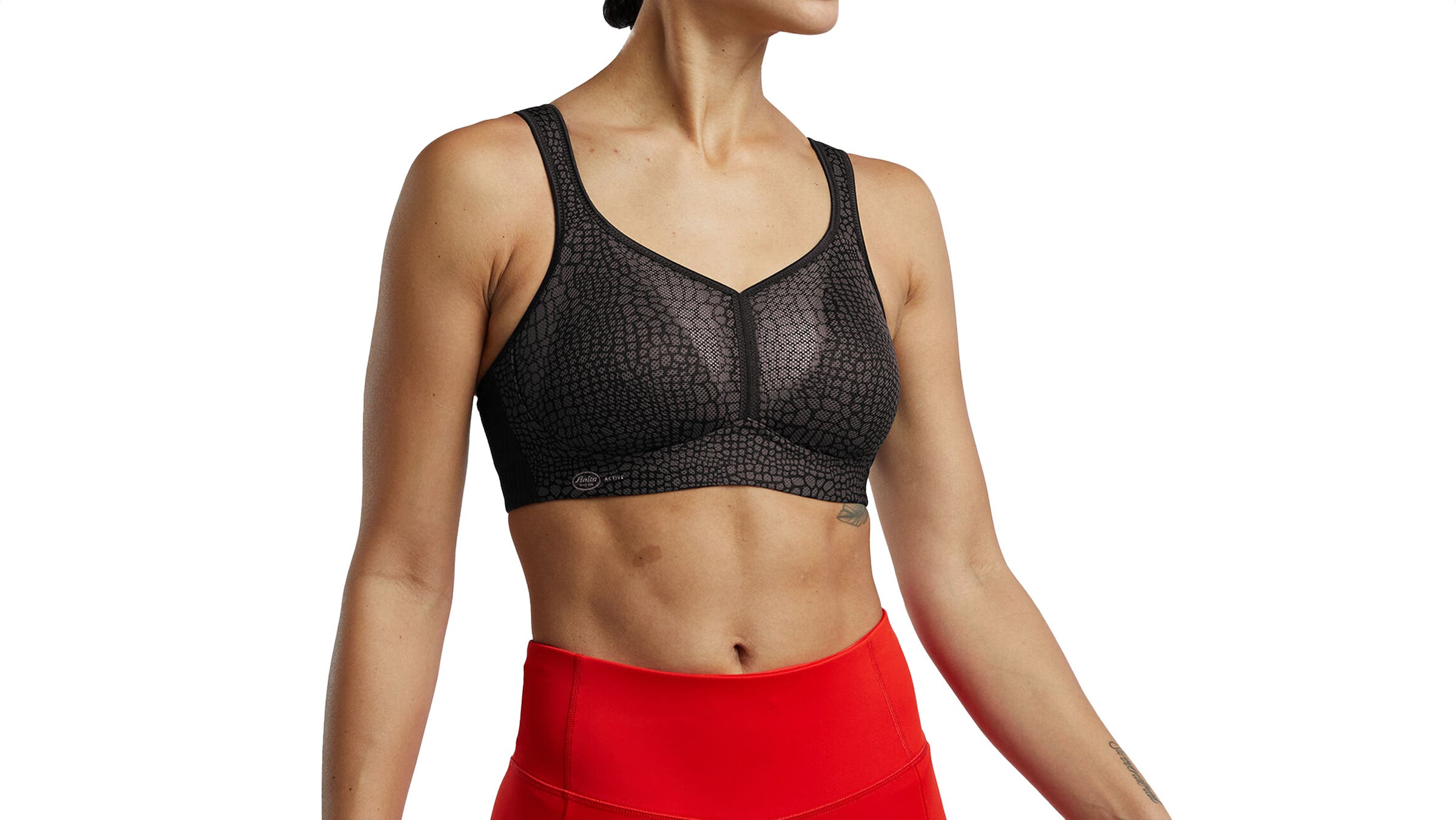
Rabbit Hydration Trail Bra
The Rabbit Hydration Trail Bra is a standout innovation, featuring a dedicated rear pocket designed to hold a 250mL soft flask. This allows for hands-free hydration during summer runs. The garment also incorporates an odor-resistant lining, utilizing antimicrobial treatments to extend the life of the bra between washes.
Rabbit Pocket Bra and Pruzan Hourglass Marathon Bra
For those carrying digital devices, the Rabbit Pocket Bra offers a secure upper-back sleeve that minimizes phone bounce. Meanwhile, the Pruzan Hourglass Marathon Bra has been engineered specifically for use with external packs. By utilizing flat seams and wide, cushioned shoulder straps, it prevents the common issue of "strap-on-strap" chafing that often plagues long-distance hikers and trail runners.
Performance in Extreme Climates and Specialized Environments
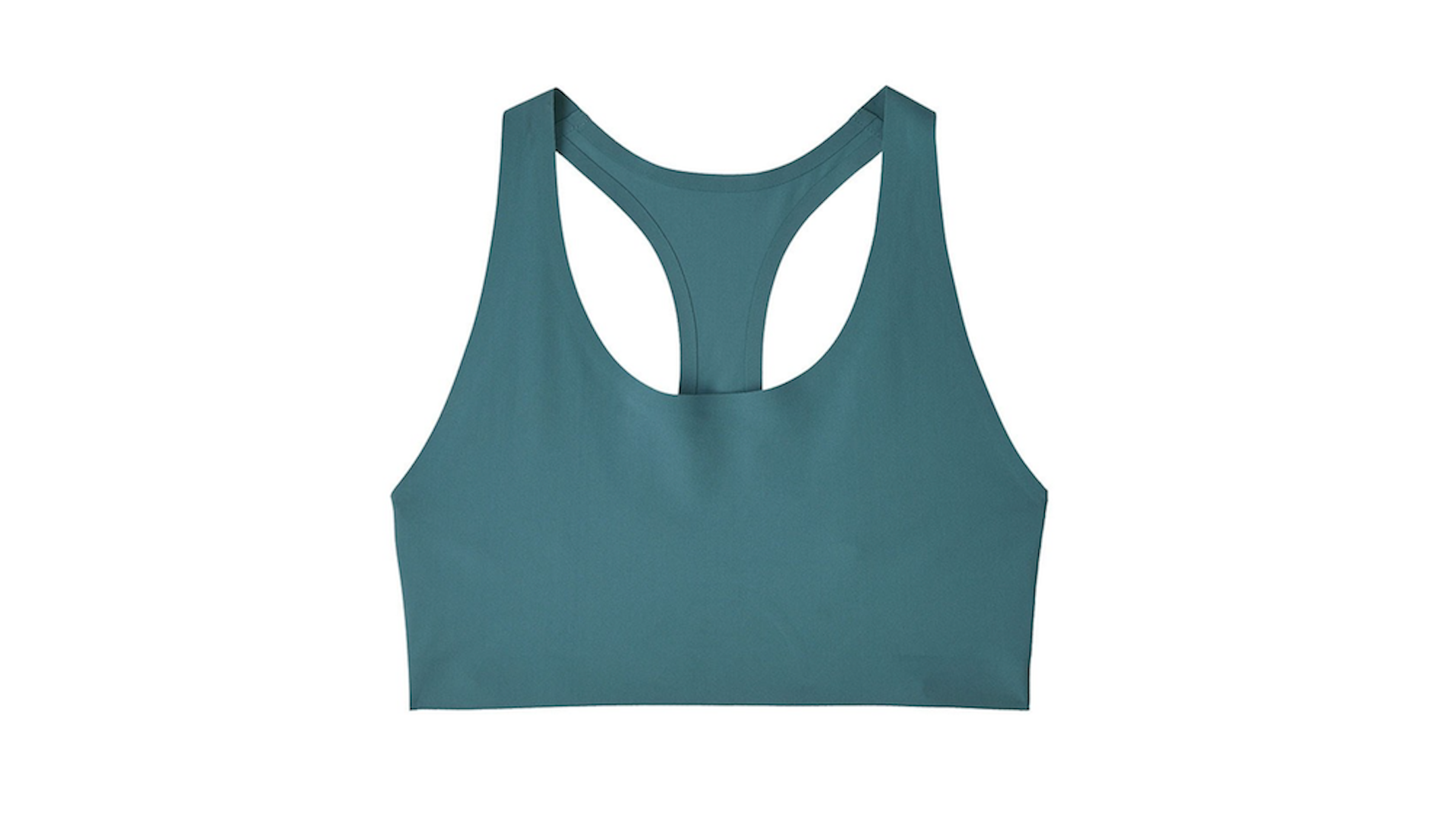
Patagonia Live Simply Bra
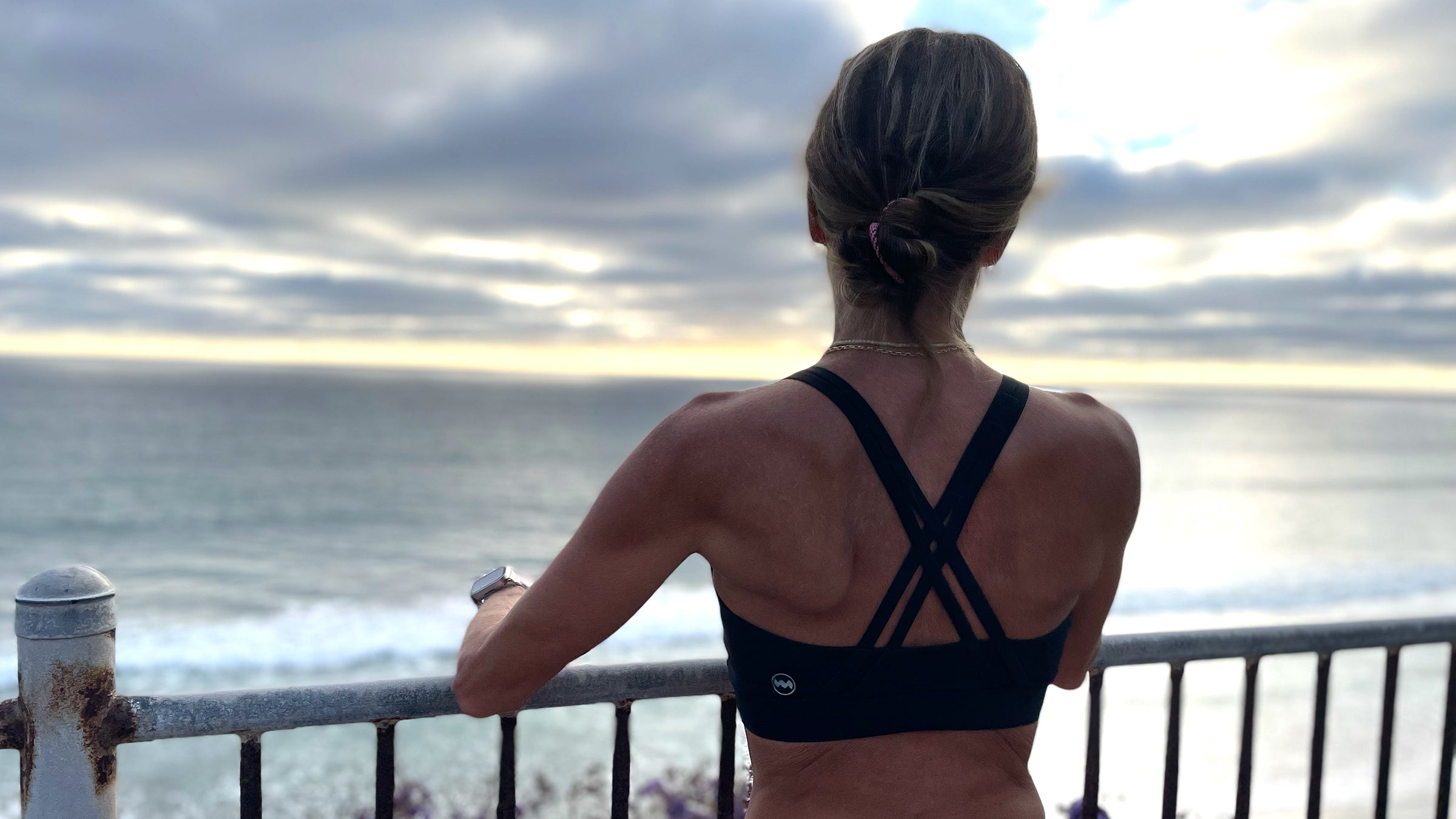
In hot weather testing, conducted in temperatures exceeding 100 degrees Fahrenheit, the Patagonia Live Simply Bra outperformed its competitors. Its 100 percent polyester tricot construction lacks Spandex, which, while reducing overall compression, significantly increases the rate of evaporation and prevents the fabric from "bagging out" when saturated with sweat. It also features HeiQ Mint, a plant-based odor control technology.
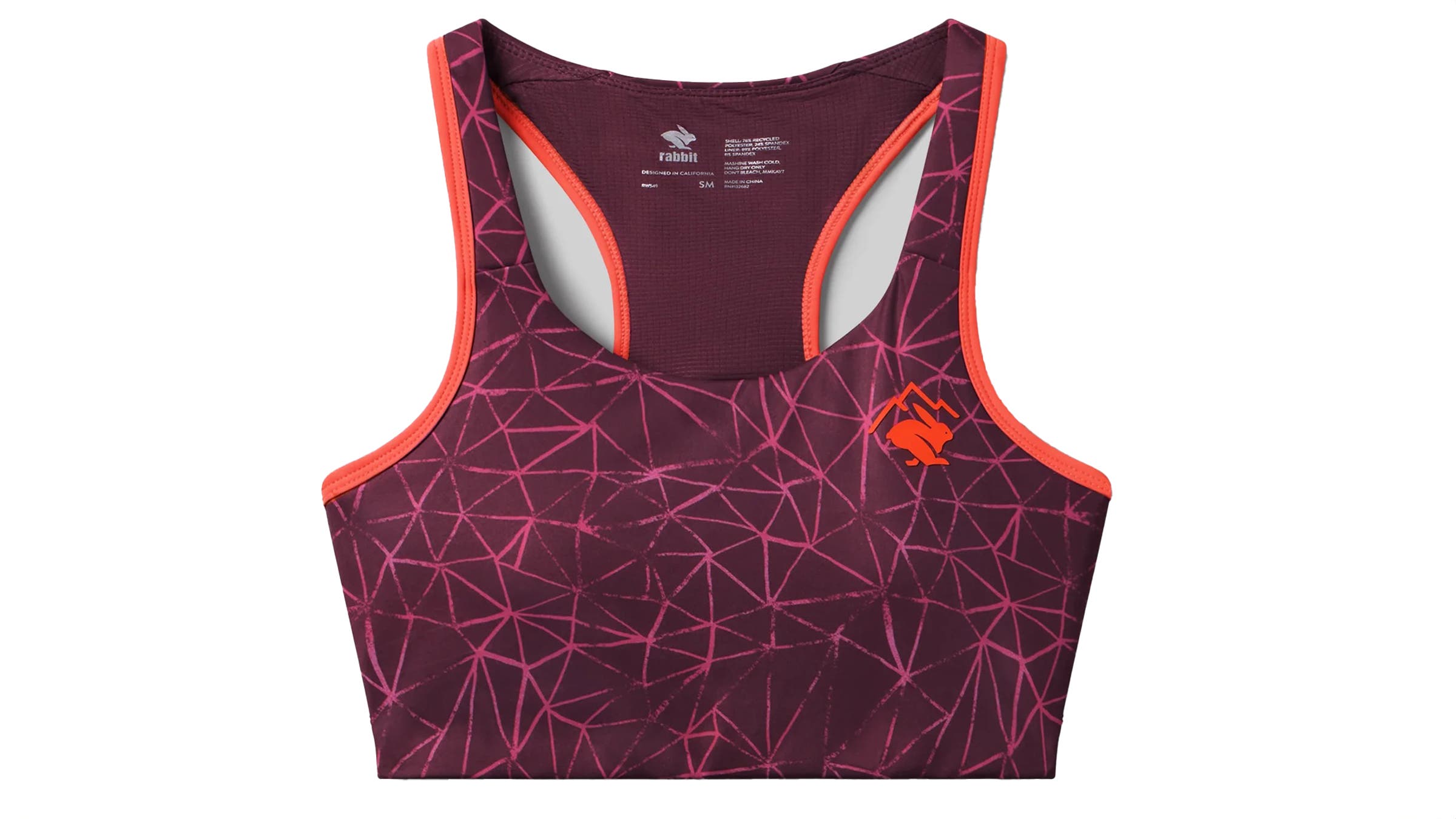
Title Nine AC Sports Bra
The "AC" in this model stands for "Air Conditioning," a nod to its extensive use of mesh paneling. It is designed to provide encapsulation (separating the breasts) rather than compression (squeezing them together), which improves airflow and maintains a more traditional aesthetic. Testers noted its versatility, as it can transition from a high-intensity workout to a professional setting under work attire without the "uniboob" silhouette common in sports apparel.
The Value Proposition: Durability and Accessibility
The Nike Swoosh Medium Support remains the benchmark for value in 2026. Data from the testing team suggests that earlier versions of this design have remained functional for nearly two decades. The current iteration’s use of sustainable, recycled polyester aligns with global manufacturing trends toward environmental responsibility. At $42, it provides the lowest cost-per-wear ratio in the study.
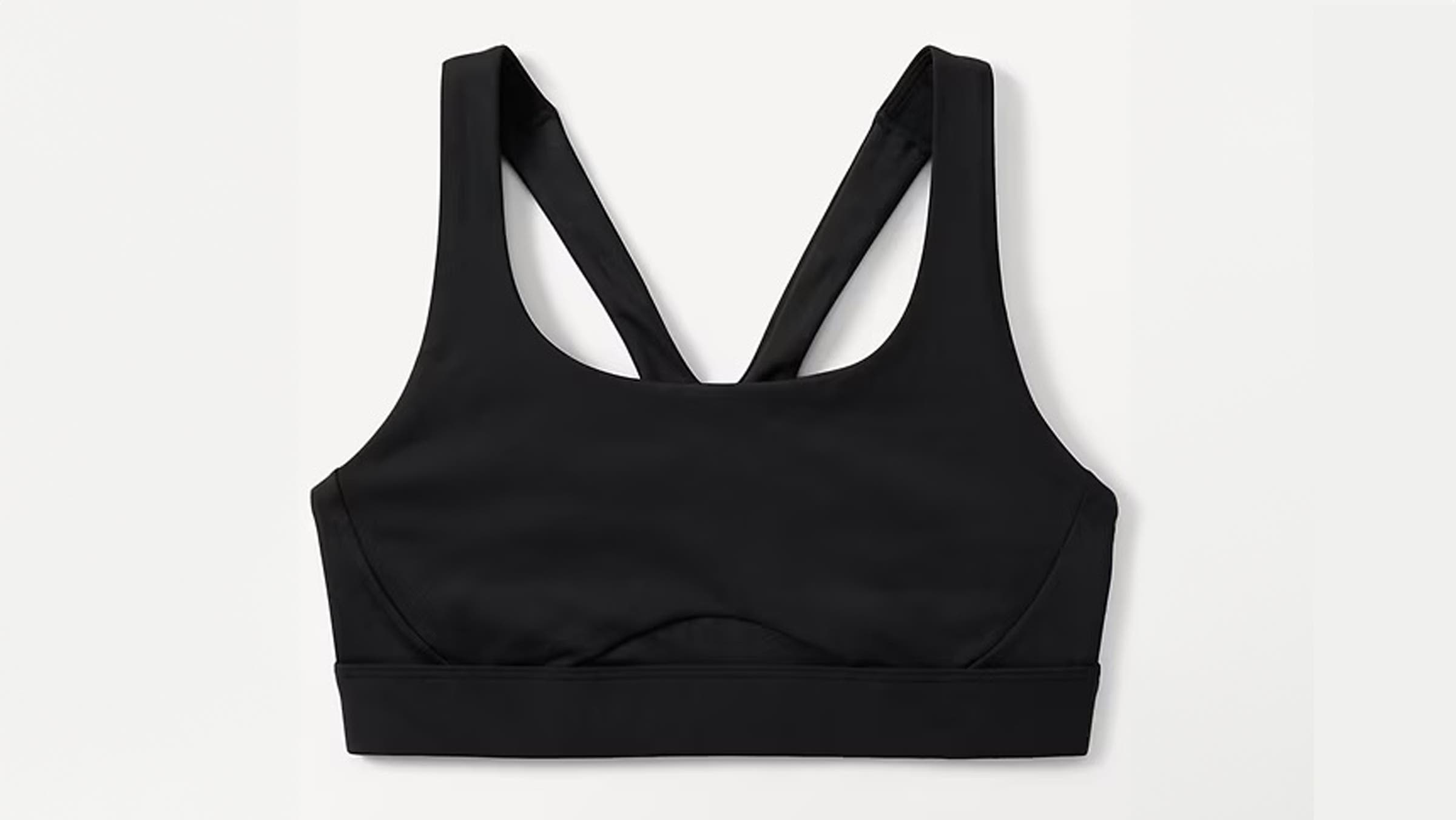
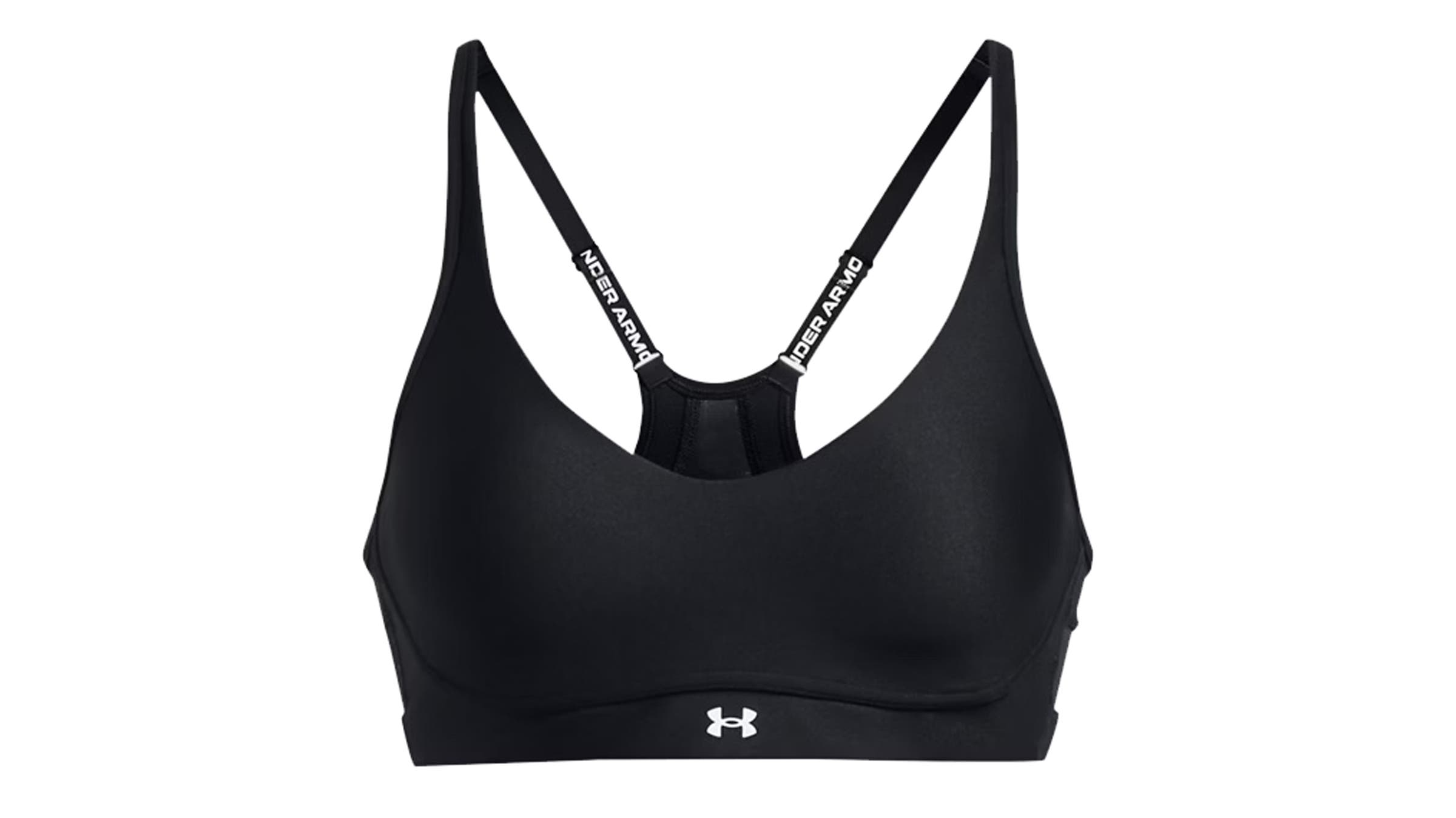
For low-impact activities, the Under Armour UA Infinity 2.0 Low and the Nike Indy Light Support offer alternatives that prioritize comfort. The UA Infinity 2.0 utilizes injection-molded padding that mimics the natural shape of the body, providing a seamless fit that is ideal for floor-based exercises like Pilates or yoga where traditional clasps might cause discomfort.
Technical Analysis of Fabric and Construction
The 2026 testing cycle revealed that the highest-performing bras shared several technical characteristics:
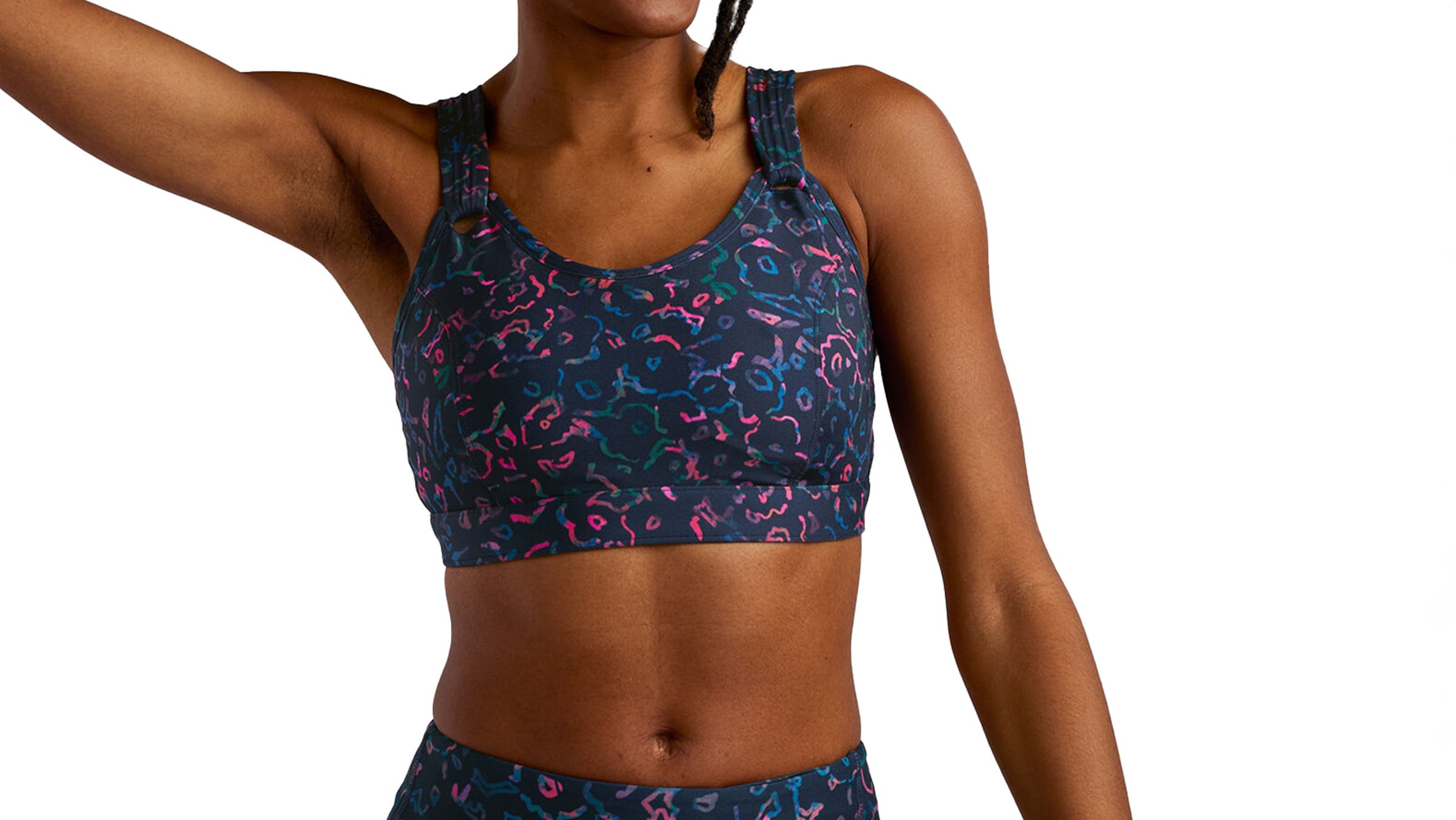
- Bonded Seams: Leading brands like Patagonia and Nike are increasingly using bonding rather than stitching to reduce the profile of the garment and eliminate friction points.
- Recycled Synthetics: There is a nearly universal shift toward recycled polyester and nylon, with brands like Athleta and Janji leading the way in sustainable performance.
- Encapsulation vs. Compression: The data indicates that for cup sizes C and above, encapsulation (individual support for each breast) is significantly more effective at reducing discomfort than simple compression.
Expert Recommendations for Equipment Selection
Choosing a sports bra in 2026 requires a data-driven approach based on the specific mechanical demands of the intended sport. The research team suggests the following decision matrix:
- Assess the Impact Level: Running and jumping (high impact) require encapsulation and high-modulus fabrics. Cycling and hiking (medium impact) prioritize moisture management. Yoga and strength training (low impact) prioritize range of motion and seam placement.
- Evaluate the Underband: The underband provides approximately 80 percent of a bra’s support. It must be snug enough to remain stationary during movement but not so tight as to restrict diaphragmatic breathing.
- Consider Storage Needs: With the rise of integrated pockets, athletes should determine if they require the bra to carry a phone, keys, or hydration, which can eliminate the need for a separate waist belt.
Industry Implications and Future Outlook
The findings of the April 2026 report suggest that the sports bra is no longer viewed as a secondary accessory but as a critical piece of technical equipment. The inclusion of sizes up to 3X and cup sizes through F (and DDD) indicates that the industry has finally addressed the historical underserving of larger-bodied athletes. Furthermore, the move toward "hybrid" garments—bras like the Left on Friday Flex Tank that function as both swimwear and athletic wear—reflects a consumer desire for versatile, high-quality pieces that reduce overall consumption.
As material science continues to advance, the next frontier for sports bras likely involves "smart" textiles capable of monitoring heart rate or skin temperature. However, for 2026, the focus remains on the fundamental balance of support, comfort, and durability. The 81 bras tested in this cycle represent the most technologically advanced options available to the modern athlete, ensuring that regardless of the activity or body type, there is a solution engineered for peak performance.




 Chandra Hamzah
 Tatiana Tantri Indah Sari
 Budi Mulyono
