
 Tatiana Tantri Indah Sari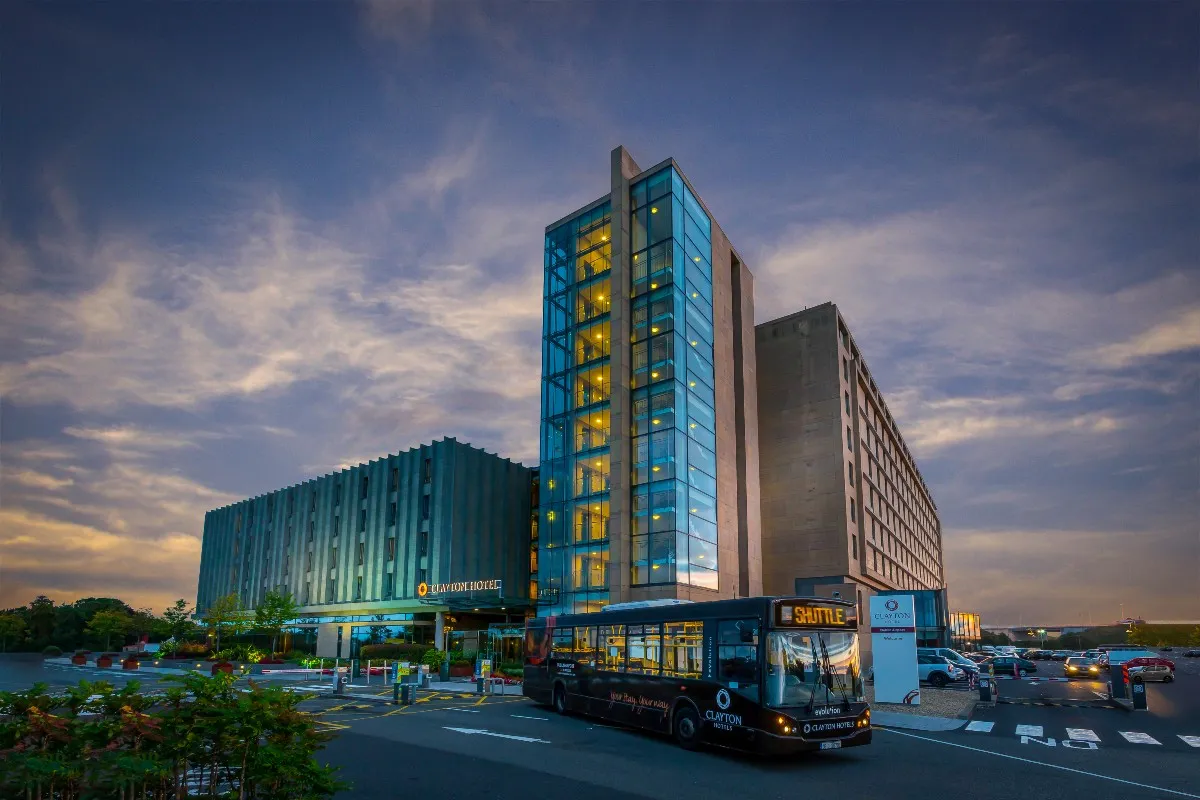
The top leadership of Dalata Hotel Group PLC, Ireland’s preeminent homegrown hotel operator, is set to undergo a significant transition with the announcement that both CEO Dermot Crowley and the company’s Deputy CEO will step down from their roles later this year. This pivotal change is a direct consequence of a comprehensive post-acquisition restructure initiated by Scandic Hotels Group, the Nordic hospitality giant that assumed management of Dalata properties in November. The news, which signals a new chapter for the Irish hotel group, was disclosed by Scandic during its recent earnings call on Wednesday, where it provided investors and analysts with an update on the ongoing integration process.
The departures mark a definitive end to an era of remarkable growth and strategic expansion for Dalata under Crowley’s stewardship, setting the stage for a new operational and strategic direction as the company fully integrates into Scandic’s extensive European network. The transition underscores the typical dynamic following major corporate acquisitions, where leadership alignment and operational synergies often necessitate changes at the executive level to ensure a unified vision and streamlined management structure under the new parent company.
A Legacy of Growth: Dermot Crowley’s Tenure and Dalata’s Expansion
Dermot Crowley’s journey with Dalata began in December 2012, a crucial period for the company’s nascent growth phase. His ascent to the Chief Executive Officer position in 2021 was the culmination of nearly a decade of dedicated service and strategic contributions. Under his leadership, Dalata embarked on an aggressive expansion strategy that transformed it from a significant regional player into a formidable European contender. The company’s portfolio flourished, adding an impressive 16 hotels and 3,800 rooms across key markets in Ireland, the United Kingdom, and continental Europe. This expansion was not merely about increasing room count but strategically positioning Dalata’s brands, Clayton and Maldron Hotels, in high-demand urban centers and business hubs.
Crowley’s vision was instrumental in navigating the complexities of the post-financial crisis recovery and, more recently, the unprecedented challenges posed by the global pandemic. Despite the severe disruptions to the travel and hospitality sectors, Dalata demonstrated resilience, adapting its operations and maintaining a strong pipeline for future growth. The company currently has three more hotels scheduled to open this year in prominent European cities: Dublin, Edinburgh, and Berlin, further cementing its presence. Beyond these immediate openings, a robust pipeline includes four additional properties slated for development in strategic locations such as London, Edinburgh, and Madrid, indicating a sustained commitment to expansion that Scandic is now poised to inherit and potentially accelerate.
In his departing statement, Dermot Crowley expressed profound confidence in the future of the company under its new ownership, stating, "I have every confidence that under its relationship with Scandic, Dalata will continue to prosper." This sentiment reflects a belief in the strategic fit between the two entities and the potential for continued success, albeit under a new leadership framework.
The Strategic Rationale Behind the Scandic-Dalata Acquisition
The acquisition of Dalata by Scandic Hotels Group represents a significant strategic maneuver in the European hospitality landscape. While specific financial terms of the deal were not detailed in the provided snippet, such large-scale acquisitions are typically driven by a desire for market share expansion, operational synergies, and diversification of geographical risk. Scandic, a leading hotel operator in the Nordic region with a strong presence across Sweden, Norway, Denmark, and Finland, has long harbored ambitions for broader European expansion. Dalata, with its strong foothold in Ireland and the UK, and an emerging presence in continental Europe, presented an ideal platform for Scandic to accelerate these plans.
The integration process, which began in November when Scandic took over management of Dalata properties, involves harmonizing operational protocols, technology platforms, loyalty programs, and supply chains. This process is designed to unlock significant value through cost efficiencies and enhanced revenue generation opportunities. For Scandic, Dalata’s established brand recognition, particularly the Clayton and Maldron brands, in key English-speaking markets offers a distinct advantage, allowing the Nordic group to enter these competitive markets with existing, well-regarded assets rather than building from scratch.
Timeline of Key Events Leading to the Leadership Transition
- December 2012: Dermot Crowley joins Dalata Hotel Group.
- 2012 – 2021: Dalata embarks on a significant growth trajectory, expanding its portfolio across Ireland and the UK, and beginning its foray into continental Europe.
- 2021: Dermot Crowley is appointed CEO of Dalata Hotel Group, guiding the company through the post-pandemic recovery and continued expansion.
- Prior to November: Negotiations and agreement for Scandic Hotels Group to acquire/manage Dalata properties are concluded. While the exact date of the acquisition announcement is not specified, it would have preceded the management handover.
- November (Year not specified, but implied recently): Scandic Hotels Group officially assumes management of Dalata properties, initiating the integration phase. This marks the beginning of the operational merger.
- Wednesday (Date of earnings call): Scandic Hotels Group holds its earnings call, providing an update on the integration progress to investors and analysts. During this call, the departures of Dalata’s CEO and Deputy CEO are formally announced, signaling a key step in the post-acquisition restructuring.
- Later this year: Dermot Crowley and the Deputy CEO are scheduled to step down, allowing for a phased transition to new leadership aligned with Scandic’s overarching corporate structure and strategic objectives.
- Ongoing: Development and opening of Dalata’s pipeline hotels in Dublin, Edinburgh, Berlin, London, and Madrid continue under Scandic’s management, leveraging the established development teams and plans.
The Imperative of Post-Acquisition Restructuring
The departure of top executives following an acquisition, particularly the CEO and Deputy CEO, is a common and often strategic element of post-merger integration (PMI). This restructuring is driven by several key factors:
- Alignment of Vision and Strategy: The acquiring company, Scandic in this case, typically has its own corporate culture, strategic priorities, and operational methodologies. Integrating a large entity like Dalata often requires bringing in leadership that is fully aligned with the acquirer’s long-term vision, ensuring seamless execution of combined strategies.
- Elimination of Redundancies: To achieve promised synergies and cost efficiencies, acquiring companies often seek to streamline management structures, which can lead to overlaps in executive roles.
- Cultural Integration: A successful acquisition hinges on merging two distinct corporate cultures. New leadership, often appointed by the acquiring entity, can play a crucial role in fostering this cultural alignment and ensuring that the combined workforce operates cohesively.
- Operational Streamlining: Centralizing functions such as finance, HR, marketing, and IT under the acquiring company’s framework requires a leadership team that can effectively oversee and implement these changes across the newly expanded portfolio.
- New Growth Directives: While Dalata had a robust growth strategy, Scandic may have different market priorities, investment criteria, or brand deployment strategies. A change in leadership facilitates the implementation of these new directives.
For Dalata, this means a shift from being an independent, publicly traded entity with its own distinct board and executive team, to becoming a significant division or brand within a larger corporate structure. While the Dalata brands (Clayton and Maldron) are expected to retain their identities given their market recognition, the ultimate strategic decisions and operational oversight will now emanate from Scandic’s corporate headquarters.
Industry Reactions and Analyst Perspectives
The announcement of the leadership changes at Dalata, coming during Scandic’s earnings call, would likely be viewed by industry analysts as a predictable and logical step in the integration process. Such transitions are often factored into the valuation models and synergy projections of major M&A deals. Analysts would likely focus on several aspects:
- Smoothness of Transition: How effectively Scandic manages the leadership handover and maintains operational stability across Dalata’s properties will be a key indicator of the integration’s success.
- Synergy Realization: The market will closely watch for Scandic’s ability to deliver on the promised synergies, whether through cost savings in procurement, enhanced revenue from cross-selling, or accelerated pipeline development.
- Brand Management: Analysts will assess how Scandic plans to manage and potentially evolve the Dalata brands, particularly Clayton and Maldron, to ensure they continue to resonate with their target demographics while leveraging Scandic’s broader distribution network.
- Talent Retention: A critical challenge in post-acquisition restructuring is retaining key talent beyond the top leadership. Analysts will look for indications that Scandic is effectively engaging with Dalata’s employees to minimize disruption and maintain expertise.
From an investor perspective, the news, presented within an earnings call, would typically be framed by Scandic as a necessary step towards optimizing the newly acquired assets and achieving long-term value creation. The market’s reaction would depend on the broader context of Scandic’s financial performance and future outlook.
Implications for Dalata’s Future and the European Hotel Market
The departure of Dermot Crowley and the Deputy CEO marks a significant inflection point for Dalata. Under Scandic’s ownership, the company is poised for a new phase of evolution with several potential implications:
- Enhanced Financial Firepower and Reach: As part of a larger, well-capitalized group, Dalata will likely benefit from Scandic’s financial resources, enabling it to potentially accelerate its development pipeline and explore new market opportunities with greater ease. Scandic’s extensive distribution channels and loyalty program could also significantly boost Dalata’s occupancy rates and revenue.
- Operational Efficiencies: Integration into Scandic’s operational framework will likely lead to standardized practices, shared technology platforms, and centralized procurement, driving cost efficiencies across the portfolio. This could include integrating property management systems, revenue management tools, and digital marketing strategies.
- Brand Evolution and Market Positioning: While the Clayton and Maldron brands are strong, Scandic may strategically assess their positioning within its broader brand architecture. There could be opportunities for cross-promotion or even the introduction of Scandic’s own brands into Dalata’s core markets, or vice-versa, depending on market segment analysis.
- Leadership and Cultural Shift: The new leadership team, likely appointed by Scandic, will bring a fresh perspective and potentially a different management style. This will necessitate a careful cultural integration process to ensure that the core values and operational strengths that made Dalata successful are preserved and enhanced.
- Impact on the Irish and UK Hospitality Landscape: Dalata’s integration into Scandic further consolidates the European hotel market. For competitors in Ireland and the UK, this means facing a larger, more formidable player with deeper resources and a broader European footprint. It could intensify competition for prime development sites and market share.
- Sustainability and Innovation: Scandic has a strong reputation for sustainability and innovation, particularly in the Nordic market. Dalata’s properties could benefit from the transfer of best practices in eco-friendly operations, energy efficiency, and guest experience technology, aligning with evolving consumer preferences for responsible tourism.
The transition, while significant, is a natural progression for a company that has been acquired by a larger entity. The challenge for Scandic will be to harness Dalata’s proven track record of growth and operational excellence while seamlessly integrating it into its own corporate fabric, ensuring that the legacy built by leaders like Dermot Crowley continues to contribute to the combined entity’s success in the dynamic European hospitality market. The coming months will reveal the strategic choices made by Scandic regarding Dalata’s future leadership and operational blueprint, setting the course for this newly merged powerhouse in the European hotel sector.



 Anjar Salim
 Chandra Hamzah
 Budi Mulyono

