
 Hendra Ismail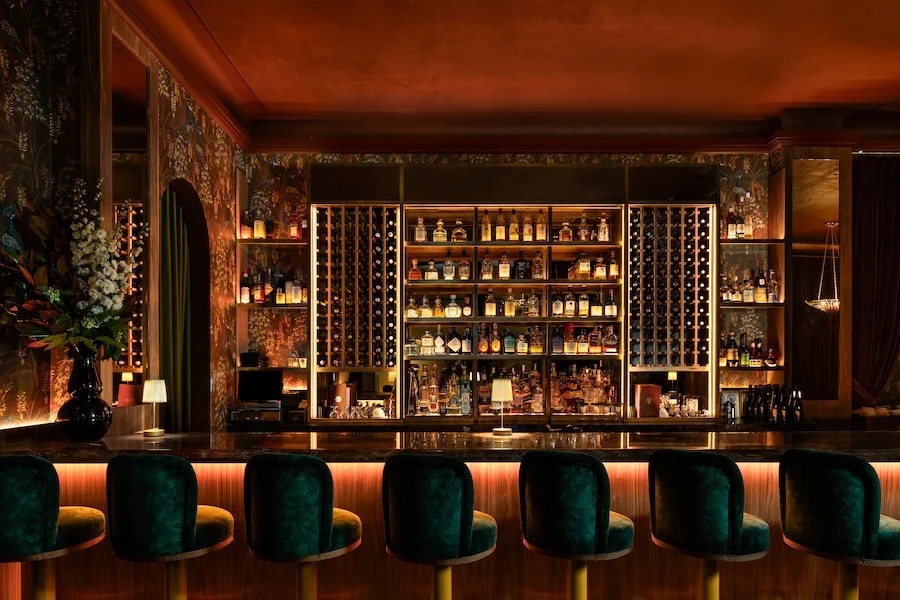
IGC Hospitality has announced the highly anticipated return of Winnie’s Jazz Club, an intimate lobby lounge nestled within The Refinery Hotel in New York City’s vibrant Garment District. This revived venue pays homage to its namesake, Winifred T. McDonald’s iconic 1920s café, while boldly infusing its Art Deco heritage with a distinctly contemporary New York spirit. The transformation, spearheaded by Garrett Singer Architecture + Design (GSAD), reimagines the space into a sophisticated destination that blends historical reverence with a dynamic, modern sensibility, aiming to capture the essence of the city’s ever-evolving cultural landscape.
A Cinematic Overture: Design and Ambiance
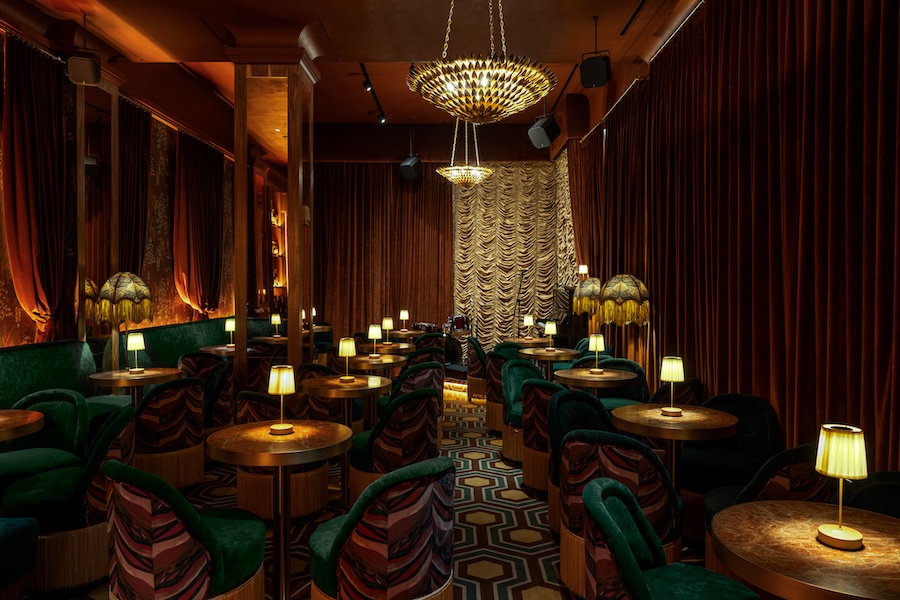
The redesign of Winnie’s Jazz Club by GSAD centers on creating a truly immersive experience for patrons. A dedicated performance stage, now enhanced with state-of-the-art acoustics, serves as the focal point of the intimate space. Surrounding the stage, expanded banquettes and plush lounge seating have been strategically arranged to optimize sightlines, ensuring that every guest feels a profound connection to the live performances. This thoughtful layout fosters a sense of shared intimacy, where the music and the atmosphere envelop the audience.
The material palette employed in the redesign speaks to a luxurious yet inviting aesthetic. Deep amber and teal hues, rendered in sumptuously soft velvets, create a sense of warmth and opulence. These rich tones are complemented by intricately patterned wallpaper, adding layers of visual texture and depth. Subtle design elements woven throughout the space offer a nod to the building’s historical significance as a former hat factory. For instance, sepia-toned wallpaper featuring peacock motifs subtly references the extravagant feather adornments that were a hallmark of 1920s millinery fashion, connecting the present-day ambiance to its past.
Adding a dynamic and playful counterpoint to the vintage-inspired elements are custom seating arrangements and a striking carpet design inspired by the bold graphics of the 1970s. This contemporary addition provides a visual rhythm that echoes the improvisational nature of jazz music itself, creating a sense of movement and energy underfoot.
Garrett Singer, principal of GSAD, articulated the design philosophy, stating, "The vibe is quintessential NYC. It lives at the intersection of flapper-era glamour, Prohibition nightlife, and bold modern graphic energy, with a touch of 1970s lounge culture layered in. That mix creates something unique and enticing, and really makes sense in this hotel." This curated blend of influences aims to create a multifaceted environment that appeals to a diverse clientele seeking both nostalgia and modern sophistication.
Crafting Seductive Spaces for Sound and Connection
The architectural and interior design of Winnie’s Jazz Club has been meticulously crafted to balance the vibrant energy of live musical performances with the need for intimate conversation and relaxed enjoyment. The furniture groupings are intentionally arranged in close proximity, fostering a lounge-like atmosphere conducive to personal interaction. This approach ensures that while the music is the star, the social aspect of the venue is equally prioritized.
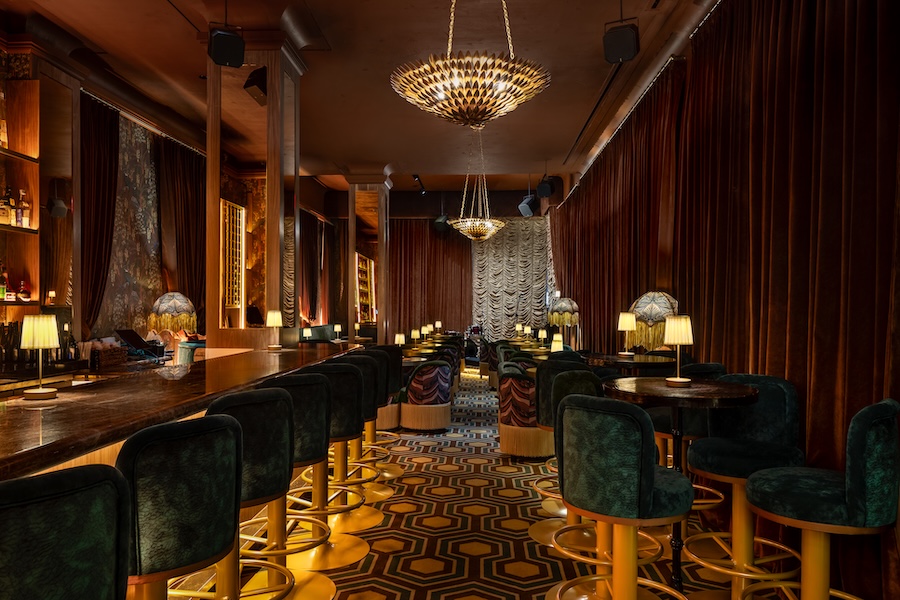
Acoustic considerations have been paramount in the redesign. Sound-absorbing drapery and carpeting have been integrated throughout the space. This not only ensures that the live music is experienced as warm and enveloping rather than overwhelming but also effectively manages sound bleed into the broader hotel lobby, maintaining a harmonious environment for all guests within The Refinery Hotel.
The ambiance is further defined by a warm, low-lit environment that evokes a sense of mystery and allure, reminiscent of a clandestine speakeasy. Singer elaborated on this sensory experience: "The experience is sensory and layered. These elements create a space that feels alive any time of day." This deliberate creation of a mood aims to make Winnie’s Jazz Club a destination that transcends specific performance times, offering a captivating atmosphere around the clock.
Singer further emphasized the transformative power of the design: "There is no doubt that everyone who passes by will want to peek behind the velvet curtain, and then be completely blown away by what they find hidden inside. Winnie’s should feel like stepping into a secret New York dream—part speakeasy, part modern lounge. A glamorous hidden gem you cannot believe you came across in this unassuming hotel lobby." This vision underscores the intention to create a destination that surprises and delights, offering an escape into a world of curated glamour and sophisticated entertainment.
The Genesis of Winnie’s: A Historical Context
The original Winnie’s café, established by Winifred T. McDonald, was a celebrated establishment in New York City during the Roaring Twenties. This era was characterized by significant cultural shifts, including the Jazz Age, the Prohibition, and a burgeoning spirit of artistic and social liberation. McDonald’s café was more than just a place to eat and drink; it was a hub for artists, intellectuals, and socialites, a sanctuary of conviviality and cultural exchange in a rapidly changing metropolis. The café’s legacy is intrinsically linked to the vibrant social scene of the 1920s, a period often romanticized for its bohemian flair and clandestine nightlife.
The decision by IGC Hospitality to revive Winnie’s Jazz Club is a strategic move to tap into this rich historical narrative. The Garment District, the hotel’s location, has its own deep history as a center of fashion and commerce, a district that has witnessed decades of New York City’s evolution. By situating the jazz club within The Refinery Hotel, itself a beautifully restored Beaux-Arts building that was once a 1910s hat factory, IGC Hospitality has created a cohesive thematic environment that celebrates the architectural heritage and the spirit of innovation that has defined New York City.
The choice of the name "Winnie’s" is not merely a historical nod; it is an invocation of a specific era and its associated cultural values. The 1920s were a time when jazz music rose to prominence, becoming the soundtrack to a generation that embraced modernity, challenged conventions, and sought new forms of entertainment. The Prohibition, while restricting alcohol sales, paradoxically fueled the rise of speakeasies and a clandestine nightlife, a culture that Winnie’s Jazz Club aims to evoke.
Strategic Vision and Market Positioning
The relaunch of Winnie’s Jazz Club represents a significant investment in the experiential hospitality sector. In a competitive New York City market, venues that offer a unique blend of ambiance, entertainment, and historical narrative often find a dedicated following. IGC Hospitality’s strategy appears to be centered on creating a destination that appeals to both tourists seeking an authentic New York experience and locals looking for a sophisticated night out.
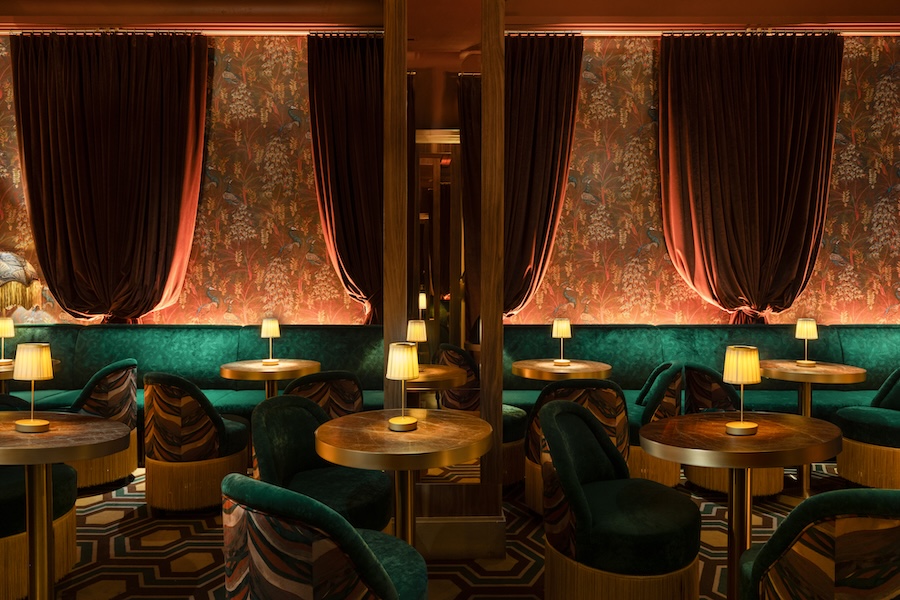
The intimate nature of the jazz club, coupled with its focus on live music and a carefully curated atmosphere, positions it as a premium entertainment venue. The enhanced acoustics and optimized seating suggest a commitment to delivering high-quality musical performances, a critical factor for jazz aficionados. The inclusion of a "bold New York edge" in its redesign indicates an understanding of the city’s contemporary tastes and a desire to avoid a purely nostalgic or static representation of the past.
The economic implications of such a venture are also noteworthy. Upscale entertainment venues like Winnie’s Jazz Club can contribute significantly to the local economy by attracting patrons who then patronize other businesses in the vicinity. The hotel itself benefits from the added amenity, enhancing its appeal and potentially driving room bookings. Furthermore, the creation of jobs in hospitality, entertainment, and related services is a direct economic benefit.
A Chronology of Revival
While the exact timeline for the original Winnie’s café is historical, the recent revival of Winnie’s Jazz Club can be traced through a series of strategic decisions and design phases.
- Conceptualization and Planning: Following IGC Hospitality’s acquisition or strategic decision to redevelop the space within The Refinery Hotel, the concept of reviving Winnie’s Jazz Club likely began with extensive market research and creative brainstorming. This phase would have involved identifying the potential for an intimate jazz venue and defining its unique selling proposition.
- Design Development: The collaboration with Garrett Singer Architecture + Design would have commenced, involving in-depth discussions about the historical context, desired ambiance, and functional requirements of the space. This would have included site analysis, conceptual renderings, and detailed architectural and interior design plans. The period between the initial concept and the final design could span several months to over a year, depending on the complexity.
- Construction and Renovation: Once designs were finalized, the physical transformation of the space would have begun. This phase involves the actual construction, renovation, and installation of all interior elements, including the stage, seating, lighting, and sound systems. This is typically the longest phase, often lasting several months, especially for a complex renovation that requires significant structural and aesthetic changes.
- Pre-Opening Preparations: As construction neared completion, the focus would shift to operational aspects. This includes hiring and training staff, developing a programming schedule for musical acts, establishing beverage and food menus (if applicable), and initiating marketing and public relations efforts.
- Grand Opening and Ongoing Operations: The unveiling of the revitalized Winnie’s Jazz Club marks the culmination of the project. The venue then enters its operational phase, continuously refining its offerings and engaging its audience.
The announcement of the "return" suggests a prior iteration or inspiration that has been meticulously reimagined, indicating a deliberate and phased approach to its reintroduction into the New York City nightlife scene.
Supporting Data and Industry Trends
The resurgence of intimate, high-quality entertainment venues in major cities like New York is a discernible trend. Data from the U.S. Bureau of Labor Statistics indicates a steady growth in the leisure and hospitality sector, with a particular emphasis on experiential dining and entertainment. Consumers are increasingly seeking out unique experiences that offer more than just a product or service; they are looking for memorable moments and immersive environments.
The success of similar venues that blend historical charm with modern amenities underscores the market’s appetite for such offerings. For example, the enduring popularity of speakeasy-style bars and jazz clubs in cities across the globe points to a consistent demand for this type of atmosphere. The global jazz market, while niche, is characterized by a dedicated audience willing to pay for authentic experiences. Reports from industry analytics firms often highlight that "destination venues" that offer a distinct narrative and curated atmosphere tend to outperform generic establishments.
The Refinery Hotel itself, by housing Winnie’s Jazz Club, leverages its unique architectural heritage. Hotels that successfully integrate distinctive amenities often see an increase in occupancy rates and guest satisfaction. The ability to offer guests a high-quality entertainment option on-site can significantly enhance the overall hotel experience and contribute to its brand identity.
Official Statements and Reactions
While the provided text includes direct quotes from Garrett Singer, the principal designer, reflecting the vision for Winnie’s Jazz Club, official statements from IGC Hospitality leadership would typically offer further insights into their strategic objectives and expectations. These statements often articulate the company’s commitment to preserving historical integrity while embracing innovation.
In a scenario where IGC Hospitality were to issue a formal press release, it might include statements from their CEO or Head of Operations, emphasizing:
- The strategic importance of Winnie’s Jazz Club to their portfolio and their commitment to the Garment District’s revitalization.
- Their dedication to providing exceptional guest experiences that are both authentic and contemporary.
- The anticipated economic and cultural impact of the venue on the local community.
The positive reception from the design community, as evidenced by the collaboration with a respected firm like GSAD, also suggests an alignment of vision and a shared commitment to quality. The involvement of such a firm typically signals a serious intent to create a high-caliber establishment.
Broader Impact and Implications
The reopening of Winnie’s Jazz Club has several broader implications for the hospitality and entertainment landscape in New York City:
- Cultural Preservation and Revitalization: The revival of a venue with historical ties contributes to the preservation of New York City’s rich cultural heritage. It offers a tangible link to the past, allowing new generations to experience the spirit of eras gone by. By infusing historical spaces with contemporary life, such projects prevent urban decay and foster a sense of continuity.
- Economic Stimulation: As mentioned, the venue contributes to the local economy through job creation, patronage of other businesses, and increased tourism. The Garment District, in particular, can benefit from renewed interest as a destination for culture and entertainment, potentially attracting further investment and development.
- Enhancing Urban Experience: Winnie’s Jazz Club adds to the diverse tapestry of New York City’s nightlife. Its unique offering provides an alternative to mainstream entertainment, catering to a discerning audience seeking sophistication, live music, and a sense of discovery. This enriches the overall urban experience for both residents and visitors.
- Benchmark for Future Developments: The success of Winnie’s Jazz Club could serve as a benchmark for future hospitality projects that aim to integrate historical elements with modern design and experiential offerings. It demonstrates that a thoughtful approach to heritage can be a powerful driver of commercial success and cultural relevance.
In conclusion, the reimagined Winnie’s Jazz Club at The Refinery Hotel is more than just a new venue; it is a carefully crafted narrative that weaves together history, design, and contemporary New York flair. It represents a commitment to creating authentic, memorable experiences in a city that constantly reinvents itself, solidifying its place as a sophisticated addition to the vibrant Garment District.


 Anjar Salim
 Chandra Hamzah
 Tatiana Tantri Indah Sari
 Budi Mulyono
 Lukman Taruna Persada Ramadan
