
 Cholid Fahmi Thalib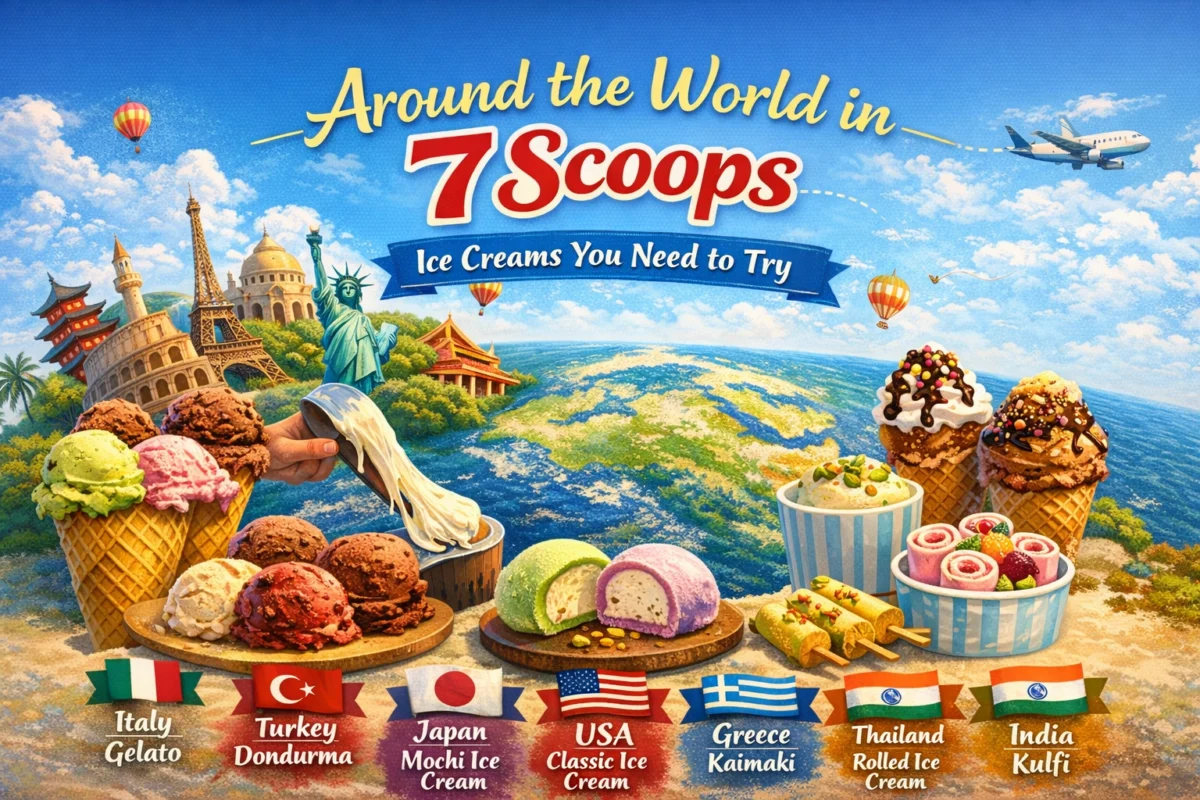
The universal appeal of ice cream transcends borders, offering a frozen canvas for cultural expression and culinary innovation. While the classic scoop of vanilla remains a beloved staple, a deeper dive into global traditions reveals a fascinating spectrum of textures, ingredients, and preparation methods that elevate this simple dessert into an art form. From the dense, milky richness of Italian gelato to the uniquely chewy consistency of Turkish dondurma, and the visually captivating rolls of Thai ice cream, the world offers an extraordinary array of frozen treats, each telling a story of its origin. This exploration delves into seven distinct ice cream traditions from around the globe, highlighting their unique characteristics and the cultural contexts that shape them.
The Art of Gelato: Italy’s Creamy Masterpiece
Italy, synonymous with culinary excellence, offers gelato, a frozen dessert that stands apart from conventional ice cream through its composition and serving temperature. Traditionally, gelato contains a higher proportion of milk to cream and fewer egg yolks, if any, compared to American-style ice cream. This lower fat content, typically ranging from 4-9% compared to 10% or more in ice cream, allows the primary flavors to shine with remarkable intensity. Furthermore, gelato is churned at a slower speed, incorporating less air, which results in a denser, smoother texture that melts luxuriously on the palate. Served at a slightly warmer temperature than ice cream (around 10-15°F warmer), gelato’s less frozen state enhances its velvety mouthfeel and amplifies the nuanced tastes of ingredients like fresh pistachios, rich dark chocolate, delicate stracciatella, and deep caramel.
The history of gelato can be traced back to the Renaissance, with figures like Bernardo Buontalenti often credited with early innovations. However, its widespread popularity solidified in the 20th century with the rise of dedicated gelaterias. The economic boom following World War II saw a surge in these establishments across Italy, making artisanal gelato accessible to the masses. Today, Italy boasts thousands of gelaterias, each competing with unique flavor creations and a commitment to using fresh, seasonal ingredients. The global influence of Italian gelato is undeniable, with its techniques and philosophy inspiring dessert makers worldwide.
Dondurma: Turkey’s Dramatic and Elastic Delight
Turkish dondurma offers a truly unique sensory experience, characterized by its remarkable elasticity and chewiness. This distinctive texture is achieved through the inclusion of two key ingredients: salep and mastic. Salep, a flour derived from the tubers of wild orchids found in Turkey and surrounding regions, is a traditional thickener. Its starch content provides the characteristic viscosity. Mastic, a resin harvested from the mastic tree (Pistacia lentiscus) native to the Greek island of Chios, but also found in certain parts of Turkey, adds a subtle, aromatic flavor and contributes to the ice cream’s pliability.
The preparation of dondurma is as much a performance as it is a culinary process. Vendors often engage in theatrical displays, stretching and folding the dondurma with long paddles, a practice that serves to both aerate and emulsify the mixture, further enhancing its unique texture. This interactive serving style, often accompanied by playful banter, has become an integral part of the dondurma experience, symbolizing Turkish hospitality and a spirit of festivity. The history of dondurma is deeply rooted in Ottoman culinary traditions, with variations enjoyed for centuries. The city of Maraş in southeastern Turkey is particularly renowned for its dondurma, and the tradition continues to be a source of regional pride. Globally, the novelty and distinctiveness of dondurma have garnered significant attention, with Turkish ice cream parlors appearing in cities worldwide.
Mochi Ice Cream: Japan’s Bite-Sized Perfection
Japanese mochi ice cream represents a harmonious fusion of traditional confectionary artistry and modern dessert innovation. Mochi, a pounded glutinous rice cake, forms a soft, slightly sweet, and wonderfully chewy outer shell that encases a core of ice cream. The contrast in textures—the yielding mochi against the cold, creamy ice cream—is a defining characteristic of this popular treat.
The creation of mochi itself is a time-honored Japanese practice, often associated with celebrations and festivals, particularly during the New Year (Oshogatsu). The process involves steaming glutinous rice and then pounding it into a smooth, elastic dough. For mochi ice cream, this dough is carefully shaped around a frozen scoop of ice cream, often in small, individual portions.
Japanese cuisine is celebrated for its emphasis on precision, balance, and the appreciation of subtle flavors and textures. Mochi ice cream embodies these principles. While classic ice cream flavors are available, unique Japanese-inspired varieties like matcha green tea, sweet red bean (anko), and black sesame are particularly noteworthy. These flavors leverage indigenous ingredients and culinary preferences, offering a distinctly Japanese taste profile. Although mochi ice cream has achieved global recognition and can be found in many international markets, experiencing it made fresh in Japan, where the art of mochi-making is deeply ingrained, provides an unparalleled authentic encounter.
Classic American Ice Cream: A Celebration of Indulgence
American ice cream is often characterized by its richness, creamy texture, and a culture that embraces a vast array of flavors and mix-ins. Typically made with a higher butterfat content (often exceeding 10%) and incorporating a significant amount of egg yolks, American ice cream is known for its luxurious mouthfeel and substantial density. The churning process, often at higher speeds than that used for gelato, incorporates more air, resulting in a lighter, yet still decadent, product.
The history of ice cream in America dates back to the colonial era, with early adopters including prominent figures like George Washington and Thomas Jefferson. However, it was the innovations of the late 19th and 20th centuries that truly democratized and diversified ice cream consumption. The invention of the ice cream cone at the 1904 World’s Fair in St. Louis, the widespread availability of refrigeration, and the rise of large-scale production companies like Breyers and later Ben & Jerry’s and Häagen-Dazs, transformed ice cream into an accessible and beloved treat for millions.
The American ice cream landscape is defined by its spirit of innovation and indulgence. From the nostalgic charm of soft-serve swirls at roadside stands to the artisanal creations featuring locally sourced ingredients and elaborate inclusions like cookie dough, brownie chunks, and gourmet sauces, the options are seemingly endless. Brands like Lapp Valley Creamery in Pennsylvania, known for its commitment to farm-fresh dairy and creative flavor combinations, exemplify the dedication to quality and unique taste experiences. The sheer variety available reflects a cultural embrace of comfort, celebration, and the pursuit of sweet satisfaction.
Kaimaki: Greece’s Mastic-Infused Ancient Treat
Kaimaki ice cream stands as a testament to Greece’s rich culinary heritage, offering a flavor profile distinctively its own, primarily due to its signature ingredient: mastic. This aromatic resin, harvested from the mastic tree (Pistacia lentiscus) that grows exclusively on the Greek island of Chios, imparts a unique taste that is subtly floral, slightly resinous, and wonderfully refreshing. The mastic lends kaimaki a complex aromatic quality that sets it apart from any other frozen dessert.
Beyond its unique flavor, kaimaki boasts a dense, smooth, and velvety texture, achieved through traditional preparation methods that emphasize slow churning and careful ingredient integration. It is often served unadorned, allowing the pure flavor of mastic to dominate, or sometimes garnished with finely chopped pistachios, which complement its subtle sweetness and add a textural contrast.
The tradition of using mastic in food and drink in Greece dates back centuries, with its therapeutic properties also being recognized historically. Kaimaki, as a frozen dessert, is not a recent trend but rather a deeply ingrained part of Greek culinary history, passed down through generations. Its enduring popularity speaks to its timeless appeal and its ability to encapsulate a taste of Greek heritage in every spoonful. Experiencing kaimaki is akin to tasting a piece of Greece’s ancient past, a connection to the island of Chios and its unique botanical bounty.
Rolled Ice Cream: Thailand’s Performance Art Dessert
In Thailand, the preparation of ice cream often transforms into an engaging visual spectacle, epitomized by the popular "rolled ice cream" or "stir-fried ice cream." This method begins with a sweet, liquid base, typically milk- or cream-based, poured onto an extremely cold, flat metal surface. Fresh ingredients, such as chopped fruits, nuts, cookies, or candies, are then introduced and meticulously chopped and mixed into the liquid. As the mixture freezes rapidly on the super-cooled surface, it is then scraped into thin, delicate rolls, which are artfully arranged in a cup.
The appeal of rolled ice cream lies not only in its delightful presentation but also in its absolute freshness. Each serving is made to order, ensuring the highest quality ingredients and a vibrant flavor. The resulting texture is exceptionally smooth and light, a refreshing departure from denser ice creams. Originating on the bustling streets of Bangkok, this innovative dessert has rapidly gained international acclaim, captivating consumers with its interactive creation process and its refreshing, customizable nature. Its widespread adoption globally highlights the universal fascination with visually appealing and freshly prepared culinary experiences.
Kulfi: India’s Slow-Simmered, Flavor-Intense Classic
Indian kulfi offers a distinctly different approach to frozen desserts, characterized by its slow, deliberate preparation and intense, concentrated flavors. Unlike Western ice creams that rely on rapid churning to incorporate air and achieve a light texture, kulfi is traditionally made by slowly simmering milk for hours, reducing it to a rich, creamy consistency. This painstaking process caramelizes the milk sugars, imparting a natural sweetness and a depth of flavor that forms the foundation for its characteristic taste.
Once the milk has been sufficiently reduced, aromatic spices and flavorings are incorporated. Common additions include cardamom, saffron, rosewater, and pistachios, each contributing a distinct and beloved profile to the kulfi. This slow reduction and infusion process results in a dense, almost solid frozen treat that melts significantly slower than traditional ice cream.
Kulfi is typically molded into conical or cylindrical shapes, often served on a stick, making it a convenient and portable dessert. Its dense structure means that each bite is packed with concentrated flavor. While its origins are ancient, kulfi remains a cherished dessert across India and in Indian communities worldwide, representing a culinary tradition that values patience, rich flavors, and time-honored techniques. The slow simmering process is a hallmark of Indian cuisine, reflecting a philosophy of extracting the maximum flavor from ingredients through careful and extended cooking.
The Broader Impact and Implications
The diverse array of ice cream traditions across the globe underscores the dessert’s remarkable adaptability and its capacity to reflect local ingredients, culinary philosophies, and cultural values. From the artisanal dedication evident in Italian gelato to the theatrical flair of Turkish dondurma, the precise artistry of Japanese mochi, the indulgent spirit of American ice cream, the ancient aromatics of Greek kaimaki, the street-side performance of Thai rolled ice cream, and the patiently developed richness of Indian kulfi, each offers a unique window into the societies from which they emerge.
The increasing globalization of food culture has led to a greater appreciation and accessibility of these diverse frozen delights. As international travel becomes more common and culinary trends spread rapidly through digital platforms, consumers are increasingly exposed to and eager to experience these global variations. This cross-cultural exchange not only enriches the culinary landscape but also fosters a greater understanding and appreciation for the food traditions of different nations.
The economic implications are also significant, with artisanal ice cream businesses, both large and small, finding success by offering unique, culturally inspired products. Furthermore, the tourism industry often benefits, as travelers seek out authentic local culinary experiences, with unique ice cream shops becoming destinations in their own right. The continued evolution and popularization of these global ice cream traditions suggest a future where the humble ice cream cone will continue to be a canvas for endless creativity and a delicious ambassador of global culture.


 Anjar Salim
 Dwi Wanna
 Budi Mulyono
 Lukman Taruna Persada Ramadan
 Chandra Hamzah
 Gabriela Annisa