
 Anjar Salim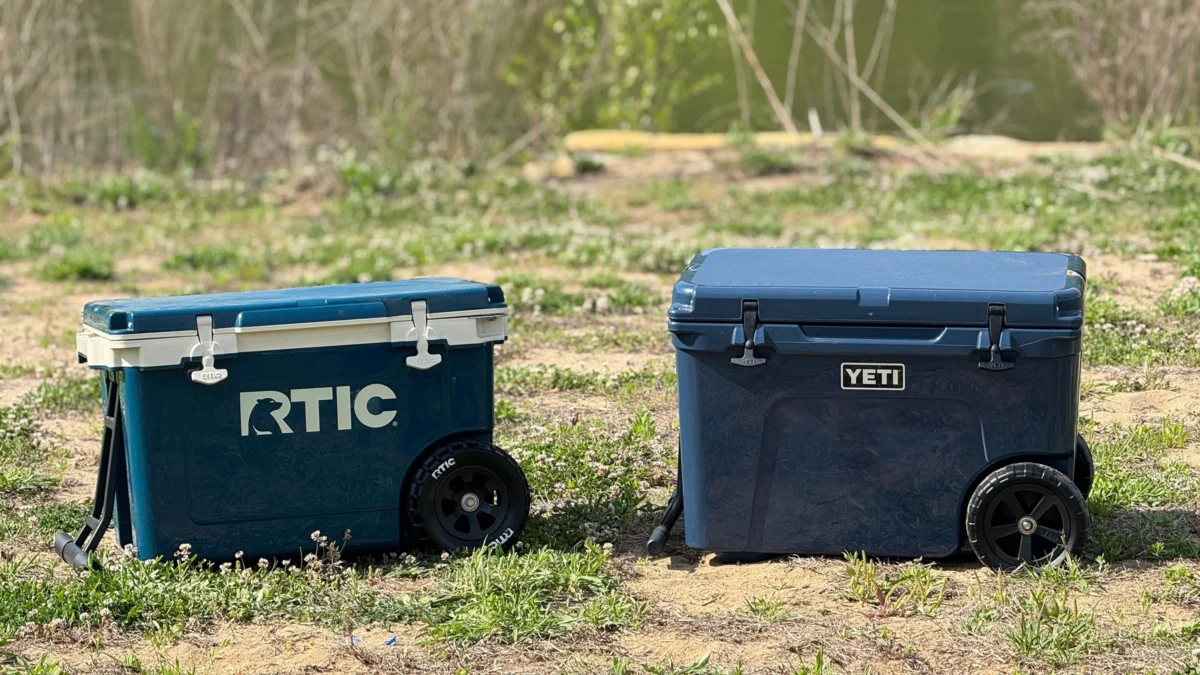
The landscape of outdoor recreation equipment underwent a seismic shift in 2006 when Yeti introduced the Tundra, the first rotomolded cooler designed to withstand both the elements and the appetite of grizzly bears. Before this innovation, the consumer market was dominated by thin-walled, disposable plastic containers that struggled to maintain ice for more than twenty-four hours. Fast forward two decades, and the "super cooler" category is a multi-billion dollar industry. Yeti remains the undisputed market leader, often commanding prices in excess of $400, but a surge of competitors has emerged to challenge that dominance. Chief among them is RTIC, a brand that has built its reputation by offering high-performance gear at a fraction of the cost of the industry standard.
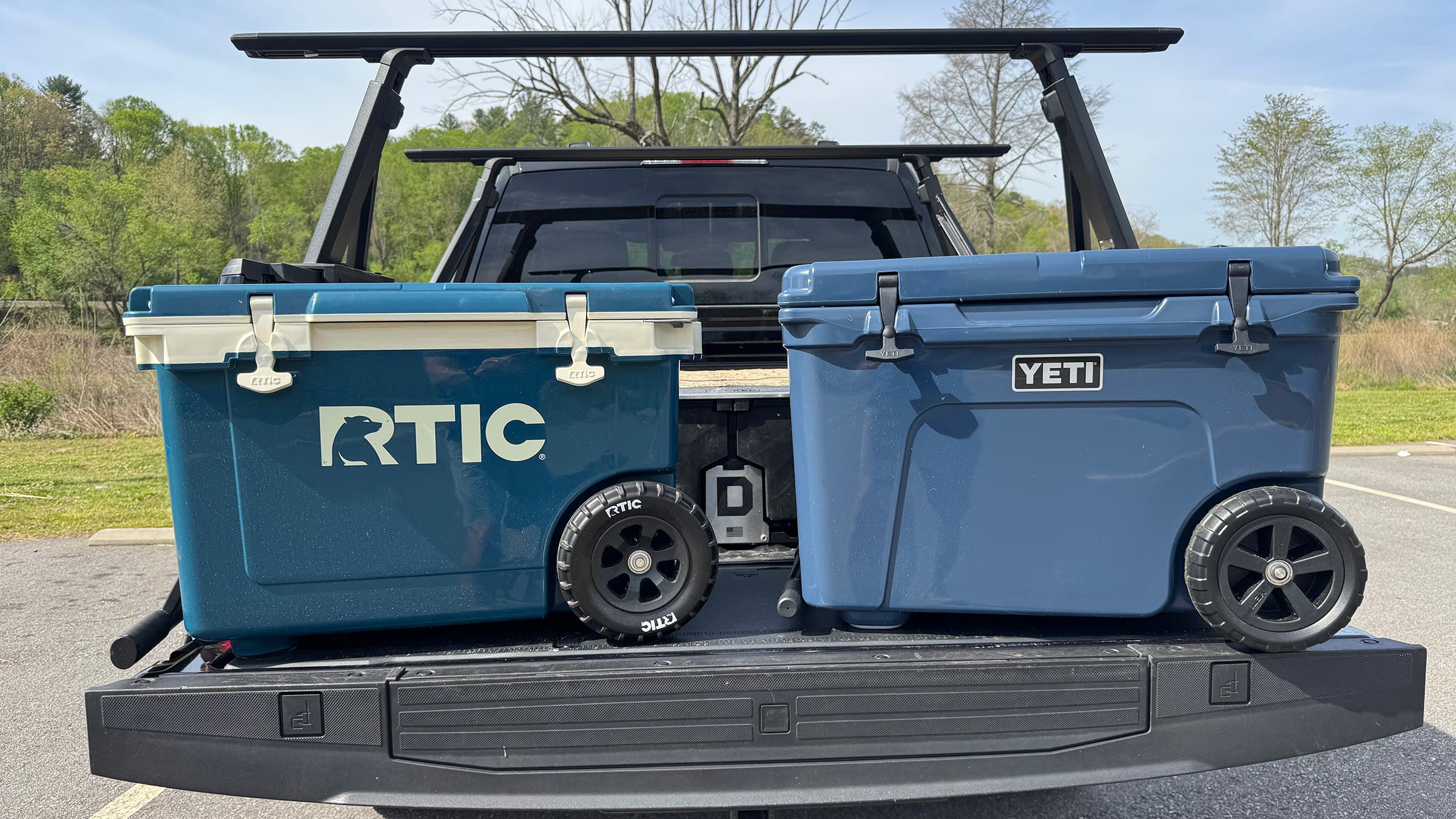
In a comprehensive six-week evaluation, the Yeti Tundra Haul and the RTIC 52-Quart Wheeled Ultra Light—two flagship wheeled models—were pitted against one another to determine which offers the superior combination of thermal efficiency, durability, and user-centric features. The results reveal a complex trade-off between absolute performance and pragmatic design.
The Evolution of the High-Performance Cooler Market
The rivalry between Yeti and RTIC is one of the most storied in the outdoor industry. Founded by brothers Roy and Ryan Seiders, Yeti focused on the "over-engineered" philosophy, targeting serious anglers and hunters. RTIC entered the market later with a direct-to-consumer model, famously promising "half the price" of Yeti. This aggressive positioning led to a 2017 legal settlement regarding patent and trademark disputes, after which RTIC redesigned its product line.
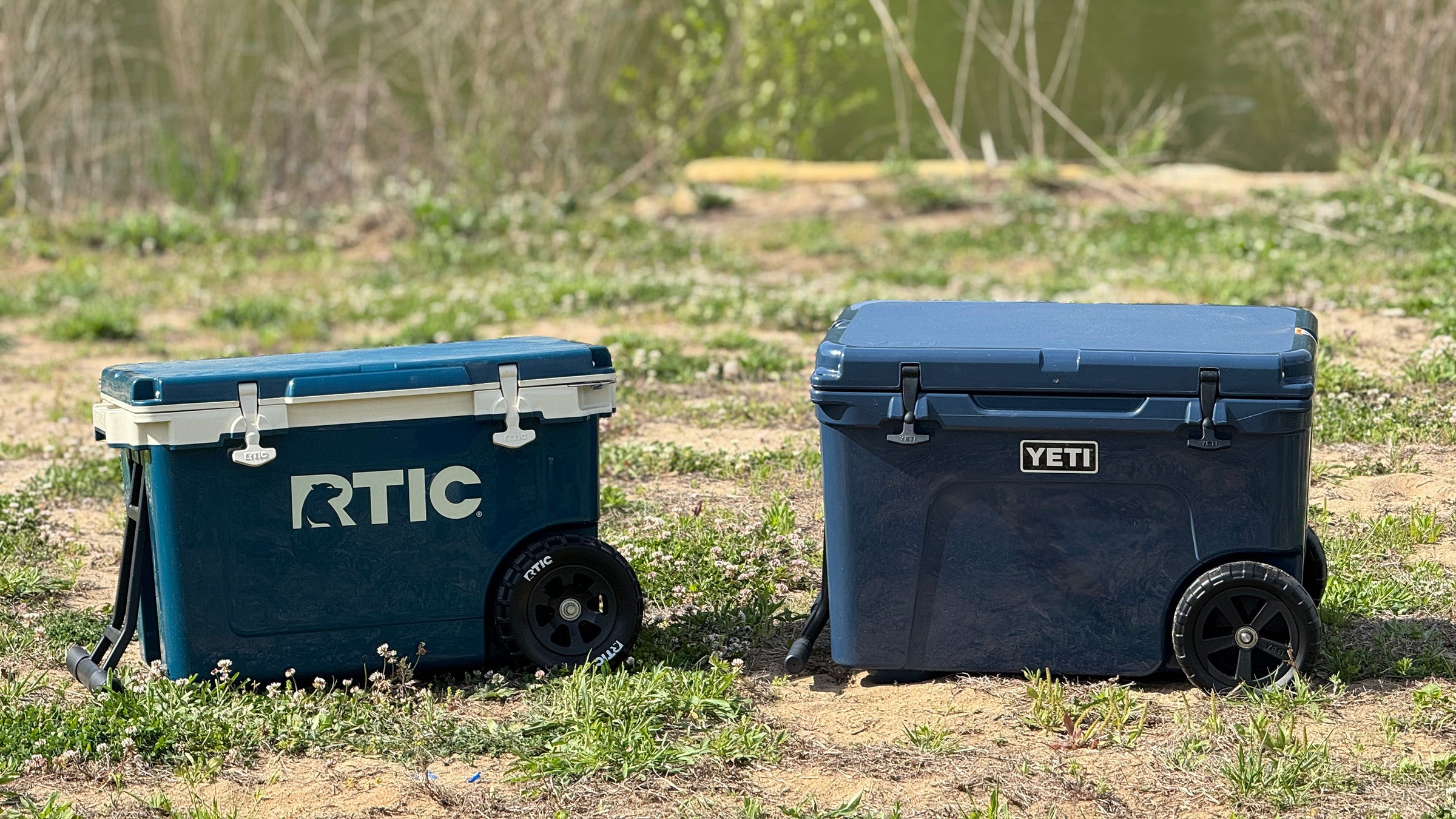
The current competition centers on the "wheeled" category. As rotomolded coolers grew in size and insulation thickness, their empty weight became a significant barrier to portability. A fully loaded 50-quart cooler can easily exceed 100 pounds, making wheels a necessity rather than a luxury. This analysis examines how both brands have integrated mobility into their heavy-duty cooling solutions.
Technical Specifications and Ergonomic Features
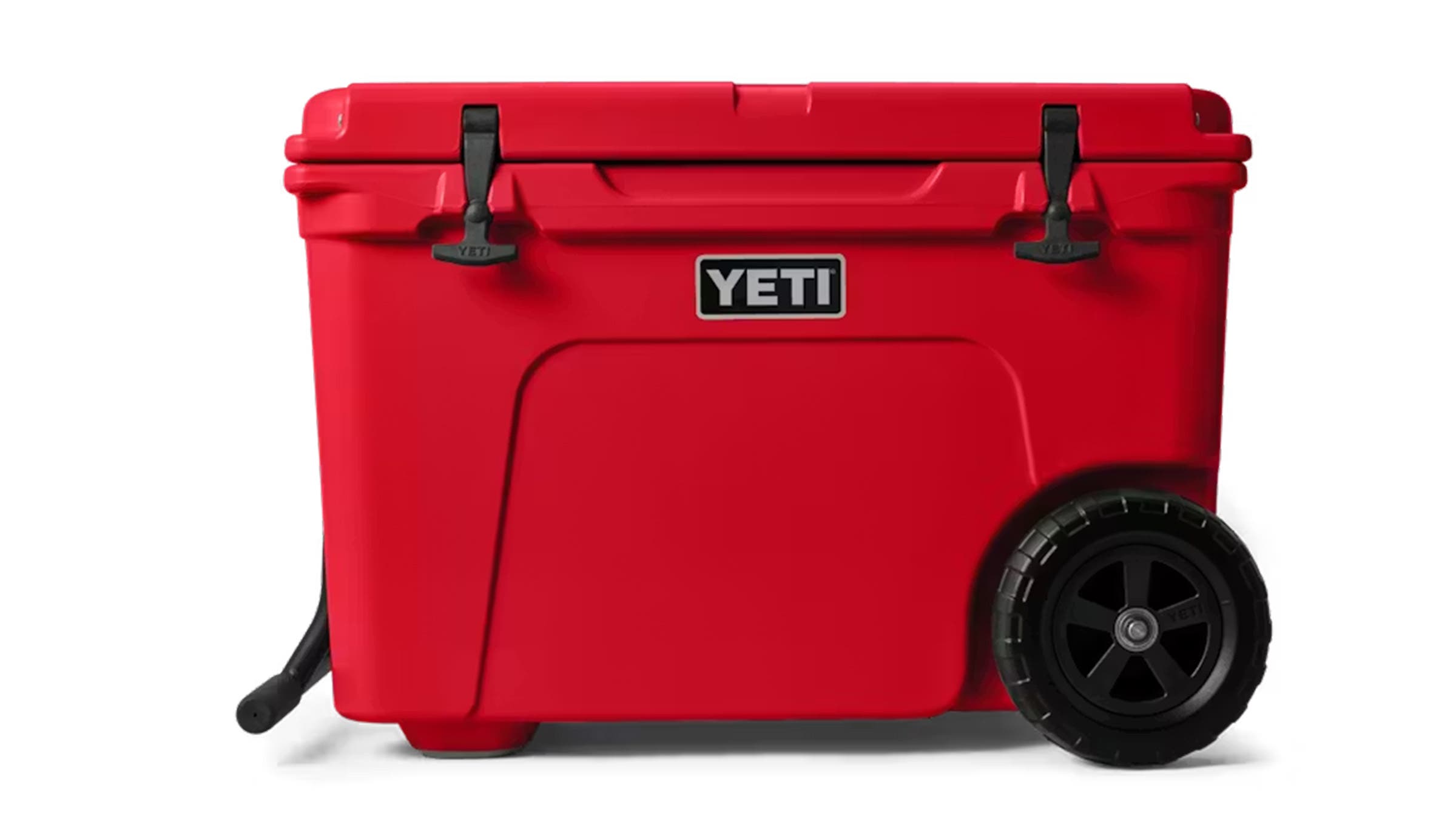
While both coolers are designed for high-capacity cooling, their construction philosophies differ significantly. The Yeti Tundra Haul utilizes traditional rotomolding, a process that ensures uniform wall thickness and extreme durability. The RTIC 52-Quart Wheeled Ultra Light, however, leverages newer manufacturing techniques to reduce weight without completely sacrificing the structural integrity associated with the brand.
Portability and Weight
The RTIC cooler is approximately 7.5 pounds lighter than the Yeti Tundra Haul. In a journalistic field test, this difference proved negligible when the coolers were being rolled across flat pavement, but it became a primary factor during loading and unloading from vehicle beds. For a single user, the RTIC offers a noticeable advantage in maneuverability.
Both units feature impact-resistant wheels and robust handle systems. During testing on varied terrain—including gravel paths, wooden steps, and packed dirt trails—both coolers performed reliably. Neither wheel system showed signs of failure or excessive "wobble," a common issue in lower-tier budget coolers.
User-Centric Design
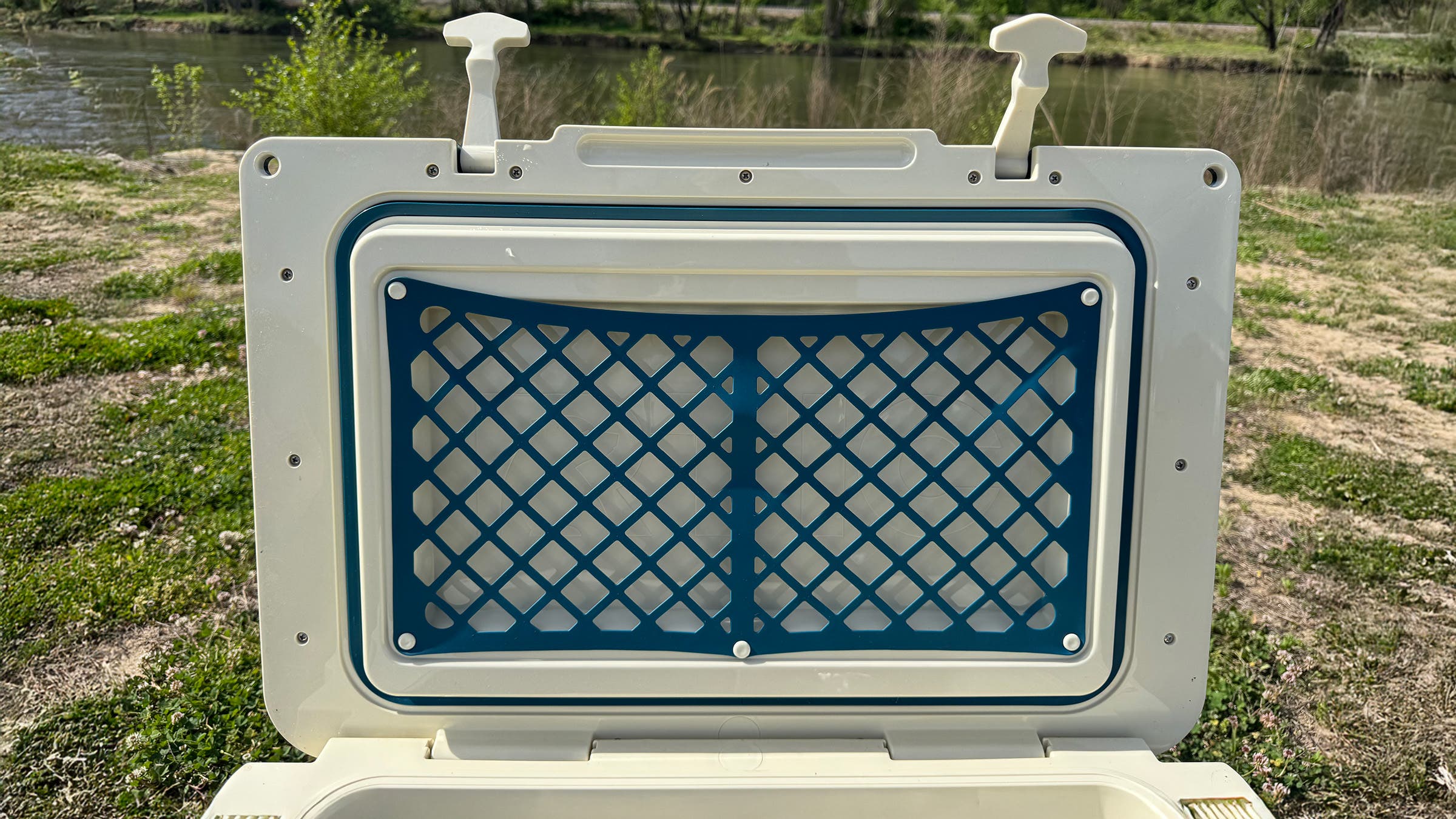
RTIC secured a definitive victory in the category of integrated features. The brand’s designers addressed several common "pain points" for outdoor enthusiasts:
- The Cargo Net: A silicone net attached to the interior of the lid allows users to store dry goods, such as sandwiches or electronics, away from the ice and meltwater.
- Tethered Drain Plug: Unlike the Yeti, which features a standard screw-off plug that can be easily misplaced, the RTIC plug is tethered to the body of the cooler.
- Built-in Bottle Opener: A small but significant addition for those who forget to pack handheld tools.
Conversely, Yeti maintains a "less is more" approach, focusing on the perfection of its core components. The Yeti’s "NeverFlat" wheels and "StrongArm" handle are built for longevity, though they lack the supplemental bells and whistles found on the RTIC.
Thermal Performance: The Outside Lab Data
To move beyond anecdotal evidence, both coolers were subjected to rigorous testing at the "Outside Lab." Two distinct experiments were conducted to measure ice retention and internal temperature stability.
Experiment 1: Controlled Lab Conditions
In the first test, both coolers were pre-chilled for 24 hours using ice blocks to lower the internal temperature of the insulation—a manufacturer-recommended "best practice." After pre-chilling, 16 pounds of fresh ice were added to each, and the coolers were stored in a dark, climate-controlled room (68–72°F) for 96 hours.
The results showed a narrow but clear victory for Yeti. After four days, the Yeti Tundra Haul retained 2% of its ice, while the RTIC’s ice had completely liquefied. While 2% appears marginal, it indicates that the Yeti stayed below the critical "melting point" longer than its competitor.
Experiment 2: Accelerated Real-World Use
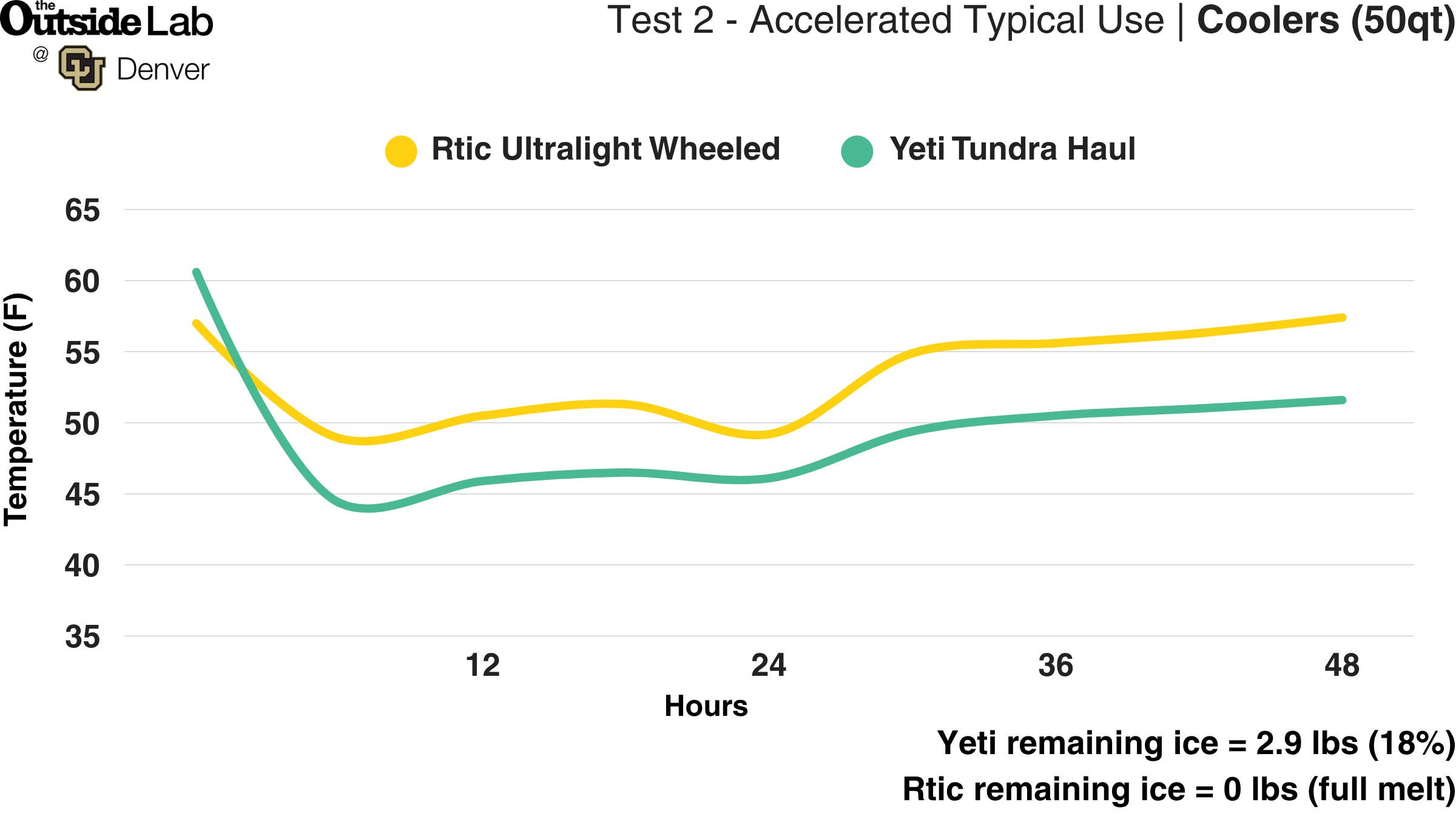
The second test simulated "worst-case" scenarios: no pre-chilling and constant heat exposure. The coolers were filled with ice at room temperature and placed under heat lamps and near space heaters, maintaining a surface temperature of 85–95°F to simulate direct summer sun.
Under these grueling conditions, the performance gap widened. After 96 hours:
- Yeti Tundra Haul: Retained 18% of its ice.
- RTIC 52-Quart Wheeled Ultra Light: 0% ice remaining.
Internal air temperature sensors, placed halfway between the ice and the lid, revealed that the Yeti stayed approximately 5 degrees Fahrenheit cooler than the RTIC throughout the duration of the test. This suggests that Yeti’s insulation density and gasket seal provide a more effective thermal barrier against external heat transfer.
Durability and Stability Analysis
A cooler’s primary job is to stay cold, but its secondary job is to serve as a reliable piece of furniture or equipment in a mobile environment. During transport on winding mountain roads, the Yeti Tundra Haul demonstrated superior stability. Its "BearFoot" non-slip feet lived up to their marketing, keeping the unit stationary in the back of a pickup truck. The RTIC, despite having similar rubberized feet, exhibited more sliding during sharp turns and sudden stops.
From a structural standpoint, the Yeti’s rotomolded shell feels more substantial. Rotomolding involves spinning a heated mold so that the plastic adheres evenly to all walls, creating a seamless, stress-free part. RTIC’s "Ultra Light" construction is a proprietary alternative that achieves weight savings, but it may not offer the same level of long-term "bombproof" durability that has made Yeti a favorite among professional guides and outfitters.
Economic Implications and Consumer Choice
The decision between these two products often comes down to the frequency and intensity of use.
- The Yeti Tundra Haul is positioned as a long-term investment. At a higher price point, it offers the best possible ice retention currently available in a wheeled format. It is the preferred choice for multi-day backcountry trips or professional use where food safety is paramount and ice replenishment is impossible.
- The RTIC 52-Quart Wheeled Ultra Light is the pragmatic choice for the "weekend warrior." It provides sufficient cooling for 48-to-72-hour trips, is easier to lift, and includes features that enhance the user experience at a lower cost.
Industry analysts note that the success of RTIC has forced premium brands like Yeti to continue innovating, while Yeti’s high-profit margins have allowed them to invest heavily in brand lifestyle marketing that RTIC cannot match.
Broader Impact on the Outdoor Gear Industry
The competition between Yeti and RTIC reflects a broader trend in the outdoor industry: the democratization of high-performance gear. As manufacturing techniques like rotomolding and advanced foam injection become more accessible, the "performance gap" between luxury brands and value brands is shrinking.
Furthermore, the rise of high-end coolers has had a positive environmental impact. By moving away from cheap, fragile coolers that end up in landfills after a single season, consumers are shifting toward "buy it for life" products. Both the Yeti and the RTIC are designed to last for decades, reducing the cycle of consumption and waste.
Conclusion: Selecting the Right Tool for the Environment
The data from both field testing and the Outside Lab confirms that the Yeti Tundra Haul remains the gold standard for thermal insulation. For those who prioritize ice retention above all else—particularly in high-heat environments—the Yeti justifies its premium price.
However, for the majority of consumers, the RTIC 52-Quart Wheeled Ultra Light represents a more balanced value proposition. Its lighter weight, thoughtful internal organization (the cargo net), and significantly lower price point make it a formidable competitor. While it may lose the "ice race" by several hours or a few degrees, its performance is more than adequate for most camping, tailgating, and beach-going scenarios. In the battle of the wheeled coolers, the winner ultimately depends on whether the user values the "best" performance or the "best" experience.




 Chandra Hamzah
 Tatiana Tantri Indah Sari
 Budi Mulyono

