
 Susilo Edi Turonggo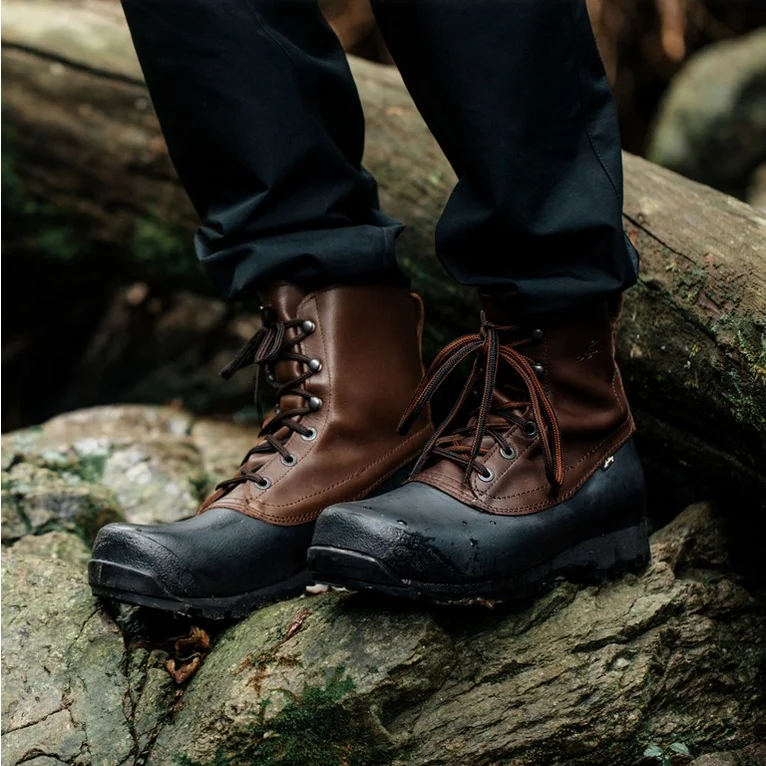
As winter approaches, the demand for robust footwear capable of withstanding snow, slush, and harsh conditions intensifies. However, a critical environmental and public health concern underpins the very materials designed to offer this protection: the widespread use of per- and polyfluoroalkyl substances (PFAS). These "forever chemicals," integral to many waterproof finishes in outdoor gear, pose significant risks to both ecological systems and human health, necessitating a shift towards truly sustainable and non-toxic winter boot alternatives. This article explores the dangers of PFAS, outlines the criteria for genuinely sustainable footwear, and highlights brands leading the charge in offering responsible choices.
The Persistent Threat of "Forever Chemicals": Understanding PFAS
Per- and polyfluoroalkyl substances (PFAS), often encountered by consumers as Durable Water Repellent (DWR) finishes, represent a family of over 9,000 synthetic chemicals. Their unique molecular structure, featuring extremely strong carbon-fluorine bonds, grants them exceptional resistance to water, oil, stains, and heat. This makes them highly effective for applications ranging from non-stick cookware and food packaging to firefighting foams and, critically, weather-resistant textiles and footwear. In the fashion industry, particularly for outdoor, ski, and snowboard gear, PFAS-based DWR coatings have been the gold standard for imparting waterproof and breathable properties without compromising fabric performance. Snow-proof winter boots, by their very nature, have historically relied heavily on these chemicals to ensure maximum protection against moisture.
The gravest concern with PFAS stems from their environmental persistence. Once released into the environment—whether through manufacturing waste, the shedding of microscopic particles from consumer products, or disposal—they do not readily break down. This characteristic earned them the moniker "forever chemicals" from scientists. Research indicates that these substances can remain intact for hundreds, if not thousands, of years, accumulating in soil, water bodies, and eventually contaminating drinking water sources across the globe. A U.S. Geological Survey (USGS) study in 2023, for instance, detected PFAS in nearly half of the nation’s tap water, underscoring the pervasive nature of this contamination.
Beyond environmental degradation, PFAS exposure is linked to a growing list of adverse health effects in humans and animals. The U.S. Environmental Protection Agency (EPA) and the Agency for Toxic Substances and Disease Registry (ATSDR) have documented potential health risks associated with PFAS, including increased cholesterol levels, changes in liver enzymes, decreased vaccine response in children, increased risk of certain cancers (e.g., kidney and testicular cancer), reproductive and developmental problems, and disruptions to the immune and endocrine systems. Critically, PFAS can migrate from products into homes, contributing to indoor air pollution and direct human exposure. Given these widespread implications, the imperative to eliminate PFAS from consumer products, especially those with high potential for environmental release like outdoor footwear, has become undeniable. Unless a brand explicitly states its waterproofing finish is PFAS-free, PFC-free, or free of fluorinated chemicals, consumers should assume the presence of these problematic substances.
A Chronology of Awakening: The Shift Away from PFAS
The journey towards a PFAS-free future in the outdoor industry has been a gradual but accelerating one, driven by scientific discovery, advocacy, and increasing consumer awareness.
- Early 2000s: Initial concerns about perfluorooctanoic acid (PFOA), a specific type of PFAS, began to emerge, leading to voluntary phase-outs by some manufacturers.
- Mid-2010s: The broader category of "PFCs" (perfluorinated chemicals), a subset of PFAS, became a focal point. Environmental groups like Greenpeace launched campaigns highlighting the pervasive use of these chemicals in outdoor apparel, putting pressure on major brands.
- Late 2010s: As the scientific understanding of PFAS’s persistence and toxicity expanded to encompass a wider range of compounds, the industry began to differentiate between "long-chain" and "short-chain" PFAS, with some brands transitioning to the latter, believing them to be less harmful. However, subsequent research indicated that short-chain PFAS also posed significant environmental and health risks, leading to calls for a complete phase-out of all fluorinated chemicals.
- Early 2020s: Regulatory bodies worldwide intensified scrutiny. The European Union has proposed comprehensive bans on PFAS, and several U.S. states have enacted or are considering legislation to restrict their use in various products, including textiles. This regulatory pressure, combined with growing consumer demand for safer products, has spurred many brands to invest heavily in developing and adopting PFAS-free waterproofing technologies. Pioneers like Keen publicly shared their transition process, setting a precedent and offering a roadmap for competitors. This period marks a critical turning point where PFAS-free became a tangible and achievable industry standard rather than a niche aspiration.
Defining True Sustainability: Criteria for PFAS-Free Winter Boots
Beyond the crucial absence of PFAS, a truly sustainable winter boot encompasses a holistic approach to design, manufacturing, and lifecycle. Consumers seeking responsible footwear should evaluate brands against a comprehensive set of criteria:
Safe & Sustainable Materials
The foundation of a sustainable boot lies in its constituent materials. For waterproofing, alternatives to PFAS include durable water-repellent (DWR) treatments based on silicone or wax, as well as innovative membrane technologies that achieve water resistance through physical structures rather than chemical coatings.
- Naturally Water-Resistant Options: Leather, when properly treated and sourced, offers inherent water resistance. However, not all leather is created equal. The Leather Working Group (LWG) certification is paramount, indicating that tanneries adhere to strict environmental performance standards, including responsible water and energy use, and chemical management.
- Recycled and Bio-based Materials: For synthetic components, certifications like the Global Recycled Standard (GRS) verify the recycled content of materials (e.g., polyester, nylon), ensuring they genuinely divert waste from landfills. The emergence of bio-based synthetics, derived from renewable resources like corn or castor beans, also offers a promising avenue, reducing reliance on fossil fuels.
- Chemical Management: Beyond PFAS, brands committed to sustainability should adhere to a Restricted Substances List (RSL) and seek certifications like bluesign®. Bluesign is a holistic system that ensures chemicals, processes, materials, and products are safe for the environment, workers, and consumers throughout the entire supply chain, representing a high standard for chemical management in textile production.
Transparent Supply Chain
Ethical and environmental responsibility extends far beyond the final product. A truly sustainable brand must demonstrate complete awareness and control over its supply chain, from the origin of raw materials to the finished boot.
- Traceability: Brands should be able to trace materials back to their source, ensuring ethical sourcing practices (e.g., no child labor, fair wages, animal welfare).
- Factory Audits and Codes of Conduct: Partnerships with organizations like the Fair Wear Foundation (FWF) signify a commitment to improving labor conditions in garment factories through regular audits, complaint handling, and training programs. Brands should also publish their factory locations and uphold a robust code of conduct that all suppliers must adhere to, covering labor rights, health and safety, and environmental standards. Transparency in reporting these practices builds trust and allows for accountability.
After-Market Repair & Longevity
The most sustainable product is often the one that lasts the longest. Longevity, coupled with the ability to repair, drastically reduces consumption and waste.
- Design for Durability: Sustainable boots are intentionally designed for resilience, using high-quality components and construction methods that can withstand years of use.
- Repair Services: Brands dedicated to circularity often offer in-house repair services, partner with third-party repair networks, or provide detailed guides and replacement parts (e.g., laces, insoles, outsoles) to empower customers to extend the life of their footwear. This commitment not only minimizes environmental impact but also fosters a deeper connection between the consumer and the product.
- Take-Back Programs: Some forward-thinking brands are also exploring take-back or recycling programs for end-of-life products, closing the loop on material usage.
Leading the Charge: Innovators in PFAS-Free Winter Footwear
A growing number of brands are responding to the imperative for sustainable and PFAS-free winter boots, integrating advanced materials and ethical practices into their core operations.
1. Keen
Keen stands out as a trailblazer, being one of the first outdoor brands to completely eliminate PFAS from its products and publicly share its journey. This commitment is underpinned by a proprietary PFAS-free Durable Water Repellent (DWR) technology, demonstrating that high performance can be achieved without harmful chemicals. Keen sources leather exclusively from LWG-certified tanneries, ensuring responsible processing. The brand’s dedication to ethical manufacturing is reflected in its strategy of producing at least one in three pairs in its own factories, allowing for stringent control over labor and environmental standards. Regular audits of Tier 1 and Tier 2 suppliers further reinforce adherence to its comprehensive code of conduct. Keen offers a diverse range, from stylish casual boots to heavy-duty options, all engineered for comfort and durability.
- Price Range: $115-$250
- Availability: Primarily U.S., with select products shipping to China, Australia, and most European and Asian countries via partner dealers.
2. Jack Wolfskin
This German outdoor specialist has built a reputation for innovative, earth-conscious gear designed for longevity. Jack Wolfskin’s winter boots feature its custom Texapore technology, a water and wind-proof membrane that is entirely PFAS-free. The brand exemplifies supply chain transparency by openly listing all its partners, who are universally bluesign-approved or certified as not using hazardous substances. To ensure safe and fair working conditions, Jack Wolfskin regularly dispatches independent inspectors to its facilities, reinforcing its commitment to ethical production.
- Price Range: $120-$230
- Availability: Most European Countries.
3. Lundhags
Hailing from Sweden with a heritage dating back to 1932, Lundhags specializes in high-quality leather boots renowned for their robust construction and repairability. The brand crafts its boots in Europe, utilizing materials from a German tannery to maintain a compact and traceable supply chain. Lundhags offers shell, one-layer, and three-layer boot designs, catering to various outdoor needs. Crucially, the brand champions product longevity through its dedicated after-market repair shop, encouraging customers to extend the lifespan of their gear. Factory working conditions are rigorously regulated under the Brav code of conduct, ensuring ethical manufacturing practices.
- Price Range: $217-$597
- Availability: Most European countries.
4. Vaude
Vaude, another German brand, is recognized for its comprehensive approach to sustainability. Its winter boots incorporate a water and wind-proof membrane made from PFAS-free recycled polyester. Leather uppers are locally sourced from a German tannery, minimizing transportation emissions and supporting regional economies. Vaude sets a high bar for transparency, allowing customers to view the manufacturing location for each product directly on its product page. The brand strongly supports product longevity, offering affordable replacement parts and comprehensive full-service repair options, aligning with circular economy principles.
- Price Range: $200-$263
- Availability: Canada and most European countries. (Not available in the U.S.)
5. Forsake
Forsake offers a range of waterproof boots, including sneaker-boot hybrids and heeled hiking boots, all crafted with LWG-certified leather. The brand operates under a parent group that enforces a strict code of conduct for all suppliers, backed by regular audits to ensure compliance. This commitment aims to uphold ethical labor and environmental standards throughout its manufacturing processes. While Forsake demonstrates strong commitments in key areas, consumers should note that the sourcing details for internal components like memory foam insoles are not always clearly specified, prompting further inquiry for complete transparency.
- Price Range: $145-$160
- Availability: The U.S.
6. EcoAlf
EcoAlf, a certified B-Corp, is a pioneer in sustainable fashion, focusing on creating products from recycled materials. Its vegan, PFAS-free boots are constructed using GRS-certified recycled polyester and a blend of new and recycled rubber for the soles. The brand actively tracks its supply chain down to Tier 3, providing a good level of insight into its production process. However, while material sourcing is heavily focused on recycling, specific details regarding the origin and processing of all raw materials beyond their recycled status could offer even greater transparency for discerning consumers.
- Price Range: $145-$299
- Availability: The U.S., most South American countries, most European countries, and most Asian countries.
7. Will’s Vegan Store
Will’s Vegan Store champions ethical vegan footwear, with products manufactured in Italy and Portugal. The brand utilizes innovative bio-based leathers and recycled polyester insulation, moving beyond traditional petroleum-based synthetics where possible. Will’s Vegan Store prides itself on tracing every step of its production process to guarantee sustainable and ethical practices. While many of its waterproof shoes feature PFAS-free uppers, consumers are advised to verify the product description for explicit confirmation, as the term "vegan leather" can encompass a variety of materials, some of which are less sustainable than others.
- Price Range: $134-$190
- Availability: All countries.
8. Poppy Barley
Poppy Barley specializes in elegantly designed, LWG-certified water-resistant ankle and calf-length boots. The brand maintains strong ethical oversight by manufacturing in audited factories located in Europe and Mexico. This geographical focus often facilitates closer relationships with suppliers and more effective monitoring of labor conditions. Consumers are encouraged to check individual product pages, as not all boots within their collection are consistently listed with LWG certification, ensuring the chosen pair meets the highest sustainable sourcing standards for leather.
- Price Range: $293-$480
- Availability: The Continental U.S., Mexico, Canada, and Australia.
9. REI Used Gear
REI Used Gear represents a crucial component of the circular economy, offering a platform for buying, selling, and trading pre-owned outdoor equipment, including winter boots. This initiative allows consumers to access discounted gear from various brands, promoting reuse and reducing waste. While REI itself is actively working to remove PFAS from its proprietary products, the inventory on REI Used Gear comes from a multitude of brands. Therefore, prospective buyers must diligently review the product details for each item to confirm its PFAS-free status, as older models or products from other brands may still contain these chemicals. This platform underscores the value of extending product lifecycles and making sustainable choices more accessible.
- Price Range: $22-$149.50 (highly variable)
- Availability: The U.S.
Broader Impact and Future Implications
The concerted effort to develop and promote PFAS-free, sustainable winter boots signifies a broader paradigm shift within the outdoor and fashion industries. This movement is not merely a response to regulatory pressures but also a reflection of evolving consumer values and a deeper understanding of environmental stewardship.
- Market Transformation: As consumer demand for non-toxic and ethically produced goods grows, brands that prioritize transparency and sustainability are gaining a competitive edge. This trend is likely to drive further innovation in material science, leading to the development of even more effective and environmentally benign waterproofing solutions.
- Regulatory Landscape: The increasing legislative actions against PFAS, particularly in regions like the EU and certain U.S. states, will undoubtedly accelerate the industry’s transition. These regulations will create a more level playing field, ensuring that all manufacturers adhere to higher environmental standards.
- Circular Economy Principles: The emphasis on longevity, repairability, and responsible end-of-life management for products aligns with the principles of a circular economy. This holistic approach aims to minimize waste, maximize resource efficiency, and reduce the overall environmental footprint of consumer goods.
- Consumer Empowerment: By providing clear criteria and highlighting exemplary brands, this guide empowers consumers to make informed choices that align with their values. Each purchase of a PFAS-free, sustainable boot sends a strong signal to the market, reinforcing the demand for responsible production.
The journey towards a fully sustainable and PFAS-free future for winter footwear is ongoing. However, the progress made by leading brands, coupled with increasing public awareness and regulatory momentum, indicates a promising trajectory. Choosing a pair of boots from these conscientious manufacturers not only ensures warmth and protection for the wearer but also contributes to a healthier planet and a more responsible industry.



 Anjar Salim
 Chandra Hamzah
 Tatiana Tantri Indah Sari
 Budi Mulyono

