
 Susilo Edi Turonggo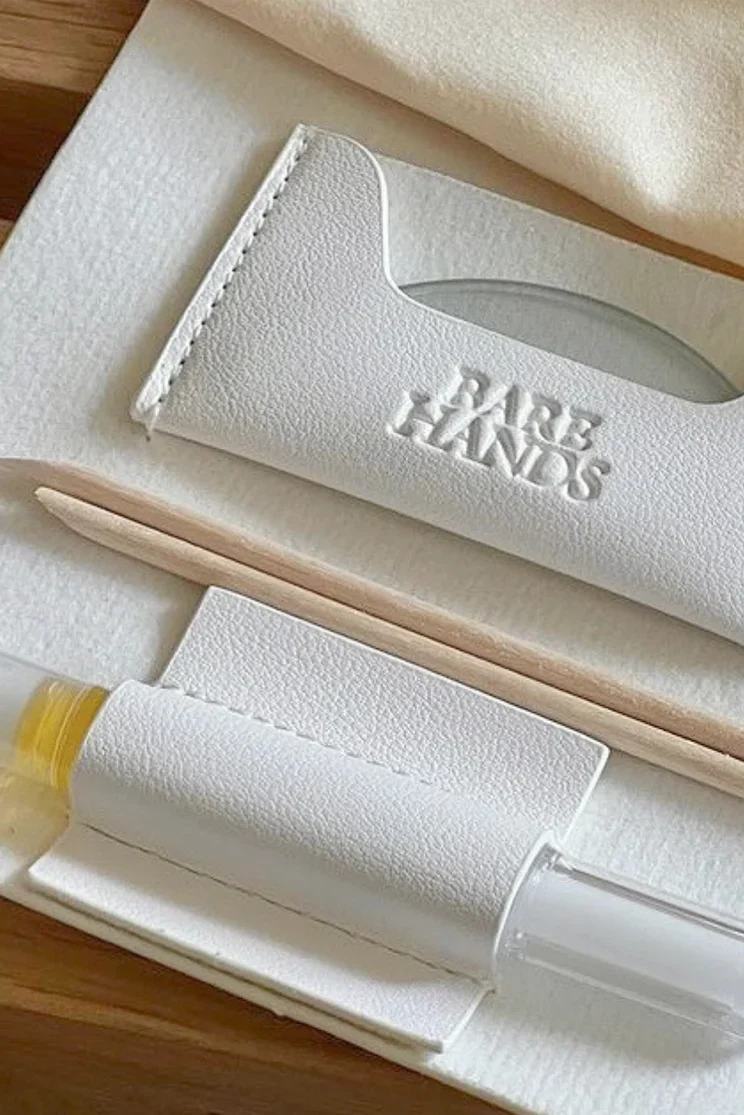
Amidst the persistent chill of cold weather, which often leads to dry, compromised skin, and the ongoing pressures of inflation impacting household budgets, the concept of an at-home spa day has transcended a mere luxury to become a practical and increasingly popular strategy for self-care. This pivot towards conscious pampering, where individuals seek restorative experiences within their own homes, is driven by a confluence of economic realities, a heightened awareness of holistic wellness, and a growing demand for ethically produced, non-toxic beauty solutions. Consumers are not just looking for efficacy; they are seeking transparency, sustainability, and products that align with a broader commitment to personal and planetary health.
The Shifting Paradigm of Self-Care: Economic and Wellness Imperatives
The landscape of personal care has undergone a significant transformation, with economic factors playing a pivotal role. Data from the Bureau of Labor Statistics indicates a consistent rise in the Consumer Price Index, directly impacting discretionary spending. Professional spa treatments, once a go-to for many, now represent a considerable expenditure, making them less accessible for budget-conscious individuals. A single professional facial can range from $75 to $300, while a full spa day package can easily exceed $500. This financial strain has spurred innovation and adaptation within the beauty industry, prompting a surge in demand for high-quality, at-home alternatives that offer comparable benefits without the hefty price tag.
Beyond economic considerations, there is an undeniable societal shift towards prioritizing holistic well-being. The World Health Organization (WHO) has recognized stress as a global epidemic, with surveys consistently showing high levels of stress and anxiety among adults. In response, self-care has evolved from a niche concept to a mainstream necessity, integral to maintaining mental and physical health. An at-home spa day provides a structured opportunity for relaxation, mindfulness, and dedicated personal attention, offering a vital reprieve from daily stressors. This trend was significantly amplified during the global pandemic, when professional services were largely unavailable, forcing many to explore and embrace DIY wellness routines. This period solidified the appeal and viability of home-based self-care, establishing it as a lasting consumer habit rather than a temporary workaround.
Decoding "Clean" and "Sustainable" Beauty: A Market Evolution
At the heart of this conscious pampering movement is an increased scrutiny of product ingredients and environmental impact. The term "non-toxic" in beauty refers to formulations free from ingredients widely considered harmful or irritating, such as parabens, phthalates, sulfates, synthetic fragrances, and certain heavy metals. These chemicals have raised concerns due to potential links to hormone disruption, allergies, and environmental pollution. Industry reports, such as those from Grand View Research, estimate the global clean beauty market size to be valued at over $11 billion in 2023, with a projected compound annual growth rate (CAGR) exceeding 10% from 2024 to 2030, underscoring robust consumer demand for safer alternatives.
Complementing the non-toxic mandate is the imperative for sustainability. This encompasses everything from the ethical sourcing of raw materials, ensuring fair labor practices and ecological preservation, to the manufacturing processes that minimize waste and energy consumption. Packaging innovation is a crucial component, with a strong emphasis on recycled, recyclable, refillable, and biodegradable materials to combat the beauty industry’s substantial contribution to plastic waste. A report by the Ellen MacArthur Foundation highlighted that less than 14% of plastic packaging is collected for recycling globally, emphasizing the urgent need for brands to adopt circular economy principles. Leading sustainable brands often vet their entire supply chain, utilize renewable energy, and strive for carbon neutrality, offering consumers a guilt-free path to indulgence.
DIY vs. Curated Kits: Empowering Consumer Choices
While premium, sustainably sourced products offer a luxurious experience, the essence of an at-home spa day remains accessible to all budgets. The original article rightly points out that effective self-care does not necessitate expensive formulations. Simple, readily available ingredients can be incredibly potent. For instance, a basic bag of Epsom salt, rich in magnesium, offers muscle relaxation and detoxification benefits for a few dollars. An Aztec clay facial, known for its deep-pore cleansing and purifying properties, can be prepared with just water or apple cider vinegar, costing less than $10 for multiple uses. Similarly, unrefined coconut oil serves as a versatile moisturizer, hair mask, or even a makeup remover. Even hair coloring can be experimented with using food-grade dyes for temporary, non-damaging tints, showcasing the creative and budget-friendly potential of kitchen staples.
However, for those seeking a more curated and elevated experience, or looking to gift a thoughtful package to a friend, the market for specialized non-toxic and sustainable beauty kits has blossomed. These sets often combine synergistic products designed to deliver specific outcomes, such as hydration, anti-aging, or detoxification, simplifying the self-care routine while ensuring product compatibility and optimal results. The convenience, combined with the assurance of clean ingredients and ethical production, makes these kits an attractive option for consumers who value both luxury and responsibility. Industry analysts note that gift sets and bundles often perform well, especially during gifting seasons, as they introduce consumers to a brand’s ethos and product range in a cohesive manner.
Spotlight on Sustainable Brands for At-Home Indulgence

The market is rich with brands committed to both efficacy and ethical standards, offering a diverse array of products for a comprehensive at-home spa experience.
For Facial & Body Care, brands like Grown Alchemist have distinguished themselves with their sophisticated formulations. Their kits and gift sets span skincare, hand care, and body care, utilizing carefully sourced bio-active ingredients. The brand’s commitment to sustainability extends to vetting supply chain partners and prioritizing recycled and refillable packaging, demonstrating a holistic approach to environmental stewardship. OSEA Malibu, a pioneer in seaweed-infused skincare, offers an At-Home Spa Set that leverages sustainably harvested seaweed, their signature "secret" ingredient. Their transparent "no-list" of harmful ingredients ensures that all products are non-toxic and vegan, appealing to consumers seeking marine-powered rejuvenation without compromise.
MyChelle stands out for offering clean, responsibly-sourced products at a more accessible price point. Their exfoliators and masks are vegetarian, cruelty-free, and meticulously formulated without phthalates, parabens, sulfates, artificial fragrances, colors, or GMOs. This makes high-quality, non-toxic skincare attainable for a broader audience. 100% Pure takes its name literally, providing makeup and skincare gift sets that are entirely non-toxic, organic, vegan, and biodegradable. Their operational commitment to sustainability is evident at their 8-acre headquarters, powered by 100% solar energy, earning them recognition for minimal landfill waste.
The Wilding Gua Sha Empress Collection introduces an ancient beauty ritual to the modern home. Gua sha, a traditional Chinese therapy, is gaining traction for its lymphatic drainage, wrinkle prevention, tension release, and skin brightening benefits. Wildling’s founders emphasize connecting to nature’s wisdom, sourcing ingredients from local farms and fair-trade communities, with plants harvested at peak potency for their Empress Oil and Tonic. Similarly, Tata Harper’s In-Home Spa Tools & Kits offer a luxurious, farm-to-face experience. Her extensive collection, from facial cupping sets to detox kits, features over 300 high-quality ingredients consciously sourced globally, all guaranteed free from GMOs, synthetic chemicals, and artificial additives, cementing her brand’s reputation for uncompromising purity. Surreal Skincare, a trans-owned business, introduces innovative formulations with natural tree resin extracts in their "Advanced Guide to Cheating Death" bundle. Known for potent, healing compounds, their masks offer an intense yet safe resurfacing experience, catering to those seeking dramatic results with natural ingredients.
In Hair Care, the focus shifts to non-toxic coloring and restorative treatments. Hairprint Color Restorer offers a unique approach by replenishing the natural pigment in brown and black hair that has grayed, rather than dyeing it. This protein treatment also enhances body, strength, and sheen, providing a comprehensive hair health solution. For those seeking color change, Desert Shadow Organic Hair Dyes provide certified organic, vegan, and palm oil-free options. With a wide range of natural colors available, they combine aesthetic appeal with strong sustainability and community commitments. Surya Brasil’s Henna Hair Dye cream provides another natural alternative, utilizing henna to cover grays and change color while protecting the scalp, with most options catering to darker shades and emphasizing gentle, plant-based coloring.
For Hand & Nail Health, the emphasis is on strengthening and beautifying without harsh chemicals. Bare Hands Dry Gloss Manicure Kit offers a revolutionary approach to natural nail care, achieving a glossy, healthy look without polishes or chemicals, a welcome alternative for those tired of gel damage or chipping. Lauren B. Beauty’s Nail Growth Serum and Cuticle Oil utilize simple, non-toxic ingredients to boost natural nail growth and strength, especially beneficial for brittle or slow-growing nails, combining amino acids, antioxidants, vitamins, peptides, and biotin for optimal results.
Holistic Well-being: Beyond Skin Deep
The concept of an at-home spa day extends beyond topical treatments to encompass holistic well-being, fostering peace and tranquility. BLK + GRN’s Total Tranquility Set, curated by a Black-owned business focused on natural and non-toxic products, provides a comprehensive sensory experience. It includes a chakra soy candle, white sage smudge stick, herbal tea, and essential oils, designed to ease anxiety and create a calming environment, emphasizing the interconnectedness of mind, body, and spirit.
The therapeutic potential of plant-derived compounds is further explored by brands like Prima, which offers organic CBD supplements. Sourced from organically grown hemp, their CBD products are optimized for absorption with natural ingredients like clove bud and black pepper oils. CBD is increasingly recognized for its ability to promote focus during the day and facilitate relaxation in the evening, addressing the pervasive issue of stress and anxiety. For sensory indulgence, Herbivore Botanicals Bath Salts & Soaks are crafted with high-quality, food-grade vitamins, minerals, and botanicals, chosen for their therapeutic benefits. Drawing a warm bath with these products transforms a simple routine into a moment of luxurious restoration, nurturing both skin and mind. 100% Pure also offers Therapy Bath Salts, including seaweed detox, relaxing lavender, and refreshing eucalyptus options, designed to replenish essential minerals through the skin while providing an aromatherapy experience. Similarly, Unplugged Essentials Hemp-Infused Soaks, inspired by flotation therapy, combine Epsom salt, hemp, charcoal, and essential oils to detoxify and nourish, offering a profound sense of relaxation and rejuvenation.
Broader Implications and Future Outlook
The rise of conscious pampering signifies more than a fleeting trend; it represents a fundamental shift in consumer values and industry practices. The implications are far-reaching. Economically, while traditional spa services may face continued competition, the at-home beauty market is poised for sustained growth, driving innovation in product development, packaging, and digital retail strategies. Environmentally, the demand for sustainable options is pushing brands towards greater transparency and accountability, although the challenge of managing the overall environmental footprint of increased product consumption, even with eco-friendly packaging, remains significant.
Culturally, the normalization of self-care is empowering individuals to take a more active role in their well-being, democratizing access to practices once considered exclusive. This empowers consumers with knowledge, encouraging them to make informed choices that benefit both themselves and the planet. Looking ahead, industry experts anticipate continued innovation in biotechnology and green chemistry, leading to even more effective and sustainable formulations. Furthermore, there may be increased regulatory scrutiny on "clean" and "natural" claims to ensure genuine adherence to ethical standards, fostering greater trust between brands and consumers. The conscious pampering movement, therefore, stands as a testament to a growing desire for balance—between personal indulgence and planetary responsibility, convenience and ethical consumption, and individual well-being and collective sustainability.




 Anjar Salim
 Chandra Hamzah
 Tatiana Tantri Indah Sari
 Budi Mulyono
 Lukman Taruna Persada Ramadan
