
 Budi Mulyono
The global travel landscape is currently undergoing a period of significant recalibration as major carriers adjust their summer schedules, hospitality brands refresh flagship properties, and airline alliances expand their ground-based luxury offerings. Recent developments from industry leaders including Delta Air Lines, Lufthansa, and American Airlines indicate a strategic shift toward operational efficiency and premium service enhancement. This transition comes amid fluctuating fuel prices, ongoing supply chain constraints in aircraft manufacturing, and a heightened competitive environment for high-yield passengers.
Strategic Route Adjustments and Operational Trimming
Several major international carriers have announced plans to reduce flight frequencies or suspend specific routes for the upcoming summer season. Delta Air Lines, Edelweiss, and Lufthansa are among the prominent names adjusting their networks to better align with projected demand and available resources.
Lufthansa Group, the parent company for both Lufthansa and Swiss subsidiary Edelweiss, has faced a complex operational environment characterized by labor negotiations and delays in aircraft deliveries from Boeing and Airbus. For Lufthansa, the reduction in flights is seen as a measure to stabilize the remaining schedule and prevent the last-minute cancellations that plagued the European aviation sector in previous summers. Edelweiss, while expanding its long-haul footprint in some markets, has also pruned underperforming routes to consolidate its fleet utilization.
American Airlines has similarly revised its summer schedule, cutting several routes as it grapples with its own fleet constraints. The carrier has been particularly affected by the delayed delivery of Boeing 787 Dreamliners, which are essential for its international expansion. These cuts are not merely a reduction in volume but a strategic reallocation of assets to hubs where the airline maintains a dominant market share and higher profitability.

Performance Metrics and Labor Relations at American Airlines
In a move that has drawn significant attention from industry observers and labor advocates, American Airlines has implemented a more rigorous system for evaluating flight attendant performance. This "grading" initiative is designed to standardize service quality across the carrier’s vast network. While the airline maintains that these metrics are intended to enhance the passenger experience and identify areas for professional development, labor unions have expressed concerns regarding the pressure such systems place on frontline staff.
This development occurs against a backdrop of broader labor tensions within the U.S. aviation industry. As flight attendants and pilots seek new contracts that reflect the post-pandemic economic reality, the introduction of performance-tracking software and internal grading systems represents a shift toward data-driven management. Analysts suggest that if successful, this model could be adopted by other legacy carriers seeking to differentiate their service in a crowded market.
The Evolution of In-Flight Dining and Premium Cabin Expectations
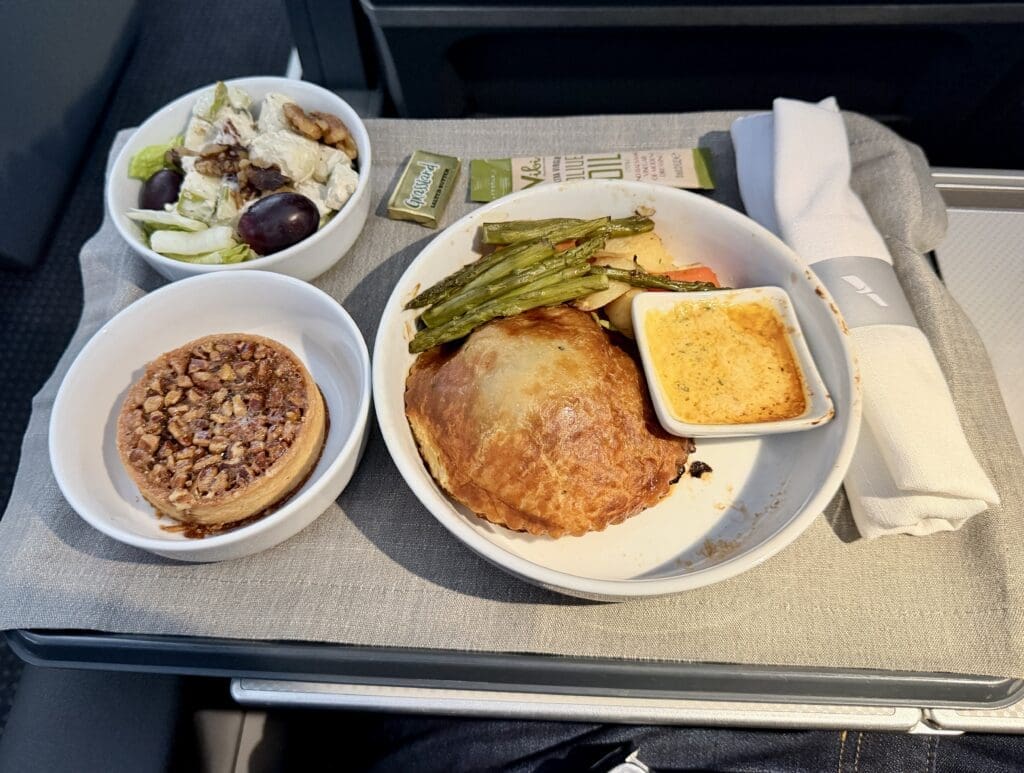
In-flight catering remains a primary battleground for airlines seeking to attract business and first-class travelers. American Airlines recently introduced several new menu items, including a Beef Wellington, which has garnered mixed reviews from frequent flyers and culinary critics. The difficulty of preparing a complex dish like Beef Wellington—which requires precise timing to keep the pastry crisp and the meat tender—within the constraints of a galley oven highlights the challenges of high-altitude gastronomy.
Industry data shows that premium cabin passengers increasingly prioritize food quality as a key factor in brand loyalty. According to recent passenger surveys, catering quality is now ranked among the top three considerations for international business class travelers, alongside seat comfort and lounge access. As a result, airlines are investing more heavily in partnerships with celebrity chefs and specialized catering firms to elevate the dining experience, even as they face rising costs for raw ingredients and logistics.
Hospitality Developments: W Hoboken and the Luxury Market
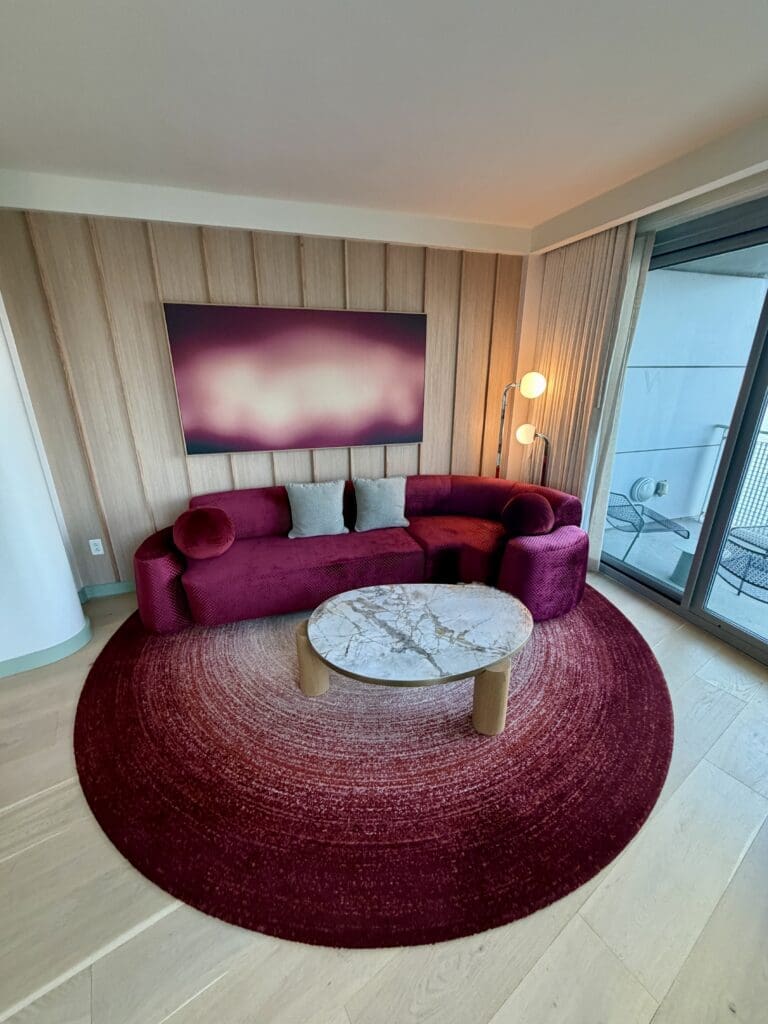
In the hotel sector, the W Hoboken has recently completed a comprehensive renovation, signaling a move toward a more sophisticated aesthetic for the W brand. Historically known for its high-energy, "club-like" atmosphere, the W brand is currently undergoing a global evolution to compete with more traditional luxury players like Ritz-Carlton and St. Regis. The Hoboken renovation features upgraded guest rooms and public spaces that emphasize local design elements while maintaining the brand’s signature modern flair.
This renovation is part of a broader trend in the hospitality industry where older "lifestyle" hotels are being refreshed to meet the expectations of modern travelers who seek a balance between style and substance. The W Hoboken, situated on the New Jersey waterfront with views of the Manhattan skyline, serves as a critical asset for Marriott International in the competitive New York City metropolitan market.
Loyalty Program Shifts and the Chase-SLH Connection
The landscape of hotel loyalty programs continues to shift, most notably with the recent changes involving Small Luxury Hotels of the World (SLH). Previously a key partner for Hyatt’s World of Hyatt program, SLH has transitioned into a new partnership with Hilton. This move has significant implications for credit card holders and loyalty enthusiasts, particularly those using Chase-branded products.
Chase has historically offered strong redemption options for SLH properties through its travel portal and Hyatt partnership. With SLH moving to Hilton, Chase Sapphire and Ink cardholders are seeing a shift in how they can leverage their points for boutique luxury stays. To compensate for these changes, Chase has been aggressively promoting its own "Luxury Hotel & Resort Collection," providing cardholders with alternative avenues for high-end bookings that include perks such as late checkout, room upgrades, and breakfast credits.
The Global Expansion of Premium Airport Lounges
Airport lounges have become a central component of the travel experience, serving as a sanctuary for frequent flyers and a revenue generator for airlines and alliances. This week, several major players announced the development or opening of new lounge facilities.
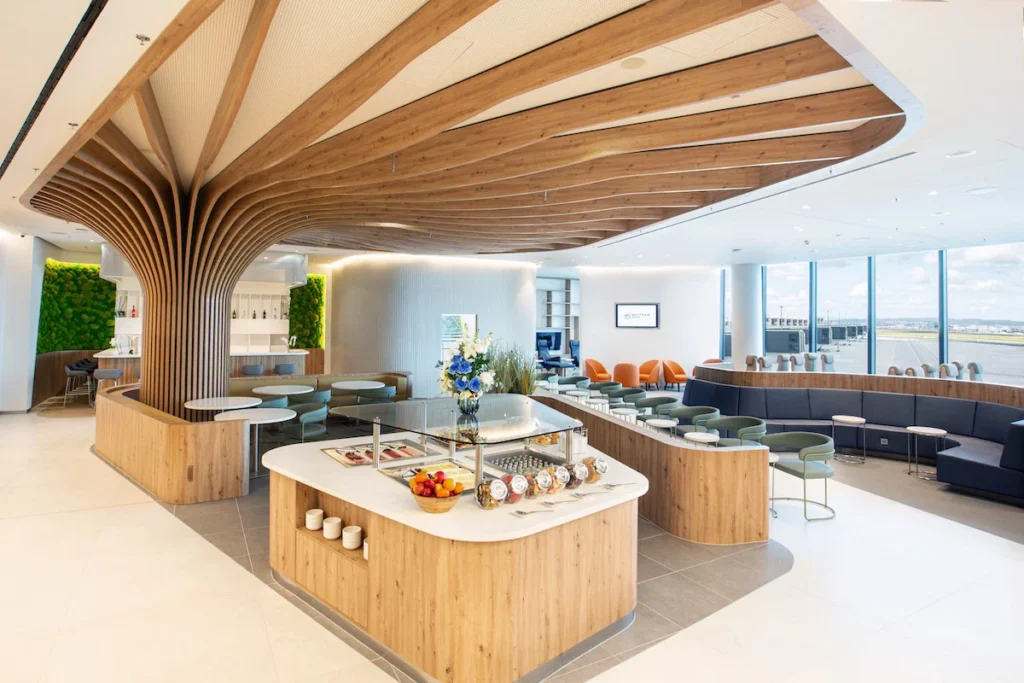
SkyTeam, one of the three major global airline alliances, has unveiled a new lounge at Frankfurt Airport (FRA). This facility is designed to serve passengers flying on member airlines such as Delta, Air France, and KLM. The Frankfurt lounge emphasizes sustainable design and features a range of amenities including work zones, shower suites, and a high-end buffet.
Delta Air Lines is continuing its aggressive expansion of the "Delta One" lounge concept, targeting its most affluent passengers with a dedicated space that goes beyond the standard Sky Club offerings. These lounges are part of Delta’s strategy to position itself as a premium carrier that can compete directly with international giants like Emirates and Singapore Airlines.
American Airlines is also refreshing its Admirals Club and Flagship Lounge network, introducing a new design language that utilizes warmer materials and more private seating options. Meanwhile, Southwest Airlines and Hawaiian Airlines have made headlines with updates to their ground-based services. While Southwest has traditionally avoided the lounge model, its recent partnerships and airport renovations suggest a growing recognition that even low-cost or "value-focused" carriers must offer enhanced amenities to retain corporate travelers.
Chronology of Key Events
The past seven days have seen a rapid succession of announcements that underscore the dynamic nature of the travel industry:
- Monday: SkyTeam officially opens its state-of-the-art lounge in Frankfurt, marking a significant expansion of the alliance’s footprint in Germany.
- Tuesday: American Airlines releases its updated summer schedule, confirming the suspension of several transatlantic and domestic routes due to fleet availability.
- Wednesday: Delta Air Lines provides an update on its premium lounge rollout, confirming new locations in major hubs for late 2024 and 2025.
- Thursday: The W Hoboken debuts its renovated suites and lobby, part of Marriott’s broader plan to modernize the W brand globally.
- Friday: Industry reports surface regarding the new performance evaluation system for American Airlines flight attendants, sparking discussions on labor standards.
Broader Impact and Market Implications
The convergence of flight reductions and premium service expansions points to a "K-shaped" recovery in the travel sector. While budget-conscious travelers face fewer options and higher prices due to capacity cuts, the luxury segment is seeing an unprecedented level of investment. Airlines and hotels are betting that high-net-worth individuals and corporate travelers will continue to pay a premium for comfort, exclusivity, and efficiency.
For the average consumer, these changes mean that the "summer of travel" may be characterized by higher load factors (fuller planes) and potentially higher airfares on popular routes. However, the expansion of lounge networks and hotel renovations suggests that for those with the right credit cards or loyalty status, the quality of the travel experience is reaching new heights.
As the industry moves toward the second half of the year, analysts will be watching closely to see if these operational cuts are enough to maintain airline profitability in the face of rising labor costs. Furthermore, the success of "performance grading" for staff and the introduction of complex in-flight dishes like Beef Wellington will serve as a litmus test for whether legacy carriers can truly deliver on their promise of a premium experience.
In conclusion, the travel industry is currently defined by a tension between operational necessity and the desire for luxury. As carriers like Delta and Lufthansa navigate the challenges of the modern aviation environment, the focus remains squarely on the high-end traveler, ensuring that the bulkhead seats and premium lounges remain the most sought-after spaces in the sky and on the ground.




 Anjar Salim
 Chandra Hamzah
 Tatiana Tantri Indah Sari

