
 Cholid Fahmi Thalib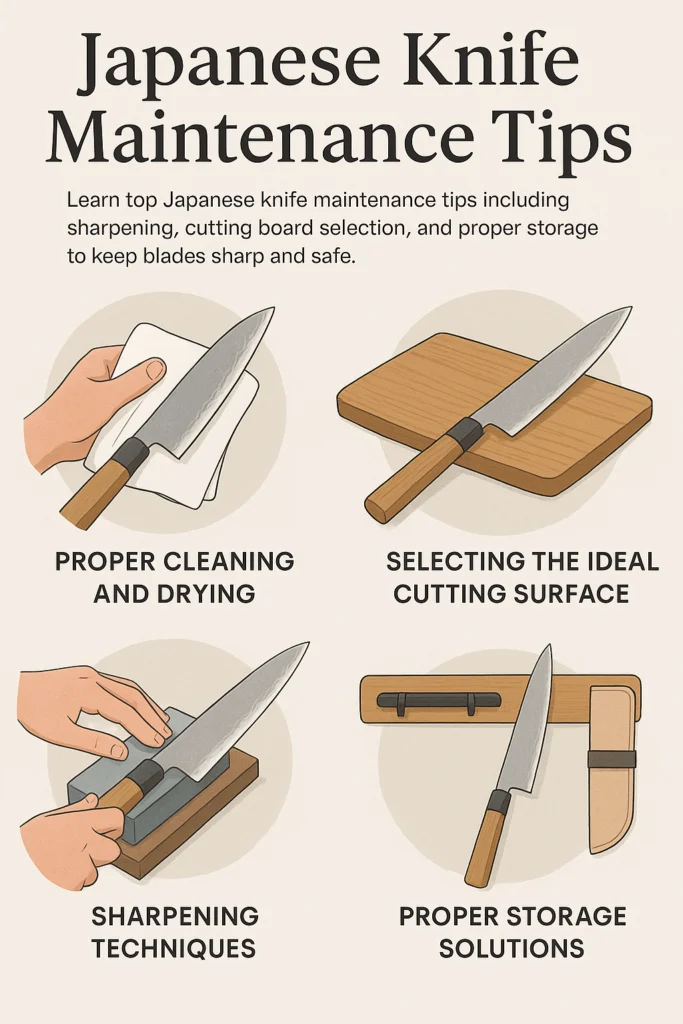
Mastering Japanese knife maintenance tips preserves the sharpness, balance, and beauty of these finely crafted tools. Japanese knives are renowned for their precision, thin edges, and elegant design, but neglecting care can reduce performance, damage the blade, and even affect cooking results. Understanding how to clean, sharpen, store, and use these knives correctly transforms them from delicate instruments into durable, dependable tools. Consistent attention keeps each knife performing at its best for years to come.
The Enduring Appeal of Japanese Culinary Blades
Japanese knives represent a pinnacle of metallurgical artistry and centuries-old craftsmanship. Originating from the traditions of samurai sword making, these knives are designed for unparalleled sharpness and precision. Their construction often involves intricate layering of different steel types, culminating in blades that are both incredibly sharp and surprisingly resilient. The pursuit of the perfect edge is deeply ingrained in Japanese culinary culture, where the quality of a knife is seen as directly influencing the quality of the food prepared. This reverence for sharp tools stems from a historical understanding that precise cuts not only enhance presentation but also affect the texture and flavor of ingredients. For instance, a clean cut through a delicate fish fillet preserves its cellular structure, preventing it from becoming mushy, while a sharp knife through a crisp vegetable ensures a satisfying crunch. The high-carbon steel commonly used in Japanese knives allows for an exceptionally fine edge, capable of slicing through ingredients with minimal resistance. However, this same characteristic makes them more susceptible to corrosion and chipping if not handled with due care.
Fundamental Principles of Daily Knife Care
The bedrock of Japanese knife longevity lies in consistent and proper daily care. This begins immediately after each use, a practice that, while seemingly simple, is crucial for preventing damage and maintaining optimal performance.
Immediate Cleaning and Thorough Drying
The immediate aftermath of culinary tasks is the most critical window for knife care. Food residues, particularly acidic ingredients like citrus or tomatoes, can begin to etch the blade if left in contact. Similarly, moisture, especially on high-carbon steel, can initiate the rusting process remarkably quickly. The recommended method involves using warm water and a mild, pH-neutral dish soap. This combination effectively removes oils, acids, and minute food particles without being overly harsh. The exclusion of dishwashers is paramount. The high temperatures and aggressive detergents found in domestic dishwashers are detrimental to the delicate edge of a Japanese knife, often leading to premature dulling, potential corrosion of the steel, and damage to the handle materials, which can be made of wood, bone, or other sensitive components.
Following the wash, meticulous drying is non-negotiable. A soft, lint-free towel should be used to carefully wipe down the entire blade, ensuring no trace of moisture remains. Even a brief period of exposure to water can leave unsightly spots or initiate oxidation, especially on blades made from higher carbon content steels. This diligent post-use ritual, repeated after every engagement with ingredients, establishes a habit that directly contributes to preserving the knife’s sharpness, extending its functional lifespan, and significantly reducing the risk of staining or corrosion. This proactive approach transforms the knife from a mere utensil into a cherished and enduring culinary companion.
The Critical Role of the Cutting Surface
The surface upon which a knife performs its work is as integral to its longevity as the blade itself. The choice of cutting board directly influences the wear and tear on the knife’s edge.
Embracing Wood: The Ideal Cutting Companion
For enthusiasts and professionals alike, a Japanese cypress (Hinoki) cutting board is often lauded as the ideal counterpart to a high-quality Japanese knife. This particular wood possesses a unique combination of softness and resilience. Its yielding nature absorbs the impact of the blade, thereby minimizing edge wear and helping to maintain that coveted razor-sharpness. Unlike harder materials, wood allows the knife to glide across its surface with less friction and less trauma to the steel.
Conversely, cutting on hard surfaces such as glass, stone, or metal is a recipe for rapid edge degradation. These materials can quickly dull the keenest edge, and in more severe cases, can even cause micro-chipping of the blade’s delicate apex. Beyond blade preservation, the use of a wooden board also contributes to superior food preparation. It prevents the tearing or crushing of delicate ingredients, such as fish fillets or soft vegetables, leading to cleaner slices and a more aesthetically pleasing presentation. Implementing a practice of rotating between different cutting boards for various food types—for example, one for raw meats and another for vegetables—can further distribute wear evenly, thereby maximizing the functional life of both the boards and the knives.
The Science and Art of Sharpening
A consistently sharp knife is not merely a matter of convenience; it is a fundamental requirement for both optimal performance and enhanced safety in the kitchen. A dull knife requires more force to cut, increasing the likelihood of slippage and potential injury.
Mastering the Sharpening Stone
The traditional and most effective method for maintaining a keen edge on Japanese knives is the use of whetstones, or sharpening stones. This technique allows for the gradual and controlled restoration of the blade’s geometry without removing excessive amounts of precious steel. The process typically begins with a coarser grit stone, designed to address significant dullness or minor damage. Following this, progression is made to medium and then finer grit stones, which refine the edge, removing any burrs and creating a polished, exceptionally sharp finish.
Consistency in the sharpening angle is paramount, especially for single-bevel knives, which are common in Japanese knife traditions and require a specific, precise angle. However, even double-bevel knives benefit immensely from careful angle control during the sharpening process. Applying minimal, consistent pressure while meticulously working along the entire length of the blade ensures a clean, uniform edge. Regular sharpening not only prevents uneven cuts and reduces the physical effort required for slicing but also restores the tactile satisfaction of working with a perfectly tuned instrument. Many culinary professionals dedicate time to understanding their specific knife’s bevel geometry to optimize their sharpening technique.
Honing: The Daily Edge Realignment
While sharpening restores a blade by grinding away metal to create a new edge, honing serves a complementary but distinct purpose: realigning the microscopic imperfections that inevitably occur on the edge with regular use.
Maintaining the Edge Between Sharpening Sessions
Over time, the ultra-fine apex of a knife’s edge can develop tiny bends and irregularities, often imperceptible to the naked eye. A honing rod, typically made of steel, ceramic, or diamond-infused material, is used to gently coax these microscopic deviations back into alignment. This process does not remove significant amounts of metal; rather, it straightens the existing edge, restoring its keenness and efficiency.
Understanding the specific bevel geometry of a Japanese knife is beneficial for honing, as it dictates the optimal angle for effective strokes. Regular honing significantly reduces resistance when cutting, leading to smoother, more precise slices and improving overall speed and efficiency in food preparation. Many seasoned chefs incorporate short, focused honing sessions into their daily workflow, often before or during a busy service. This proactive approach ensures that each cut remains clean and effortless, minimizing the need for frequent, more time-consuming sharpening sessions. The tactile feedback from a well-honed blade is a testament to its readiness and precision.
Secure and Protective Storage Solutions
The way a Japanese knife is stored is critical for protecting its delicate edge, preserving the integrity of its handle, and ensuring the safety of anyone in its vicinity.
Safeguarding Blades from Damage and Mishaps
Loose storage in a kitchen drawer, where knives can collide with other utensils, is highly detrimental. This uncontrolled contact leads to nicks, dulling, and potential damage to the fine edge. For individual protection, fabric sheaths or roll-up carrying bags are excellent options, safeguarding each blade and also facilitating convenient and secure transport.
Magnetic knife strips offer a practical and accessible storage solution. When properly installed and used, they hold knives securely in place, keeping their edges exposed to the air but protected from contact with other surfaces. This method allows for easy identification and retrieval of the desired knife. Knife blocks, while traditional, are also effective provided that the slots are designed to fit the knives snugly. A loose fit can cause the knife to wobble, leading to potential edge damage or even posing a safety hazard. The primary goal of proper storage is to prevent any form of abrasion or impact that could compromise the blade’s sharpness, prevent rust formation, and minimize the risk of accidental cuts in a dynamic kitchen environment.
The Importance of Handle Integrity
The handle of a Japanese knife is not merely an aesthetic element; it is a critical component that dictates control, balance, and user comfort.
Maintaining Grip and Stability
Wooden handles, often crafted from fine hardwoods, may require occasional oiling with food-grade mineral oil or a specialized wood conditioner. This practice helps to prevent the wood from drying out, cracking, or warping due to fluctuations in humidity and temperature. Composite or synthetic handles, while generally more robust, still benefit from visual inspection to detect any signs of loosening, chips, or cracks that could compromise their structural integrity.
A secure and well-maintained handle is essential for reducing fatigue during extended food preparation sessions. It also significantly reduces the risk of slips, which can lead to accidents. Furthermore, proper handle maintenance ensures that the knife feels balanced and responsive in the hand, contributing directly to both the precision of cuts and the overall comfort of the user. A knife that feels like an extension of the hand enhances the culinary experience.
Proactive Rust Prevention Strategies
The characteristic keenness of high-carbon steel Japanese knives comes with a caveat: they are more susceptible to rust if not properly cared for.
Guarding Against Corrosion
The primary defense against rust is maintaining dryness. As previously emphasized, drying the blade immediately and thoroughly after washing is crucial. Cutting on appropriate surfaces, such as wood, also minimizes exposure to moisture trapped in microscopic crevices. Applying a very thin layer of food-grade mineral oil after cleaning and drying can create a protective barrier against atmospheric moisture, especially for knives that are not used daily or are being stored for longer periods.
While stainless steel knives are inherently more resistant to corrosion, they are not entirely immune. Even these blades benefit from careful drying and proper storage to prevent the formation of unsightly spots or minor surface oxidation. Rust not only detracts from the aesthetic appeal of a finely crafted knife but also negatively impacts its cutting performance by creating drag and uneven surfaces. Vigilance in maintaining a protective layer, monitoring moisture levels, and promptly cleaning the knife after exposure to acidic foods are key to preserving both its function and its pristine appearance.
The Value of Professional Sharpening and Edge Care
While diligent home maintenance can keep a Japanese knife in excellent condition, there are instances where professional intervention is beneficial.
Expert Restoration and Inspection
Experienced sharpening professionals possess a deep understanding of the unique bevel angles and steel properties of various Japanese knives. They can meticulously restore blades to their peak condition without removing excessive material, a common concern for home users. For knives crafted from high-carbon or particularly delicate steels, or those that have sustained minor damage, professional sharpening can be invaluable after extended periods of rigorous use.
Beyond sharpening, these experts can also inspect and address minor handle issues, ensuring the knife remains a cohesive and safe tool. Integrating occasional professional sharpening with consistent home care provides a comprehensive approach to edge maintenance. This synergy ensures that the knife’s cutting quality is consistently optimized, allowing it to perform reliably and precisely for years to come, embodying the enduring legacy of Japanese craftsmanship.
Establishing a Routine: Frequency and Practicality
The rhythm of maintenance should ideally align with the frequency and intensity of knife usage.
Tailoring Care to Usage Patterns
For knives that are used daily in a demanding culinary environment—involving tasks such as chopping, slicing, dicing, and filleting—honing might be required on a weekly basis, with sharpening needed periodically as the edge begins to show signs of wear. Knives that are used less frequently still benefit from regular inspection, a light cleaning and drying after each use, and occasional honing to maintain their readiness.
Paying attention to subtle indicators is key to determining when maintenance is due. An increase in cutting resistance, the appearance of uneven slices, or a noticeable reduction in the knife’s ability to glide effortlessly through ingredients are all signals that the edge requires attention. Establishing a regular care routine, even if it’s a brief one, ensures that knives remain sharp, safe, and efficient. This proactive approach minimizes unnecessary wear, enhances overall performance, and contributes to a more enjoyable and productive culinary experience.
Integrating Maintenance into the Daily Culinary Workflow
The most effective approach to Japanese knife care is to seamlessly integrate it into everyday kitchen routines, making it a natural extension of the cooking process rather than an burdensome chore.
Making Maintenance Second Nature
The fundamental practices—washing immediately after use, drying thoroughly, and storing carefully—are the cornerstones of this integration. These actions, performed consistently, provide a baseline level of protection. Regular honing, incorporated into the pre-cooking or post-cooking ritual, ensures that the edge remains keen. Periodic sharpening, scheduled as needed based on usage and observation, maintains the knife’s optimal cutting capabilities.
The use of appropriate cutting surfaces, such as a Japanese cypress board, and the avoidance of hard materials further reduce edge wear. By practicing these habits consistently, knives remain responsive, safe, and reliable. Over time, this routine becomes second nature, streamlining the preparation process and significantly boosting both efficiency and the aesthetic quality of culinary presentations. This dedication to care honors the craftsmanship inherent in each tool and elevates the act of cooking itself.
The Enduring Legacy of Precision
By adhering to thoughtful Japanese knife maintenance practices, each culinary tool is transformed into a long-lasting, precise, and reliable instrument capable of elevating any culinary endeavor. The consistent application of techniques such as using a whetstone for sharpening, cutting on a Japanese cypress board, regular honing, and employing protective storage solutions like fabric sheaths or roll-up carrying bags, all work in concert to preserve both the edge and the structural integrity of the handle.
Proper cleaning and drying routines are essential to prevent corrosion and minimize wear, thereby maintaining the knife’s visual appeal and its functional prowess. This consistent dedication to care not only extends the lifespan of the blade significantly but also serves as a profound act of respect for the meticulous craftsmanship embedded within each tool. Ultimately, this commitment to maintaining Japanese knives ensures that every slice, chop, and garnish is executed with sharpness, precision, and an enduring aesthetic appeal, reflecting the highest standards of culinary artistry.




 Anjar Salim
 Chandra Hamzah
 Tatiana Tantri Indah Sari
 Budi Mulyono
 Lukman Taruna Persada Ramadan
