
 Tatiana Tantri Indah Sari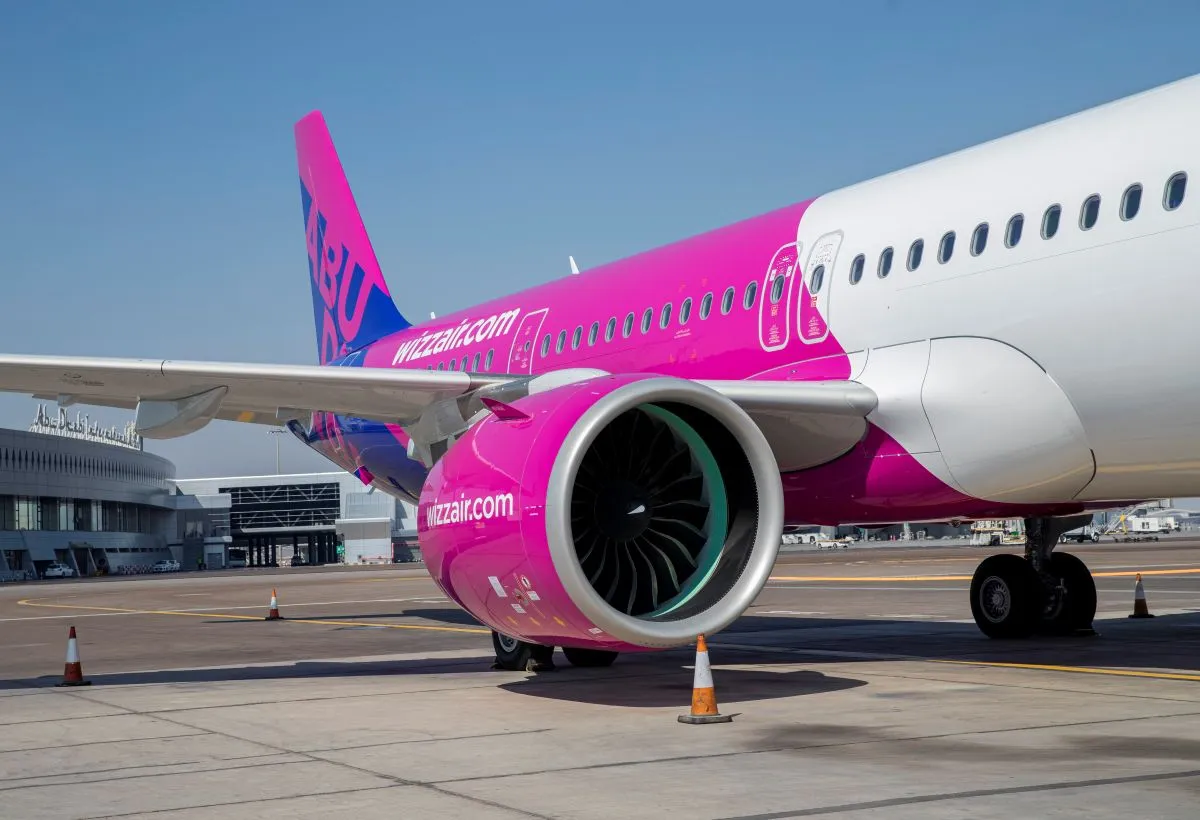
József Váradi, CEO of Wizz Air, has made a candid admission, acknowledging that the airline’s ambitious expansion into Abu Dhabi, particularly its strategic premise of tapping into the Indian and Pakistani markets, was an error in hindsight. Speaking at the CAPA Airline Leader Summit in Berlin, Váradi unequivocally stated, "Yes, it was," when asked if the decision to launch a subsidiary in the United Arab Emirates proved to be a mistake. This rare public concession from a top airline executive sheds light on the inherent complexities and unforeseen challenges faced by even the most aggressive ultra-low-cost carriers (ULCCs) when venturing into new, highly competitive, and geopolitically sensitive territories.
The Concession and Its Context
Váradi’s statement at the prestigious CAPA summit provided a moment of stark transparency, offering a retrospective analysis of a significant strategic move. He elaborated on the initial optimism surrounding the venture: "Under the circumstances, when we made a decision, the decision looked good. We felt good about the decision, good about the factors we considered." This sentiment reflects the often-difficult balance between forward-looking strategic planning and the unpredictable realities of execution in a dynamic global market. The admission, delivered with a characteristic directness, underscores the rigorous self-assessment that leading airlines must undertake, particularly in an industry still navigating the turbulent aftermath of a global pandemic and facing evolving geopolitical landscapes. The acknowledgement of error, while potentially a blow to past strategic architects, also signals a willingness to learn and adapt, a critical trait for sustained success in the fiercely competitive aviation sector.
Genesis of Wizz Air Abu Dhabi: An Ambitious Vision
The journey of Wizz Air Abu Dhabi began in December 2019, when the Hungarian low-cost giant announced a joint venture with ADQ, one of Abu Dhabi’s largest holding companies with a broad portfolio of major enterprises, including significant stakes in aviation, tourism, and logistics. This partnership was heralded as a strategic move to establish a new national airline for the UAE capital, positioning Wizz Air to penetrate high-growth markets beyond its traditional European strongholds. The initial investment and the backing of a sovereign wealth fund like ADQ, with assets estimated to be in the tens of billions, signaled serious intent and provided a robust financial foundation for the new entity.
The strategic rationale behind Wizz Air Abu Dhabi was multifaceted. Firstly, it aimed to capitalize on the UAE’s position as a global aviation hub, leveraging Abu Dhabi International Airport’s infrastructure and geographical advantage. Secondly, it sought to diversify Wizz Air’s revenue streams and reduce its reliance on the mature, albeit still growing, European market. Most crucially, the venture was explicitly "built on the premise of expanding into high-demand routes such as India and Pakistan." These markets, with their vast populations, growing middle classes, and significant diaspora populations in the UAE, represented an enormous untapped potential for low-cost travel, offering the promise of substantial passenger volumes and profitability. Wizz Air Abu Dhabi was envisioned as a bridge, connecting Eastern Europe, the Middle East, Africa, and the Indian subcontinent with affordable air travel, leveraging Wizz Air’s proven ultra-low-cost model.
Timeline of a Strategic Reversal
- December 2019: Wizz Air announces a memorandum of understanding with ADQ to establish Wizz Air Abu Dhabi, a new airline based in the UAE capital. The agreement signifies a 49:51 ownership split, with ADQ holding the majority stake.
- March 2020: Regulatory approval is granted, and Wizz Air Abu Dhabi receives its Air Operator’s Certificate (AOC) and Operating Licence from the UAE General Civil Aviation Authority (GCAA). The launch coincides with the global onset of the COVID-19 pandemic, presenting immediate and unprecedented operational challenges.
- June 2020: Despite the pandemic, Wizz Air Abu Dhabi officially begins operations, initially focusing on a limited network of routes connecting Abu Dhabi with cities in Eastern Europe, Central Asia, and the Middle East. The initial fleet consists of new Airbus A321neo aircraft, known for their fuel efficiency and longer range, crucial for the planned expansion.
- Late 2020 – Early 2022: The airline gradually expands its network, adding destinations such as Kutaisi (Georgia), Alexandria (Egypt), Tel Aviv (Israel), and various cities in Russia and Ukraine (prior to the 2022 invasion). While establishing a footprint, the anticipated entry into the Indian and Pakistani markets faces continuous delays.
- Summer 2022: The original premise of expanding significantly into India and Pakistan "came to an abrupt end." While Wizz Air Abu Dhabi continued to operate and even expand on other routes, the strategic focus on these specific high-demand markets was evidently curtailed or abandoned, leading to Váradi’s recent admission. This period likely saw internal reviews and a re-evaluation of the initial strategy, as the complexities of market entry into the subcontinent became insurmountable under the original plan.
The Unforeseen Obstacles: Why India and Pakistan Proved Challenging
The "abrupt end" to the India and Pakistan expansion strategy was likely a culmination of several significant challenges, which Váradi’s hindsight now illuminates as critical miscalculations.
- Regulatory Hurdles and Bilateral Air Service Agreements (BASA): Entry into the Indian and Pakistani aviation markets is heavily regulated by bilateral air service agreements between the respective countries. These agreements dictate the number of flights, seat capacity, and designated airlines allowed to operate on specific routes. For a new entity like Wizz Air Abu Dhabi, securing favorable slots and traffic rights, especially against established national carriers and existing LCCs, is an arduous and often politically charged process. India, in particular, has a complex regulatory environment and a strong preference for protecting its domestic carriers.
- Intense Competition: The routes between the UAE and the Indian subcontinent are among the busiest and most competitive globally. They are already dominated by a formidable array of carriers, including full-service giants like Emirates, Etihad Airways, Qatar Airways, and Air India, as well as highly successful regional low-cost carriers such as Flydubai, Air Arabia, IndiGo, and SpiceJet. These incumbents possess deep market knowledge, established brand loyalty, extensive distribution networks, and often, significant political leverage. Breaking into such a saturated market with an ultra-low-cost model requires not just competitive pricing but also a strong understanding of local passenger preferences, which can differ significantly from European markets.
- Geopolitical Sensitivities and Operational Risks: The region itself is prone to geopolitical tensions, which can impact flight paths, overflight rights, and overall operational stability. While Wizz Air Abu Dhabi’s base in the UAE provided a degree of stability, expansion into surrounding territories required navigating these complex dynamics. The Russia-Ukraine conflict, which erupted in early 2022, further complicated global aviation routes and supply chains, potentially diverting attention and resources.
- Adapting the ULCC Model: Wizz Air’s ultra-low-cost model thrives on high aircraft utilization, rapid turnarounds, minimal frills, and a focus on point-to-point travel. While effective in Europe, adapting this model to the specific cultural, regulatory, and infrastructural nuances of the Indian subcontinent may have presented unforeseen difficulties, from airport slot limitations to ground handling complexities and customer service expectations.
- COVID-19 Impact and Recovery: While not the sole reason, the timing of Wizz Air Abu Dhabi’s launch during the pandemic undoubtedly complicated its initial trajectory. The severe restrictions on international travel, fluctuating demand, and the constant need to adapt to evolving health protocols diverted focus and resources, potentially delaying the critical groundwork needed for aggressive expansion into the subcontinent.
The Broader Context of Wizz Air’s Strategic Ventures
Wizz Air has built its formidable reputation on an aggressive growth strategy, a relentless focus on cost efficiency, and pioneering new routes, primarily across Central and Eastern Europe. Its model, characterized by a young, fuel-efficient fleet (predominantly Airbus A320 and A321 family aircraft), high aircraft utilization, and a lean operational structure, has allowed it to consistently undercut competitors and stimulate demand. However, the Abu Dhabi venture represents one of Wizz Air’s more ambitious attempts to replicate its European success in a fundamentally different market.
Other European ULCCs have had mixed results with similar international expansions. Ryanair, for instance, largely focused on consolidating its dominance within Europe, making only limited forays beyond. EasyJet’s ventures have also remained predominantly within the European framework. This suggests that the ULCC model, while incredibly powerful, is not universally transferable without significant adaptation and a deep understanding of local market dynamics, regulatory frameworks, and competitive landscapes. The cost of failure in such ventures can be substantial, both financially and in terms of strategic focus.
ADQ’s Role and Market Implications
ADQ, as a key strategic investor in Abu Dhabi’s economic diversification, plays a crucial role in developing the emirate’s aviation and tourism sectors. Its investment in Wizz Air Abu Dhabi was part of a broader strategy to enhance air connectivity and reinforce Abu Dhabi’s position as a global travel and logistics hub. The sovereign wealth fund’s silence on the matter, as noted by the original report, is customary for such entities and underscores the sensitive nature of strategic reviews and commercial operations. While the specific India/Pakistan expansion may have faltered, ADQ’s commitment to building a robust aviation ecosystem in Abu Dhabi remains steadfast, as evidenced by its other investments in Etihad Airways, Abu Dhabi Airports, and various tourism initiatives. The experience with Wizz Air Abu Dhabi will undoubtedly inform future investment decisions and partnership structures.
Industry Analyst Perspectives and Lessons Learned
Industry analysts would likely view Váradi’s admission as a sign of maturity and accountability within Wizz Air’s leadership. It highlights the inherent risks of aggressive international expansion, particularly when venturing into complex emerging markets. Key takeaways for the broader aviation industry include:
- Due Diligence is Paramount: Even with extensive market research, unforeseen regulatory, political, and competitive hurdles can emerge. The "good factors" considered initially may not hold up against the realities of implementation.
- Adaptability of Business Models: While the ULCC model is robust, its success is highly context-dependent. A direct translation without significant local adaptation can lead to inefficiencies and competitive disadvantages.
- Patience and Persistence: Entering new, complex markets often requires a longer-term horizon and a willingness to navigate protracted negotiations and evolving market conditions, which may not align with the rapid-growth expectations of some ULCCs.
- Strategic Flexibility: The ability to pivot and re-evaluate strategies in light of new information is crucial. Váradi’s admission suggests that Wizz Air is not afraid to acknowledge shortcomings and adjust its course, which is a positive sign for its long-term strategic resilience.
The Future of Wizz Air Abu Dhabi and Wizz Air’s Global Ambitions
Despite the strategic misstep concerning India and Pakistan, Wizz Air Abu Dhabi continues to operate and expand its network, albeit with a revised focus. The airline has found success connecting Abu Dhabi with destinations in the wider Middle East, North Africa, Central Asia, and parts of Europe, carving out a niche that leverages its ultra-low-cost model for leisure and VFR (Visiting Friends and Relatives) traffic. As of early 2024, it operates a growing fleet and serves numerous destinations, demonstrating a successful pivot from its initial, more ambitious premise for the subcontinent.
For Wizz Air Group, the Abu Dhabi experience serves as a crucial learning curve. While the airline remains committed to aggressive growth, it may approach future international ventures with a more nuanced understanding of regulatory complexities, competitive landscapes, and the adaptability required for its ULCC model. The strategic focus will likely remain on consolidating its strong position in Europe while selectively exploring opportunities in adjacent markets that offer clearer pathways to sustainable profitability. Váradi’s candidness reinforces the notion that in the high-stakes game of global aviation, even industry leaders can face unforeseen turbulence, and the ability to acknowledge and learn from mistakes is as vital as the initial vision itself. The evolution of Wizz Air Abu Dhabi underscores the dynamic nature of airline strategy, where initial grand designs often yield to pragmatic adaptation in the face of market realities.




 Anjar Salim
 Chandra Hamzah
 Budi Mulyono

