
 Chandra Hamzah
The allure of New Zealand as a premier cruise destination has waned dramatically for Australian travellers, signalling a significant shift in the trans-Tasman cruise market. In 2023, approximately 133,000 Australians chose New Zealand for their cruising holidays. However, projections for 2025 reveal a stark reversal, with this figure plummeting to an estimated 78,000, representing a staggering 41% decrease. This sharp decline, which has been a growing concern within the industry, was anticipated by the New Zealand Cruise Association (NZCA), which had flagged a substantial drop in cruise numbers to the nation. The magnitude of the fall in Australian visitors alone underscores the severity of the situation.
This seismic shift is not a one-sided affair. New Zealanders’ appetite for cruising to Australian shores has also diminished considerably. In 2023, 66,000 New Zealanders embarked on cruises to Australia. By 2025, this number is forecast to be halved, with only 33,000 New Zealanders opting for Australian cruises. This reciprocal decline aligns with a significant reduction in the number of cruise itineraries offered between Australia and New Zealand over the past two years. Major cruise lines such as Carnival, Royal Caribbean, and Princess Cruises, which are dominant players in the Australian market, have been instrumental in this contraction of services.
A Perfect Storm of Factors Driving the Decline
The diminishing appeal of New Zealand as a cruise destination can be attributed to a confluence of economic, regulatory, and strategic factors. The cruise lines, increasingly focused on profitability in the post-pandemic era, have found New Zealand to be a challenging and less economically viable market.
One of the primary drivers of this trend is the rising cost and complexity of operating in New Zealand. Stricter environmental protection laws have led to ships being turned away from certain ports. Furthermore, new customs and regulatory fees have been imposed on cruise vessels. These additional costs, coupled with the already expensive regulatory environment and the considerable distances from Australia that incur high fuelling expenses, have made cruise lines increasingly inclined to reduce or eliminate their New Zealand itineraries.
Consequently, New Zealand is increasingly being positioned as a more premium itinerary. Cruise lines like Royal Caribbean and Princess Cruises, with fewer available New Zealand sailings each season, are now pricing these voyages significantly higher than other destinations. This pricing strategy, while potentially increasing revenue per passenger, inevitably leads to a reduction in overall passenger numbers from both Australia and New Zealand.
Impact on Both Sides of the Tasman
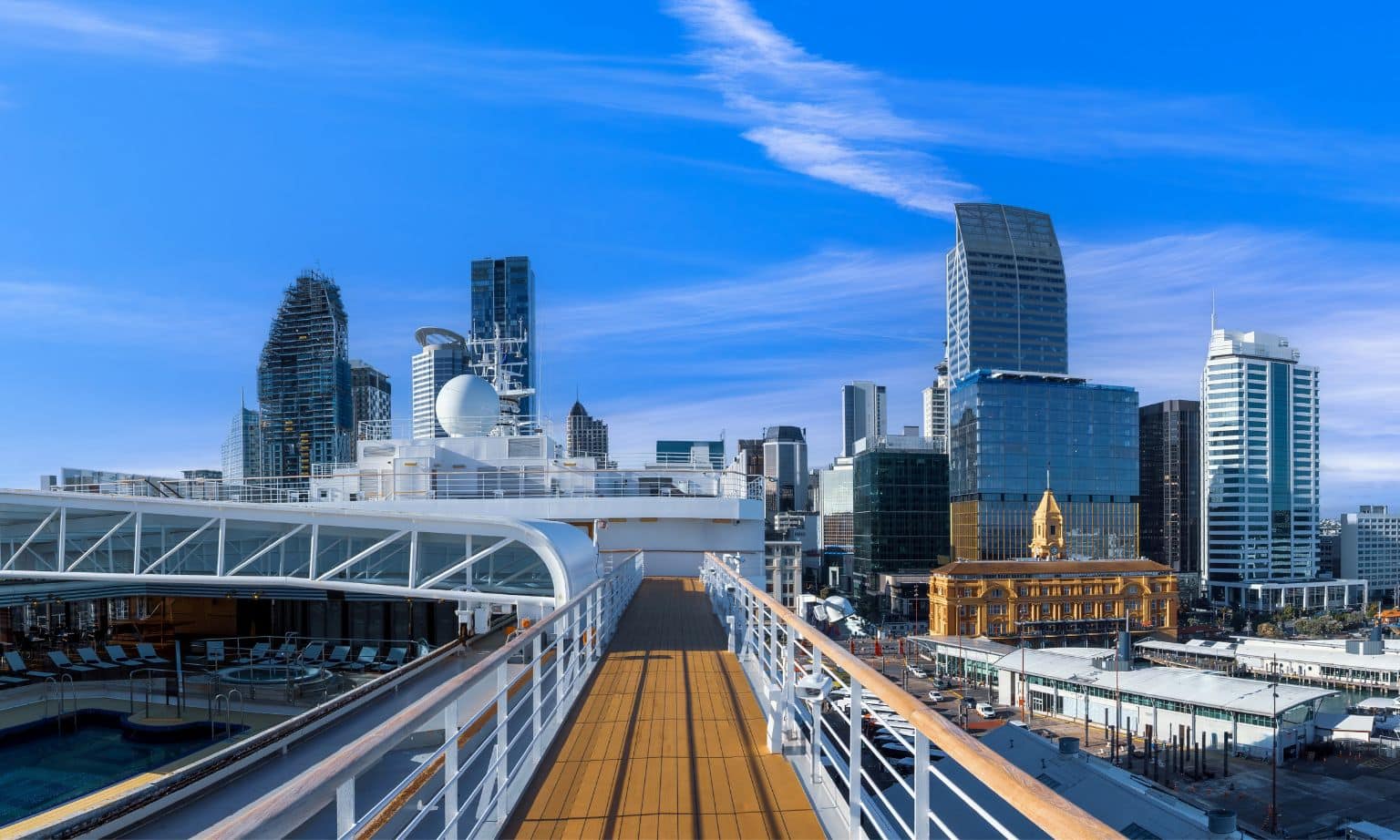
The ramifications of this decline are felt acutely across the Tasman. While the Australian cruise industry possesses the flexibility to redirect cruise traffic to other domestic destinations or to the South Pacific, the New Zealand cruise sector is heavily reliant on Australian visitors. In 2025, only an estimated 33,300 New Zealanders are projected to cruise locally within Australia, New Zealand, or the South Pacific. The loss of nearly 60,000 Australian cruisers over just two years represents a significant blow to New Zealand’s tourism economy.
Compounding this issue, a growing proportion of New Zealanders are seeking longer, "long-haul" cruise experiences, venturing further afield from the region. In 2025, it is anticipated that 46.3% of all New Zealand cruisers will be heading to long-haul destinations, an increase from 34.5% in 2024. This trend further exacerbates the reduction in demand for trans-Tasman cruises.
New Zealand’s Strategic Response and the Road Ahead
Recognizing the escalating crisis, New Zealand has been proactively implementing strategies to revitalise its cruise industry. In collaboration with the cruise industry, the government has initiated a series of decisive actions. These include plans for a new international cruise terminal in Auckland, a commitment to resolving potential cruising bans in Milford Sound, and the installation of hull cleaning facilities at the Auckland port. Additionally, some Carnival cruises have been rerouted to homeport out of Auckland, a move aimed at enticing cruise lines to offer more New Zealand itineraries.
However, the path to recovery is arduous. Major cruise lines are demonstrating a clear shift in their deployment strategies. Royal Caribbean, which has already reduced its New Zealand sailings by up to 70% in recent years, is focusing its new itineraries on its private destination in the Pacific, Lelepa. Carnival, which currently offers New Zealand sailings exclusively from Sydney, is moving the Carnival Adventure to the USA for half of the year from 2028, reducing its presence in the region. Princess Cruises, while adding a third ship to its Australian fleet for the 2027/28 season, will primarily base this vessel in Western Australia, far from New Zealand’s shores. The departure of Disney Cruises from the region entirely, a line that previously homeported some cruises out of Auckland, further diminishes potential opportunities.
Analysis of Implications and Future Outlook
The current trajectory suggests that recovering New Zealand’s cruise losses will require more than just localized strategic initiatives. A broader, coordinated approach involving Australia is likely necessary. This could involve Australia developing its own strategic cruise plan that encourages more ships to operate domestically and implements greater incentives for trans-Tasman travel. Such measures could help counter the prevailing trend of cruise lines opting for more cost-effective itineraries in closer, more profitable regions of the South Pacific.
The latest figures from the Cruise Lines International Association (CLIA) highlight the severity of the decline. These numbers are expected to be further reflected in upcoming economic impact reports, providing a clearer picture of the financial consequences for New Zealand’s tourism sector. The situation underscores the complex interplay of economic realities, regulatory frameworks, and strategic decisions that shape the global cruise industry and the significant impact these can have on regional tourism economies. The long-term viability of New Zealand as a significant cruise destination hinges on its ability to navigate these challenges and re-establish its appeal in a competitive global market. The investment in new infrastructure, such as the Auckland cruise terminal, signals a commitment, but the success of these efforts will ultimately depend on the willingness of major cruise lines to re-engage with the New Zealand market in a meaningful and sustained way.




 Anjar Salim
 Tatiana Tantri Indah Sari
 Budi Mulyono
