
 Chandra Hamzah
Australian cruise tourism has reached unprecedented heights, with a record 1.45 million people embarking on voyages in 2025, solidifying the nation’s position as the world’s fourth-largest source market for cruises. This burgeoning popularity, however, is shadowed by a critical concern: an increasing number of Australians are choosing to fly to international ports to begin their holidays, taking significant tourism revenue with them. Industry experts attribute this trend to a confluence of regulatory uncertainties and escalating operational costs within Australia, which are inadvertently pushing cruise lines and their valuable economic contributions to seek more favourable destinations.
The latest source market report from Cruise Lines International Association (CLIA) paints a picture of robust domestic demand. While the total number of Australians cruising locally saw an 8% increase, reaching 1.16 million in 2025, the growth rate for Australians opting for overseas cruises outpaced this significantly, surging by 17%. This disparity means that for every five Australians who choose to cruise, one now opts for international waters, a trend that represents a substantial leakage of tourism expenditure that could otherwise benefit the Australian economy. This shift is occurring despite a global expansion in cruise capacity, with approximately 80 new ships scheduled to join fleets worldwide over the next decade, signalling a missed opportunity for Australia to capitalize on this growing global passion.
The economic stakes are considerable. In 2025, international visitors undertaking cruises in Australia, New Zealand, and the South Pacific numbered 241,000, injecting billions into the regional economy and supporting thousands of jobs. These inbound cruises generated an estimated $7.3 billion in economic activity, with significant contributions from North America (144,000 visitors), Europe (42,000), New Zealand (33,000), and Asia (15,000). This inbound tourism is crucial for port communities and the broader hospitality and service sectors.
Despite the positive indicators of Australian enthusiasm for cruising, the mood within the industry is one of concern, as articulated by Joel Katz, Managing Director of CLIA Australasia. At what should have been a moment of celebration for the record passenger numbers, Katz highlighted the government’s perceived inaction on critical policy issues.
"The number of Australians cruising is at record levels, and with around 80 new ships coming online worldwide over the next decade, this passion can only rise," Katz stated. "However, Australia is struggling to attract ships to our own waters because of regulatory uncertainties and rising costs, so we are becoming uncompetitive as a destination and losing tourism to other countries."
Katz elaborated on the significant economic impact of the cruise industry, emphasizing that it contributes $7.32 billion annually to the national economy and supports over 22,000 Australian jobs. He stressed the urgent need for a unified approach from federal, state, and territory governments. "It is vital that we bring together federal, state and territory governments under a national action plan so we can create greater regulatory certainty, restore Australia’s competitiveness and attract more cruise tourism," he urged.
The Shifting Landscape of Australian Cruising
The growth in Australian passenger numbers is, in part, an artifact of evolving cruise itineraries. While the total number of Australians cruising has increased, the average length of these voyages has decreased. In 2024, the average cruise duration was eight days, a figure that dropped to 7.5 days in 2025. This compares to an average of 8.8 days during the previous record-breaking year of 2018.
CLIA acknowledges that this reduction in cruise length is a strategic response by cruise lines to maximize passenger numbers within a constrained operational environment in Australia. "While the number of ships sailing locally has declined due to regulatory uncertainties and rising costs, an increase in shorter itineraries has allowed more people to sail," the association noted. This strategy, while boosting passenger counts, has led to a substantial decline in the overall economic contribution from local cruising. The shift to shorter cruises, often comprising three or four-day trips, means fewer days spent at sea and, consequently, fewer port calls. This directly impacts port revenues, shore excursion spending, and the overall economic footprint of the cruise sector. It is estimated that this shift has resulted in a $1 billion decrease in revenue for the local tourism industry.
Signs of Capacity Strain and Departure of Key Players
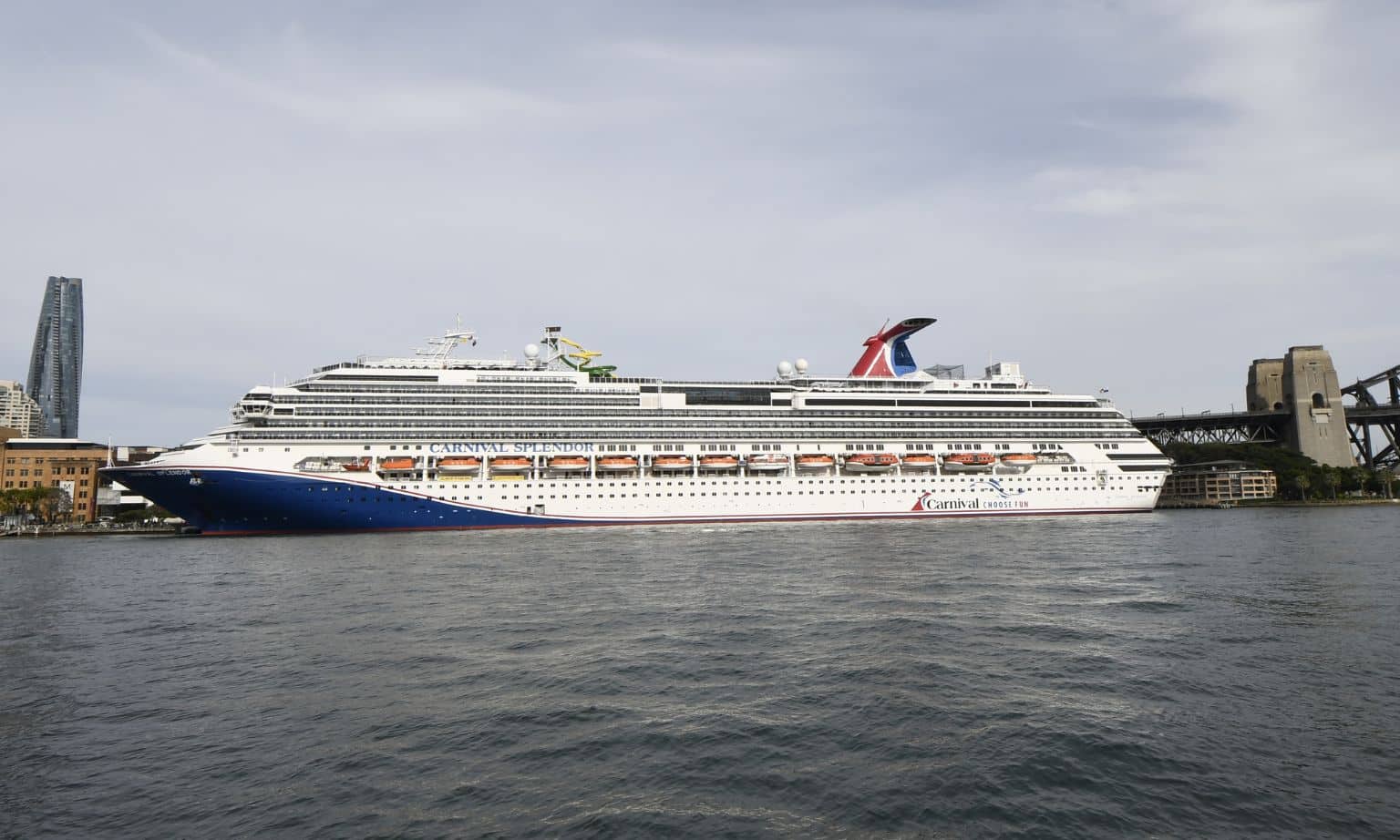
The challenges facing the Australian cruise market are further underscored by recent operational changes within the industry. The dissolution of P&O Cruises Australia, a long-standing operator in the region, has removed a significant capacity provider. Princess Cruises has reduced its deployment, operating two ships instead of its previous three. Furthermore, the repositioning of Cunard’s Queen Elizabeth from its Australian homeport and the absence of Disney Wonder from the end-of-year schedule signify a tangible reduction in the availability of cruise capacity in Australian waters. These departures, coupled with ongoing regulatory hurdles and rising operational expenses, create a scenario where Australia possesses a strong demand for cruising but lacks the necessary capacity to fully capitalize on it.
The current situation is characterized by a paradox: robust passenger demand meets limited cruise capacity. This imbalance forces the industry to rely on shorter itineraries to maintain passenger volume, while a growing segment of Australian cruisers looks abroad. The potential for rapid expansion is present, but the restrictive environment is fostering slow and uncertain growth.
The Economic Implications of Policy Paralysis
The outflow of Australian cruise passengers to international destinations represents a significant economic loss. When Australians cruise from overseas ports, their expenditure on flights, pre- and post-cruise accommodation, on-shore activities, and onboard services is directed away from the Australian economy. This leakage is exacerbated by the fact that international itineraries often offer a wider variety of destinations and potentially more competitive pricing, making them an attractive alternative for Australian travellers.
The $7.3 billion generated by international cruise visitors to the region in 2025 highlights the economic potential that Australia is currently underperforming in attracting. A more conducive regulatory environment and competitive cost structure could significantly increase the number of international cruise ships choosing Australian ports as their base or as part of their itineraries. This would not only increase inbound tourism but also provide more opportunities for Australians to cruise locally, thereby keeping their tourism dollars within the country.
Calls for a National Strategy and Infrastructure Investment
The path forward for the Australian cruise industry hinges on a strategic and coordinated response from all levels of government. Industry leaders, including CLIA, are advocating for a comprehensive national action plan to address the core issues. This plan would need to focus on creating regulatory certainty, which would provide cruise lines with the confidence to invest in longer seasons and deploy more ships to Australia.
Beyond regulatory reform, investment in port infrastructure is also critical. The suggestion of an additional cruise terminal in Sydney, a hub for many international voyages, and improvements to regional port facilities across Australia are seen as essential steps to accommodate a larger volume of cruise traffic. Enhanced infrastructure would enable ports to handle larger vessels more efficiently and offer a more appealing experience for both passengers and cruise lines.
The long-term vision is to transition from a strategy of containing cruise growth to one of actively encouraging and facilitating it. This involves not just increasing the number of passengers but also the number of sailing days, which translates to sustained economic activity and broader benefits for tourism-dependent regions. By attracting more ships and encouraging longer itineraries, Australia can ensure that its substantial passenger demand translates into substantial economic growth, rather than being a source of untapped potential.
The current trajectory, marked by reduced capacity and a growing preference for overseas cruising, suggests that without decisive policy intervention, Australia risks falling further behind as a premier cruise destination. The opportunity to leverage the global surge in cruise tourism is at risk of being missed, with significant economic and employment consequences for the nation. The industry’s potential for rapid expansion remains, but it is currently constrained by a policy environment that fails to keep pace with global trends and domestic demand.



 Anjar Salim
 Tatiana Tantri Indah Sari
 Budi Mulyono
 Lukman Taruna Persada Ramadan
