
 Anjar Salim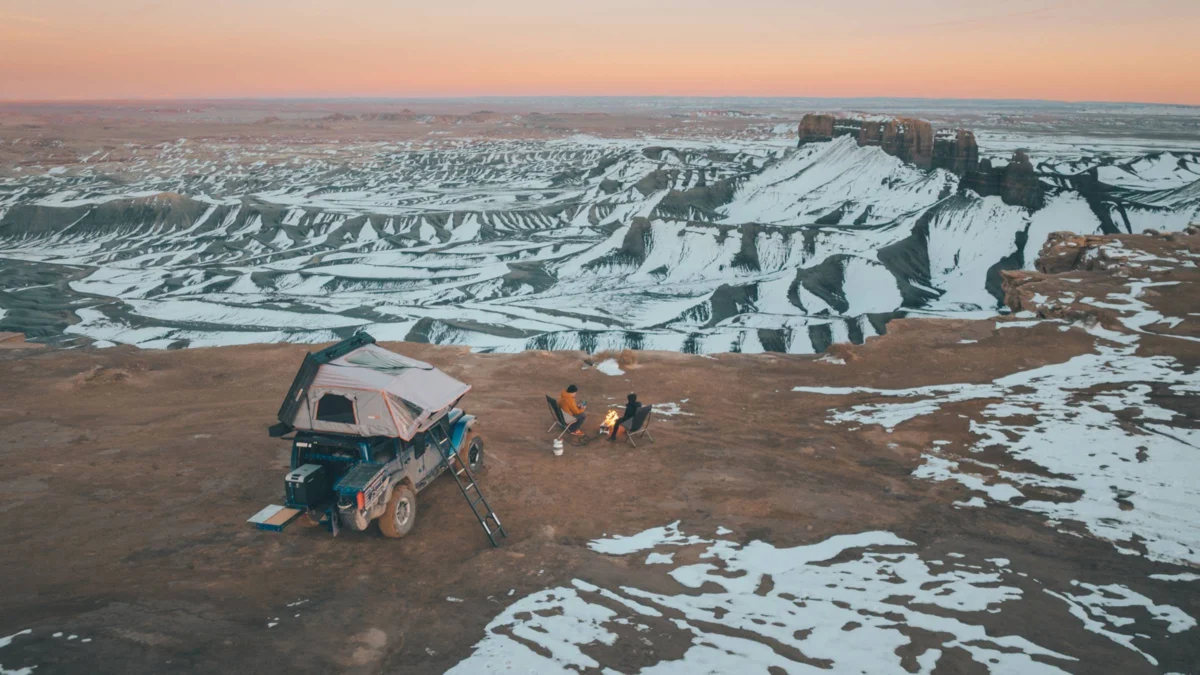
The landscape of American outdoor recreation is undergoing a significant transformation as millions of travelers pivot from traditional camping and recreational vehicle (RV) usage toward overlanding. Recent industry data indicates that approximately 12 million Americans are expected to engage in overlanding activities in 2025, marking a 50 percent increase from the 8 million participants recorded in 2024. This shift represents more than a mere change in equipment; it signals a fundamental move toward self-reliant, off-grid exploration that prioritizes the journey through remote terrain over the arrival at established destinations.
Defining the Overlanding Phenomenon
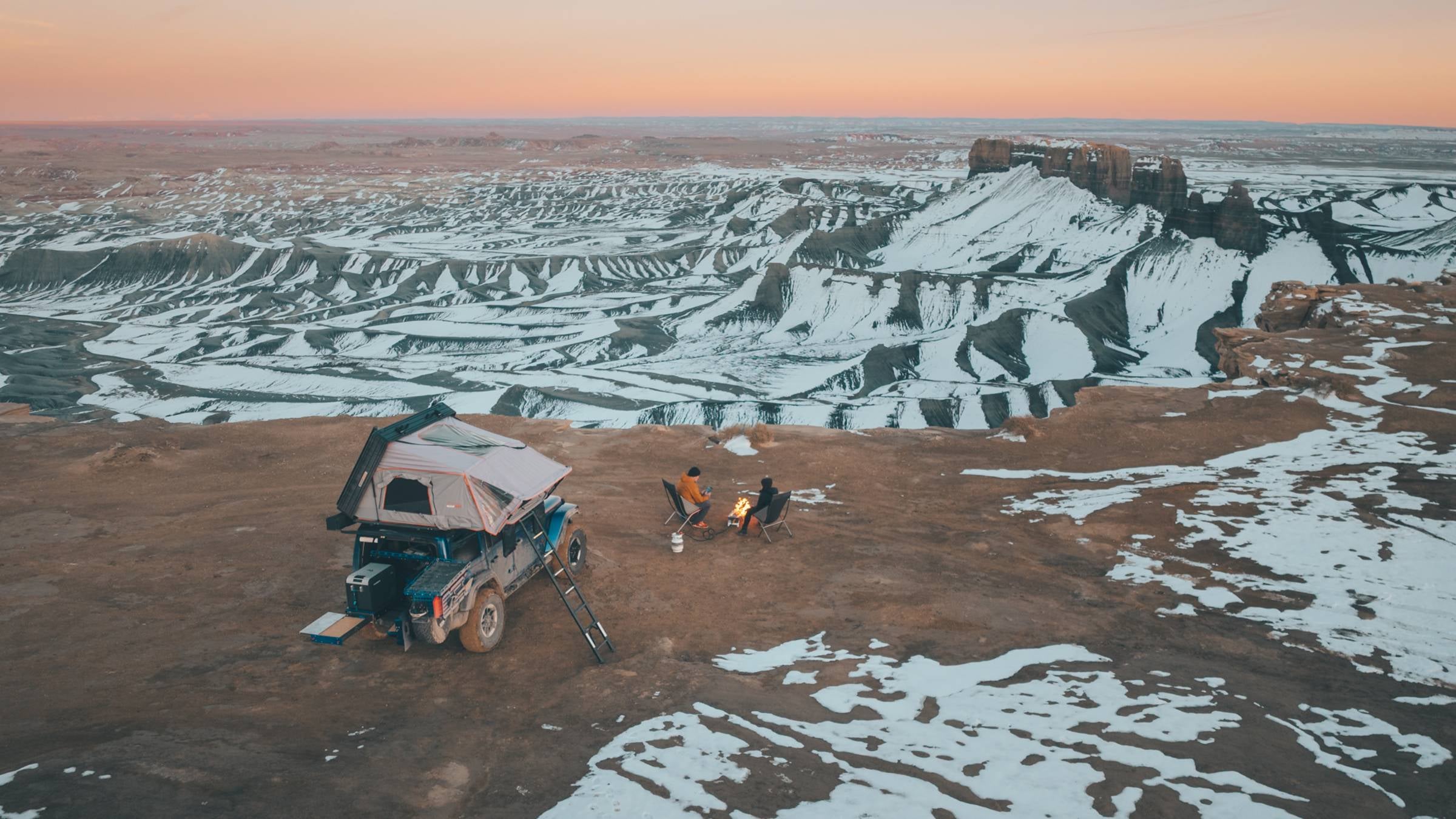
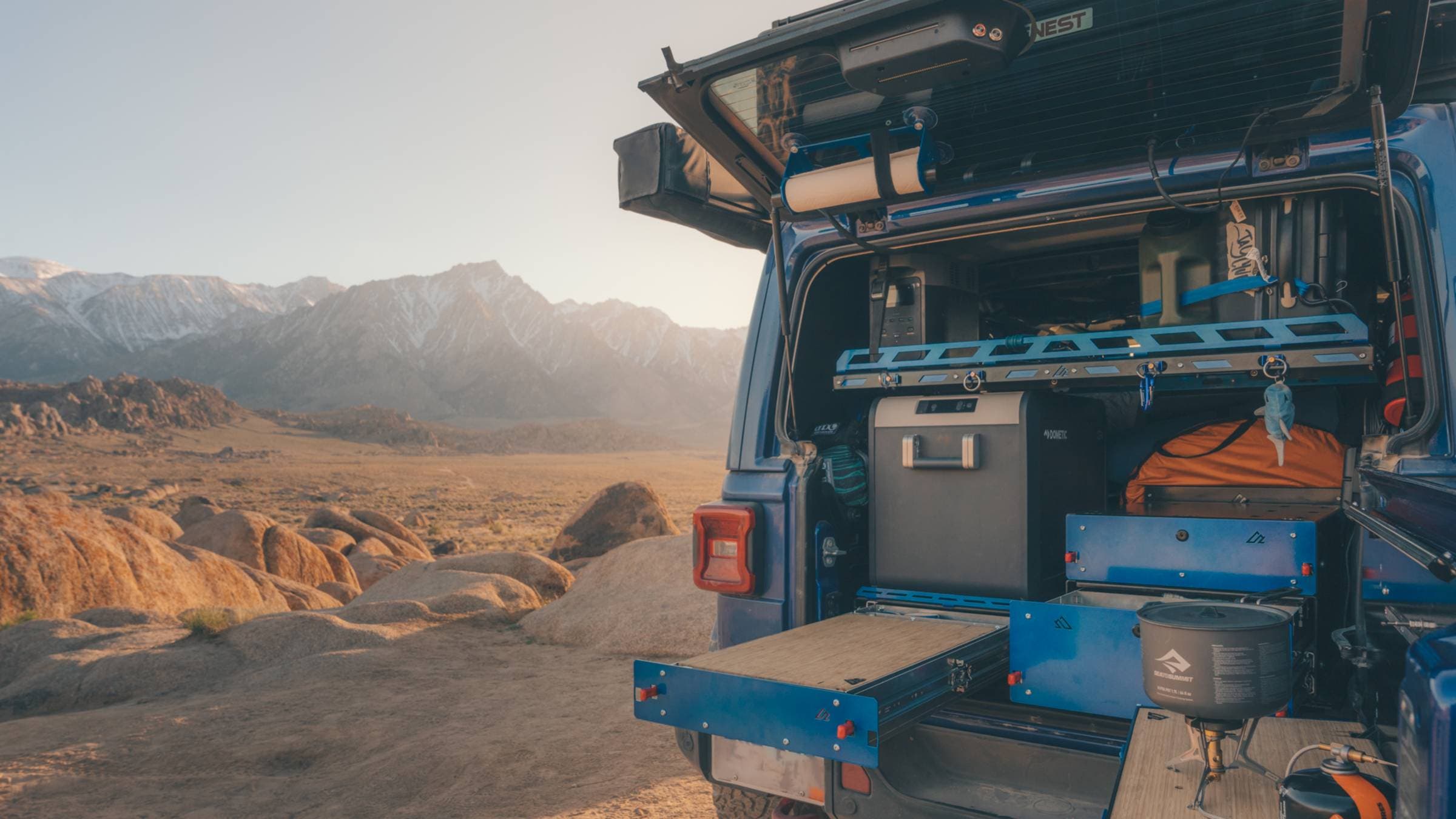
Overlanding is defined as self-reliant adventure travel to remote destinations where the journey is the primary objective. Unlike traditional off-roading, which often focuses on the technical challenge of traversing obstacles, or traditional camping, which relies on established infrastructure, overlanding combines elements of both into a long-term lifestyle or travel modality. Typically utilizing four-wheel-drive vehicles equipped with integrated lodging—such as rooftop tents—and self-sustaining utilities like solar power and water filtration, overlanders seek to remain off-grid for extended periods.
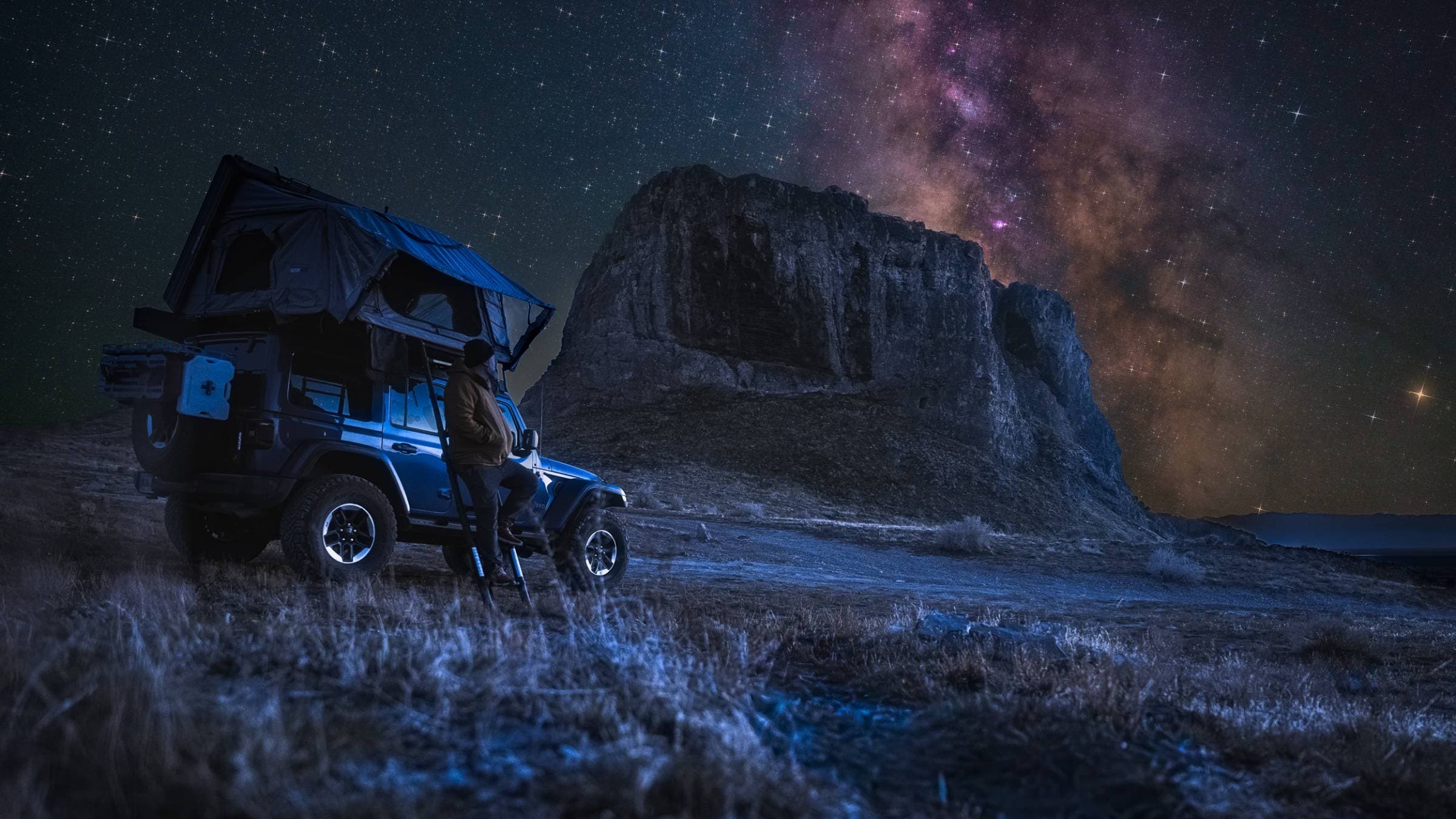
For many, the transition to this lifestyle is born out of professional necessity or a desire for deeper immersion in nature. Professional photographers, such as Jay Clue, have increasingly adopted overlanding to facilitate high-end landscape and astrophotography. By living on the road full-time, Clue and others in his field can access "Bortle Class 1" skies—the darkest possible ratings for stargazing—where the Milky Way and phenomena like the aurora borealis are visible to the naked eye without the interference of light pollution.
The Evolution of the Market: 2024 to 2026
The rapid growth of the overlanding sector has been catalyzed by several converging factors. In 2024, the industry saw a surge in the availability of "turn-key" overland vehicles from major manufacturers, making what was once a highly specialized DIY hobby accessible to a broader demographic. By early 2026, the market for aftermarket modifications—including heavy-duty suspension systems, modular roof racks, and portable satellite internet solutions—has reached record valuations.
The chronological progression of this trend shows a clear trajectory:
- Post-Pandemic Shift (2021–2023): A surge in domestic travel led to overcrowding at national parks and traditional campgrounds, prompting experienced outdoorsmen to seek more remote alternatives.
- Technological Integration (2024): The widespread adoption of low-earth orbit satellite internet, such as Starlink, allowed professionals to work from the most remote corners of the continent, removing the barrier of "disconnection" for full-time travelers.
- Mass Market Adoption (2025): The projected jump to 12 million participants reflects a diversification of the community, ranging from digital nomads to retirees and specialized photographers.
The Technical Reality of Self-Reliance
Despite the idealized imagery often found on social media platforms, the reality of overlanding is governed by rigorous logistical demands and mechanical constraints. A primary challenge for any overlander is the management of Gross Vehicle Weight Rating (GVWR). Every vehicle has a maximum weight limit for safe operation, and the addition of rooftop tents, solar arrays, auxiliary fuel, and water storage can quickly exceed these limits.
Overlanding requires a minimalist approach to resource management. Travelers must meticulously plan routes based on the availability of fuel and provisions, often carrying weeks’ worth of supplies in a "Tetris-like" configuration within their vehicles. This level of planning is essential because the environments favored by overlanders—such as washboard desert roads or high-altitude mountain passes—are often hundreds of miles from the nearest service station or cellular tower.
The financial risks associated with these remote excursions are substantial. Standard roadside assistance programs typically do not cover vehicles once they leave paved surfaces. Off-road recovery is a specialized industry where costs can be exorbitant; it is not uncommon for a stranded vehicle to require a recovery operation costing upwards of $5,000. Experienced overlanders, such as Clue, often maintain dedicated emergency funds to mitigate these risks. Clue recently documented an incident where a portion of his 350-pound roof rack system detached while he was hours away from civilization, necessitating a field repair using ratchet straps to prevent a total loss of equipment.
Dark Sky Tourism and Environmental Impact
One of the primary drivers of the overlanding movement is the growth of "Dark Sky Tourism." As urban sprawl continues to increase light pollution globally, the ability to witness a truly dark night sky has become a rare commodity. Overlanding allows photographers and enthusiasts to reach the "Absolute Middle of Nowhere," where the absence of civilization enables the observation of intricate astronomical details, such as dark dust lanes in the Milky Way.
This influx of travelers into pristine wilderness areas has prompted a renewed focus on "Leave No Trace" principles. Because overlanders often camp in "dispersed" areas rather than managed sites, the responsibility for environmental stewardship falls entirely on the individual. Inferred statements from environmental agencies suggest that while the growth in outdoor appreciation is positive, the potential for land degradation from improperly managed off-road travel remains a point of concern.
The Psychological and Social Landscape of Off-Grid Living
The transition to full-time overlanding carries significant psychological implications. While the "serenity of the silence" and the absence of digital notifications are cited as major benefits for mental health, the lifestyle can also be isolating.
Key social observations from the overlanding community include:
- Isolation vs. Connectivity: While satellite technology keeps travelers connected to the global economy, it cannot replace physical human interaction. Full-time overlanders often report a "love-hate" relationship with the solitude of the trail.
- Community Resilience: The overlanding community is noted for a high degree of mutual aid. In remote areas, the shared vulnerability of the environment fosters a culture where strangers—ranging from cattle ranchers to astrophysicists—will pause their own journeys to assist a fellow traveler in need.
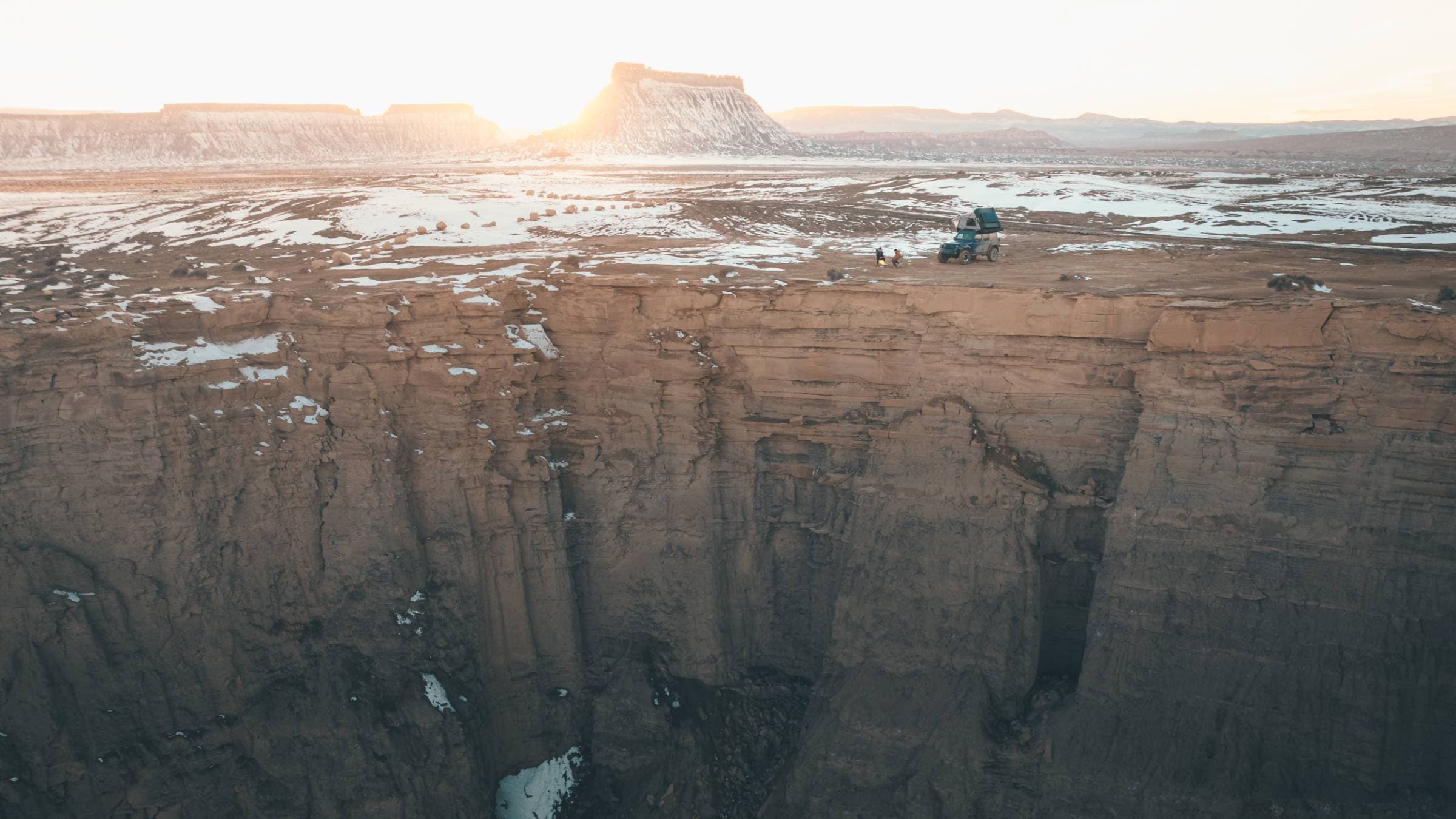
- The "Slow Travel" Philosophy: Overlanding encourages a shift away from "destination-hopping." By carrying their homes with them, travelers can spend days or weeks in a single location, experiencing the nuances of the landscape in a way that traditional hikers or day-trippers cannot.
Broader Implications for the Travel Industry
The rise of overlanding to 12 million participants is forcing a re-evaluation of the travel and automotive industries. Vehicle manufacturers are increasingly prioritizing "off-road ready" trims, such as the Jeep Rubicon or specialized Ford and Toyota variants, specifically designed for the payload and clearance requirements of overland travel.
Furthermore, the economic impact is shifting away from traditional hospitality sectors toward the outdoor gear and tech industries. The demand for portable power stations, high-efficiency 12V refrigerators, and robust navigation software (capable of functioning offline) has created a multi-billion dollar sub-sector within the outdoor market.
From a journalistic perspective, the trend represents a democratization of exploration. While early 20th-century expeditions were the province of well-funded scientists and explorers, modern technology and vehicle capability have allowed a broader segment of the population to experience the "last frontiers" of the North American continent.
Conclusion: The Future of the Journey
As we move toward the latter half of 2026, overlanding appears to be more than a passing trend. It is a response to the hyper-connectivity and congestion of modern urban life. By embracing the challenges of mechanical maintenance, rigorous route planning, and the unpredictability of the wilderness, overlanders are reclaiming a sense of autonomy.
The journey of individuals like Jay Clue, who has clocked over 30,000 miles in a custom-built Jeep Rubicon, serves as a case study for this movement. The shift from "hiking to a spot" to "living in the spot" represents a profound change in how humans interact with the natural world. While the risks—from mechanical failure to extreme weather—are real, the reward of waking up to a mountain lake or a sky filled with flickering, multicolored stars remains an unparalleled draw for millions of Americans. The future of outdoor tourism, it seems, lies not in the comfort of the destination, but in the grit and self-reliance required to get there.




 Chandra Hamzah
 Tatiana Tantri Indah Sari
 Budi Mulyono
 Lukman Taruna Persada Ramadan